
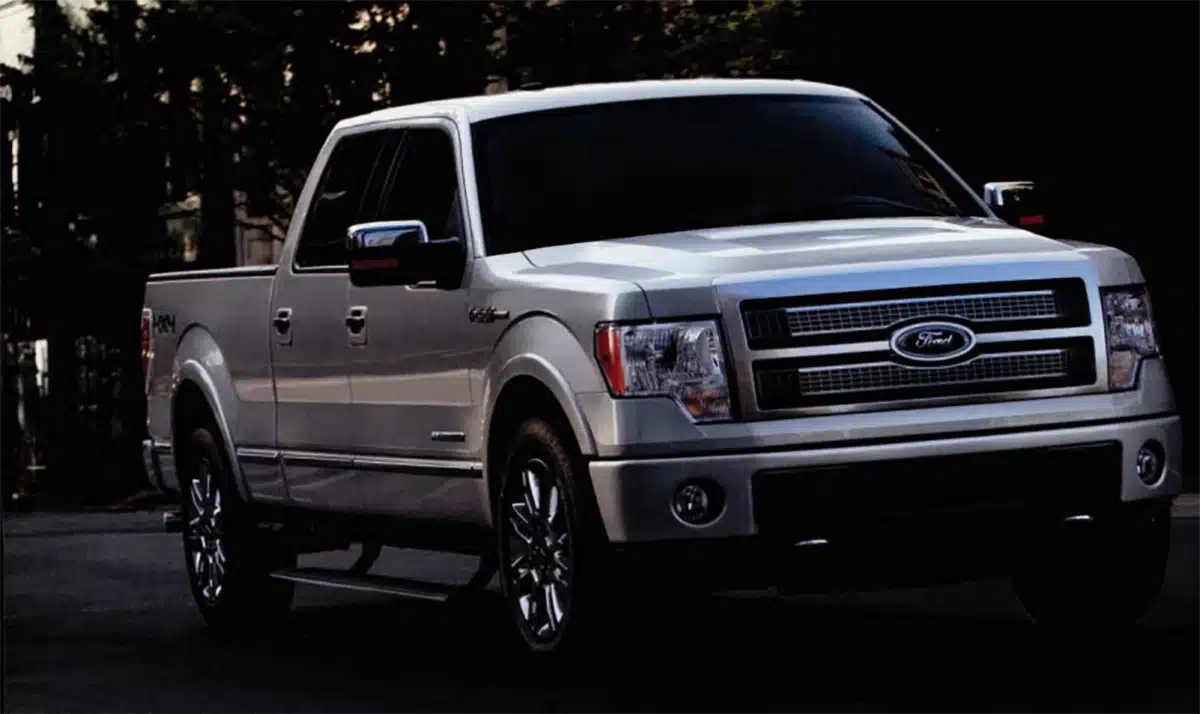
The rise of turbocharged truck engines in full-size pickup trucks didn’t happen overnight, and it wasn’t driven by just a single decision inside an automaker’s engineering department. Instead, it’s the result of decades of tightening fuel economy mandates, evolving emissions regulations, global technology sharing and consumer demand for performance and fuel economy.
A recent online discussion highlights a growing debate among truck buyers: Are modern engines, featuring turbochargers, direct injection, and thinner oils, the result of regulatory pressure pushing reliability to the edge? Or are they simply the latest evolution of technologies that have existed for decades?
The CAFE Rules That Changed the Game
At the center of the shift is the Corporate Average Fuel Economy (CAFE) standard, written collaborately with the National Highway Traffic Safety Administration (NHTSA) and the Environmental Protection Agency (EPA). While CAFE dates back to the 1970s, a major inflection point came during the Obama administration in 2012, when aggressive new targets were introduced.
Those rules didn’t just push automakers toward higher MPG, they fundamentally reshaped how trucks were engineered.
One unintended consequence: larger trucks. Because CAFE standards are footprint-based (meaning larger vehicles have lower fuel economy targets), automakers responded by increasing truck size while simultaneously improving efficiency through engine downsizing and forced induction.
Turbocharging became a key solution. Smaller displacement engines paired with turbochargers could deliver V8-like torque under load while improving fuel economy during light driving. That’s how engines like Ford EcoBoost V6 went from niche to mainstream in half-ton pickups.
Emissions Rules Running in Parallel
Fuel economy regulations weren’t the only factor. Emissions standards, set by the Environmental Protection Agency, evolved separately but in parallel.
The U.S. is currently operating under Tier 3 (LEV III) standards, which significantly tighten limits on pollutants like NOx and NMOG. A potential Tier 4 framework, taking effect for 2027-2032 model years, is already under discussion, and historically, these standards have only moved in one direction – stricter.
This means, things such as higher-pressure direct injection, light-weight oils, low-friction piston rings, gasoline particulate filters, etc… are not simply going away. They are going to get even more refined.
Engine Technology Isn’t New
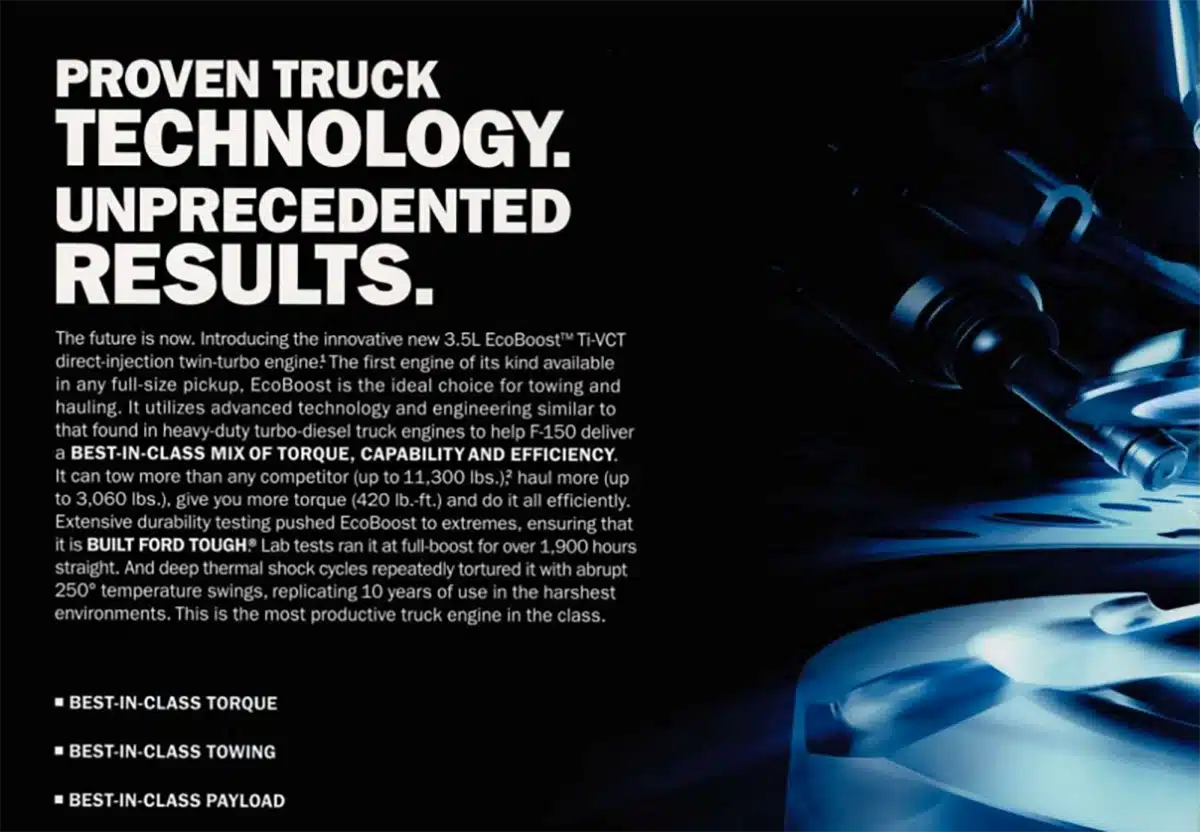
Many point to turbochargers as being new and problematic as well as the items I listed above like direct injection, the watery oils, piston rings, etc… They aren’t.
For example, the “new” turbocharged engines have been out since the early 2000s with the aforementioned Ford F-150 EcoBoost making it more common in 2011. People remember the 1970s and 1980s turbocharged engines with disdain and they should. Today’s turbocharged engines have one clear distinction.
Back then, automakers were struggling to make vehicles more efficient, so they bolted a turbocharger on an existing engine. This created all sorts of issues with heating and cooling.
Now days, the engine design begins with the turbocharger and the rest of the engine is designed around it. This means the focus is on the turbocharger’s health and performance first and not last.
Also, the other items like direct injection, light-weight oils, low-friction piston rings, etc… are all used in together to reduce friction aka keep the heat down to allow the engine to run cooler reducing concerns on the durability of the turbo itself.
Again, it isn’t just about slapping a turbocharger on an existing engine and calling it good. It is a wholistic approach and that’s why today’s turbocharged engines have performed night and day better than those older engines in every regard.
Why Turbocharging Became the Default

From an engineering standpoint, turbocharging solves multiple problems at once:
- Improves fuel economy under light load (smaller engine displacement)
- Maintains towing capability with boost under load
- Helps meet emissions targets by improving combustion efficiency
That combination made it nearly inevitable.
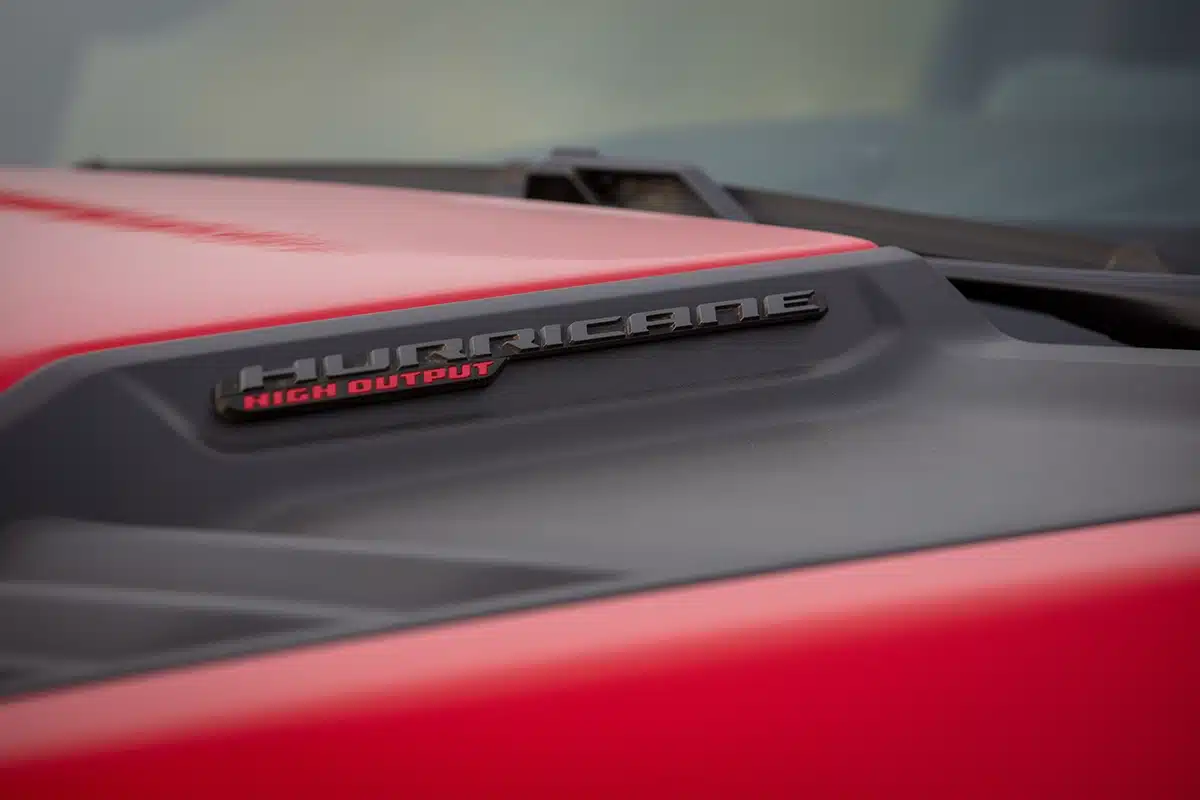
Engines like the twin-turbo inline-six in the Ram Hurricane engine or GM’s 2.7-liter turbo-four represent the logical endpoint of these pressures: maximize output per liter while minimizing fuel consumption and emissions.
The Reliability Debate
Despite the technical rationale, skepticism remains, especially among truck buyers accustomed to naturally aspirated V8s.
Critics argue that:
- Low-tension rings may increase oil consumption
- Direct injection can lead to carbon buildup
- Thin oils reduce long-term durability margins
Supporters counter that:
- These technologies have decades of real-world use globally
- Modern oil formulations are engineered specifically for these designs
- Failures are often amplified online, creating a perception gap
The reality likely sits somewhere in between. While the technologies themselves are proven, their widespread adoption, and the push to meet ever-tightening standards, has reduced engineering margins compared to older, simpler engines.
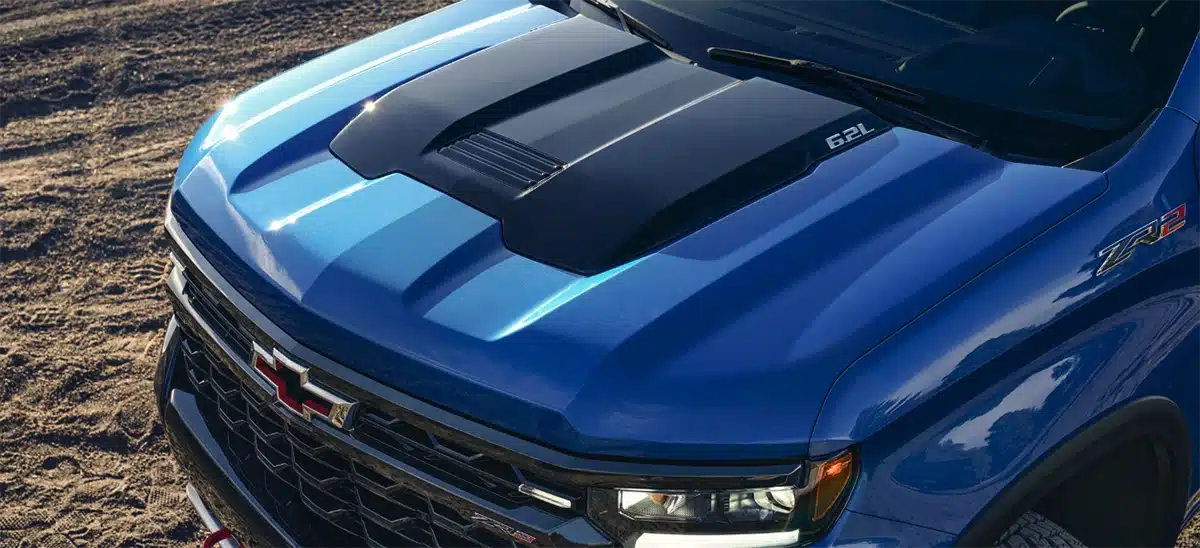
Critics will say just look at the problems Toyota is having with the 3.4L iForce engine recalls. Supporters will counter and say, “HEMI tick?” Or how about GM’s lifter issues or the 6.2L V8 engine recall?
A Shift Driven by Policy and Consumer Preference
Ultimately, turbocharged truck engines are not simply just a trend, they are the outcome of regulatory frameworks that reward efficiency and penalize excess consumption. Plus, well, consumers, who drive them, love the performance.
Each revision of CAFE and emissions rules has nudged automakers further down this path. And with future standards expected to tighten further, the industry is unlikely to reverse course.
You can see this with automakers offering more models with turbocharged engines and restricting the availability of V8 offerings or charging more of a premium for it like with the return of the Ram 5.7-liter HEMI V8 engine.
For truck buyers, that means the era of simple, large-displacement engines is giving way to a more complex, globally influenced approach to powertrain design, one shaped as much by Washington and international policy as by Detroit engineering. It is also driven by consumer’s demand since the driving performance of a turbocharged engine is superior to a V8 engine.
The fact is, like Ram CEO Tim Kuniskis pointed out when comparing the Hurricane inline 6 turbocharged engine versus the 5.7-liter HEMI V8 engine, “if you are counting cylinders and exhaust note, the Hemi wins,” he said. “In every other way, the Hurricane is better.”








