
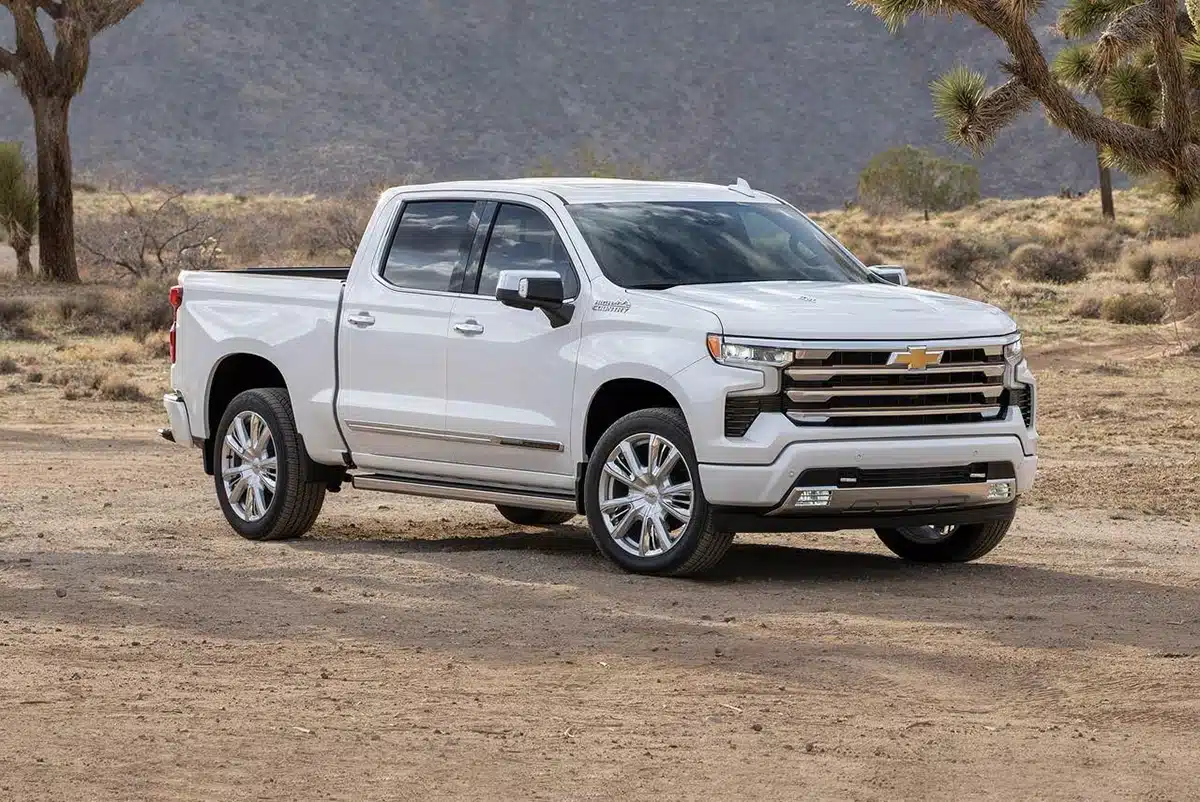
General Motors has issued updated guidance outlining what it considers acceptable normal oil consumption for trucks, sparking renewed debate among owners who say the thresholds make zero sense.
GM Sets Official Oil Consumption for Trucks Standards

According to General Motors, as reported by GM-trucks.com, all internal combustion engines consume some oil as part of normal operation. The automaker now defines acceptable oil consumption for light-duty trucks and passenger vehicles at one quart every 2,000 miles under standard driving conditions.
For heavy-duty trucks with a gross vehicle weight above 8,600 pounds, the measurement shifts to fuel usage rather than mileage. In those cases, GM considers one quart per 100 gallons of fuel burned to be within normal limits.
Why Engines Burn Oil in the First Place
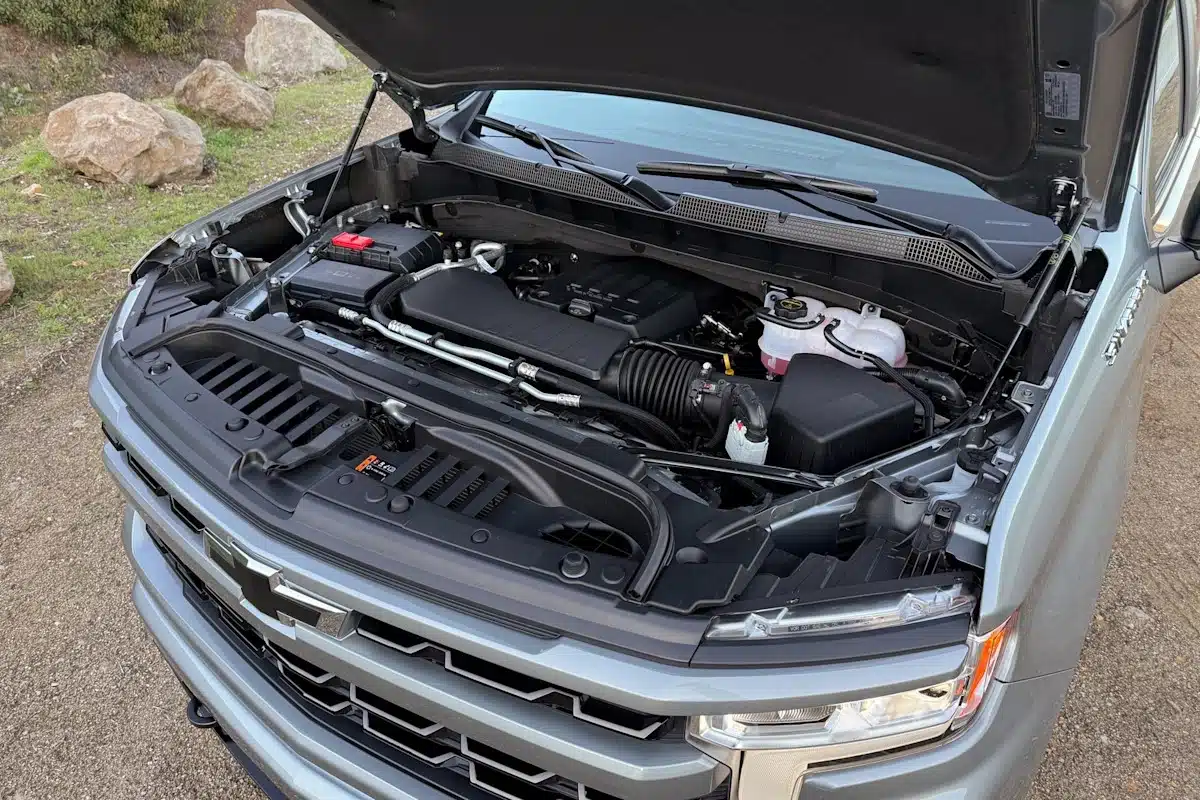
GM explains that oil consumption is a natural byproduct of engine design. As pistons move within the cylinder, they leave behind a thin film of oil for lubrication. A portion of that oil is burned during combustion, leading to gradual consumption over time.
While this explanation aligns with long-standing engineering principles, the key issue for owners remains how much oil loss is considered acceptable in modern engines.
Owner Backlash Grows Over “Normal” Limits
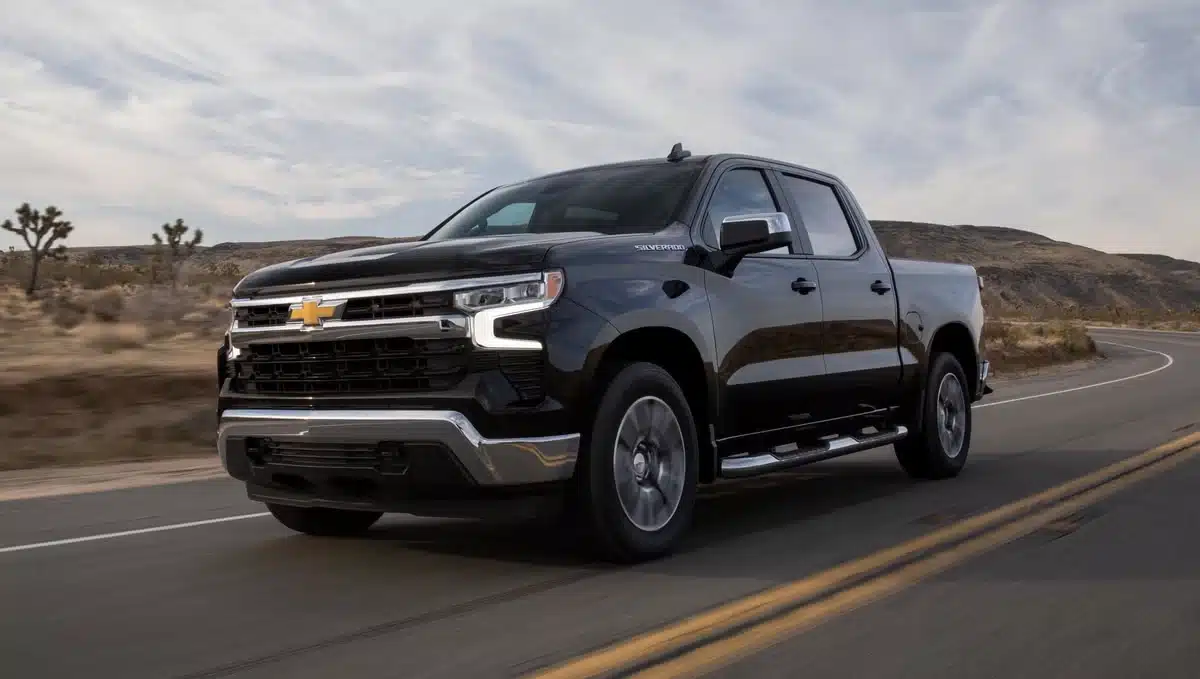
The company’s benchmark of one quart every 2,000 miles has drawn criticism from truck owners and enthusiasts. Many argue that modern engines, built with tighter tolerances and advanced materials, should not consume that much oil between standard oil change intervals.
Some owners believe the guidelines are designed to limit warranty claims rather than reflect real-world expectations, especially for newer trucks still under factory coverage.
Engine-Specific Trends Raise Additional Concerns
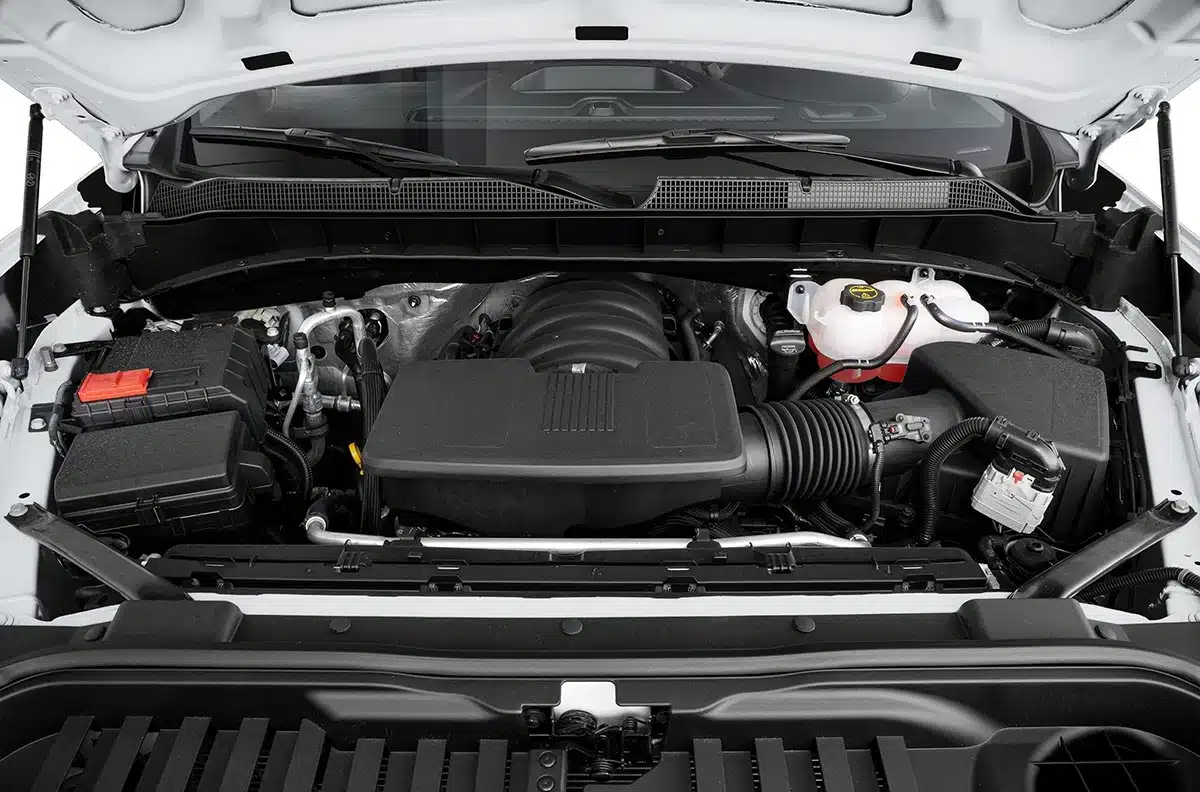
Owner reports suggest oil consumption varies by engine. Turbocharged four-cylinder engines, like GM’s 2.7L, often show higher consumption during break-in periods before stabilizing.
Meanwhile, V8 engines equipped with cylinder deactivation systems have drawn scrutiny, with some owners linking oil consumption to potential lifter failures. Higher-end engines, such as the 6.2L V8, are often monitored through oil analysis to better understand wear and fuel dilution rather than relying solely on dipstick readings.
Heavy-duty gasoline engines also show variability, with owners working to distinguish between oil burned under heavy loads and oil lost through leaks.
Warranty Process Requires Strict Testing
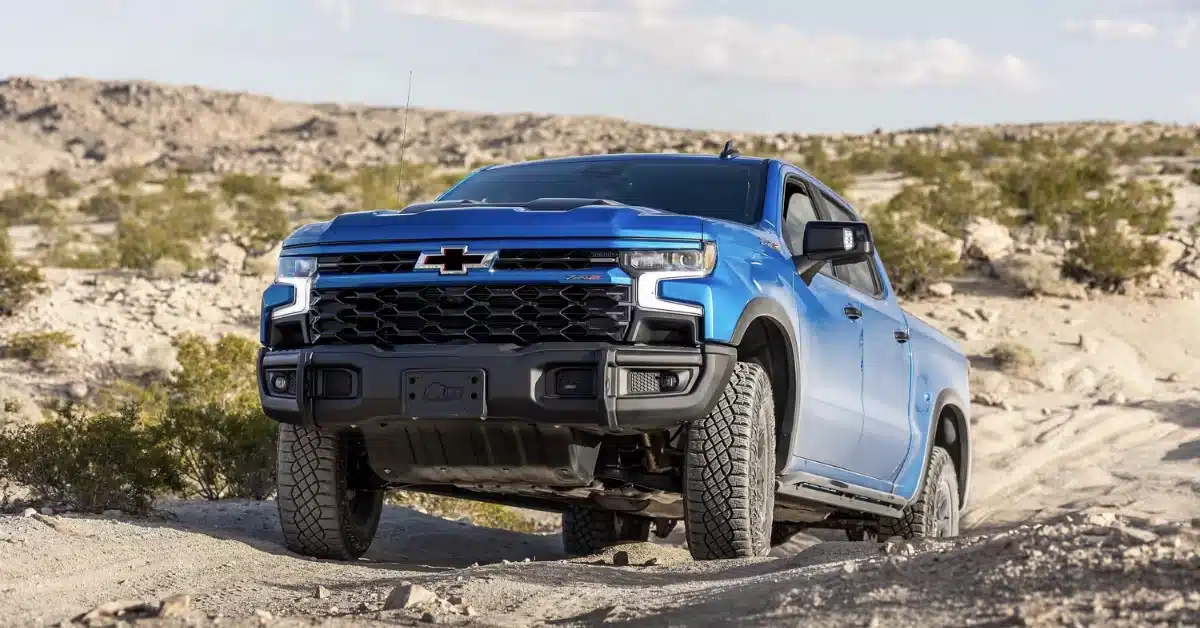
For owners seeking warranty repairs, GM requires a formal oil consumption test before approving engine work. Dealerships must first rule out external leaks, driving habits, towing use, and other contributing factors.
GM Bulletins #01-06-01-011 and #03-06-01-023 require technicians to rule out a laundry list of outside factors before approving an engine teardown. Here is what they are looking for:
- Leaks: Inspecting oil pans, engine covers, and the engine oil cooler for external loss.
- Waiting to Check: The oil level must not be checked for at least 15 minutes after shutting off the engine to allow oil to properly drain back into the pan.
- Towing and Heavy Usage: Hooking up a trailer or hauling heavy payload will drastically increase oil burn.
- High RPM Driving: Continuous high-speed or high RPM driving will naturally increase consumption.
- PTO Operation: Running a Power Take-Off will increase both fuel and oil usage.
- Oil Dilution: In colder weather, condensation from short trips might not evaporate out of the oil. This can artificially raise the oil level on the dipstick. After a long trip when that condensation finally evaporates, it can give the false impression of a sudden, massive oil loss.
If the issue persists, technicians initiate a controlled test that tracks oil levels over the course of 100 gallons of fuel consumption. Only after completing this process will GM determine whether the engine qualifies for repair or replacement under warranty.
Towing, Driving Habits Play a Major Role
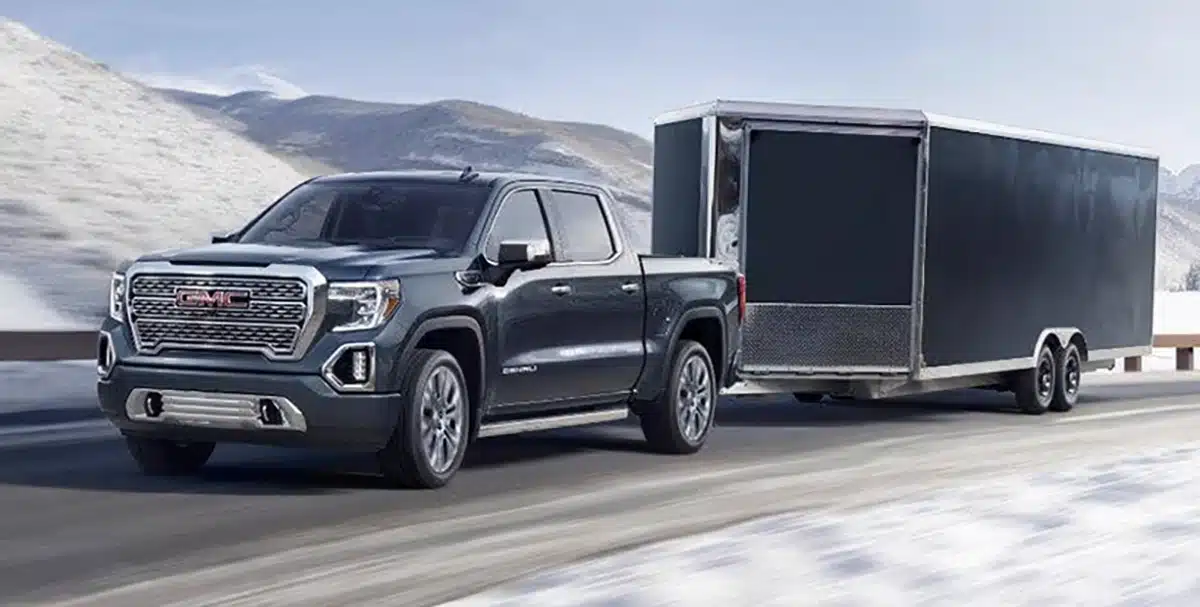
GM emphasizes that operating conditions significantly impact oil consumption. Towing, hauling heavy loads, high-speed driving, and extended engine operation all increase oil usage.
The company also notes that short trips in cold weather can temporarily mask oil consumption due to condensation buildup, which later evaporates and may appear as sudden oil loss.
As GM formalizes its stance, the divide between factory standards and owner expectations continues to widen, particularly among truck buyers who demand durability and long-term reliability from their vehicles.
What About Other Brands?
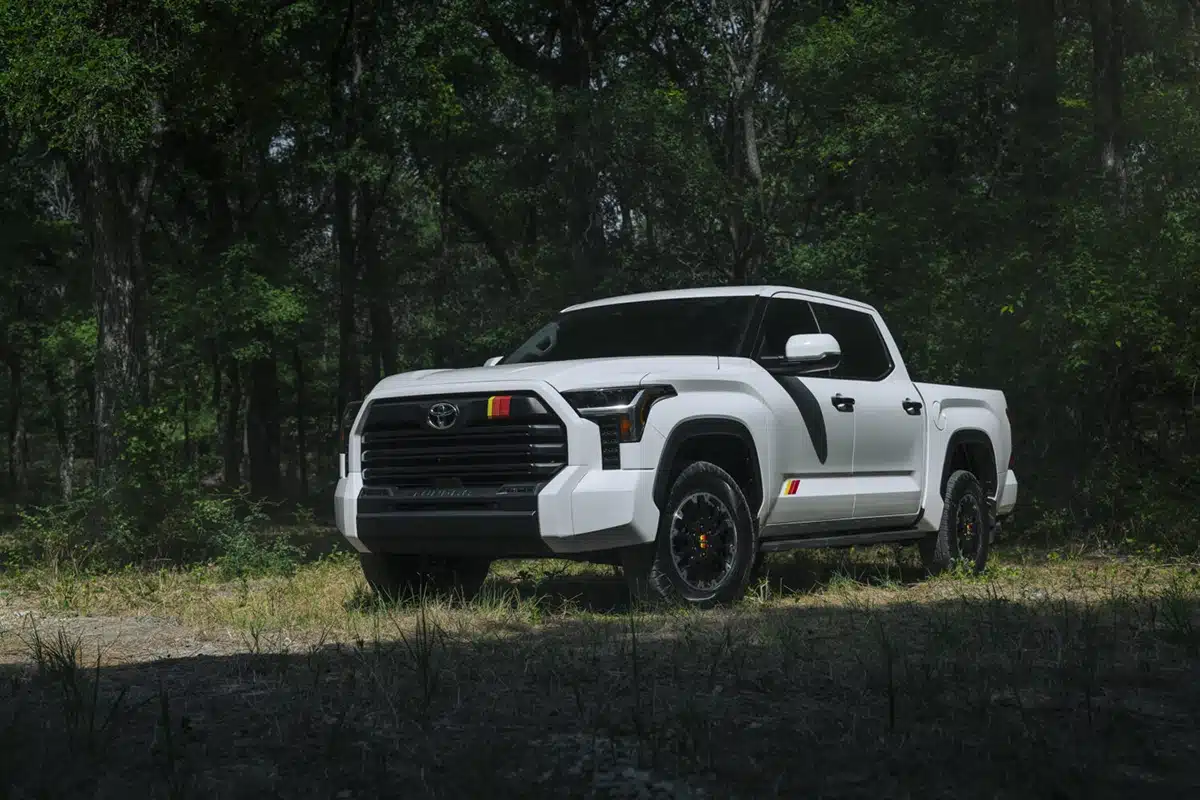
Is this just a GM thing or do other brands also have a normal oil consumption standard?
Doing some online research, it turns out that all brands have an acceptable oil usage, however, it varies.
Ram has the 1 quart per 2,000 miles, Ford states 1 quarter per 3,000 miles specifically for the 5.0L V8 Coyote engine with sources stating the EcoBoost is between 1,000-3,000 miles and Toyota is at 1 quart for every 1,200 miles for the Tundra.








18 replies
Loading new replies...
Administrator
Moderator
Well-known member
Well-known member
Administrator
Moderator
Administrator
Well-known member
Well-known member
Moderator
Administrator
Join the full discussion at the Forum Pickuptrucktalk →