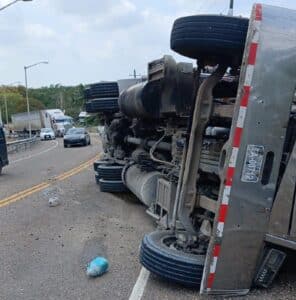
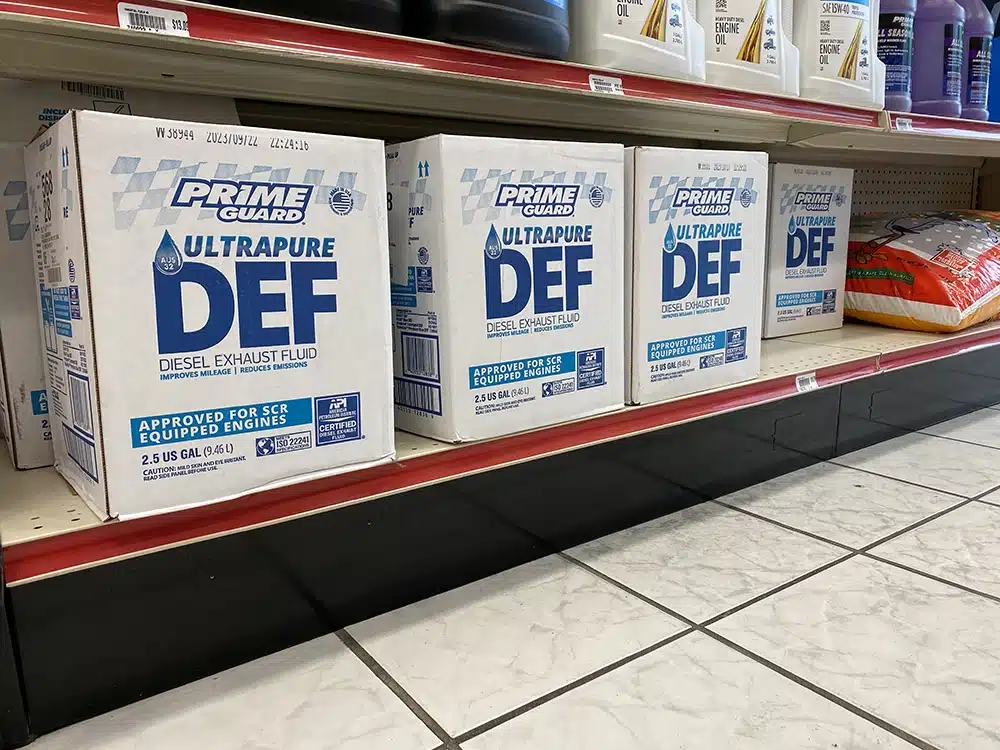
The EPA’s DEF sensor removal in 2026 is good news for truckers, owner-operators and small fleets. DEF system failures, sensor-related derates and unexpected downtime have been a serious problem for diesel operators. A faulty sensor can take a productive truck off the road, delay loads and damage cash flow.
But DEF relief is not the same as full business protection.
The EPA’s new guidance may reduce one major operational headache, but it does not remove your responsibilities as a motor carrier. DOT compliance, FMCSA requirements, insurance coverage, tax reporting, permits and safety performance still matter every day.
At Simplex Group, after more than 25 years helping trucking entrepreneurs launch, scale and stay compliant, we have seen the same pattern many times: one solved problem does not protect the entire business. A DEF sensor issue can park a truck, but compliance, insurance and tax problems can park the company.
What the EPA DEF Sensor Rollback Means in 2026
The EPA DEF sensor rollback is focused on reducing unnecessary downtime caused by DEF sensor failures and related system problems. For owner-operators, that could mean fewer unexpected derates, fewer repair delays and more confidence keeping equipment on the road.
Still, emissions compliance does not disappear. The rollback does not mean truckers can ignore emissions systems, maintenance responsibilities or regulatory requirements. It simply changes how certain DEF-related monitoring requirements may be handled.
That distinction matters. Your truck may be less exposed to one DEF-related failure point, but your business can still be exposed in other areas.
This is where many carriers get caught. They focus on the truck, but the business behind the truck is not fully protected. A carrier can be mechanically ready and still be exposed to penalties, claims disputes, audit problems or cash-flow issues.
DOT and FMCSA Compliance Still Matter
The EPA’s DEF sensor removal does not change your DOT or FMCSA obligations. You still need organized Driver Qualification files, accurate Hours of Service records, maintenance documentation, drug and alcohol program compliance, CSA monitoring and audit readiness.
Compliance should not be treated as paperwork you clean up later. By the time an audit notice arrives, it may already be too late to fix deeper patterns.
A professional compliance system keeps records current, monitors risk and helps carriers correct issues before they become expensive. That is why Simplex’s Compliance Suite offers different levels of support, from self-service tools in the Simplex Hub to on-demand support through the Essentials Program and full-scale management through the Managed Program with a Dedicated Account Manager.
Every carrier operates differently, but every carrier needs a system.
Insurance and Tax Gaps Can Hurt More Than Downtime
A DEF sensor failure can be expensive. An insurance gap can be worse.
Many owner-operators do not discover coverage problems until there is a claim. In 2026, carriers should review liability, cargo, physical damage, trailer interchange, deductibles, exclusions and whether the policy still matches the freight, lanes, drivers and equipment they operate today.
Tax and permitting issues deserve the same attention. IFTA reporting, IRP renewals, Form 2290, fuel records, state permits and operating authority all need to stay current. Small mistakes can become penalties, delays or cash-flow problems.
Through Simplex Insurance and Simplex Group’s compliance, permitting and tax support, carriers can protect more than the truck. They can protect the business model behind it.
Cash Flow Is Part of Protection Too
A trucking company can fail even when the truck is running. Poor freight planning, delayed payments and weak cash flow can create pressure that affects insurance, maintenance, taxes and compliance.
That is where Freight4U supports carriers with freight planning and factoring services. The goal is not just to keep trucks loaded, but to help owner-operators build a more stable operation.