Spend enough time around truck owners, and you’ll notice something pretty quickly—no one leaves their truck stock for long.
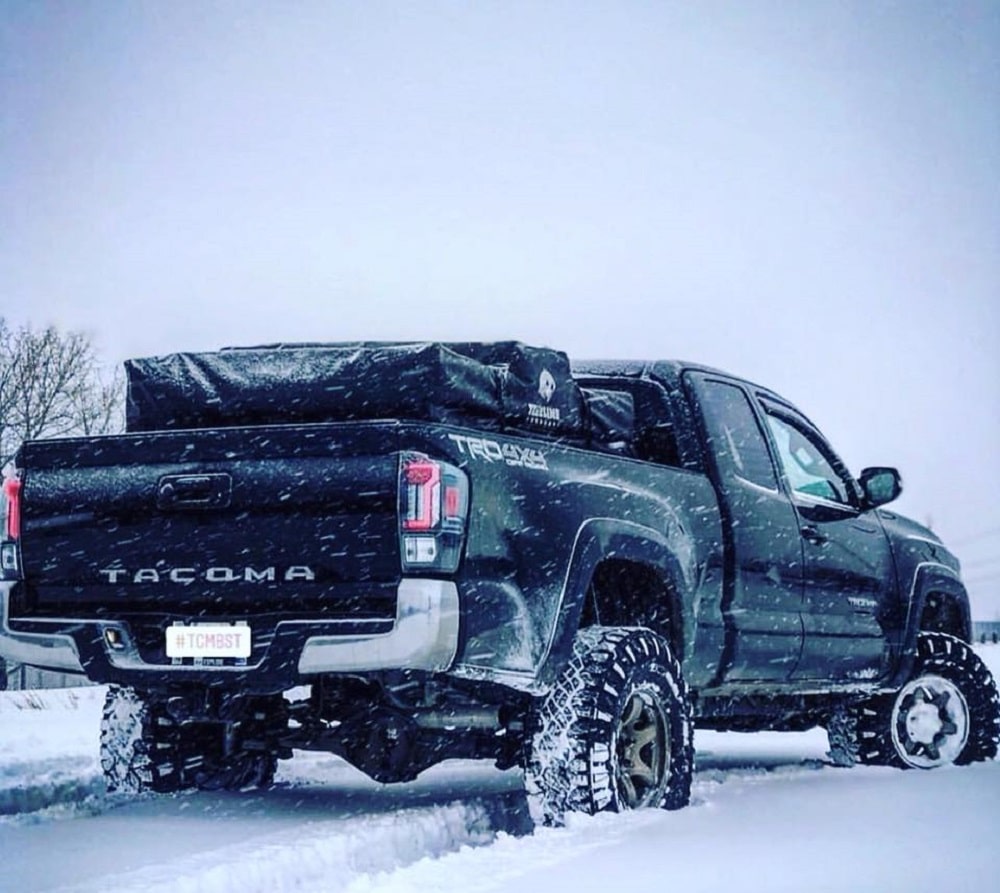
Maybe it starts with better tires. Then a lift. Then a bed rack, upgraded suspension, towing setup, lighting, maybe even performance tweaks. Before long, that “factory truck” turns into something built for your life, work, weekends, and everything in between. And that’s exactly the point.
But here’s the part most people don’t think about until it’s too late: Is all of that actually protected?
The Reality Behind Truck Upgrades
Let’s be honest: truck upgrades aren’t cheap. A quality lift kit can run a few thousand dollars. Wheels and tires? Easily another few grand. Towing gear, toolboxes, racks, and lighting. All adds up fast
From your perspective, that investment becomes part of the truck’s value. It’s what makes it your truck. From an insurance company’s perspective, it doesn’t always work that way.
Most standard auto policies are built around one thing: actual cash value (ACV). That’s a calculation based on age, mileage, and comparable vehicles, and not what you’ve put into it. So even if your truck is dialed in perfectly, your policy may still treat it like a mostly stock version.
Where Coverage Starts to Fall Short
This is where a lot of truck owners get caught off guard. Some common gaps we see:
Aftermarket parts aren’t automatically covered
Unless you’ve specifically added coverage (like custom parts coverage or an endorsement for upgrades), upgrades like lifts, wheels, or performance parts may have limited or no protection. And even when they are covered, many policies place caps on how much they’ll pay unless you increase that limit.
Work gear can fall into gray areas
If you’re using your truck for your business, loaded with tools, equipment, or materials, those items may not be covered under a standard personal auto policy. How you use your truck matters more than most people realize.
Documentation matters more than you think
No receipts, no proof, no photos? It becomes much harder to justify the value of what’s been added.
Insurance looks at comps, not personal investment
You might know exactly what your truck is worth to you, but insurers rely on market data, not build sheets.
Upgrades don’t automatically update your policy
A lot of owners build their truck over time, but never revisit their coverage. That can leave newer additions completely unprotected.
The Value Gap Most Truck Owners Don’t See Coming
There’s often a gap between what you believe your truck is worth and what the insurance company is actually willing to pay. Most of the time, you don’t notice that gap until you’re already dealing with a worst-case scenario.
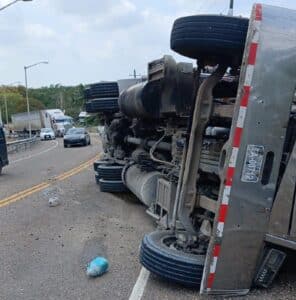
It usually shows up when repair costs start climbing. At a certain point, the insurance company may decide it doesn’t make financial sense to fix the truck, and that’s when it’s treated as a total loss. It means the cost to fix it no longer makes sense compared to what they believe the truck is worth.
And that’s where things shift.
Because even if you’ve:
- Upgraded the suspension
- Added premium wheels and tires
- Built it out for towing or work
Those upgrades don’t always carry over into how your truck is valued.
If you’ve ever wondered how much insurance pays for a totaled car, it usually comes down to how that value is calculated behind the scenes. Insurers typically rely on market data, looking at similar trucks in your area, often stock versions with comparable mileage. Not the one you’ve spent years building.
That’s when a lot of owners realize their investment and the insurer’s numbers aren’t even close.
How to Actually Protect What You’ve Built
The good news is, there are ways to close that gap. You just have to be intentional about it.
1. Look Into Stated Value or Agreed Value Coverage
If your truck has significant upgrades, this can make a big difference. Instead of relying strictly on depreciation, these policies allow you to set or agree on a value upfront.
2. Add Aftermarket Parts Coverage
Many insurers offer add-ons specifically for modifications. Just keep an eye on the limits—some policies cap this coverage unless you increase it.
3. Consider Separate Coverage for Work Use
If your truck pulls double duty as a work vehicle, a standard personal policy may not fully cover tools or equipment. A commercial or inland marine policy might be worth looking into.
4. Keep Every Receipt and Take Photos
It sounds simple, but it matters. Documentation helps support the value of your upgrades if you ever need to file a claim.
5. Revisit Your Policy After Major Upgrades
Most people set their insurance once and forget about it. But every major upgrade changes the equation. If your truck evolves, your coverage should too.
It’s Not Just a Truck, So Don’t Treat It Like One
For a lot of owners, a truck isn’t just transportation. It’s how you get the job done. It’s how you spend your weekends. It’s something you’ve built over time.
That’s why it’s worth asking the question now, not later:
If something happened tomorrow, would your insurance actually reflect what your truck is today?
Because once you’ve put in the time, money, and effort to build it right, protecting it the same way just makes sense.