
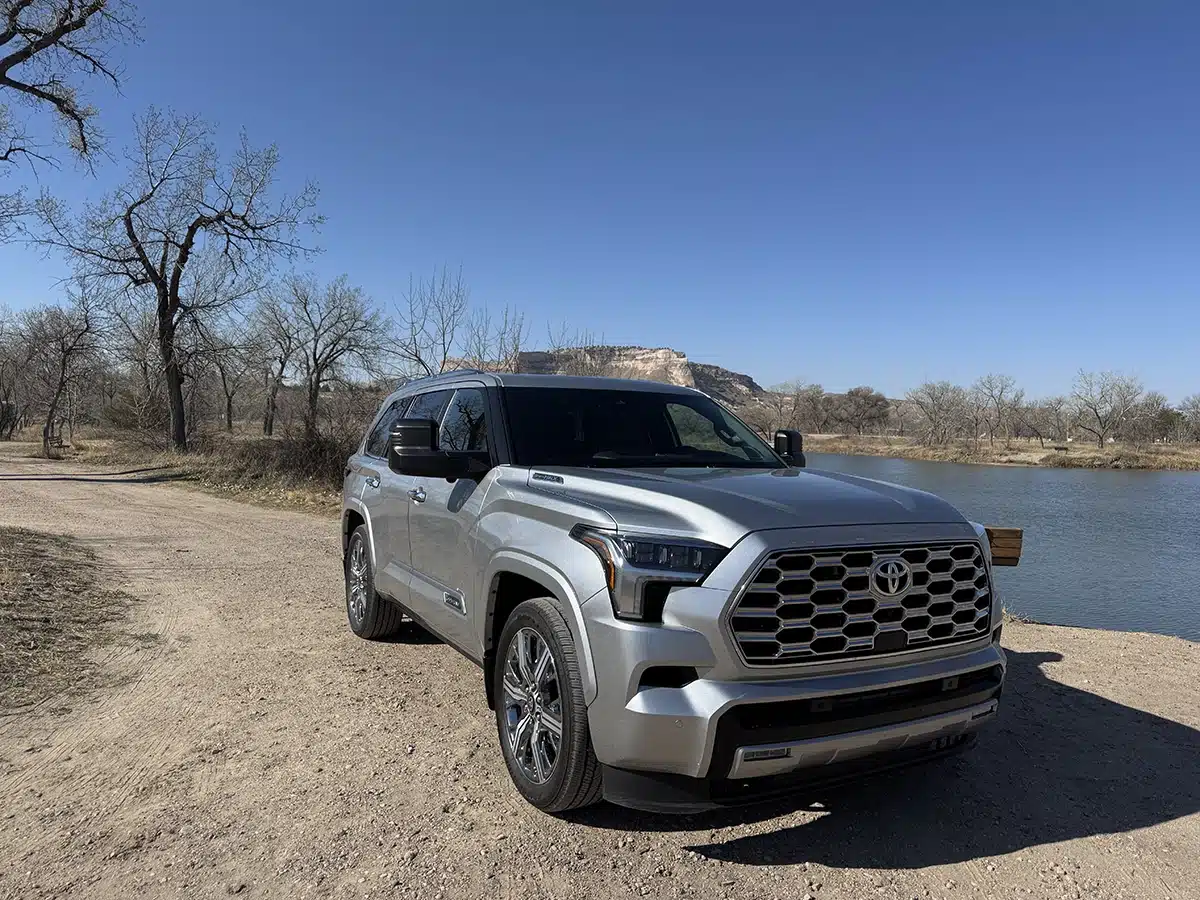
The 2026 Toyota Sequoia Capstone aims to blend hybrid power, premium comfort and full-size SUV capability, but a few key compromises could make buyers think twice.
Exterior Styling and First Impressions
The 2026 Toyota Sequoia Capstone makes a strong first impression, especially up front. The Celestial Gray exterior highlights a bold, upscale grille design unique to the Capstone trim, along with integrated fog lamps, parking sensors and auto-leveling headlights. Compared to its sibling, the Toyota Tundra, the Sequoia feels more cohesive and refined in its styling.
Large 22-inch aluminum wheels, chrome accents throughout, and available tow mirrors reinforce its premium and functional positioning. The addition of load-leveling rear air suspension enhances both capability and stance. Overall, Toyota nailed the exterior design.
Interior Comfort and Features
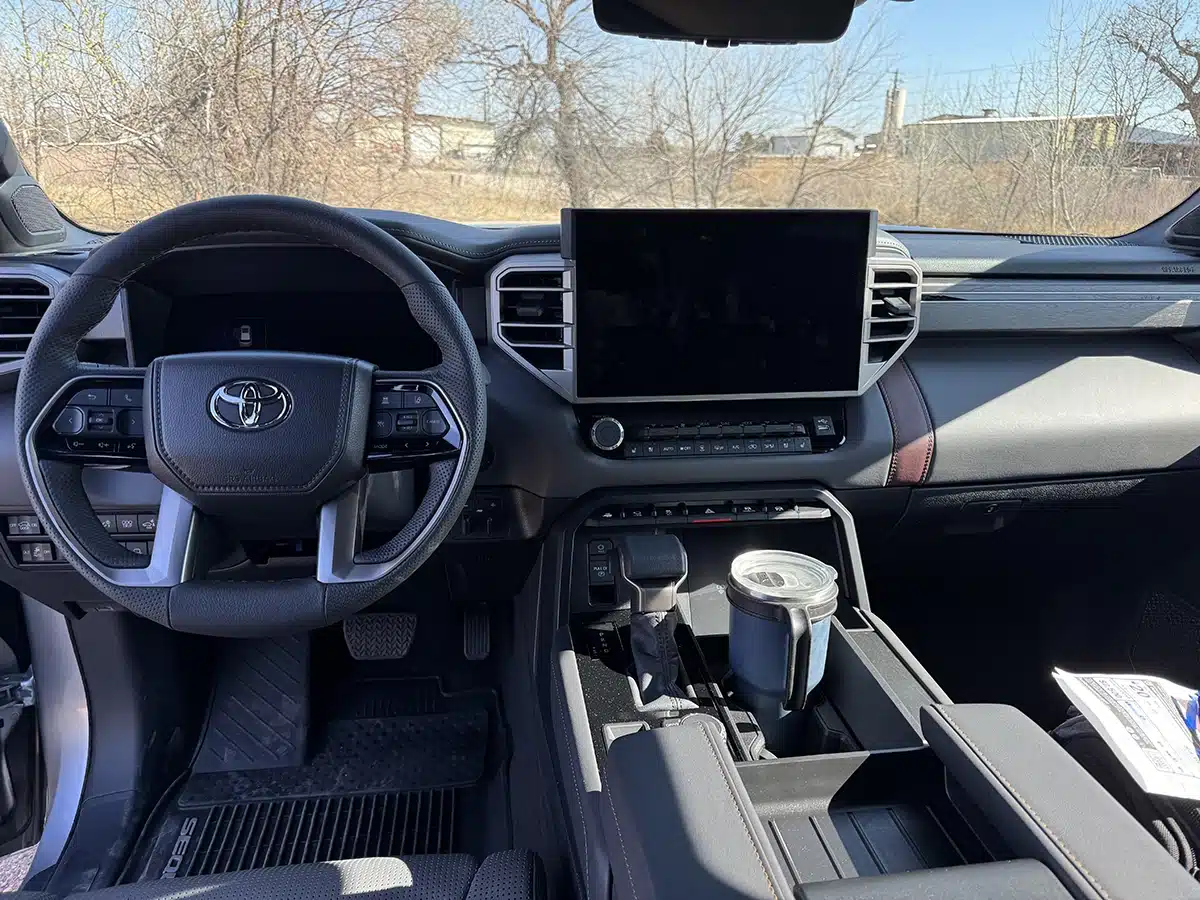
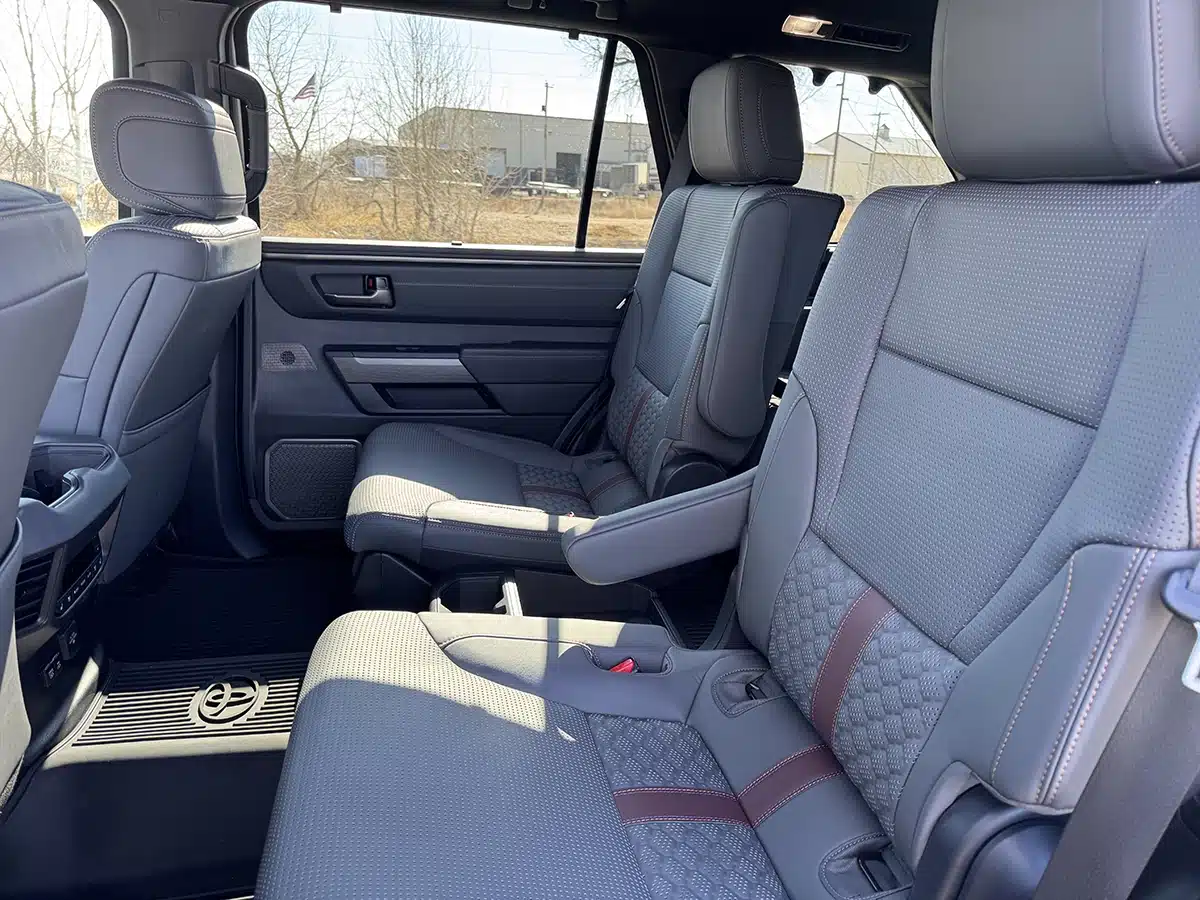
Inside, the Sequoia Capstone delivers a well-appointed cabin, particularly in the first and second rows. Heated and ventilated seats, a panoramic sunroof and quality materials elevate the experience. The second row stands out with excellent comfort, HVAC controls, USB ports and a spacious layout.
The front cabin includes thoughtful storage solutions, including a sliding center console and split armrest design. Technology is generally solid, though some features, like the seat massage controls, feel like afterthoughts, due to being added mid-cycle rather than designed in from the start.
One standout positive: physical controls for key functions like headlights remain unlike some competitors that bury them in menus (looking at you GM and Ford).
Powertrain and Driving Impressions
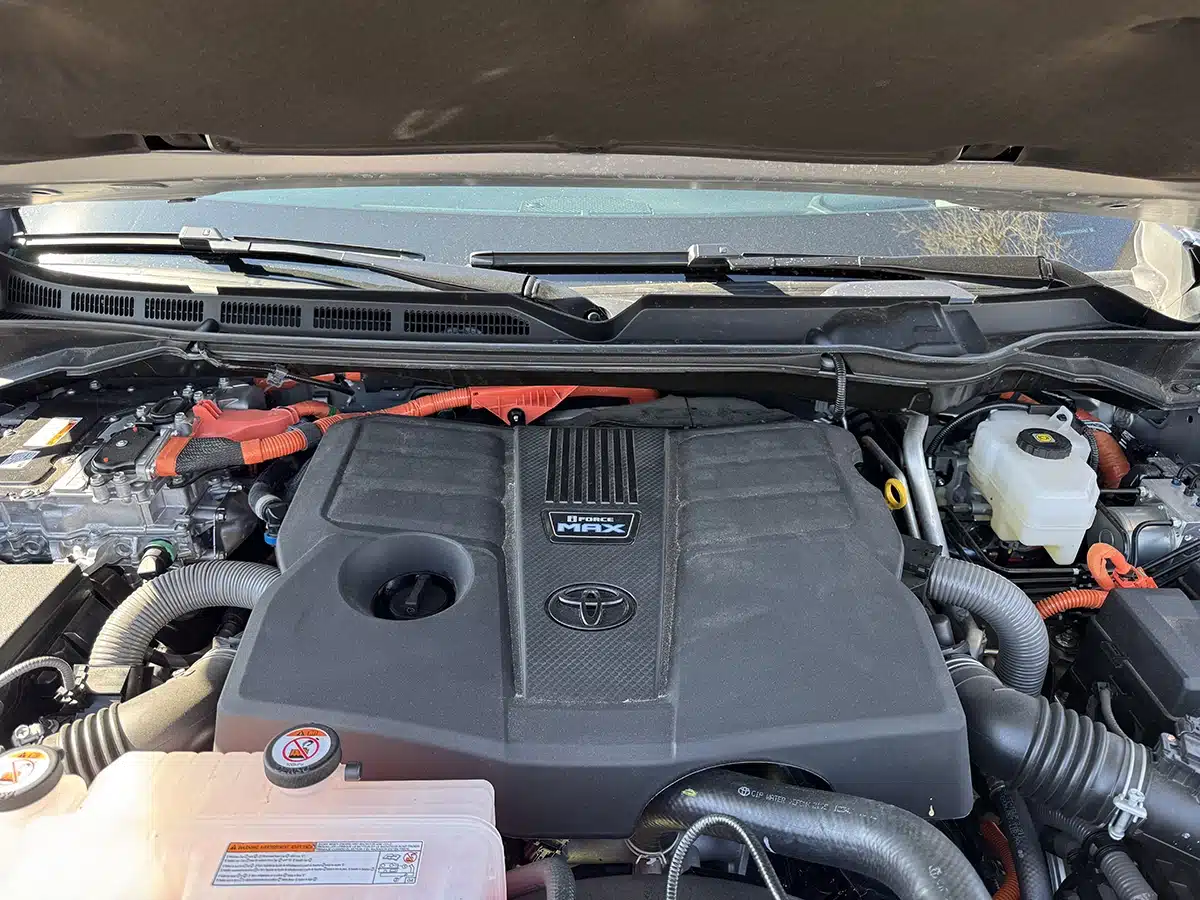
Under the hood, the i-FORCE MAX hybrid powertrain is the highlight. Producing 437 horsepower and 583 lb-ft of torque, it delivers strong acceleration both off the line and at highway speeds. In real-world driving, the Sequoia feels quicker and more responsive than many rivals.
Fuel economy is also respectable for a full-size three-row SUV, averaging around 19–20 mpg in mixed driving, right in line with EPA estimates. The hybrid system provides a clear advantage over traditional gas engines in both performance and efficiency.
On the road, the Sequoia feels smaller than it is. Body roll is well controlled, and long-distance comfort is excellent. It’s an easy vehicle to settle into for road trips.
Storage and Practicality Issues
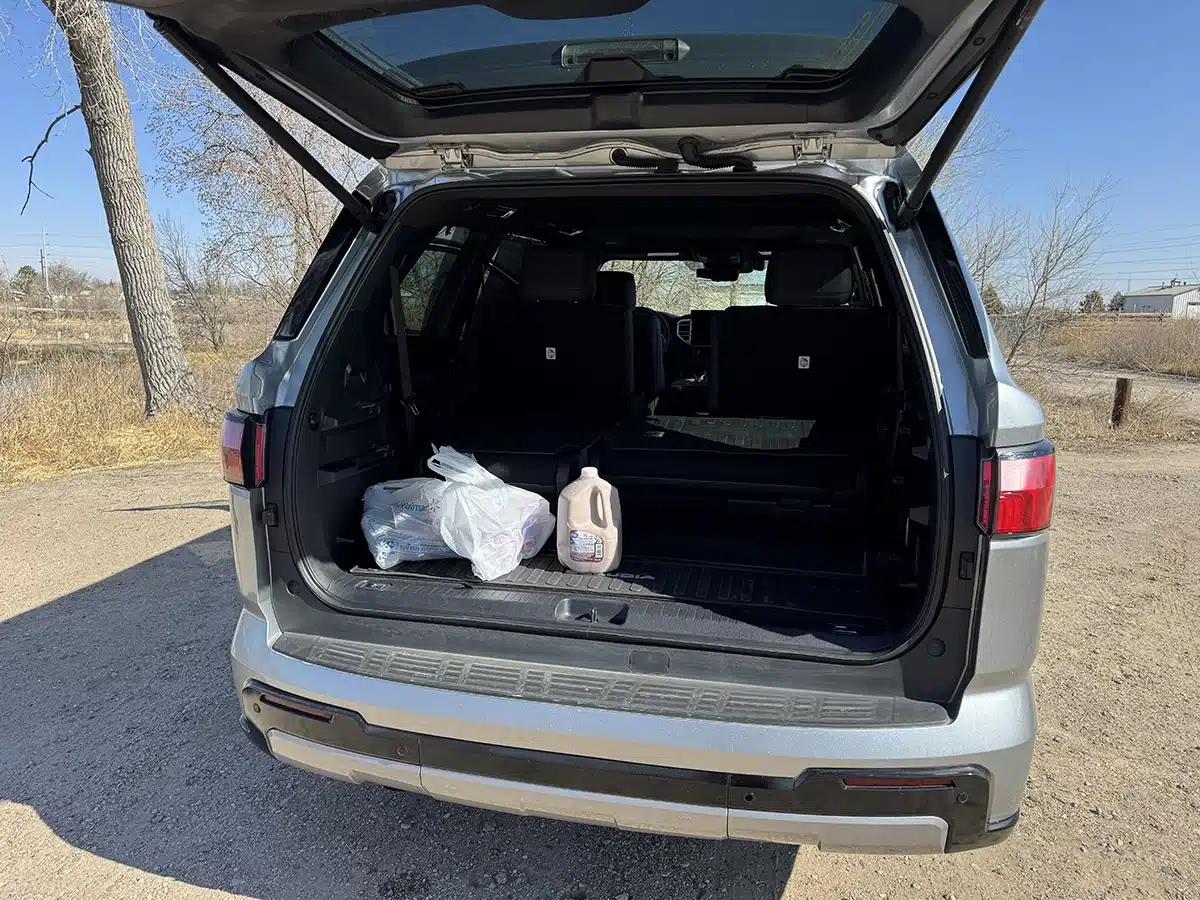
This is where the Sequoia falls short.
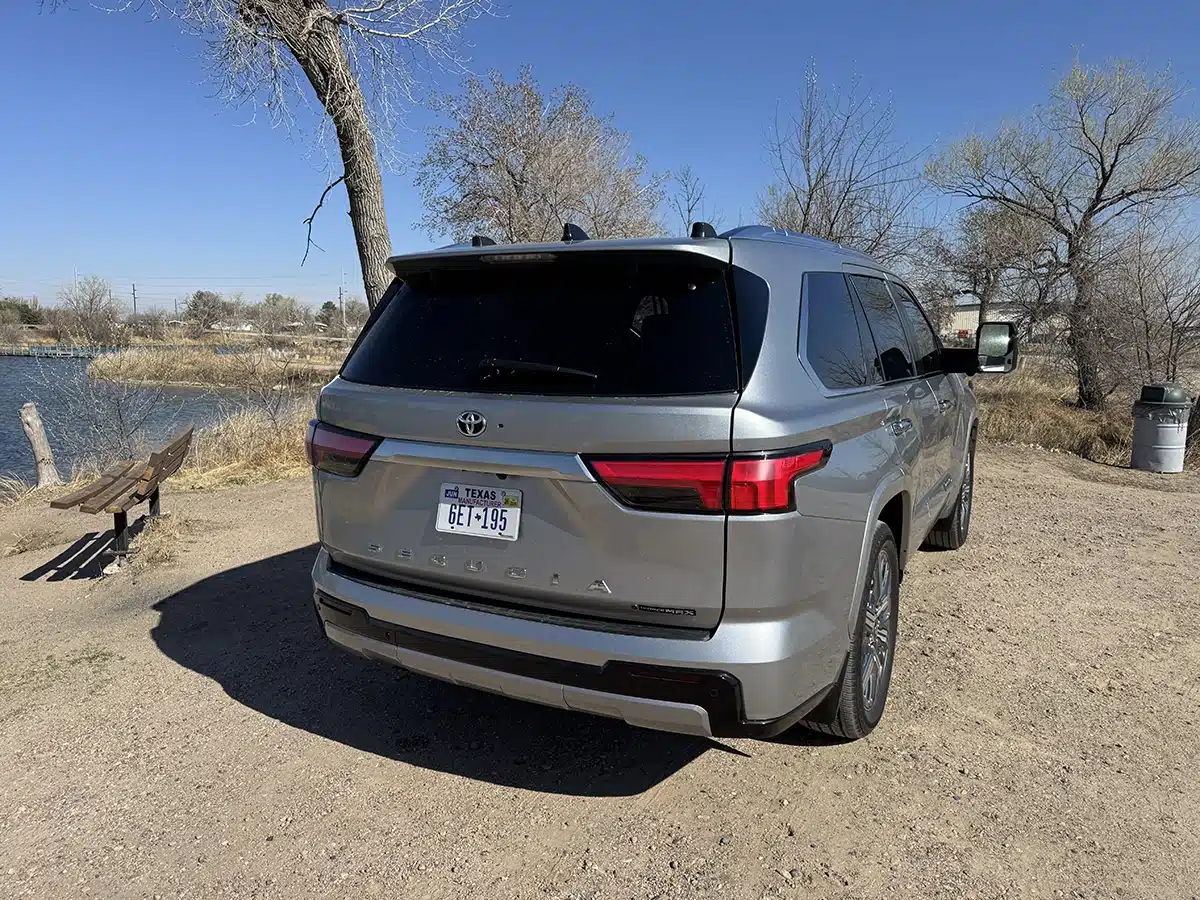
The rear cargo area is compromised by a multi-level (trifold-style) setup that reduces usable depth. Even with adjustments, the cargo floor lacks the vertical space needed for larger items. Everyday usability, like hauling groceries or luggage, feels more limited than expected in this segment.
Compared to rivals like the Chevrolet Tahoe, GMC Yukon, and Ford Expedition, the Sequoia simply doesn’t offer the same cargo flexibility. The third-row packaging and overall rear design are the biggest drawbacks of this generation.
Additionally, tow mirrors, while useful, introduce visibility challenges, especially around the A-pillar at intersections.
2026 Toyota Sequoia Capstone Competition and Final Verdict
The full-size SUV segment is extremely competitive right now especially among the leaders like the GM twins (Tahoe, Yukon) and the Ford Expedition. The Sequoia goes up against strong options with proven powertrains:
- GM’s Duramax diesel (excellent fuel economy, some current reliability concerns)
- GM’s 5.3L and 6.2L V8s (long track records, mixed recent issues)
- Ford’s 3.5L EcoBoost (proven turbocharged performance)
The Sequoia’s hybrid system stands out by offering better low-end power and everyday drivability than most competitors. It’s arguably the best powertrain in the segment for balanced performance and efficiency.
However, no vehicle in this class is without issues and the Sequoia’s cargo limitations are significant enough to influence buying decisions.