
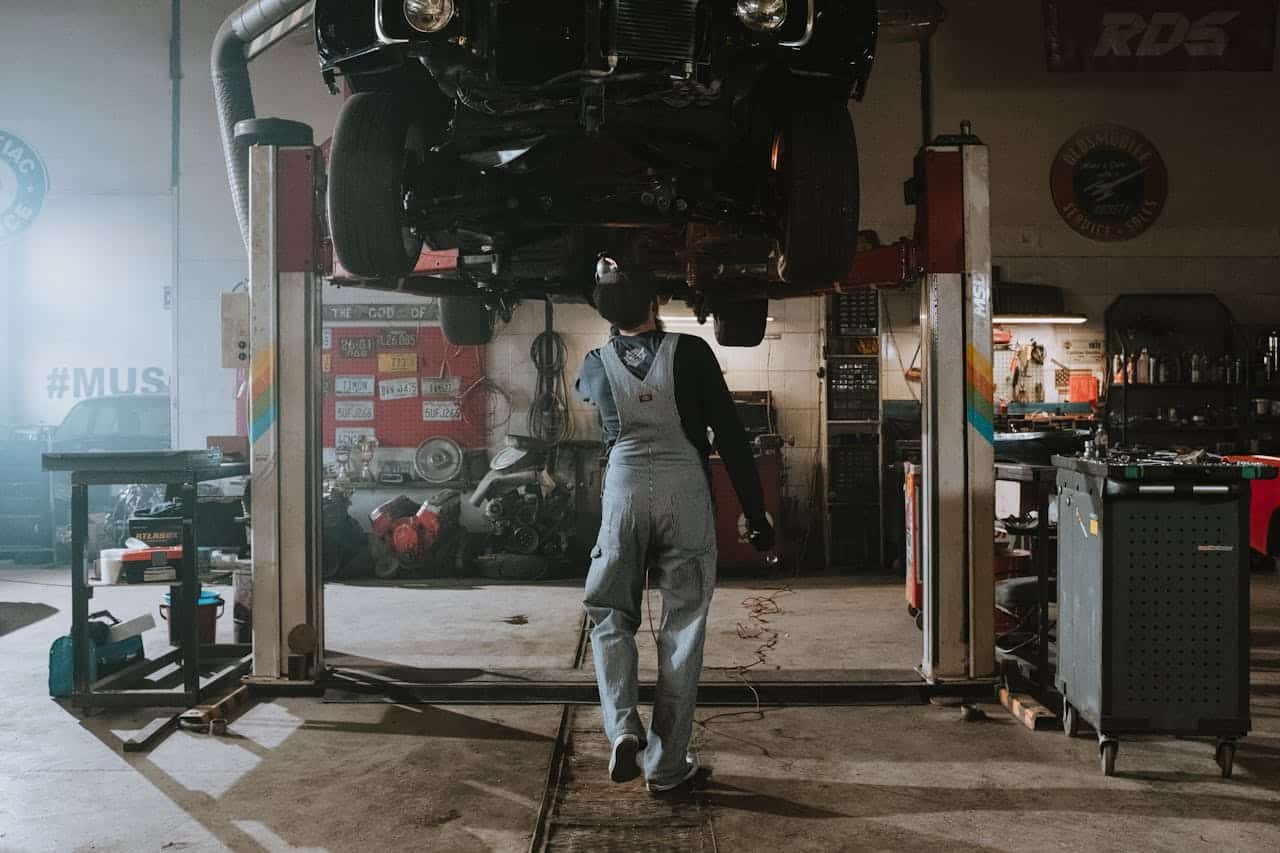
For all the changes in modern vehicle technology, one thing has not changed in serious truck repair: the best results usually come from accurate factory information, not guesswork. In the past, experienced mechanics could often solve problems through familiarity, visual inspection, and hands-on instinct.
This still matters today, but modern pickup trucks, medium-duty trucks, and heavy commercial vehicles now combine mechanical systems with layers of electronics, emissions controls, sensors, and software-driven logic. In that environment, even skilled technicians need precise documentation to work efficiently.
That is why OEM service manuals continue to play such an important role in truck repair shops, fleet maintenance departments, and independent diesel workshops.
Truck Repair Has Changed More Than People Realize
A modern truck is no longer just an engine, transmission, suspension, and wiring harness. Even routine repairs can involve:
- electronic control modules
- CAN communication networks
- sensor-based fault monitoring
- diesel aftertreatment systems
- manufacturer-specific repair procedures
- software-linked calibration steps
This is where many repair delays begin. The issue is not always the mechanical job itself; the challenge is knowing the exact order of diagnosis, the correct test values, the right connector locations, and the factory procedure that applies to that specific platform.
When a technician is working on a truck with drivability issues, intermittent electrical faults, emissions warnings, turbocharger problems, or transmission behavior that does not match the symptoms on paper, the correct service manual can save hours.
Why Documentation Matters More in Fleet Work
Fleet maintenance is different from occasional repair work. A truck that stays in the shop too long is not just a mechanical problem; it becomes an operational cost. That is why serious fleet workshops tend to value documentation so highly. Good service manuals help technicians move faster from symptom to system, and from system to root cause. Instead of replacing parts based on assumptions, technicians can verify:
- Wiring paths
- Sensor locations
- Harness pinouts
- Torque values
- Disassembly sequences
- Inspection points
- Manufacturer test procedures
In practical terms, this means less downtime, fewer repeat repairs, and a better chance of fixing the problem correctly the first time.
The Best Truck Shops Usually Follow Factory Process
One of the biggest differences between average repair work and professional repair work is process. Professional truck technicians follow a structured approach. They check system relationships, confirm specifications, compare actual readings to factory expectations, and use documentation to avoid unnecessary mistakes.
This is especially important on diesel trucks, where one symptom can point in several directions. A rough-running engine, poor boost response, or recurring fault code may involve fuel delivery, sensors, turbo components, electrical issues, or emissions-related systems.
Without factory-level information, even experienced mechanics can lose time chasing the wrong path. That is why many shops keep service documentation close at hand, even when they already know the platform well.
Where the Same Need Extends Beyond Trucks
Truck repair shops often overlap with other diesel and equipment work more than people think. The same workshop that handles commercial trucks may also see:
- Agricultural tractors
- Diesel-powered farm equipment
- Excavators
- Loaders
- Earth-moving equipment
- Industrial engines
- Construction machinery
The reason this crossover matters is simple: many of these machines now share the same kind of service complexity that truck technicians already deal with every day. Electronic controls, advanced diesel systems, diagnostic routines, hydraulic integration, and manufacturer-specific procedures are no longer limited to road vehicles. In other words, the discipline that makes a truck shop effective (accurate diagnosis supported by proper documentation) also applies to off-road and heavy equipment environments.
Accurate Manuals Help Bridge Mixed Equipment Work
Many independent repair businesses do not work on one category of machine only. A shop may handle pickups and work trucks one week, tractor repairs the next, and then move to an excavator or diesel engine service job after that.
That variety creates opportunity, but it also creates risk. Every manufacturer organizes systems differently. Connector locations, wiring colors, fault logic, service intervals, and mechanical procedures can vary significantly across brands and machine types. Having access to dependable documentation helps technicians stay efficient when moving between platforms.
For repair shops and technicians who work across trucks, diesel equipment, tractors, and heavy machinery, access to OEM workshop service manuals can make a major difference in repair accuracy and diagnostic speed. These resources help technicians locate factory procedures, wiring diagrams, specifications, and service instructions needed for professional maintenance and repair work.
Trucks Lead the Workflow, Equipment Follows the Same Logic
From an industry perspective, trucks remain the most natural starting point for this conversation. They are used daily, maintained under time pressure, and repaired in environments where downtime matters immediately. That makes truck service documentation especially valuable.
However, once that workflow is understood, the same logic extends naturally to tractors, construction equipment, and earth-moving machines. The names of the systems and the physical size of the machines may differ, but the core requirement stays the same: reliable repairs require reliable information.
That is true whether the technician is tracing a wiring issue in a commercial truck, checking hydraulic-related procedures on a loader, working through engine service steps on a tractor, or identifying component layouts in an excavator.
Good Information Is Still a Competitive Advantage
In an age where so much technical content is scattered, incomplete, or generic, access to proper manufacturer-level documentation remains a real advantage. The shops that solve problems faster are often the ones working from better information.
For truck specialists, fleet technicians, diesel mechanics, and mixed-equipment workshops, OEM service manuals remain one of the most practical tools in the repair process. They reduce guesswork, support consistency, and help professionals handle increasingly complex vehicles and machines with more confidence. As trucks and equipment continue to evolve, that advantage will only become more important.








