
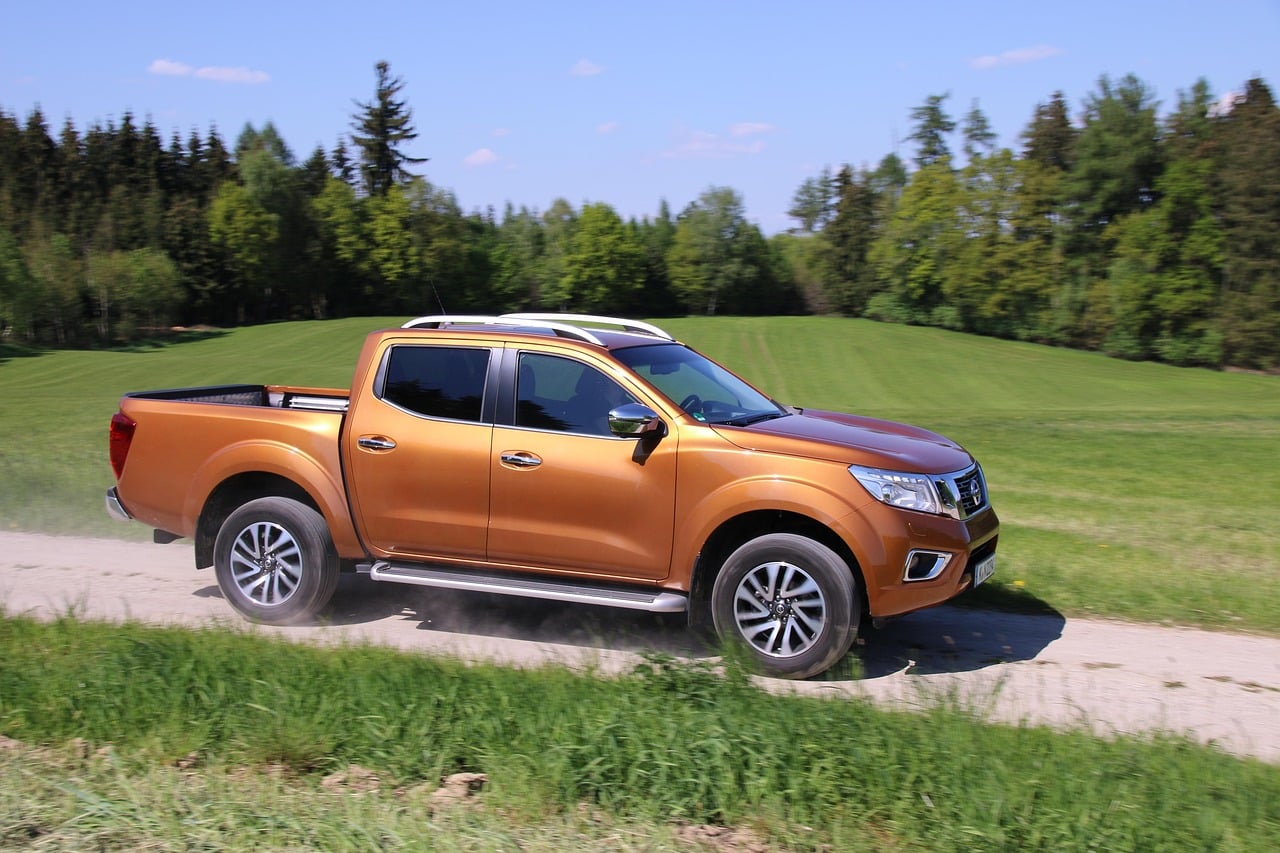
Pickup trucks are no longer engineered as isolated mechanical products. They are developed as integrated systems where software governs how hardware behaves. Power delivery, traction control, braking response, and even steering feel are now influenced by code as much as by physical components. This shift changes how performance is defined. It is no longer the question of engine output or towing power, but how cleverly these capabilities are managed in different conditions.
Control Layers Are Replacing Mechanical Certainty
Traditional trucks relied on predictable mechanical behavior. Modern trucks add layers of digital control that actively analyze and modify performance. Drive modes, adaptive suspensions, and terrain management systems do not merely assist the driver, they make decisions based on some predetermined parameters. This creates a more versatile vehicle, but it also means that performance is increasingly mediated. What the driver experiences is partially curated by software logic rather than direct mechanical response.
Diagnostics, Data, and Continuous Feedback
A significant change is the role of data. Trucks now generate and analyze operational data constantly. Engine health, fuel consumption, component wear, as well as driver behavior are all monitored and converted into actionable insights. This enables predictive maintenance and minimizes downtime for fleet operations.
For individual owners, it changes the ownership experience from reactive to informed. Even routine tasks are gradually being replaced by digital alerts and remote diagnostics. These days very few people put on raven black nitrile gloves to check fluid levels in a garage.
The Redefinition of Modification Culture
Software has also altered how enthusiasts interact with their trucks. Modifications are no longer restricted to lift kits or exhaust upgrades. Software modifications have taken over the process of tuning, optimizing throttle response, transmission mapping, and fuel economy.
However, this change comes with restrictions. Take the example of a deleted diesel truck. It is an older model of mechanical modification that conflicts with the tightly controlled software environments of newer vehicles. With manufacturers locking down systems, the equilibrium between customization and compliance becomes complex.
From Utility Vehicle to Lifestyle Platform
The digital layer has widened the purpose of pickup trucks beyond work. The modern lifestyle truck has become a versatile thanks to:
- Infotainment systems
- Driver-assist functionality
- Connectivity devices
It serves as a work-vehicle, a commuter, and a travel platform without making trade-offs between comfort and capability. This flexibility is made possible by software that can tailor the vehicle’s behavior to various situations instead of imposing a single purpose design.
Implications for the Next Decade
The incorporation of software in pickup trucks is not a passing fad. It is a long-term change in the design, maintenance, and utilization of vehicles. Manufacturers are gravitating toward architectures that enable over-the-air updates, expansion, and continuous improvement after purchase. This changes the relationship between buyer and machine. Ownership no longer means a fixed set of capabilities; it becomes an evolving system.
Endnote
Steel still defines the structure of a pickup truck, but software now defines its character. The trucks that succeed in the coming years will not only be durable and powerful. They will be adaptable, responsive, and more influenced by the code which operates under the surface.