
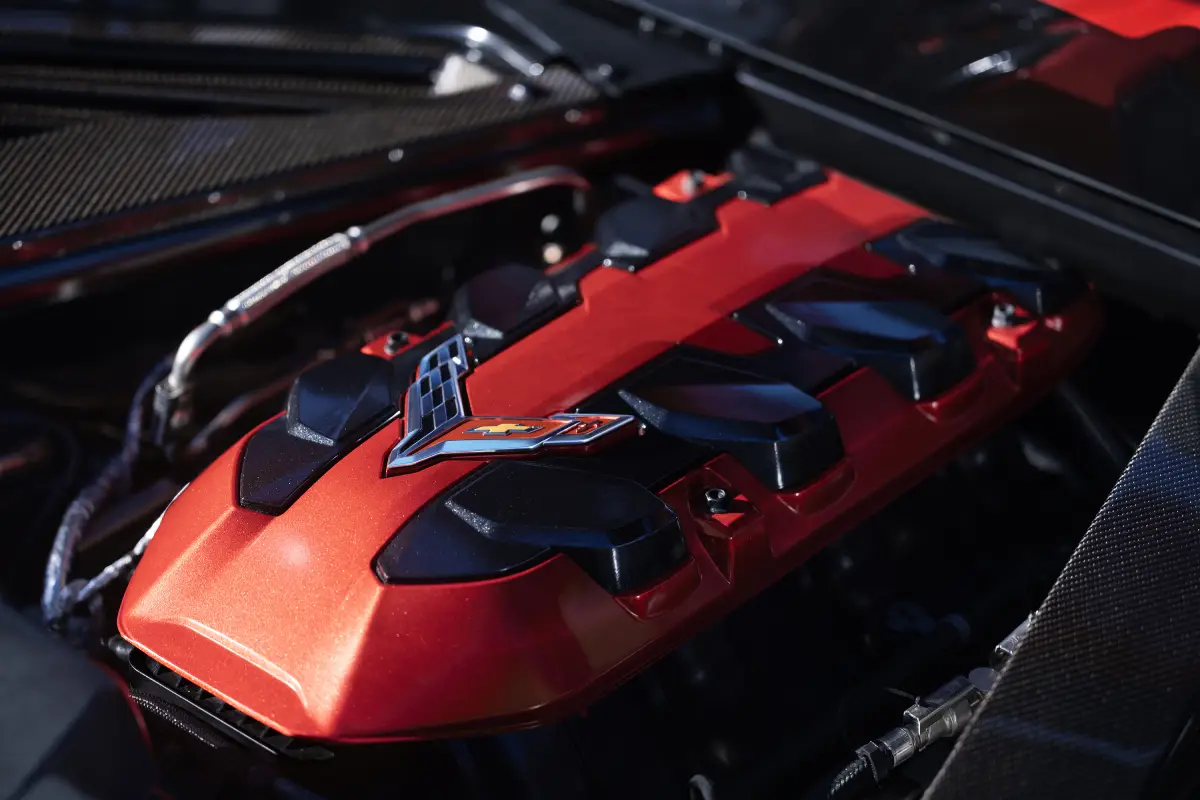
General Motors may not have said it outright, but if you’ve been around Chevy trucks long enough, you know how this game works. When the brand debuts its next-generation small block V8 in the Corvette, it usually doesn’t stay exclusive for long. The reveal of the new 6.7L LS6 V8 in the 2027 Corvette Grand Sport has me asking a very real question: Is this the future heart of the Chevy Silverado?
Let’s break it down, because there are some very familiar patterns here.
Corvette Has Always Been GM’s Engine Test Lab

If you want to understand where Silverado engines come from, you start with Corvette. That’s been the blueprint for decades. GM consistently uses the Corvette as a proving ground for new small block architectures, materials, and performance upgrades before adapting them for trucks.
Think about the LS family. The LS1 debuted in the Corvette back in the late 1990s, and before long, variations of that architecture showed up in Silverado and Sierra trucks. Same story with the LT engines. Corvette gets the spotlight, but trucks get the long-term application. It is less about exclusivity and more about validation under extreme conditions.
The new 6.7L LS6 follows that exact formula. GM is calling it the start of the sixth generation of small block V8s, which is a big deal. When GM says this Corvette engine is “launching the next generation of V8s,” truck buyers should absolutely be paying attention, because Silverado has historically been the biggest beneficiary of that trickle-down engineering.
In fact, Hot Rod has a full article outlining the history of Chevy’s V8s, while GM Authority has details showing the common architectures of the engines over time and the different applications of each.
The 6.7L LS6 Looks Suspiciously Truck-Ready
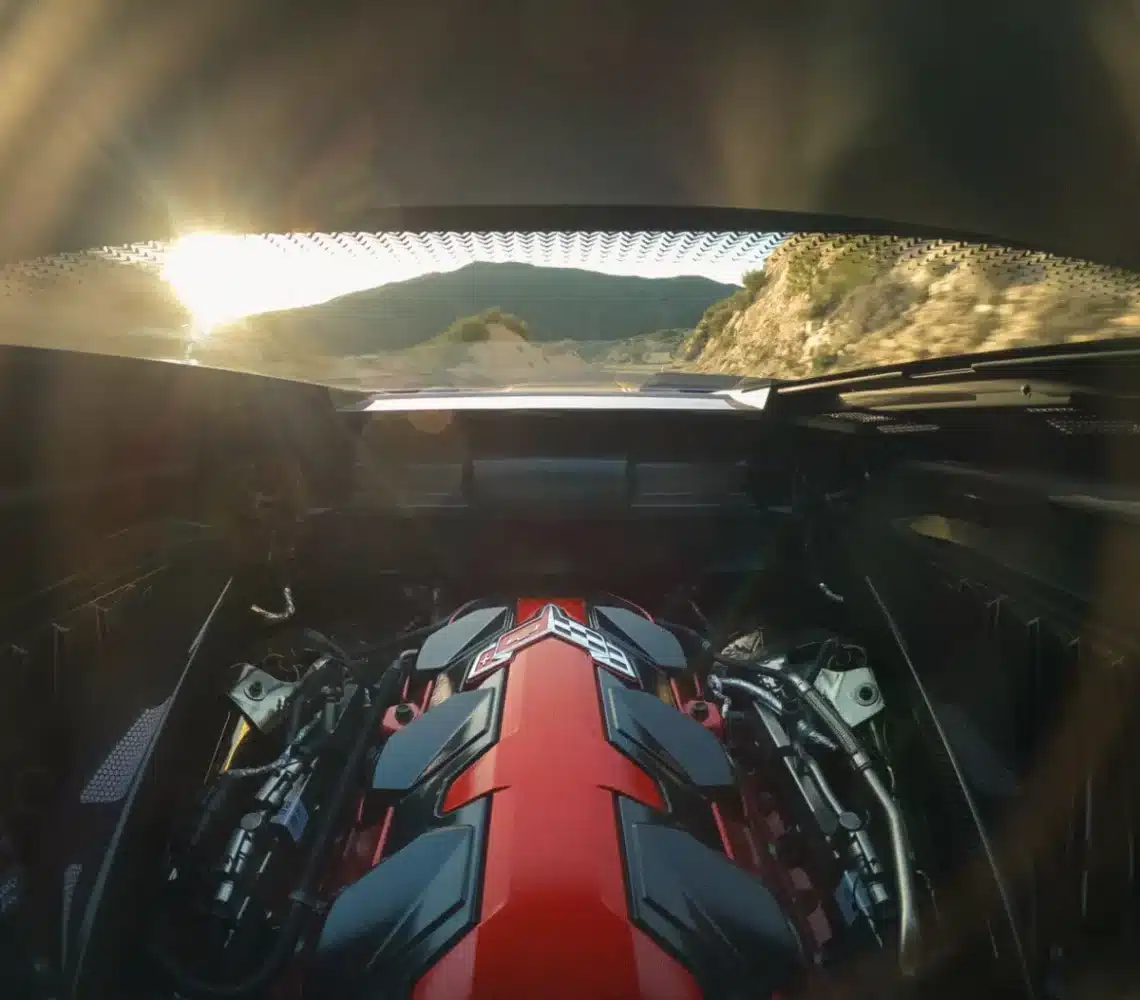
Let’s talk about the specs, because they matter here. The new LS6 displaces 6.7 liters, or 409 cubic inches, and delivers 535 horsepower and 520 lb-ft of torque. More importantly, it does that with a naturally aspirated setup, high compression, and a focus on durability under high load and heat.
That last part is key. GM specifically calls out a new lubrication system, forged internals, and improved exhaust flow designed for sustained high-temperature operation. That sounds a lot like truck duty. Towing, hauling, long grades in the summer, that is where trucks live, and those are exactly the conditions this engine is being engineered to handle.
Even the airflow improvements, including a larger throttle body and high-velocity intake design, suggest an engine built for broad power delivery, not just high-rpm performance. That is exactly what truck buyers want. Strong torque across the rev range matters far more than peak horsepower bragging rights when you have a trailer behind you.
Flint Assembly Is a Huge Clue

GM is building this engine at Flint Engine Operations in Michigan, and that detail should not be overlooked. Flint has deep roots in truck engine production, not just Corvette history. It has been a cornerstone for GM’s full-size truck powertrain manufacturing for decades. GM currently produces the 3.0L Turbo Diesel for the Chevrolet Silverado and Tahoe; GMC Sierra and Yukon at this facility. In 2023, GM announced a $1 billion investment into two of its Flint plants to handle the upcoming pickups and their engines, so the synergies are in place for cost-conscious production.
By choosing Flint for LS6 production, GM is positioning this engine for scale. Corvette volumes alone would not require that kind of production footprint. Silverado and Sierra volumes absolutely would. This is one of those quiet signals that tells you GM is thinking beyond sports cars.
There is also the historical symmetry here. GM is returning Corvette V8 production to Flint, where it all started in 1955. That is a nice heritage story on the surface, but from a truck perspective, it also aligns Corvette and Silverado development closer than ever from a manufacturing standpoint.
We have also reported on a massive $888 million investment at GM’s New York engine plant that should help scale production of this “next generation V8.”
Shared Architecture Has Always Benefited Silverado
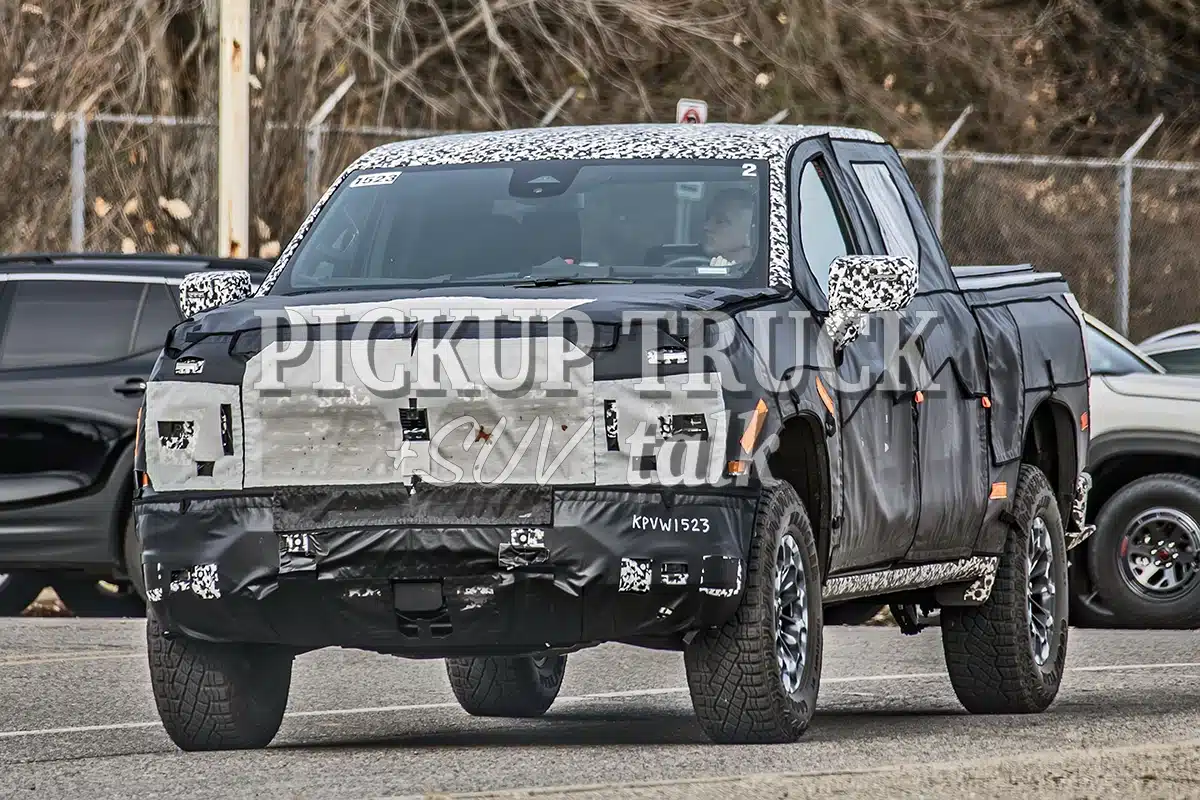
Silverado has long relied on Corvette-derived architecture, but adapted for real-world truck use. The LT2 in the C8 Corvette, for example, shares its DNA with the L87 6.2L V8 found in Silverado. They are not identical engines, but the core architecture and design philosophy are closely related.
That shared DNA allows GM to spread development costs while improving reliability and performance across multiple vehicle lines. Corvette pushes the limits, Silverado refines and applies those lessons in a different environment. It is a system that has worked extremely well for GM over multiple generations.
With the LS6 kicking off a new small block generation, it would be unusual if Silverado did not eventually receive a version of it. The displacement alone, 6.7L, would slot perfectly above the current (and soon-to-be-discontinued) 6.2L, potentially giving GM a new flagship gas engine for heavy-duty applications or high-end trims.
What We Know About the Corvette’s 6.7L

At the center of all this speculation is the new LS6 6.7L V8 itself, and on paper, it is a serious piece of hardware. Displacing 409 cubic inches, this naturally aspirated small block delivers 535 horsepower and 520 lb-ft of torque, making it the most powerful standard engine ever offered in a Corvette Stingray or Grand Sport. It also carries a high 13.0:1 compression ratio, signaling a focus on efficiency and sharp throttle response alongside raw output.
The engine brings a mix of old-school displacement and modern engineering. It features both direct and port fuel injection, a 95 mm throttle body, and a tunnel-ram intake with high-velocity ports designed to maximize airflow. Internally, GM reinforced the LS6 with forged pistons and rods, while a new high-capacity lubrication system was built to handle sustained high-load, high-temperature conditions.
GM’s positioning of this engine as the launch point for the sixth generation of small block V8s is not to be overlooked. That is not just a Corvette story; that is a company-wide strategy. When GM resets the small block architecture, it typically does so with scalability in mind, meaning this 6.7L is just the beginning of a broader family of engines that could eventually power everything from sports cars to full-size trucks.
Highlights:
- 6.7L (409 cubic inch) naturally aspirated LS6 V8
- 535 horsepower and 520 lb-ft of torque
- 13.0:1 compression ratio
- Aluminum block with cast-in iron cylinder liners (Gen 6 Small Block architecture)
- Direct and port fuel injection with Active Fuel Management
- 95 mm throttle body with tunnel-ram intake and high-velocity ports
- Forged pistons and connecting rods for added strength
- New high-capacity lubrication system for sustained high-load operation
- Revised exhaust manifolds for improved airflow and durability
- 6,600 rpm redline
- Assembled at GM’s Flint Engine Operations in Michigan
- Designed as the foundation for GM’s next-generation Small Block V8 family
What a Silverado Version Might Look Like
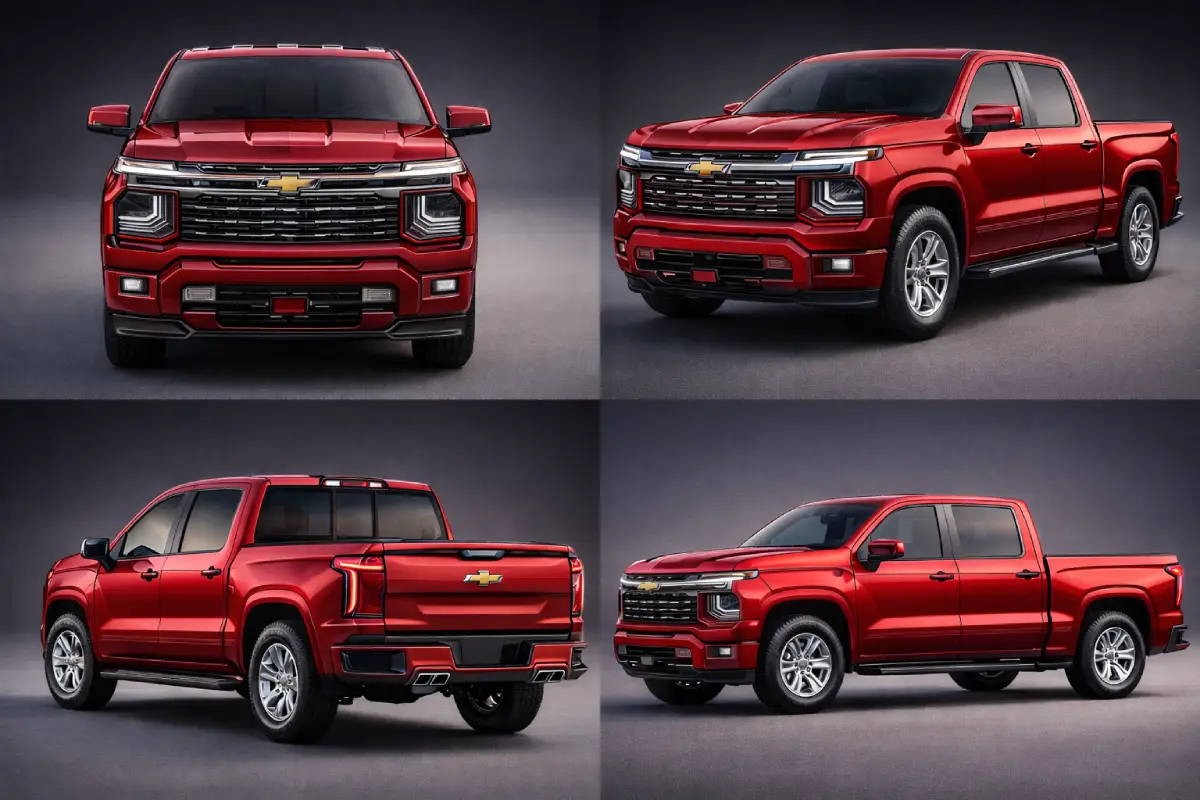
If this engine does make its way into Silverado, expect some key differences. Truck tuning would likely prioritize low-end torque, durability, and efficiency under load rather than peak output. That could mean revised cam profiles, different intake tuning, and possibly cylinder deactivation strategies optimized for towing scenarios.
You could also see this engine land first in premium trims like High Country or AT4X equivalents on the GMC side. GM has been steadily pushing its upscale trucks to the 6.2L engines as standard, and a larger displacement V8 with modern tech fits perfectly into that strategy. It would also help GM stay competitive as rivals continue to evolve their own V8 and turbocharged offerings.
The bigger question is timing. Corvette gets the engine first, but historically, it does not take long for that technology to migrate. Since Chevy claims this LS6 to be the foundation of GM’s next-gen V8 lineup, Silverado adoption feels like an imminent inevitability.
Final Thoughts
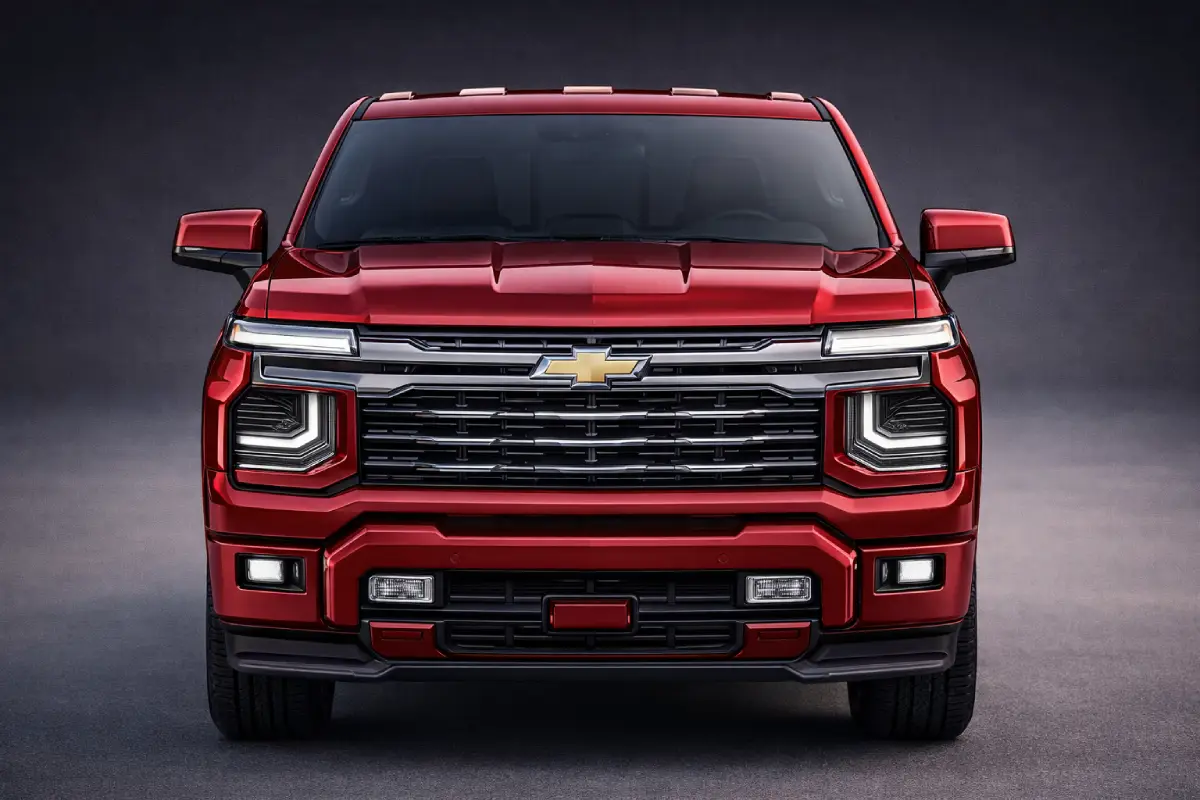
GM did not officially announce a new Silverado engine, but they might not have needed to. The reveal of the 6.7L LS6 in the Corvette Grand Sport checks all the boxes we have seen before when a future truck engine is hiding in plain sight.
Between the shared small block architecture, Flint production, and a clear focus on durability and torque, the writing is on the wall. Truck fans should be watching this engine closely, because there is a very good chance this “Corvette motor” ends up doing real work under the hood of a Silverado in the near future.








1 reply
Loading new replies...
Administrator
Well-known member
Join the full discussion at the Forum Pickuptrucktalk →