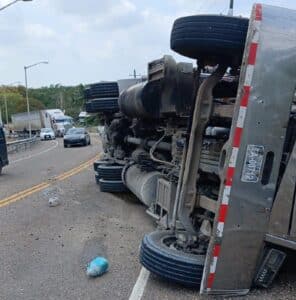
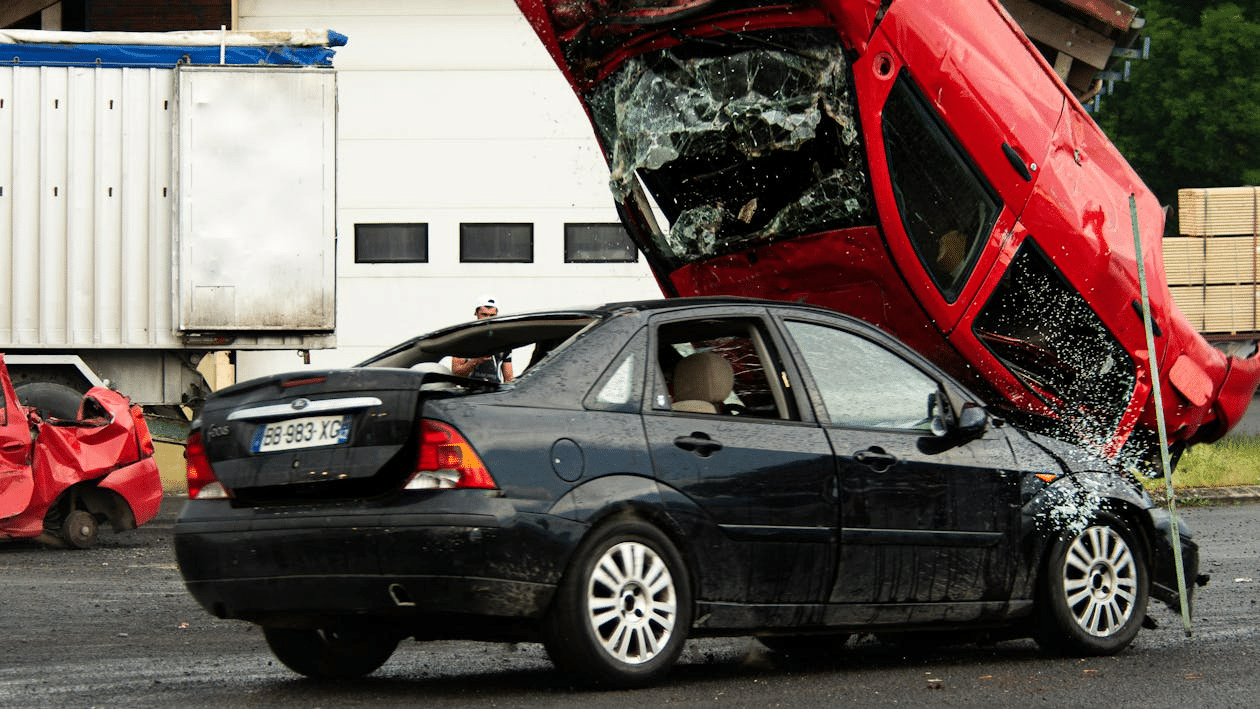
Most crashes look minor at the curb, yet the legal system does not judge them by dent size alone. A collision can become one of the serious road accidents courts and insurers treat differently once it involves significant injury, major property loss, or a death.
Legally, that distinction changes the stakes. Higher medical severity can expand damages in a civil claim, trigger closer scrutiny of fault, and prompt insurers to apply different coverage limits and investigation practices. If impairment, reckless driving, or fleeing is alleged, the same facts can also open the door to criminal charges that would never arise from a simple fender bender.
The scale of harm is not abstract. The National Highway Traffic Safety Administration tracks traffic fatalities and other outcomes, and its NHTSA traffic fatality data helps show how often fatal car accidents reshape lives and legal records.
What Makes a Road Accident Legally ‘Serious’
Not all accidents carry the same legal weight, and the distinction between a minor fender bender and a serious collision depends on several measurable factors. Injury severity sits at the top of this hierarchy—broken bones, traumatic brain injuries, spinal damage, or any condition requiring hospitalization elevates a crash into a different legal category.
Property damage also plays a role in classification. When vehicles are totaled or structural damage extends beyond the cars involved, insurers and courts apply heightened scrutiny to fault determinations and coverage questions.
Fatalities, however, represent the clearest threshold. Traffic fatalities transform civil disputes into potential criminal matters and often involve wrongful death claims with distinct procedural requirements.
This classification affects every stage of the legal process. Insurance claims face different investigation protocols, civil liability expands to include broader damage categories, and criminal charges become possible when conduct rises to the level of reckless driving or impaired operation. Resources found in Douglas R. Beam P.A. site outline the types of evidence and liability issues that tend to surface when a crash crosses into the “serious” category during insurance disputes, police investigations, and courtroom testimony.
Driving Behaviors That Lead to Severe Collisions
Distracted and Impaired Driving
Distracted driving often sits at the center of traffic crashes because attention is a driver’s first safety system. Phone use, in-car screens, and eating can support a negligence claim when records or witness accounts show the driver looked away at the wrong moment.
Impaired driving, on the other hand, includes drunk driving and drug-related impairment, and it carries a different legal weight. A DUI arrest can lead to license sanctions and criminal penalties, while the same conduct can strengthen civil liability by showing a clear breach of duty.
Investigators may rely on crash reports and field sobriety notes, toxicology results and body camera footage, as well as time-stamped calls, texts, or app activity.
Speeding and Aggressive Driving
Speeding increases impact energy, reduces stopping distance, and can turn a survivable hit into a catastrophic one. In liability disputes, higher speed can shift fault percentages, support punitive damages arguments in some jurisdictions, or elevate citations into reckless driving allegations.
Aggressive driving, however, is broader than speed alone. Tailgating, unsafe lane changes, and repeated signal violations can demonstrate a pattern of disregard, especially when dashcam video or telematics shows deliberate risk-taking. These behaviors connect directly to the negligence framework discussed later in this article.
Fatigue and Road Rage
Driver fatigue is easy to miss because it rarely leaves a simple test result. Still, drowsy driving can be proven through work schedules, trip timelines, and post-crash statements. It can support negligence when rest breaks were ignored, and insurers often flag it early in their investigations.
Road rage, by contrast, usually describes intentional hostility rather than mere impatience. When threats, chasing, or purposeful contact appears, prosecutors and insurers may treat it as reckless driving or even assaultive conduct, affecting both coverage decisions and potential criminal exposure.
How Driver Negligence Shapes Legal Outcomes
Driver negligence is a legal finding, not a moral label. In most civil traffic cases, courts and insurers ask whether a driver owed a duty of reasonable care, breached that duty, caused the collision, and produced measurable damages.
The behaviors examined earlier—distraction, impairment, speeding, and fatigue—often map directly onto that framework. Each can serve as evidence of breach, while skid marks, phone logs, toxicology, or dashcam footage can help connect breach to causation.
Conditions also matter because “reasonable care” changes with circumstances. Heavy rain, glare, ice, construction zones, or poor lighting can support negligence if a driver failed to slow, increase following distance, or use headlights. Yet the same factors can also explain why a crash occurred without reckless conduct.
Many states apply comparative negligence, which assigns percentages of fault to each party. A claimant found partly responsible—for unsafe lane changes or not wearing a seat belt where relevant—may see damages reduced or barred under stricter rules.
Negligence findings flow into civil liability in serious cases, determining who pays, what insurance applies, and which damages are recoverable. For larger vehicles and commercial policies, related issues often appear in discussions of understanding liability after truck collisions, where evidence and fault allocation can shape settlement value and trial risk.
Legal Consequences Drivers May Face After Serious Crashes

Serious crashes can launch parallel civil and criminal processes at once. Investigators, insurers, and attorneys often start preserving evidence quickly because early statements can shape later findings of fault.
On the civil side, drivers may face personal injury claims and property damage demands. In traffic fatalities, families may bring wrongful death suits under state rules, and damages discussions can cover medical bills, lost income, and non-economic losses depending on local law.
Greater injury severity usually increases complexity. Parties may request more records, use crash reconstruction, and retain medical experts to address causation, long-term impairment, and disputed future costs.
Criminal exposure focuses on conduct leading up to impact. Common allegations include DUI tied to impairment testing and officer observations, reckless driving based on speed, lane behavior, or aggressive acts, and vehicular manslaughter or similar charges when prosecutors attribute a death to driving behavior.
If losses exceed policy limits, claimants may compete for funds, and coverage disputes can shift into separate litigation under state-specific rules. Insurance decisions also tighten in high-loss cases, as carriers may apply policy limits early, issue reservation-of-rights letters, and scrutinize exclusions.
Timelines often extend in both court systems, which is why understanding legal protection and safety measures becomes particularly relevant for drivers facing these circumstances.
What Drivers Should Remember About Serious Accidents
Serious crashes carry a different legal weight than minor collisions because the harm can expand damages, trigger deeper fault analysis, and sometimes intersect with criminal allegations. The same impact that sends someone to the hospital can also change how insurers investigate, reserve coverage positions, and document the record.
Understanding driver negligence helps clarify legal exposure after a severe wreck. Liability questions still turn on duty, breach, causation, and damages, but the evidence tends to be sharper and the consequences wider when injuries are lasting or a death occurs.
Comparative fault rules can also reduce recovery when multiple driving choices contributed. Afterward, legal guidance can help interpret reports, preserve documentation, and keep timelines and statements consistent with the facts already established.