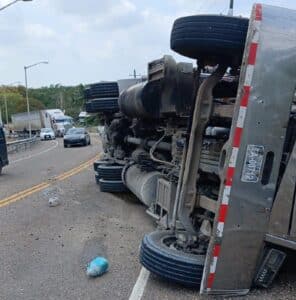
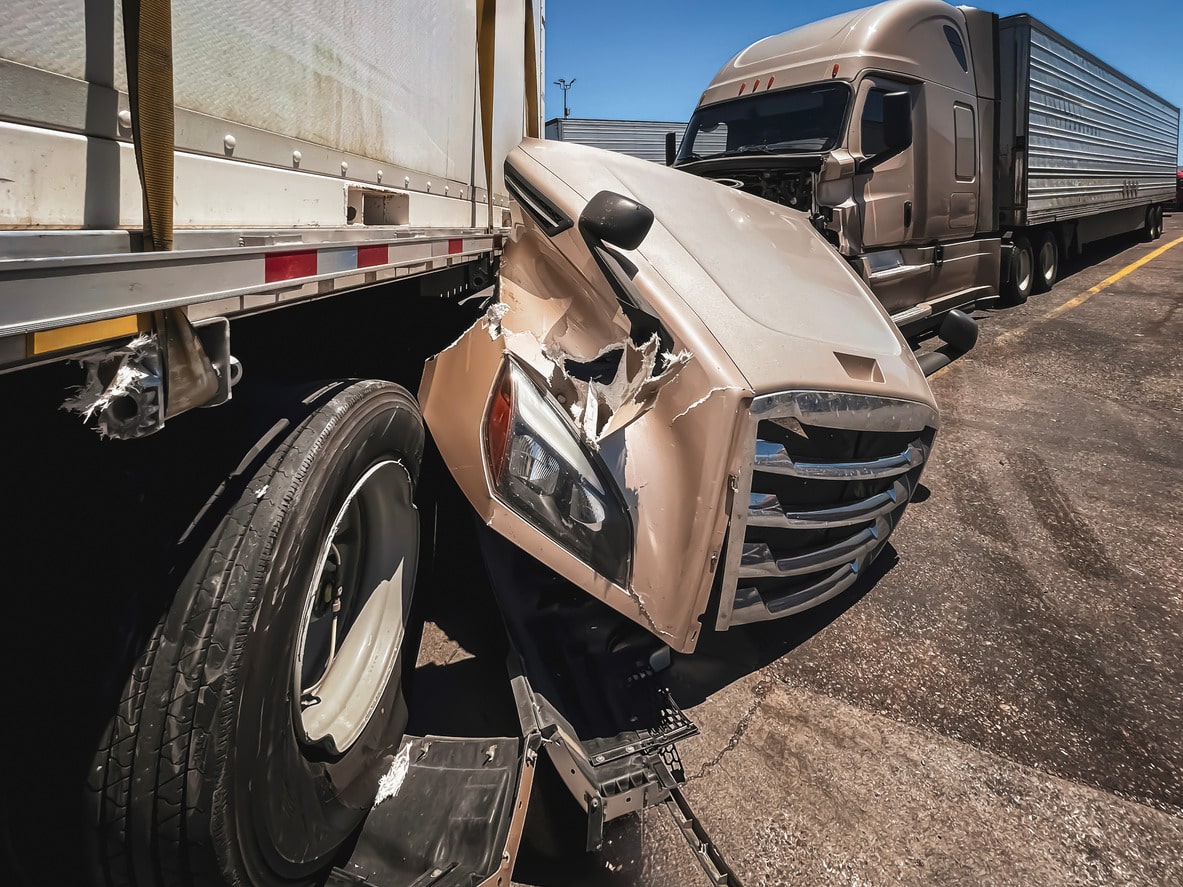
If you’re in Florida and there’s a crash involving a semi truck and a pickup, you’re looking at a whole different ballgame compared to a typical car accident. Liability can stretch way past just the truck driver—think motor carriers, cargo handlers, manufacturers, and sometimes even more. That means your claim could get tangled up with several companies and a mix of state and federal rules. Let’s break down how these legal differences shape who’s on the hook, what evidence matters, and what sort of compensation you might actually see.
I’ll cover why the bigger insurance minimums, federal trucking rules, and stuff like electronic driving logs aren’t just technicalities—they can make or break your case. Not sure where to start after a crash? Florida semi‑truck crash attorneys can help you sort out your options.
Key Liability Differences Between Semi Truck and Pickup Accidents in Florida
Collisions with semi trucks usually mean more people and companies could be responsible, higher insurance requirements, and a maze of both state and federal rules that shape how fault is decided and what evidence gets saved. Pickup accidents? Those are usually simpler—just the driver and their insurer. But with trucks, you might have to deal with carriers, cargo handlers, manufacturers, and brokers all at once.
Multiple Liable Parties: Drivers, Companies, and Third Parties
Big commercial vehicles open the door to a lot of possible defendants. The driver might be at fault, but the company that owns the truck—or even the one that hired the driver—could be on the hook for things like bad training or supervision. Leasing outfits, brokers, and cargo loaders can all get pulled in if something about the truck’s ownership or the way the cargo was loaded played a role in the crash.
Sometimes, it’s the manufacturer or whoever last worked on the truck that shares blame—say, if a faulty brake or a botched repair caused the accident. Even cities or road contractors can get sued if lousy signage or road work contributed to an injury or death. It’s not unusual for plaintiffs to name several defendants, just to cover all bases and match each party’s share of the blame.
A good Florida truck accident attorney will jump on identifying everyone who might be liable, fast—otherwise, crucial stuff like driver logs, black box data, maintenance records, or cargo paperwork could disappear. Commercial records don’t stick around forever, and insurers will fight tooth and nail to keep you from getting your hands on them.
Comparative Negligence and How Fault Is Assigned
Florida uses a modified comparative negligence rule for personal injury and wrongful death cases from vehicle crashes. Basically, if you’re found 50% or more at fault, you’re out of luck—no recovery. If it’s less than that, you can still get compensation, but it’ll be reduced by your percentage of fault.
With more than one defendant, the court or jury splits up the blame, giving each party a percentage. That math directly affects how much money you can actually collect. For instance, if you’re 20% at fault and your damages total $200,000, you’d only get $160,000.
Figuring out exactly who’s to blame in a truck case takes some serious digging—think driver logs, hours-of-service compliance, black box records, maintenance schedules, and maybe even video or eyewitness accounts. Truck accident lawyers often bring in a reconstruction professional and dig through supply-chain docs to pin down fault as precisely as possible.
Commercial Insurance Requirements and Coverage Limits
Here’s where things get really different: commercial trucks have to carry much higher liability insurance than your average pickup. Federal law sets minimums at $750,000 for most interstate trucks, but it can jump to $1 million or even $5 million for hazardous materials. The exact amount depends on the type of truck, where it’s driving, and what it’s hauling.
Pickups? They usually just have personal auto policies, which are way lower. In truck accident cases, there might be several insurance policies in play—primary, umbrella, excess, and sometimes employer or leasing company coverage. The insurance companies for these carriers aren’t exactly eager to pay out, either.
If you’re a victim, it’s crucial to find every possible policy early on. A seasoned truck accident attorney can send out preservation letters and subpoenas to uncover all the coverage, and then negotiate—or fight—against multiple insurers to get you the most for medical bills, lost wages, pain and suffering, or even wrongful death.
Critical Factors Impacting Semi Truck Accident Liability
Liability in a crash between a semi and a pickup—it’s complicated. The outcome depends on regulations, employer responsibility, exactly what went wrong, how evidence is gathered, and how damages are calculated. All of these shape who pays, how much, and what you’ll need to prove in a Florida claim.
Federal and State Regulations: FMCSA and Safety Standards
Federal Motor Carrier Safety Administration (FMCSA) rules, along with Florida laws, set the ground rules for drivers and trucking companies. Some of the biggies: hours-of-service limits, driver qualification files, inspection records, and regular maintenance. Electronic logging devices (ELDs) and “black boxes” track driving hours, speed, braking, and can reveal rule violations or signs of driver fatigue.
Companies also have to stay within weight limits and follow strict cargo securement rules. If there’s proof of hours-of-service violations, missing maintenance, or faked logs, that’s strong evidence of negligence. Florida courts weigh these federal rule breaches right alongside state negligence law when deciding who’s at fault and how much they owe.
Employer Responsibility: Vicarious Liability and Respondeat Superior
Trucking companies often end up responsible for what their drivers do on the job, thanks to a legal idea called respondeat superior. If a driver was hauling for a carrier at the time of the crash, the company can be on the hook for injuries or property damage—even if they didn’t directly do anything wrong themselves.
But it goes further: carriers can also be liable for hiring the wrong people, keeping bad drivers, lousy supervision, or not maintaining their trucks. If they hired someone with a sketchy record, ignored failed drug tests, or didn’t enforce ELD rules, that’s on them. And when there are multiple parties at fault—driver, carrier, subcontractor, manufacturer—it gets messy, with carriers usually carrying the biggest insurance exposure.
Negligence Types: Driver Error, Vehicle Maintenance, and Hiring Practices
Driver mistakes—like distracted driving, speeding, bad lane changes, or driving while exhausted—are classic causes of liability. ELD and black box data can be gold mines for showing if a driver was distracted or too tired, by matching up driving patterns with hours-of-service logs. If it’s a mechanical issue—bad brakes, blown tires, lost steering—then maintenance or manufacturing could be to blame.
Negligent hiring happens when trucking companies put unsafe drivers behind the wheel. If they skip background or driving record checks, blow off drug screens, or let trucks go without needed service, that’s asking for trouble. Sometimes it’s not even human error—if a defective part fails and causes a crash, the manufacturer could be liable. Accident reconstructions and maintenance records help untangle what really happened.
Evidence and Damages in Truck Accident Claims
Hanging onto both digital and physical evidence right away? That’s absolutely crucial. Investigators usually dig into ELD files, event data recorder exports, driver logs, dispatch records, maintenance logs, and whatever cargo manifests are floating around. In cases involving heavy-duty pickups or commercial vehicles like the 2025 Ram 1500 RHO, mechanical data and onboard systems can play an even bigger role in reconstructing what happened. Then you’ve got witness statements, police reports, highway camera footage—these bits help fill in the bigger picture. Forensic teams might get hands-on with brake marks, crush analysis, and “black box” data to piece together what really happened and how fast things were moving.
When it comes to damages, there are a few buckets. Economic losses—stuff like medical bills, lost wages, and whatever future care might cost—are pretty straightforward. Then there are non-economic losses: pain and suffering, emotional distress, even loss of consortium (which, honestly, is one of those legal terms that just means losing a loved one’s company). In some cases, if there’s evidence of willful rule-breaking, punitive damages might be on the table. Proving future economic needs? That usually calls for medical authorities and maybe a vocational analyst or two. Non-economic awards, on the other hand, lean on documented pain, changes in daily life, and, sometimes, gut-wrenching testimony about what folks are actually going through.