
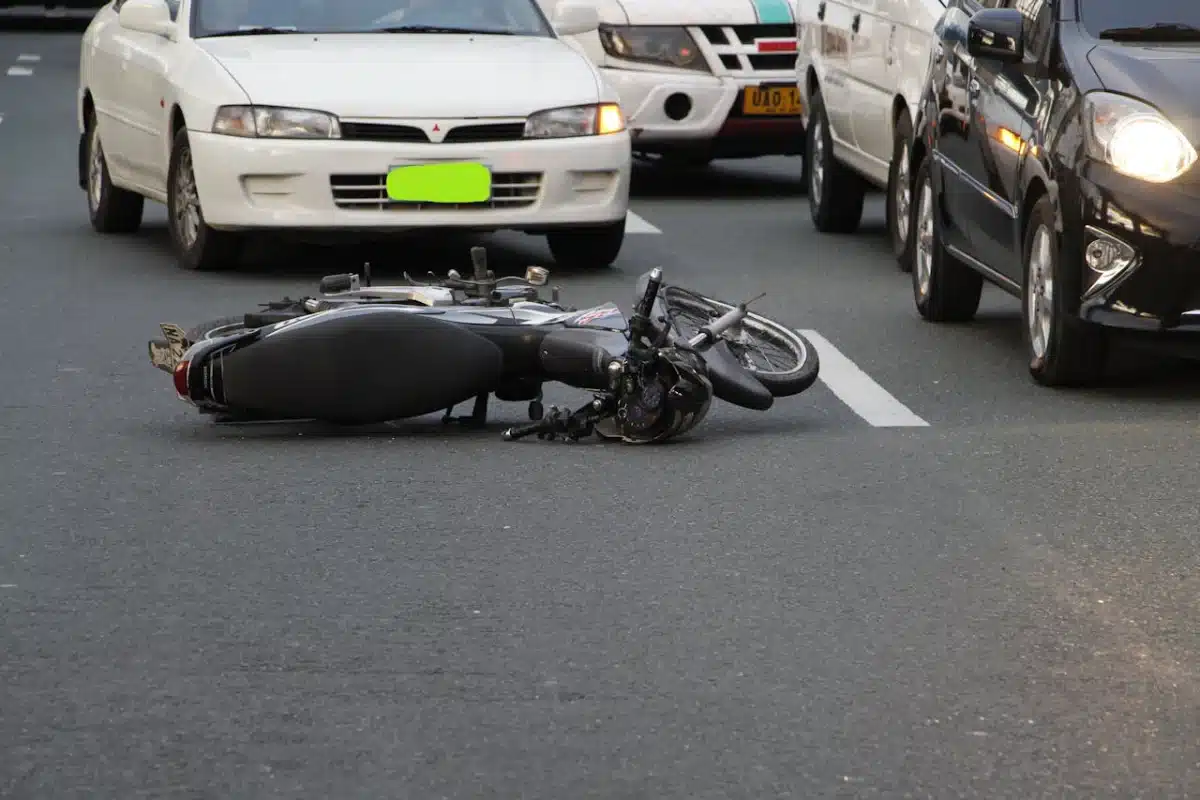
Accidents involving motorcycles and cars might share the same roads, but the associated risks for each are very different. Both types of crashes can result in serious injuries and even fatalities; however, motorcyclists face unique risks that make their accidents particularly severe. Whether you drive or ride, you should understand how and why these risks differ. Use this knowledge to make roads safer for everyone.
Lack of Physical Protection
One of the most substantial differences between cars and motorcycles is the level of physical protection they provide. Motorcycles have far less protection than passenger vehicles, which is a key reason motorcycle accidents are more likely to result in severe or fatal injuries than car accidents.
Cars are designed with multiple safety features, including airbags, seat belts, crumple zones, and reinforced frames. All these features help absorb impact, reducing the occurrence and severity of injuries in a collision.
In contrast, motorcycles provide virtually no external protection. If you’re a rider, you’re fully exposed and dependent primarily on protective clothing and a helmet. Even at a relatively low speed, being involved in a motorcycle crash runs the risk of injuries ranging from broken bones and spinal cord damage to traumatic brain injuries and internal organ damage.
Visibility and Awareness Issues
If you drive a passenger vehicle, you’re usually watching out for cars, trucks, and SUVs of the same size as your own. Motorcycles are smaller, making them less visible and increasing their risk of collisions. Drivers might fail to notice motorcycles merging into traffic, turning at intersections, or changing lanes. This phenomenon, commonly known as “looked but failed to see,” is a major cause of motorcycle crashes.
Car accidents commonly happen because of distracted driving, but a motorcyclist can suffer catastrophic consequences if a driver’s attention has even a momentary lapse. Left-turn accidents are especially common and dangerous when a passenger vehicle makes a turn into the path of an oncoming motorcycle.
Road Hazards Affect Motorcycles More
Road conditions impact cars and motorcycles differently. Loose gravel, uneven pavement, potholes, oil slicks, or wet leaves can be a minor inconvenience if you’re behind the wheel but make you lose control if you’re a rider. Inclement weather can also affect motorcyclists more, given their traction and balance requirements; cars have a lower center of gravity and four wheels, which provide greater stability and handling in hazardous conditions.
Speed, Impact, and Injury Severity
Speeding increases accident risks for all vehicles, but the consequences can be more severe for motorcyclists. The force of impact is directly transferred to a rider’s body without the protective structure of a car. Helmets significantly reduce the risk of a fatal head injury, but they can’t eliminate the vulnerability inherent to riding.
Legal and Financial Consequences
Since motorcycle accident injuries tend to be more severe, they can result in longer recovery times, higher medical bills, and extended time off from work. Complex insurance and legal issues make determining fault a complicated process compared to car accidents, where liability scenarios are typically clearer.
Promoting Safety for Everyone
Motorcycle accidents are far too common. In Fremont, California alone there were 54 accidents resulting in injury or death in 2023. Reducing the risks of car and motorcycle accidents requires shared responsibility. If you drive a vehicle, you can help by avoiding distractions, maintaining safe following distances, and actively looking for motorcycles. Conversely, if you’re a motorcyclist, ride defensively, follow traffic laws, and wear proper protective gear. Knowing the unique risks that motorcyclists face is a vital step toward safer roads. With mutual respect and greater awareness between riders and drivers, everyone can help prevent many accidents.








