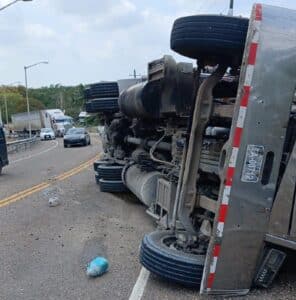

A serious road accident is never “just” a moment of bad luck. It’s a chain reaction: medical care, vehicle recovery, police reports, insurance calls, missed work, and (sometimes) criminal or civil court timelines that start moving before you’ve even slept.
For pickup and truck owners, the stakes can be higher because vehicle mass, towing setups, and load security can turn a mistake into a major injury event. In the U.S., traffic deaths remain stubbornly high—NHTSA’s early estimate for 2024 was 39,345 fatalities—which is why enforcement and liability systems keep tightening around preventable causes like impairment, speeding, and distraction.
When Impairment Is Involved, The Consequences Multiply
A crash investigation changes instantly if alcohol or drugs are suspected. Police will look harder at the timeline (where you were, where you were going), the driving pattern (lane position, braking, speed), and whether impairment could explain what happened. In Utah, for example, the “per se” BAC limit for DUI is 0.05—lower than the 0.08 limit used in most states—which shows how much outcomes can depend on where the incident occurs.
If impairment is alleged, you’re not only dealing with the crash; you’re dealing with a criminal process that can include arrest decisions, license actions, and strict deadlines. This is one of the clearest moments when speaking with a DUI defense attorney becomes a practical step, especially if the incident happened while travelling and you’re suddenly in a local court system you don’t know. As an example of the kind of locality-specific guidance people seek, there are St. George, Utah–focused DUI information pages that walk through what a DUI charge can involve and why local courtroom experience matters—useful context when your case is tied to that area’s agencies and courts.
Fault, Negligence, And Why “What Happened” Is Not The Same As “Who Pays”
After serious crashes, the core legal question is usually negligence: did a driver fail to act with reasonable care, and did that failure cause the harm? The “reasonable care” standard sounds abstract until you see how it’s applied: following distance, speed for conditions, signalling, yielding, safe lane changes, and sober/attentive operation.
For pickup drivers, negligence arguments often orbit around a few real-world details:
- Stopping distance and speed: heavier vehicles need more room, and “I thought I could stop” gets tested against physics.
- Towing and load issues: trailer sway, hitch setup, brake controllers, and improperly secured cargo can shift liability quickly.
- Visibility and blind spots: height helps you see far, but creates its own blind zones—especially with wider mirrors and trailers.
Even if you believe the other driver “caused it,” comparative fault rules in many states can still reduce (or sometimes bar) recovery if evidence shows you contributed meaningfully (speed, distraction, unsafe equipment, impairment, etc.). That’s why the first hours after a serious collision are so important: the narrative forms fast, and later it can be hard to unwind.
Insurance Reality: Coverage Battles, Recorded Statements, And The “Limits” Problem
Insurance is often where people feel the most blindsided. A serious crash can exceed policy limits quickly—ambulance, ER imaging, surgery, rehab, lost income, vehicle replacement, and sometimes long-term care. The “limits” on your policy (and the other driver’s) matter more than most people realise until the numbers get ugly.
Expect these pressure points:
- Recorded statements: Insurers may ask early, when you’re shaken. It’s okay to be cautious and stick to facts you’re sure of.
- Medical authorisations: broad releases can expose unrelated history and distract from the actual crash injuries.
- Coverage disputes: insurers can argue about exclusions, permissive use, commercial use, or whether a trailer was properly covered.
A practical takeaway: document everything and don’t assume the insurer’s first framing is “the truth.” Their job is to evaluate liability and financial exposure. Your job is to protect your health and your account of what happened.

Evidence That Actually Moves Outcomes
Serious cases are won and lost on evidence, not vibe. If you’re physically able (and it’s safe), focus on gathering and preserving information that won’t exist tomorrow:
- Photos/video: vehicle positions, skid marks, debris fields, traffic signals, road surface (ice, standing water, gravel), visibility, and any cargo or trailer connections.
- Witness info: names, numbers, and a sentence on what they saw.
- Telematics and dash cam: if you have a dash cam, save the full file immediately; don’t rely on looping storage.
- Medical timeline: write down symptoms as they develop. Delayed pain is common after adrenaline and shock wear off.
- Also: get the crash report number and agency. It’s a simple detail that saves time later, especially if you’re dealing with multiple insurers or an out-of-town incident.
Injuries And Long-Tail Harm: The Part Nobody Plans For
Serious crashes frequently involve injuries that don’t resolve in a week: concussions, spinal issues, nerve symptoms, torn ligaments, and chronic pain that changes work capacity. The legal reality is that injury claims are stronger when treatment is consistent and well-documented—not because anyone is “gaming the system,” but because records are how outsiders (insurers, adjusters, courts) can see what your body experienced.
A mistake people make is trying to “tough it out” and then seeking care weeks later, when the paper trail is thinner. That doesn’t mean every ache is catastrophic; it means if symptoms persist or worsen, get evaluated and follow through.
The Pickup-Driver Prevention Layer That Actually Matters
The cleanest legal strategy is avoiding the crash in the first place. For pickup owners, a few habits reduce both collision odds and blame exposure:
- Drive the load you’re carrying: adjust speed and following distance when towing or hauling.
- Treat tyres and brakes as safety equipment: worn tyres and weak brakes turn routine stops into evidence of neglect.
Kill Distraction Aggressively: Hands-Free Doesn’t Equal Attention-Free.
Zero tolerance for impairment: not only for safety, but because impairment allegations turn a claim into a life-altering legal event. NHTSA’s continuing focus on traffic deaths is part of why enforcement stays intense around impairment and other high-risk behaviours.
A serious road accident forces you into systems that move faster than your recovery. The best outcome usually comes from doing the basics well—protecting health first, preserving evidence early, and getting the right kind of help (medical, insurance, and legal) for the specific situation and jurisdiction you’re in.

Endnote
Serious crashes trigger medical, insurance, and legal processes that move fast and can reshape your finances and freedom. Prioritise treatment, preserve evidence early, and communicate carefully with insurers. If impairment is alleged, act quickly within local deadlines. The strongest outcomes come from clarity, documentation, and timely professional help.