
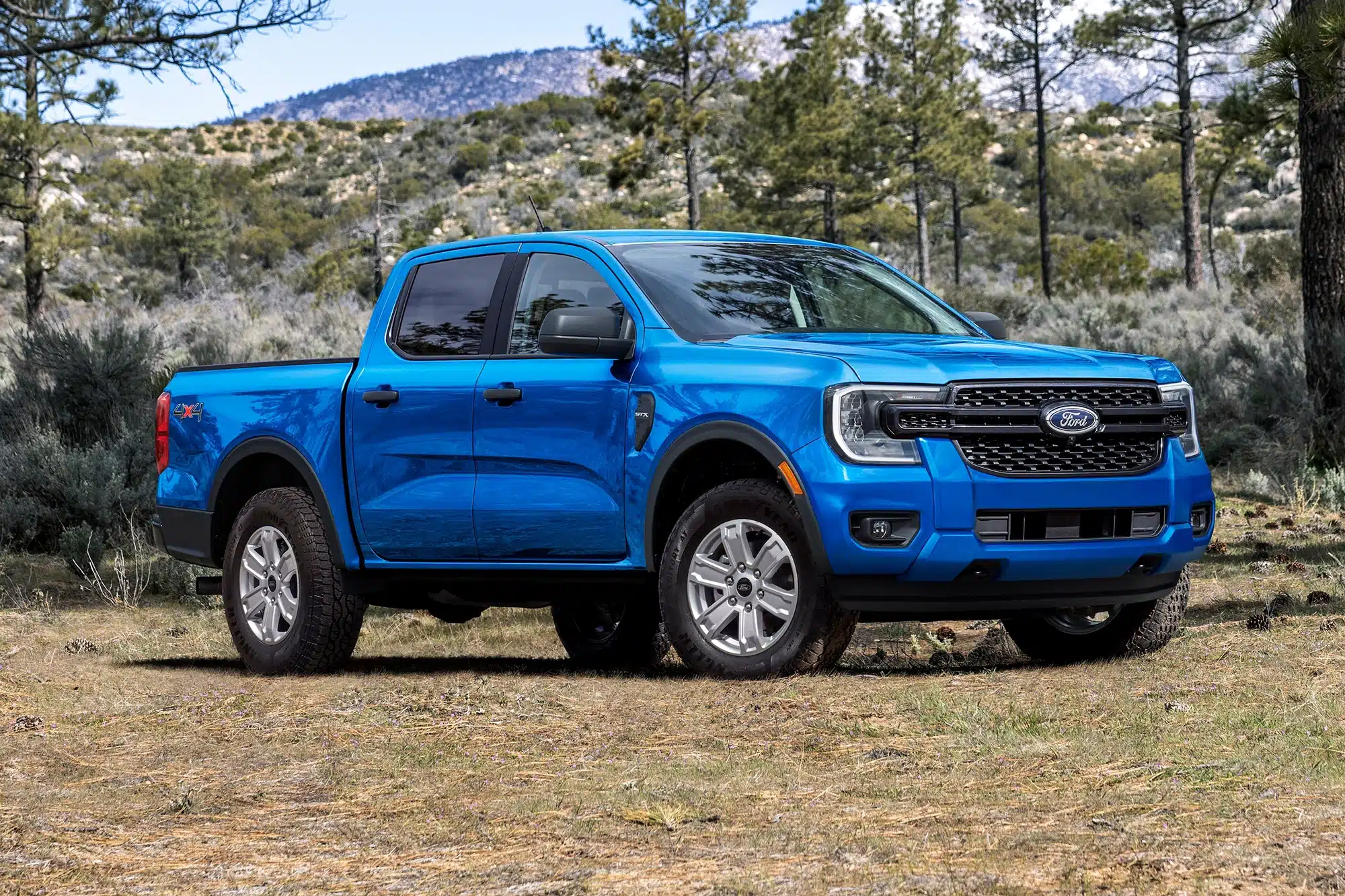
As someone who works exclusively with commercial vehicles, I spend a significant amount of time moving trade vehicles back and forth through our commercial vehicle workshop in the Midlands. I feel I’m preaching to the choir when I say that pickups make the best everyday commercial vehicles.
Despite them being the default workhorse for the UK fleet, I’ve never liked vans. The bolt-upright driving position is fine for short journeys, but it’s miserable when you’re on a journey longer than two hours. Pickups are just so much more enjoyable to live with as a daily driver, and that command driving position in traffic alone is a godsend for long-distance fatigue. That’s one of the reasons we run a fleet of Ford Rangers alongside heavier recovery vehicles at WCC.
That being said, they are also the most prone to being driven into the ground because of how much we rely on them. Dealing with commercial vehicle repairs day in, day out, we’ve learned pretty quickly that pickups in commercial use need to be treated far more like heavy goods vehicles than private cars.
What we don’t see enough of online is good, practical advice for maintaining these trucks as they rack up thousands of miles every month.
TL;DR:
Treat fleet pickups like commercial vehicles, not company cars, with regular inspections based on how they’re used. Front suspension, brakes, tyres and bodywork fail first, so check them often and log everything before small issues turn into downtime. Most breakdowns we see are caused by poor reporting and skipped inspections.
What Fails First Under Heavy Use
In our experience, front suspension and alignment are usually the first to go, especially on trucks that spend their lives accessing construction sites or carrying uneven loads. Kerbs, ruts, and constant weight shifts take their toll long before drivers notice the steering play. By the time the tyres have ripped themselves apart, the bushings and ball joints are usually already toast.
We see this often with our shop trucks; the front end takes a lot of punishment, and if that alignment isn’t checked regularly, you’ll burn through a set of front tyres in half the time you expected.
Braking systems are another common fail point on high-mileage pickups. Towing, stop-start city driving, and frequent load changes wear pads and discs far more quickly than one’s used for school trips. We often see fleet trucks come in where the driver has adapted to a spongy pedal or a slight pull without even realising it.
Having an accident repair shop, we know that body damage is a massive sleeper issue. We see beds, arches, and sills that have been knocked on-site and written off as merely cosmetic. In reality, those small dents break the paint seal and trap moisture, starting corrosion that spreads toward the chassis long before it becomes visible on the surface.
Hiluxes – as shown in that legendary Top Gear segment – are legendary for being indestructible; but if you let site mud and salt sit in the rear arch traps or along the frame rails without a proper wash-out, you’re inviting the kind of structural rust that eventually fails an inspection.
Set up a Properly Recorded Maintenance Inspection Checklist
From our experience, the issue with most fleet breakdowns stems from an inspection recording problem. When multiple drivers share a vehicle, that sense of responsibility to that vehicle goes away. Minor defects are normalised because the truck still moves, and maintenance is pushed back because it’s scheduled strictly by mileage rather than duty cycle. A truck idling for hours on a site or hauling a heavy trailer every day is working twice as hard.
Modern pickups feature refined systems that quietly protect expensive components. Ignoring a warning light because the vehicle “still drives fine” is a mistake. A simple sensor fault can turn into a total engine derate or an expensive DPF replacement. We’ve found that a quick look underneath after parking often tells you more than a dashboard ever will. Fresh oil, coolant, or brake fluid on the ground is an early warning system that is far easier to fix on a Tuesday morning than during a breakdown on a Friday afternoon.
Pickups used in fleets or for serious monthly mileage often live in a dangerous grey area. They’re not traditionally managed with the same care as a truck inspection routine, but they work too hard to be treated like a standard company car. To keep repair costs down and keep the wheels turning, you have to manage the pickup like the commercial tool it is.
This means looking properly: check the tread depth and the sidewall for stress. Check the security of tow bars and electrics before they fail, and catch early rust around arches and brake lines before it becomes a structural failure. The format of a pickup might be different from a heavy truck, but for anyone putting in the miles, the consequences of neglect are exactly the same.