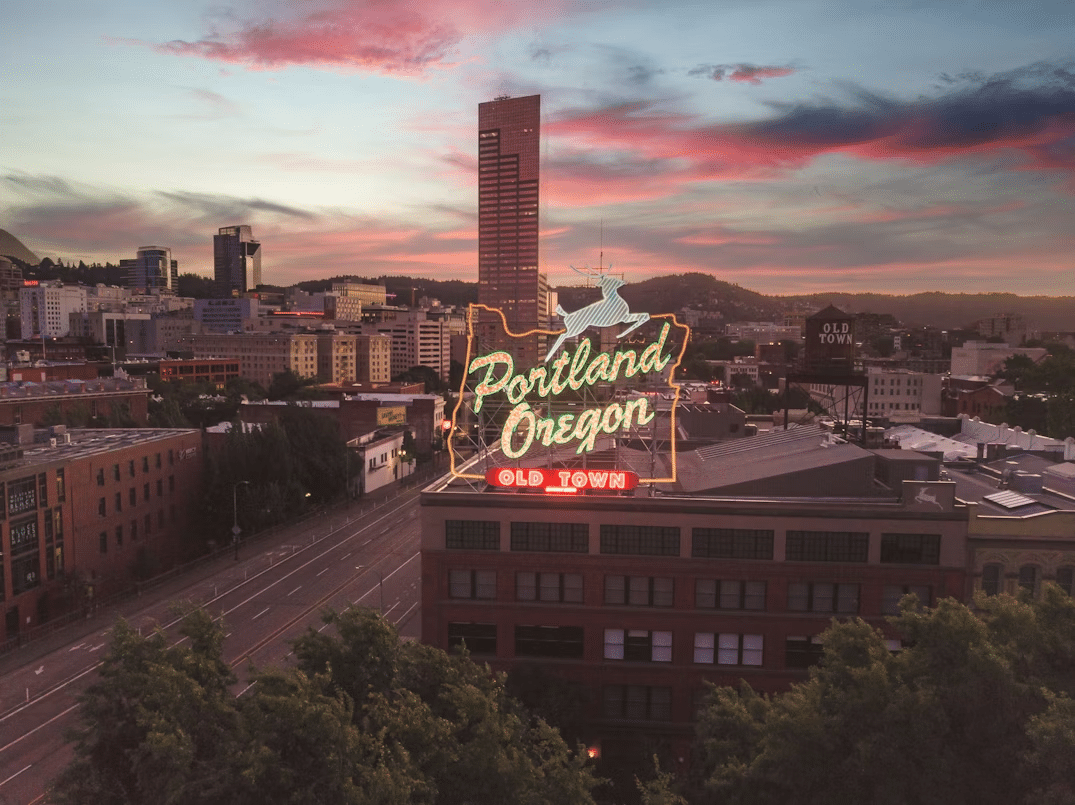
Long weeks behind the wheel make any city feel like a “simple stop” until you’re suddenly dealing with bridges, curb-space pressure, rain that can turn ugly fast, and tight downtown moves when you’re tired. Portland, Oregon is absolutely workable—if you arrive with a plan that covers (1) how you’ll move around when you’re parked, (2) which crossings and corridors you’ll trust, and (3) what you’ll do if weather pushes you toward traction rules.
Portland adds a few twists that can surprise drivers who are used to wide interstates and predictable staging: river crossings funnel traffic, neighborhoods get tight quickly, and a quick “I’ll just swing through downtown” decision can turn into a slow crawl with limited legal stopping options. Even if you’re rolling in with a pickup (or towing), the same reality applies—once you’re in the core, you want fewer last-minute choices, not more. That’s why a simple checklist beats improvising: it protects your time, keeps stress down, and helps you stay compliant while still enjoying your off-duty hours.
Portland Public Transport: How To Move Around Without Fighting Downtown
If you’re off duty, bobtailing, or you’ve parked the rig somewhere secure and you want your reset time to stay restful, Portland public transport is the cleanest “every situation” tool you can carry.
TriMet is the core public transit system in the Portland metro area, and it uses Hop Fastpass for payment. TriMet explains you can use Hop (including contactless options) and that its fare structure includes common products like a 2½-hour ticket, a day pass, and a month pass, with “ride free after spending” style caps. That’s driver-friendly because you can make a few short trips—food, groceries, laundry, a walkable district—without treating each one like a separate parking mission.
If your week straddles Oregon and Washington, C-TRAN in Vancouver also supports Hop Fastpass and publishes fare and ID-card guidance that points riders back to Hop as the shared payment system.
Driver move: treat transit like a pre-trip. Do one dry run at the time you’d actually ride, time the walk from the stop to the exact door you need, and screenshot return options so you’re not improvising late.
Bridge And Route Sanity: Confirm Constraints Before Gps Commits You
Portland’s river crossings are where “it said go this way” becomes the quickest route to a stressful detour. The City of Portland’s Bridge and Truck Map is designed to help freight operators and the public identify bridges where access is limited based on vehicle weight, and it explicitly notes that if your route includes bridges owned by other agencies, you’re responsible for checking their restrictions too.
Use that map like dock notes: check it before you roll, then recheck once you know your real gross weight and trailer combo. If you’re heavy, build a “second-choice crossing” so you’re never forced into a snap decision at the last ramp.
For wider corridor context, Oregon DOT’s Freight Mobility Map PDF describes route categories and shows how weight restrictions are marked for detours—useful even for pickup+tow travelers who want predictable freight-friendly paths.
Weather And Traction: Portland Today, Cascades Tomorrow
Portland itself can be manageable in winter, but it does not take much distance east to run into chain/traction rules. Oregon’s TripCheck chain law guidance spells out key requirements, including that vehicles rated 10,000 pounds GVW or less and towing must use chains when directed, and it also outlines minimum chain requirements for heavier vehicles and trailers.
If you tow, treat chains like required equipment, not a “maybe.” Carry the correct sizes for truck and trailer, keep gloves and a kneeling mat in the cab, and practice once in dry conditions. Before you chase snow or take a scenic mountain day trip, check TripCheck and decide early whether you’re going or staying put.
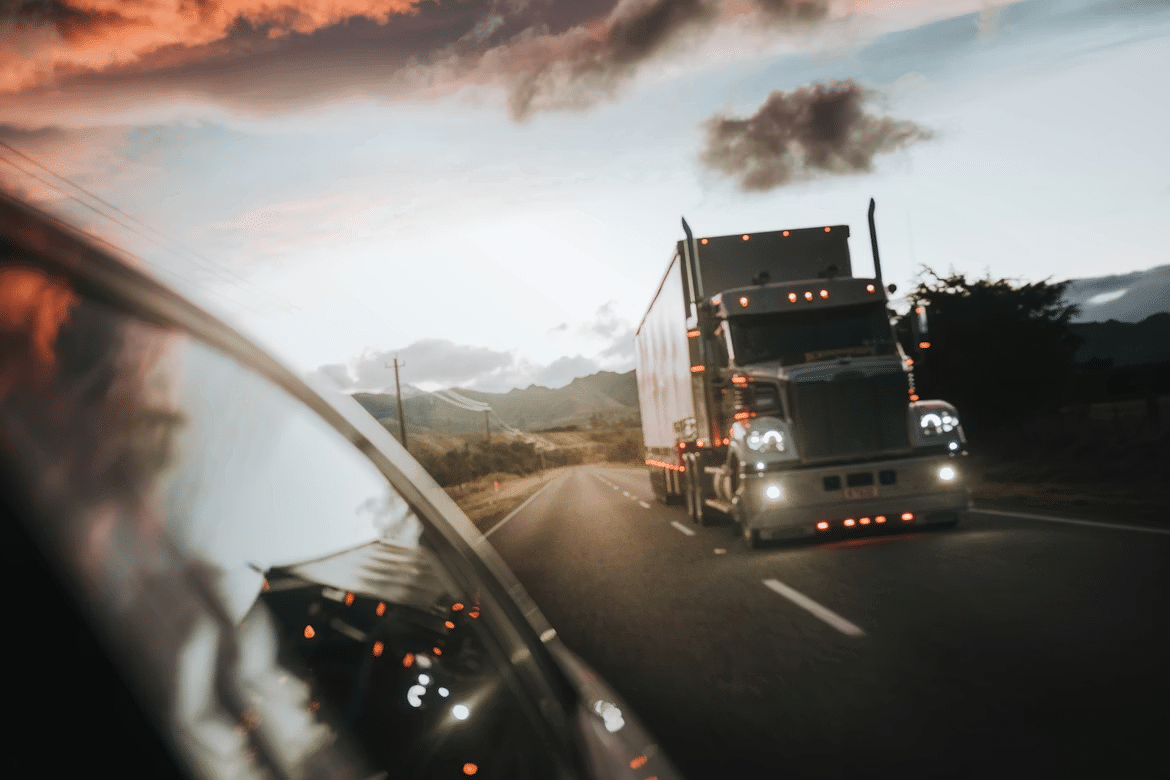
Staging And Stopping: Solve The “Where Can I Pause?” Problem
A lot of trouble in any city starts with one question: “Where can I stop without becoming the problem?” The City of Portland publishes a Truck Loading Zones web map to help locate curb areas designated for truck activity.
The driver habit that saves your day is separating stopping from parking. Use a legal loading zone for quick work, then move to a safe long-stay spot (with permission) and finish the last mile on foot or via transit. It reduces tickets, reduces conflict, and keeps your downtime calm.
Freight Awareness: Portland Actively Plans For Urban Goods Movement
Portland isn’t guessing about freight. PBOT’s freight planning work explains that it developed maps highlighting areas with safety, mobility, and emission concerns related to urban goods movement as part of its 2040 Freight Plan analysis.
You don’t need to read planning docs to benefit. The practical takeaway is that some corridors are built to move goods and some are built for neighborhood access. When choosing staging spots, meet-up points, or even a hotel, favor locations near major arterials instead of deep in tight residential grids.
Street Sweeping And Curb Rules: Avoid Tickets While You’re Trying To Rest
Portland downtime can get expensive fast if you park on the street and ignore cleaning/enforcement patterns. PBOT’s Street Cleaning program says it sweeps about 1,000 miles of major arterial streets roughly 6–8 times per year, and it also runs night street cleaning three times a week in Portland’s downtown core—which is exactly where many drivers are tempted to park “just for a bit.”
The practical move is simple: if you’re street-parking, read the posted signs every time, even if you’re only stepping away for dinner or a shower. When you find a legal spot, snap a quick photo of the sign with your phone so you can double-check the hours later. If you’re towing, add extra margin—parallel moves get harder at night, in rain, and under pressure. A boring, compliant parking plan is what keeps your off-duty time relaxing.

Wrapping Up
Portland rewards drivers who plan like pros: reduce downtown driving by leaning on TriMet and Hop Fastpass, confirm crossings before GPS commits you, and treat chain rules as real if you’re heading toward the Cascades.
Use truck loading zones for quick moves, then separate “stopping” from “parking” so you can actually rest without conflict or tickets. Keep an eye on PBOT street cleaning schedules and always follow posted curb signs—especially in the downtown core where night cleaning runs regularly. Do the boring prep once, and Portland becomes a smooth, low-stress stop instead of a city that drains your time.