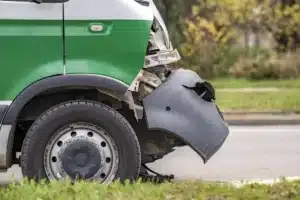

The reason a quick walkaround matters more than it used to is simple: repair costs have been running hot. The U.S. Bureau of Labor Statistics (BLS) reported that motor vehicle maintenance and repair rose 6.9% over the 12 months ending November 2025, while overall CPI-U rose 2.7% over the same period.
That’s not a complaint. It’s actually useful information. When the cost of fixing stuff goes up, clear documentation becomes a friendly tool that keeps your pick-up-truck rental smooth, predictable, and low-drama.
In this article, we’ll walk through a 10-minute routine built around three ideas: take photos that are easy to reference later, match your check to how inspections are changing, and finish with a return record that feels like a clean handshake.
Photos That Pay You Back
A pickup rental should feel like freedom: you’ve got the bed, the space, the capability, and a short-term commitment. The simplest way to protect that feeling is to make your “before” record as clear as your intentions.
CBS News reported on renter complaints tied to automated vehicle inspections, including one case where the renter was billed $80 for two small dents and a $190 processing fee, totaling $350. Nobody wants a return day surprise, and the good news is that your phone can do most of the work in minutes.
Photos aren’t a weapon. They’re clarity. When both sides can see the same thing, it’s easier for everyone to move on quickly.
If you’re going to take pictures, aim them where small marks tend to hide and where they tend to matter on a pickup. That means going beyond the usual “one photo per side” habit.
Use this single, repeatable set every time:
- One wide photo of each side (4 total), taken far enough back to show the full panel lines.
- One close-up of each wheel face (4 total), because curb scrapes can be easy to miss.
- Two rear photos: one straight-on of the tailgate and bumper, and one angled to show the bumper corner.
- Two bed photos: one looking into the bed from above (bed floor), and one focused on the bed rails and tailgate edge.
That’s it. Not endless documentation, just coverage of the spots people often forget.
A quick extra reason to include tires: BLS reported the “tires” index increased 2.8% over the 12 months ending November 2025. Even if you never get asked about tire condition, photographing them is a smart habit because tire wear and damage are both safety-adjacent and visible in a way that’s easy to compare.
One more tip that sounds boring until it saves you time: keep the images unedited and stored in a dedicated album. If you ever need them, you’ll want “easy to find” more than you’ll want “perfect lighting.”
Scan Time
Inspections are getting more digital, and that can be a good thing for renters who like straightforward processes. The key is to align your walkaround with what modern systems pay attention to.
Car and Driver reported that Hertz is using AI to scan rental cars for damage and that it planned to have the scanners at 100 U.S. locations by the end of 2025. Car and Driver also described the scanning system as checking the vehicle’s body, glass, tires, and undercarriage for damage and maintenance issues.
That description is basically your checklist’s table of contents. So instead of guessing what the counter agent might notice, you can focus on what a camera system is likely to document clearly: wheels, lower bumper edges, and anything that reads as “edge damage” where paint meets plastic. On a pickup, the bed rails and tailgate edges belong in that same category because they’re high-contact areas during loading.
CBS News also reported that Hertz said the older process could be subjective and inconsistent, and that more precise digital inspections could be a step toward transparency. That’s a genuinely positive framing, and it matches what many renters want: fewer judgment calls and more consistency.
Ask one simple question at pickup, politely, while you’re still standing there. “Is this location using a digital inspection system, and can I see the pre-rental images if there are any?” CBS News reported a case where a renter said the system wasn’t disclosed and that the renter couldn’t view “before” images at the counter.
Even if the answer is “no,” you’ve learned what kind of process you’re in, which makes your own documentation feel purposeful rather than random.
The Return Receipt Is Your Victory Lap
A pickup rental doesn’t end when you park it. It ends when you have proof it’s back, in the same general condition, with a clean timeline. This is also where “function checks” sneak in as an underrated way to keep the whole experience positive. If you’re comfortable operating the truck, you’re less likely to create accidental wear simply from confusion.
J.D. Power’s 2024 North America Rental Car Satisfaction Study found that 53% of rental customers said it was “very easy” to operate the features and amenities in their vehicle. That means a big chunk of renters are operating in the “it’s fine, but not effortless” zone, which is completely normal given how much tech is packed into modern vehicles.
J.D. Power’s study was based on 8,379 responses from business and leisure travelers who rented a vehicle at an airport location, and it was fielded from August 2023 through July 2024. The same J.D. Power release ties customer loyalty to trust, which is a useful reminder that clear processes help both
So, keep your return routine simple and clean:
Do a quick final walkaround in similar lighting to your pickup photos if you can. Take a matching set of “after” images, then save your return confirmation, whether that’s an email, an app receipt, or paperwork from the desk.
There’s also a quiet economic reason fleets care about condition documentation. BLS reported the “used cars and trucks” index increased 3.6% over the 12 months ending November 2025. When asset values matter, condition records matter, too. That doesn’t have to feel tense as a renter, because your goal isn’t to debate. It’s to be organized.
And if you’re ever wondering whether this is overkill, ask yourself one practical question: if inspections are getting more objective, why not make your side of the record just as objective and easy to retrieve?
Confidence Is the Real Upgrade
A great pickup rental experience is still very achievable, and the path there is surprisingly small: a few photos, a pickup-specific glance at the high-contact areas, and a tidy return trail that you can pull up in seconds. The numbers support why this matters now, from higher maintenance and repair inflation to the growing role of digital inspections in the rental process.
What’s nice is that none of this requires special gear or insider knowledge. It’s just a repeatable habit that keeps your trip focused on the reason you rented a pickup in the first place: getting something done, comfortably.
Next time you rent, treat your 10-minute walkaround like you treat buckling your seatbelt. It’s quick, it’s normal, and it gives you the calm feeling that you handled the basics well.