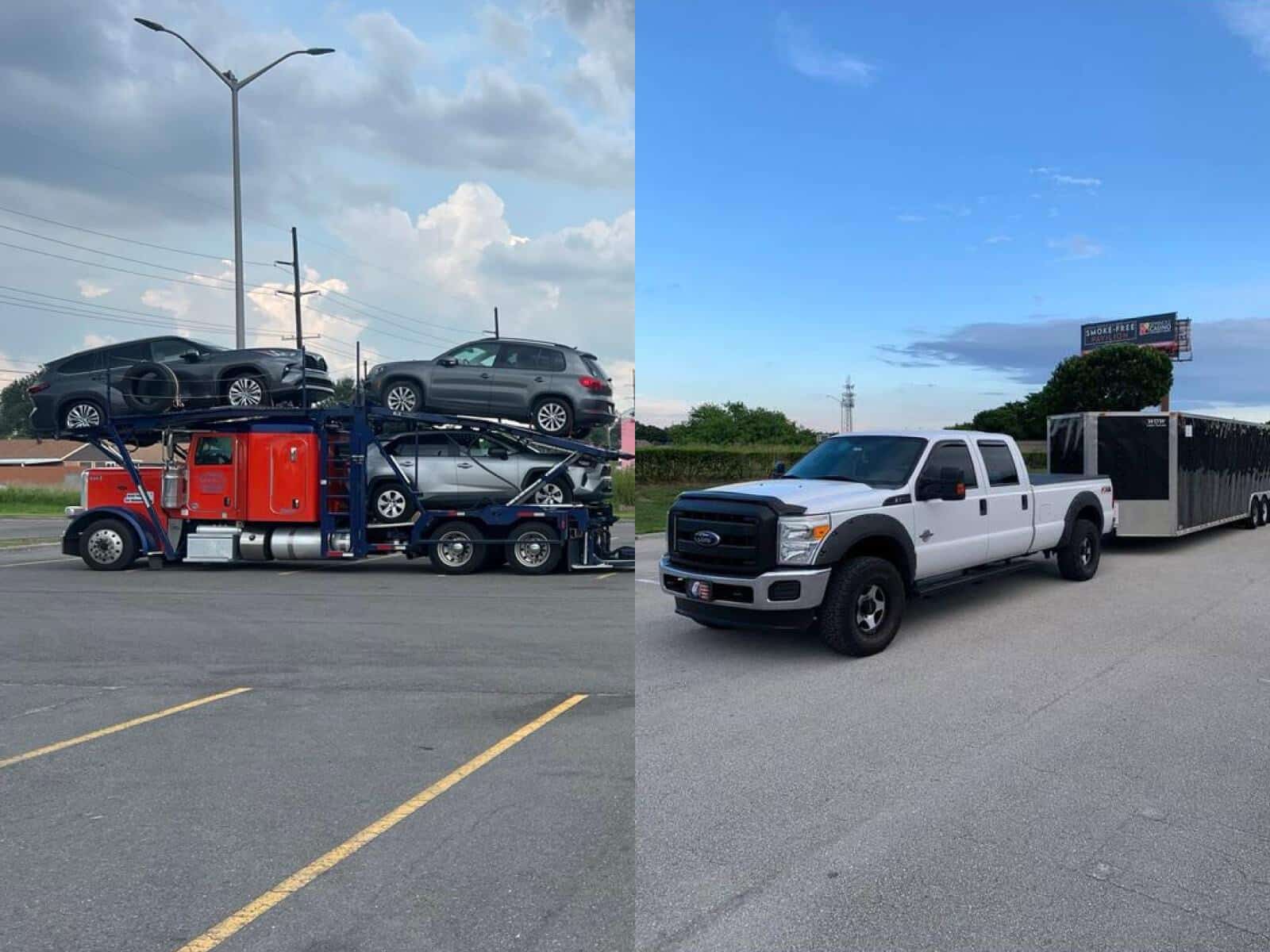
Local shipping of a vehicle within the United States is a frequent requirement of those who have to relocate, shop for cars online, or move residences seasonally. There are two popular shipping methods in the USA: Open auto transport and enclosed auto transport.
But what to choose between them is one of the most crucial decisions that you should make sensibly. Both shipping methods are safe in transporting vehicles from one place to another, but there are numerous differences with regard to protection, price, and general worth.
Open transport is cheap and commonly used, whereas enclosed transport is more protective, and many car owners believe its extra costs are worthwhile. Knowing these differences will ensure that you safeguard your investment and avoid expensive mistakes.
This article will discuss Open vs Enclosed Auto Transport by explaining the process, costs, advantages, and disadvantages of each method. You will also get to know when it is actually worth paying more to have the vehicle shipped in an enclosed auto transport. If you value safety, condition, and peace of mind, enclosed transport is the wiser option.
What Is Open Auto Transport?
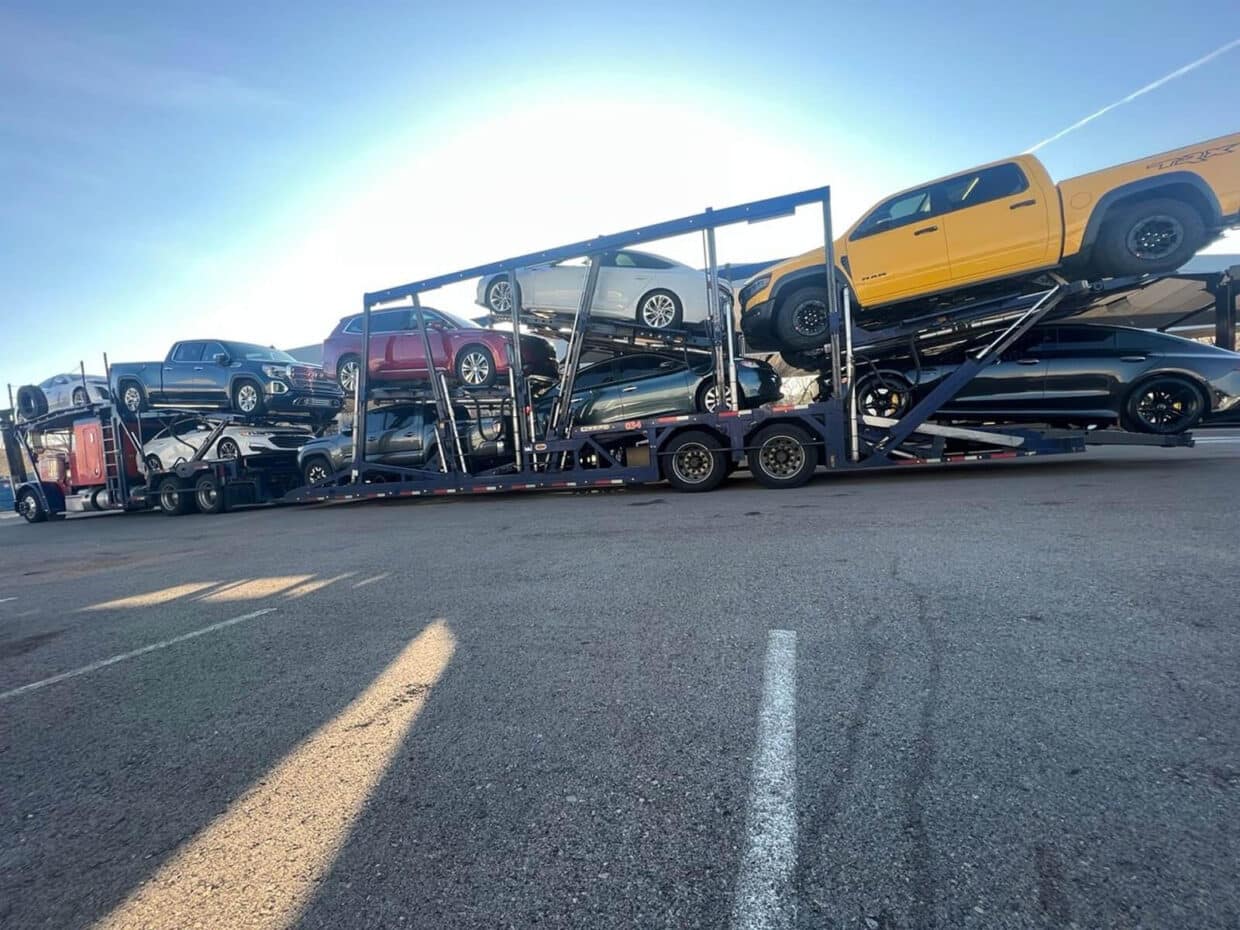
The most popular way of transporting vehicles in the U.S. is open auto transport. It works with open-air trailers that transport several cars simultaneously. These are the car carriers that are commonly found on the highways, moving both new and used vehicles.
How Open Transport Works?
Cars are loaded on an open trailer and tied down. The trailer can have between one and ten vehicles. The carrier goes through a fixed route, delivering cars on its way.
Advantages:
- Lower shipping cost
- Great accessibility in the entire country
- Fast scheduling and delivery
- Applicable to ordinary cars
Open transport generally incurs 30 to 60 percent less cost when compared to enclosed car shipping service. As a result, it attracts low-end customers.
Disadvantages:
- Cars are left in the open air
- Dust, dirt, and debris might accumulate on your car
- More chances of aesthetic damage
- Insufficient security during lengthy travel
These risks are acceptable to a large number of everyday drivers. Hence, they become a serious concern when transporting costly/sensitive cars.
What Is Enclosed Auto Transport?
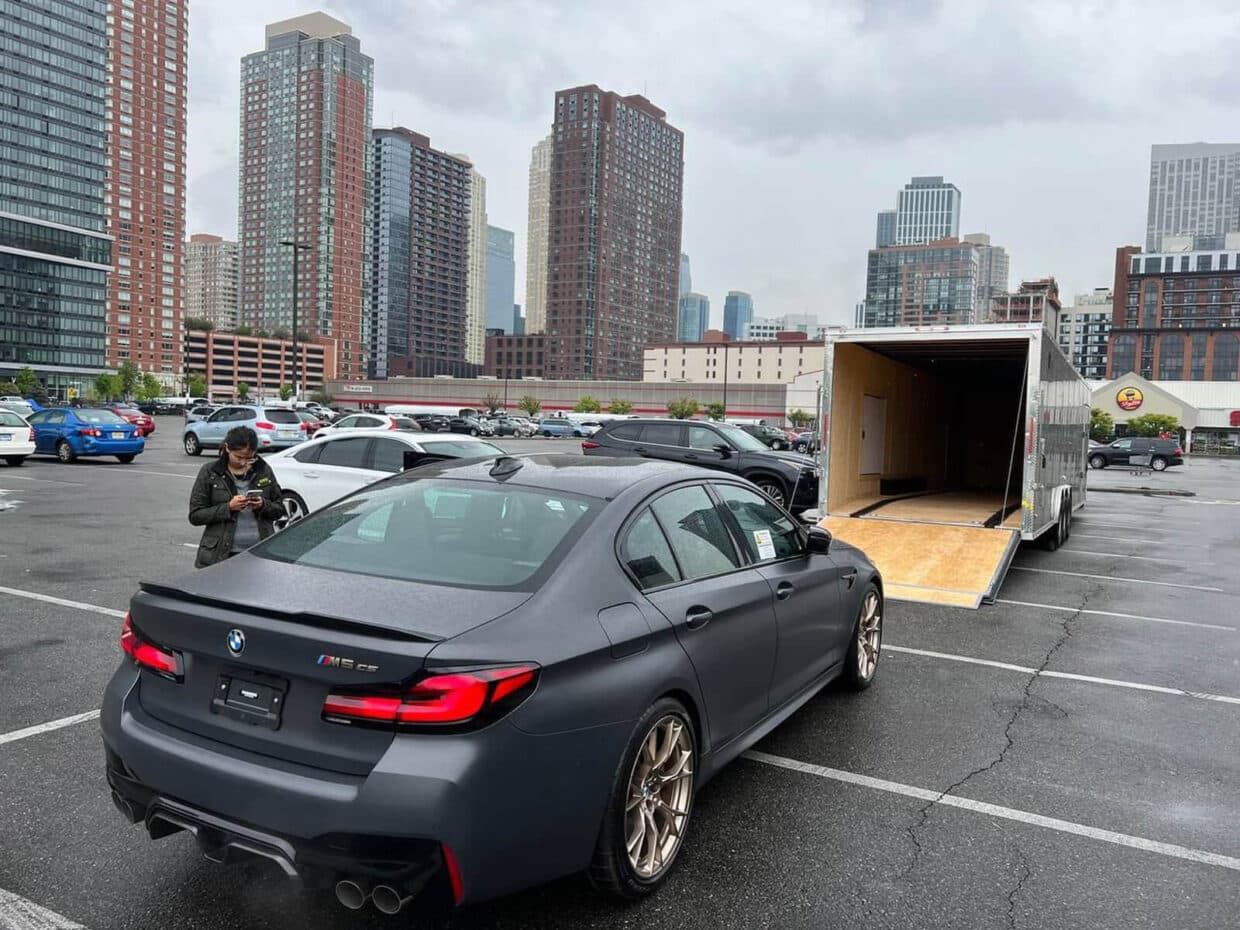
Enclosed auto transport provides high-quality vehicle security. Cars are loaded in well-covered trailers that protect them from external conditions. This shipping method is mostly used for luxury, classic, and high-value vehicles.
How Enclosed Transport Works?
The cars are loaded into the trailers that are closed with hard top and lift gate. Fewer cars are carried in these trailers, typically one to six. The drivers use modern securing systems and soft straps to reduce movement.
Advantages:
- Complete security against the weather
- Protection from road dust and debris
- Higher level of security and privacy
- Less movement and handling
- Frequently comes with higher insurance limit
In enclosed transport, the focus is on vehicle safety rather than volume. Therefore, car owners who are concerned about safety and conditions prefer this shipping method.
Disadvantages:
- Higher upfront cost
- Fewer carriers available
- Advance booking needed
Many customers consider the enclosed transport as an investment, not an expense, even at the higher price.
Cost Comparison: Open vs Enclosed Auto Transport
Understanding cost differences makes it easier to understand when enclosed transportation is a better and more cost-effective option.
Average Open Transport Costs:
- Short distance: $600 to $900
- Medium distance: $800 to $1,200
- Cross-country: $1,000 to $1,500
Average Enclosed Transport Costs:
- Short distance: $900 to $1,300
- Medium distance: $1,400 to $1,800
- Cross-country: $1,800 to $3,000
The higher cost of enclosed shipping includes more security, specialized equipment, trained drivers, and fewer vehicles per load.
Key Differences between Open and Enclosed Transport
| Feature | Open Transport | Enclosed Transport |
| Cost | Lower | Higher |
| Protection | Basic | High |
| Weather Exposure | Yes | No (protected) |
| Damage Risk | Low-medium | Very low |
| Carrier Availability | Very high | Lower |
| Best For | Standard cars | High-value cars |
While most people prefer open transportation, enclosed transportation offers the best value for the right cars.
Why Enclosed Auto Transport Is Often Worth Paying More?
Below are some reasons for paying more money for enclosed auto transport.
- High-Value Vehicles Protection
Even slight car damage can cost you a lot, even if your vehicle is valued at $50,000 or above. Enclosed transport minimizes the risks of exposure and assists in resale value maintenance.
- Luxury and Exotic Cars
Luxury and exotic cars are usually custom-painted, have low ground clearance, and are delicate. Closed trailers are safer and offer protection when transporting such vehicles.
- Classic and Collector Cars
Classic car parts might be uncommon and not easily or at all replaceable. The better option is to ship these vehicles via enclosed transport to protect them from moisture, debris, and vibration.
- Auto Shows and Events
When you are participating in a car show or competition, your car needs to look good. Enclosed transportation makes sure that it comes clean and presentable.
- Seasonal and Winter Shipping
Vehicles are subjected to snow, ice, and road salt in winter shipping. Enclosed trailers guarantee that the cars are clean and safe during the trip.
- Added Peace of Mind
As a car owner, it is worth paying the additional expense to ensure that your car is fully covered—less stress and confidence matter in the delivery.
When Open Transport Is the Better Choice
In such cases, you can go for the open transport.
- Commuter cars: When your car is older or used daily.
- Tight budget: Open transport keeps expenses down.
- Adjustable time: Many carriers and routes allow scheduling.
- Short routes: Exposure risks are less on shorter routes.
Though the majority of cars exported in the U.S. use open transport, it is a compromise between safety and price.
Safety and Insurance — What to Expect
Both open and enclosed transport companies should provide cargo insurance. It secures your vehicle against damage when transporting. Before booking:
- Request the coverage limits of the carrier’s insurance.
- Get a copy of the policy.
- Make pictures of your car before pick-up.
To make any claim, it is important to save a record of your car’s condition.
Tips for First-Time Auto Transport Customers
Regardless of the auto transport type you are using, whether it is open or enclosed, you should follow the following:
- Start Early
You should book at least 2-4 weeks before your pickup date.
- Compare Quotes
Obtain several quotes from reputable carriers. Compare them wisely and keep in mind that prices are different, depending on distance, season, and vehicle type.
- Check Reviews
Check customer reviews to see how reliable a transport company is and how good to deal with.
- Inspect Your Vehicle
Take photos of your car before shipping. Keep a record of any scratches or dents that exist on the car.
- Consider Terms & Conditions
Request agents to share all terms and conditions about transport type, charges, delivery schedule, and insurance.
Final Thoughts
While deciding open vs enclosed auto transport, there are significant factors you need to consider, including the value and condition of your car, and the security level and risks. The transportation of ordinary vehicles is cheap and convenient through open transport. On the other hand, the use of enclosed transportation offers the best protection, security, and peace of mind, which justifies the higher price of luxury, vintage, and expensive vehicles.
Enclosed shipping is a wise investment, rather than a luxury, when the car value is important. So, contact a reputable enclosed transport company and get quotes to ship your car safely!
FAQs
- Is enclosed auto transport safer than open auto transport?
Yes. The tighter the auto transport is more protective. Your car’s protection against weather, road debris, and dust is ensured during the trip in enclosed transport.
- Why does enclosed auto transport cost more?
Enclosed shipping is more expensive due to the fact that carriers carry fewer vehicles, and they use special equipment and offer better protection and security for your vehicle throughout the journey.
- Is enclosed auto transport worth it for luxury cars?
Yes. Enclosed transport is an ideal option for luxury and high-value cars as they have a lower chance of being damaged cosmetically, and preserving the vehicle’s condition.
- Can daily drivers use enclosed auto transport?
Yes. Although it is not mandatory, daily drivers can also use enclosed transport for some peace of mind and safety, particularly when they are moving long distances or seasonally.
- Does enclosed transport take longer than open transport?
Sometimes! Enclosed carriers are not frequently used. So, you need to wisely book your car shipping, but the delivery is still professional and trusted.