
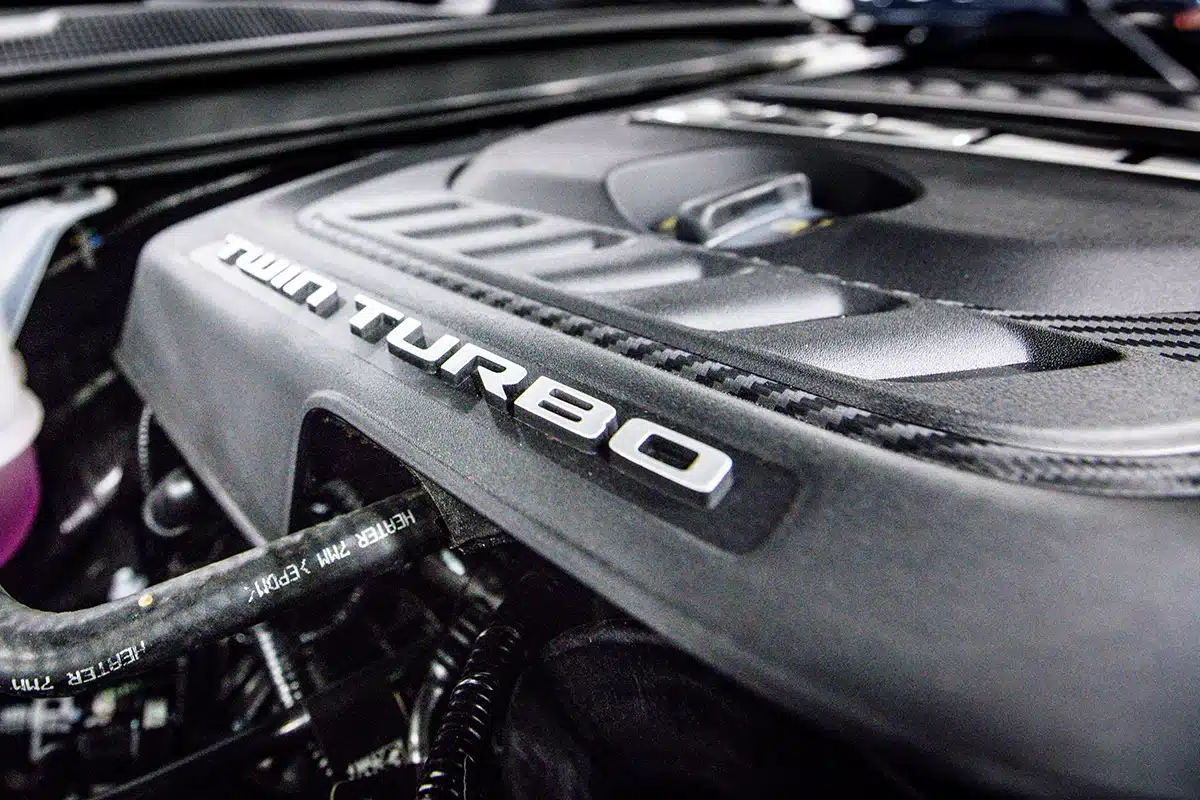
During a recent interview, Stellantis Director of Propulsion Engineering Alan Falowski addressed the concerns about turbocharged engine reliability explaining the history behind the fears and how those don’t apply anymore. He was part of the team that designed the Hemi V8 and now lead the team that designed the Hurricane inline 6 twin-turbocharged engine.
Turbocharged Engine Reliability Concerns Are Rooted in the Past
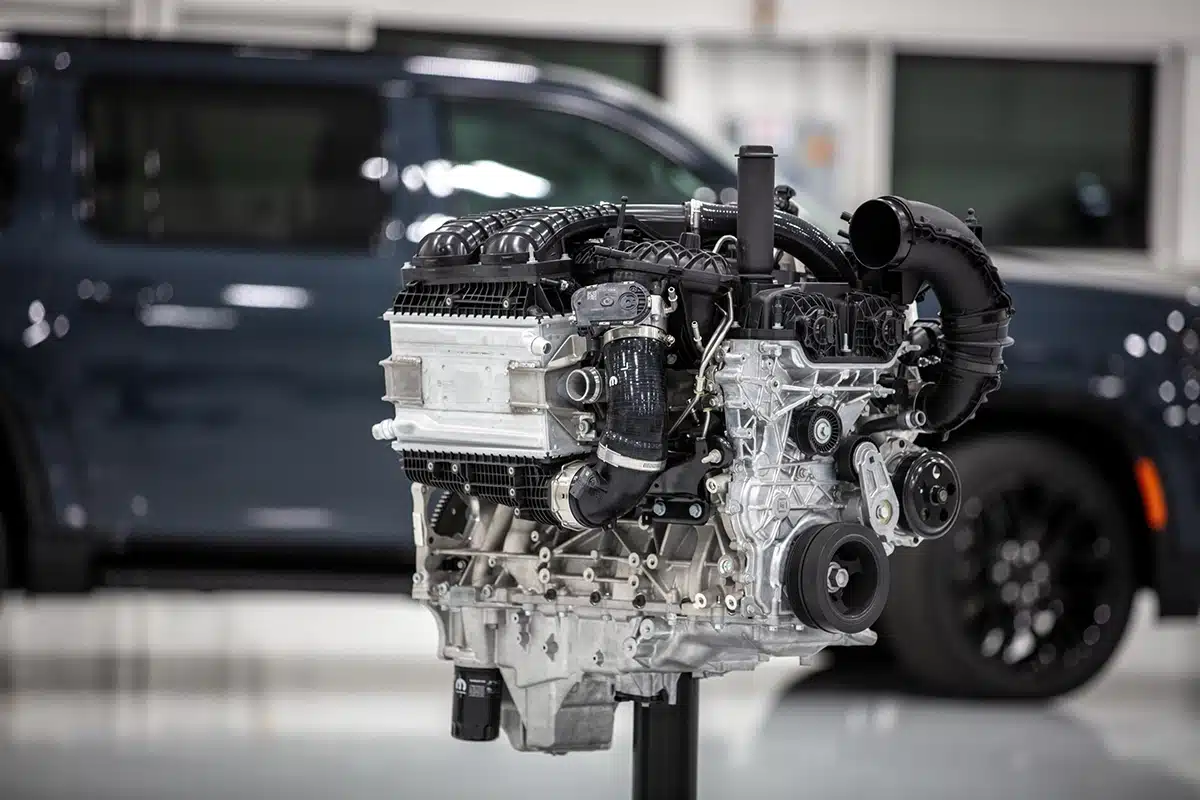
Falowski acknowledged that distrust of turbocharged engines didn’t come out of nowhere. Early gasoline turbos earned a reputation for failure decades ago.
“Back in the ’80s and ’90s, turbos were often added to engines that were never designed to be turbocharged,” Falowski said. “As a result, you did have some reliability issues.”
Those engines struggled with heat, lubrication, and materials not suited for boost. According to Falowski, many of today’s criticisms are still based on those outdated experiences.
Modern Turbo Engines Are Designed for Boost From Day One
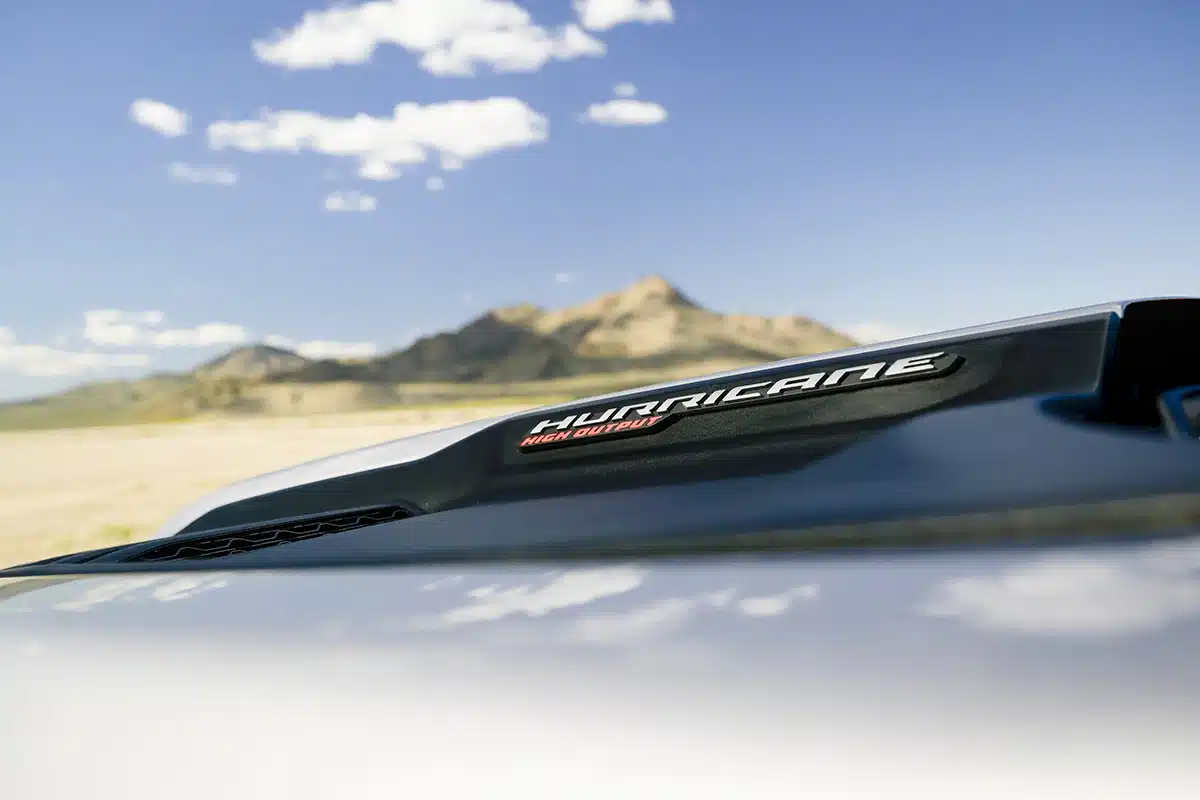
Falowski emphasized that the Hurricane engine was engineered as a turbocharged platform from its earliest design phase—not adapted later.
“When you start from the very beginning knowing this is going to be a turbocharged engine, you can determine cylinder pressures, temperatures, cooling requirements, and materials upfront,” he explained.
Using modern simulation and analysis tools, engineers design the block, cooling system, and internal components specifically to withstand sustained boost, eliminating the compromises that plagued earlier turbo conversions.
Diesel Engines Prove Turbos Can Be Durable
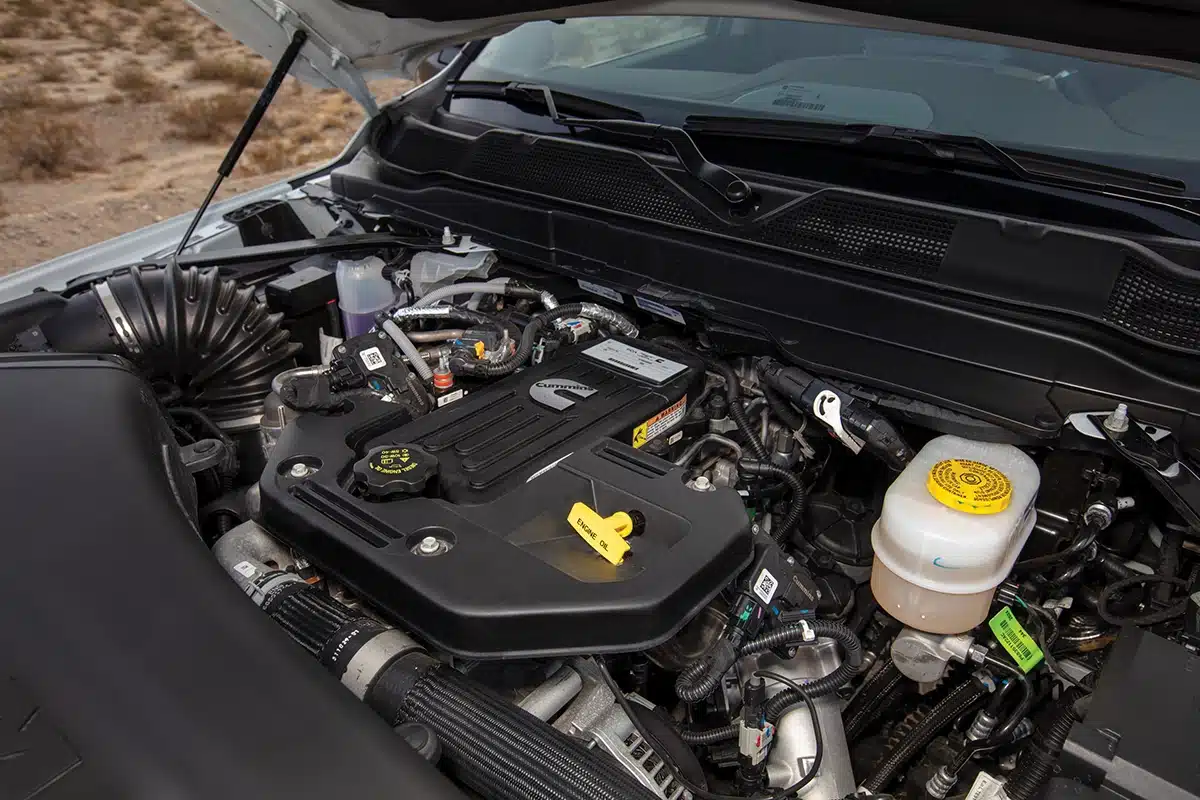
To reinforce his argument, Falowski pointed to diesel engines as a long-standing example of turbo reliability.
“Turbochargers have been used on diesel engines for a long time, and diesel engines are known for reliability,” he said.
He noted that the same durability principles used in turbo diesel development—thermal control, lubrication management, and structural strength—are now applied to gasoline turbo engines like the Hurricane.
Cooling and Testing Are Key to Long-Term Reliability

One of the biggest historical turbo failure points was oil coking caused by excessive heat. Falowski said Stellantis directly addressed that issue.
“We use a low-temperature cooling circuit to cool the turbocharger, even after the engine is shut down,” he said. “That prevents oil coking, which was a major cause of turbo failures in the past.”
Beyond cooling, the Hurricane undergoes aggressive durability testing designed to simulate a full engine lifespan in a compressed timeframe.
“We run engines at peak power for hundreds of hours,” Falowski added. “Most customers might only see peak power for about 30 minutes over the life of the engine.”
Bottom Line
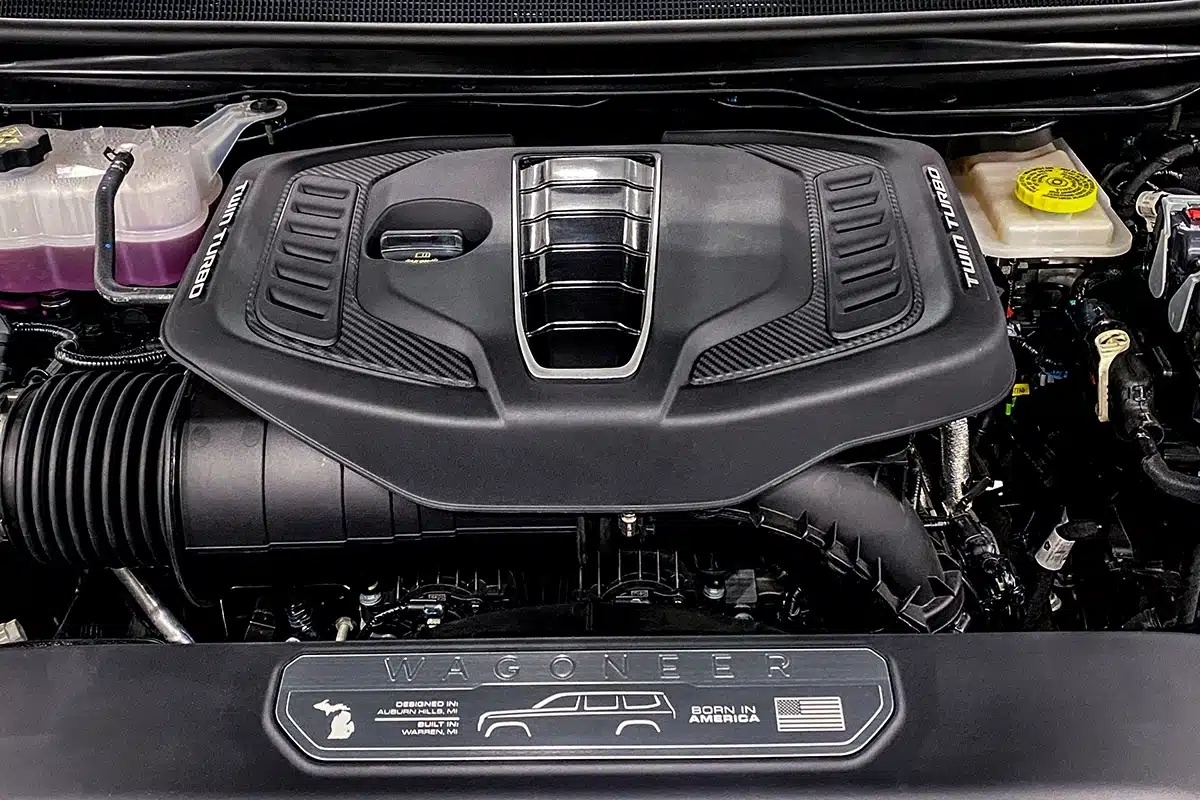
Falowski’s message was clear: turbocharged engines aren’t unreliable by nature. When they are purpose-built, properly cooled, and rigorously tested, modern turbo gasoline engines can deliver durability on par with—or better than—older naturally aspirated designs.








3 replies
Loading new replies...
Administrator
Well-known member
Administrator
Well-known member
Join the full discussion at the Forum Pickuptrucktalk →