
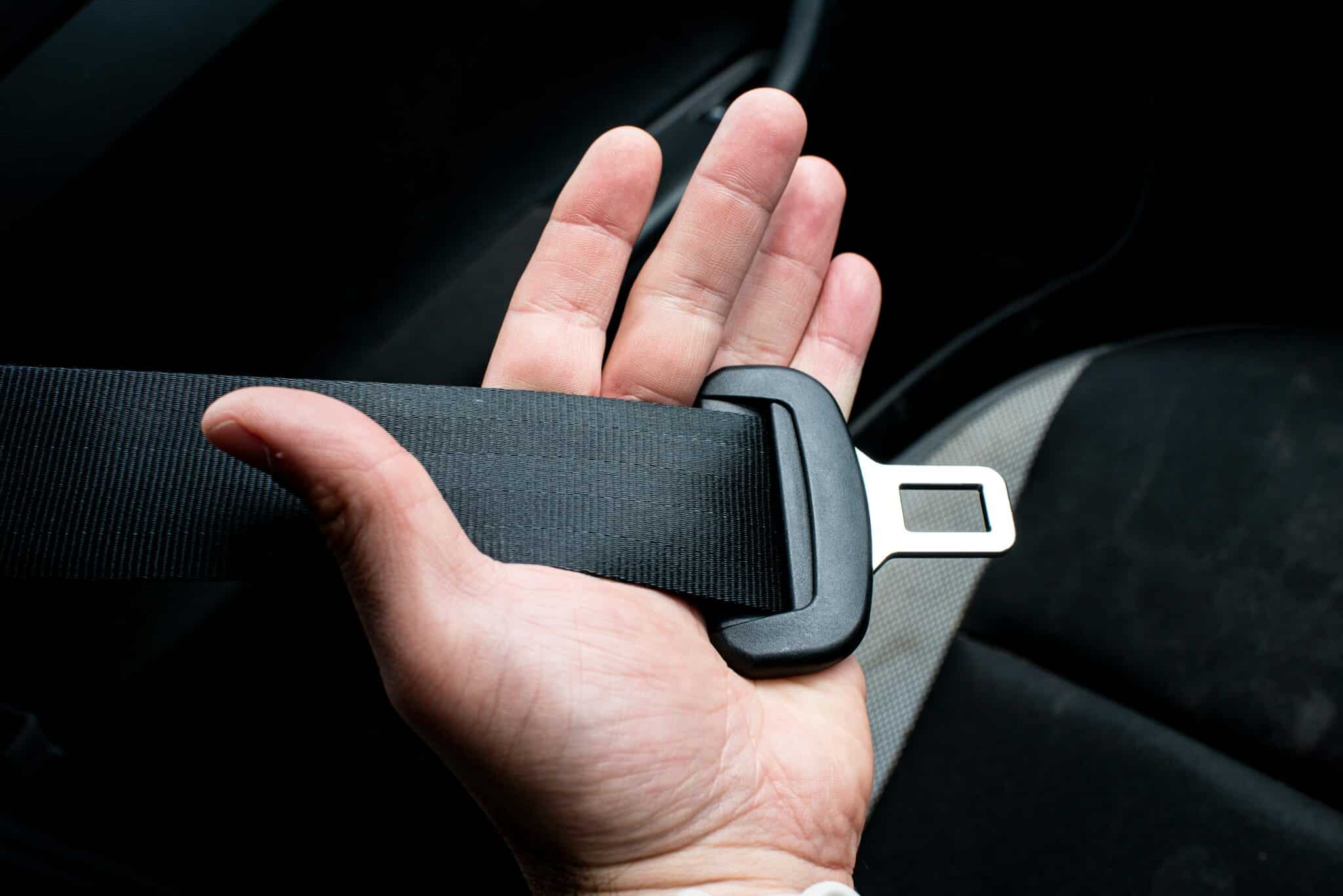
Seat belts save lives by preventing ejections and reducing head injuries. However, they can also cause serious injuries during high-speed crashes or sudden stops. While chest bruising is common, seat belts can lead to spinal fractures, organ damage, internal bleeding, and severe chest injuries needing emergency care.
If you suffer injuries, you might wonder if they were just part of the crash or if something was wrong with the seat belt system. This matters because injuries could be related to crash severity, incorrect positioning, faulty design, or a failure to lock properly. If you have serious injuries after a crash, Dulin McQuinn Young can help determine if your seat belt injury was a normal outcome or a sign of a safety issue.
Why Seat Belts Can Cause Injuries in the First Place
Seat belts stop your body from moving forward during a crash by applying force. This force spreads over strong areas like your chest and hips. However, in serious collisions, this force can still cause injuries while preventing worse harm.
This is called “seat belt syndrome,” which can lead to bruising and internal injuries from the seat belt holding your body tightly. Having an injury doesn’t mean the seat belt is faulty; it just means it did its job. The important factors are the type and severity of the injury, along with whether it matches how the seat belt should perform.
Chest Injuries Linked to Seat Belt Forces
Chest injuries are among the most common seat belt-related harms. The shoulder belt crosses the chest and can cause bruising, rib fractures, sternum fractures, or muscle strain. In high-impact crashes, chest compression can also contribute to lung bruising, breathing problems, or cardiovascular trauma.
Older adults may be more vulnerable because bone density decreases with age, making rib fractures easier to sustain. Children can also be at risk if the belt is not properly positioned. Even when injuries heal, chest trauma can be painful and limit daily movement for weeks or months.
Abdominal Injuries: A Serious and Sometimes Hidden Risk
Abdominal injuries can occur if the lap belt sits too high on the stomach instead of resting low on the pelvic bones. This may happen if the belt is worn incorrectly, if someone slides under the belt during an impact, or if the seat belt doesn’t lock properly. In these cases, the belt can compress soft tissue and internal organs.
Possible injuries include intestine tears, liver or spleen injury, internal bleeding, and damage to the abdominal wall. Symptoms may not appear right away; initial soreness can progress to worsening pain, nausea, dizziness, or shock. Any abdominal tenderness after a crash should be taken seriously.
Spinal Injuries: How Seat Belts Can Contribute
Spinal injuries can occur when the upper body is held still, but the lower body moves and causes bending. A common type is a flexion-distraction fracture, or “Chance fracture,” which often affects the lower back during serious crashes involving lap belts.
These injuries can accompany stomach injuries, especially if the seatbelt is improperly positioned or if someone slides under the belt. Spinal injuries may lead to long-term pain, limited movement, nerve problems, and in severe cases, disabilities that affect work and quality of life..
When Seat Belt Injuries May Signal a Defect
Not every seat belt injury is due to a faulty product, but some signs suggest the seat belt didn’t work properly. One sign is excessive forward movement, especially if the person hits the steering wheel, dashboard, or windshield while buckled in.
Another sign is if the seat belt fails or behaves strangely. This includes unfastening during a crash, locking too slowly, not retracting properly, or showing signs of damage. Sometimes, the buckle may click without fully locking. These issues can increase injury severity and may indicate a defect.
The Role of Crash Severity and Occupant Factors
The risk of seat belt injuries increases with the force of a crash. High speeds, rollovers, and collisions with larger vehicles lead to more violent movement and greater forces from the belts. Even well-designed belts can cause injuries because the body absorbs a lot of energy.
Occupant factors also matter. Smaller people may not fit well in seat belts. Pregnancy can change fit, increasing abdominal injury risk if not properly positioned. Children need booster seats to ensure seat belts align with strong bones. These factors can impact injury patterns and help investigators decide if an injury was avoidable or unusual.
Evidence That Helps Determine What Happened
When a seat belt injury seems more severe than expected, the right evidence can help show whether the force was normal for the crash—or whether something went wrong.
- Medical records. Document the injury type, location, and severity, including internal trauma findings.
- Photos of bruising. Clear images—especially of a visible “seat belt sign” across the chest or abdomen—help capture the force pattern.
- Seat belt condition. The belt webbing, retractor, buckle, and anchor points may show wear, malfunction, or failure.
- Vehicle and crash evidence. Crash data, photos, and reconstruction can help explain impact severity and occupant movement.
- Preservation of the vehicle and restraint system. Keeping the car and belt system intact is critical if a defect or malfunction is suspected.
Why Early Medical Care Matters After Seat Belt Injuries
Even when bruising seems mild, internal injuries can be serious. Abdominal trauma and spinal injuries may not fully reveal themselves right away. Early evaluation can detect internal bleeding, organ injury, and fractures before complications worsen.
Prompt medical care also strengthens documentation. When injuries are recorded immediately after the crash, it helps confirm that they were caused by the collision. Delayed care can give insurers room to argue that injuries were unrelated or exaggerated, especially in cases involving pain, nerve symptoms, or internal trauma.
Seat Belts Save Lives, But Serious Injuries Still Deserve Answers
Seat belts can save lives in accidents but may also cause serious chest, abdomen, and spine injuries, especially in high-impact crashes. These injuries can result from the forces of the belt or improper use.
If you were seriously injured and believe the seat belt contributed, document your injuries, preserve evidence, and check if the belt worked properly. A thorough investigation can help you find answers and seek fair compensation for the accident’s impact.








