A Simple Question—With a Surprisingly Clear Answer
Fat Tire Ebikes are hard to miss.
Wide tires, solid frames, and a rugged presence instantly set them apart from standard e-bikes.
But beyond the looks, many riders still ask the same question:
Are Fat Tire Ebikes actually any good—or just overbuilt?
The answer depends less on trends and more on how—and where—you ride.
What Really Changes When You Ride on a Fat Tire Ebike
The first thing most riders notice has nothing to do with speed.
A Fat Tire Ebike creates a very different feeling of contact with the ground. The wide tires spread weight across a larger surface area, which makes the bike feel calmer and more stable—especially on imperfect roads. Instead of reacting sharply to every surface change, the bike maintains a steady, predictable line.
Cracks, bumps, loose gravel, and uneven pavement no longer demand constant attention. The bike tracks more predictably, and small surface changes feel less disruptive, even when riding at moderate speeds or carrying extra weight.
Electric assistance plays a key role here. On a non-electric bike, wide tires can feel heavy and inefficient. On an ebike, the motor offsets that resistance, allowing riders to benefit from stability and grip without feeling held back or fatigued early into the ride.
Why Everyday Riding Feels Less Demanding
For many riders, the biggest appeal of a Fat Tire Ebike isn’t excitement—it’s ease.
The combination of wide tires and electric support reduces how much effort and concentration everyday riding requires. The bike absorbs vibration, stays stable at low speeds, and feels less sensitive to sudden balance shifts or unexpected obstacles.
This becomes especially noticeable in common situations:
- Starting and stopping in traffic
- Riding on poorly maintained city streets
- Navigating shared paths with pedestrians and other cyclists
Instead of feeling alert and reactive, riders often feel more relaxed and in control. Over time, that reduced strain makes longer rides, daily commuting, or back-to-back trips feel far more manageable.
Built Around Real Roads, Real Weather, and Real Surfaces
Most riders don’t have the luxury of perfect riding conditions.
Urban streets are full of patches, debris, and unpredictable surfaces. Suburban routes often mix pavement, gravel, and dirt. Weather doesn’t always cooperate, and road maintenance varies widely from place to place.
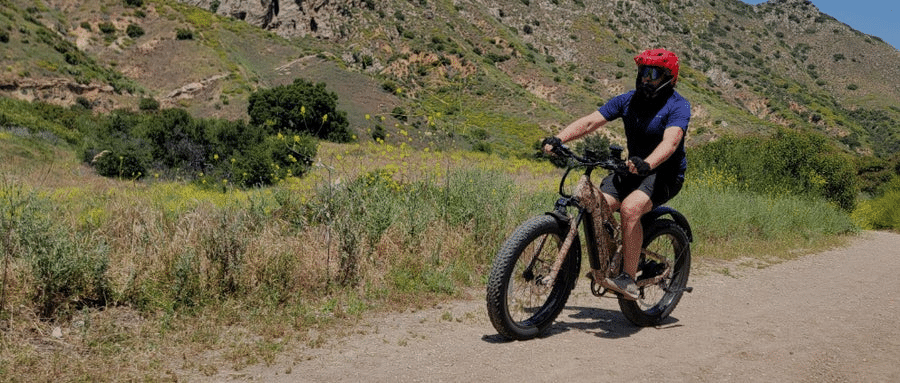
A Fat Tire Ebike is designed around those realities. The wide tires help maintain traction on wet roads, loose gravel, and uneven ground. Light snow, sand, or rough patches don’t immediately end the ride—they simply become part of it.
This doesn’t mean a Fat Tire Ebike ignores physics or eliminates challenges entirely. But it is more tolerant of change, which allows riders to worry less about surface quality and focus more on getting where they need to go.
Who This Type of Ebike Tends to Work Best For
A Fat Tire Ebike isn’t trying to be everything to everyone—but it does suit a broad range of riders.
It is especially well-suited for people who:
- Ride on mixed or unpredictable surfaces
- Prioritize comfort and stability over speed
- Carry cargo or ride with extra weight
- Want an ebike they can use across seasons
- Prefer a more relaxed, confidence-building ride
For riders who mainly ride smooth pavement and care most about efficiency, portability, or minimal weight, narrower-tire ebikes may feel like a better match.
The Limitations Worth Being Aware Of
To judge whether a Fat Tire Ebike is “good,” it’s important to understand what it gives up.
Fat Tire Ebikes are generally heavier than standard ebikes. The wide tires create more rolling resistance on smooth pavement, which can affect speed and overall efficiency. Lifting, storing, or transporting them may also require more effort, particularly in smaller living spaces.
Battery range can be slightly lower compared to narrower-tire ebikes, especially when riding at higher assist levels. That said, real-world range varies widely depending on terrain, riding habits, tire pressure, and how much assistance is used during the ride.
These limitations don’t make a Fat Tire Ebike a poor choice—but they do help define who it is best suited for.
Why Many Riders Still Prefer a Fat Tire Ebike
Despite these trade-offs, many riders continue to choose a Fat Tire Ebike for daily use.
The reason is simple: it reduces friction.
Not mechanical friction—but physical and mental friction.
There is less need to constantly scan the road, less stress about surface quality, and less fatigue over time. That ease often leads to more frequent riding, which matters more to most people than marginal gains in speed or efficiency.
So, Are Fat Tire Ebikes Any Good?
Yes—when you understand what they are designed to do.
Fat Tire Ebikes are not built to be fast or minimal. They are built to be forgiving, stable, and adaptable in real-world conditions.
They won’t be the perfect ebike for everyone.
But for many riders, they are the ebike that feels easiest to live with—and the one that gets ridden most often.
And that, for most people, is what makes an ebike truly good.