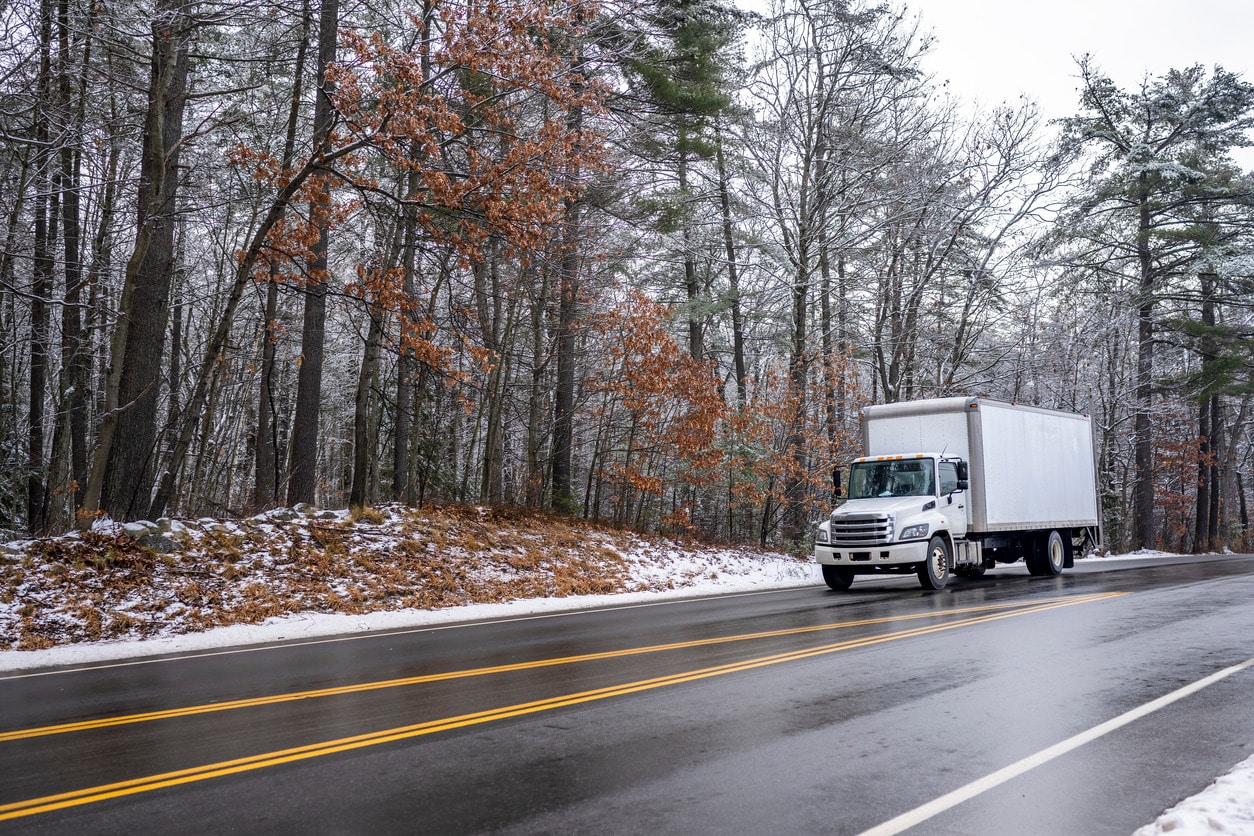
Truck owners in New York City really have to brace themselves for winter’s icy grip. Snow and ice on sidewalks, parking lots, and around trucks can turn everyday routines into hazards. Simple steps—like wearing sturdy boots, using handholds, and checking your path each morning—can make a big difference in avoiding slip and fall accidents during those cold months.
Staying alert and sticking to safe habits around trucks helps cut down on accidents when everything’s slick. Don’t rush, test the ground before stepping, and try to keep your shoes dry. If you do end up taking a spill, it’s smart to know your rights and maybe talk to NYC slip and fall lawyers who handle injury claims tied to negligence.
Essential Winter Preparations to Prevent Slips and Falls
Getting ready for winter means paying extra attention to truck entry and exit areas, choosing the right footwear, and having a solid plan for snow and ice removal. These steps help cut down on slip risks and keep things running more smoothly, even when the weather’s working against you.
Inspecting and Maintaining Truck Entry and Exit Points
Truck entry and exit spots can get nasty in winter, thanks to icy buildup and packed snow. Check these areas regularly for slick patches, cracks, or wobbly steps. Slapping on some non-slip tape or mats helps a lot with traction when things freeze up.
Handrails need to be sturdy and right where drivers grab them—don’t let them get loose. Make repairs right away if something’s off. Good lighting around these spots is a must, especially with those early winter sunsets. And don’t let snow and ice pile up—clear them out frequently to keep things safe.
Choosing Proper Footwear and Equipment
Footwear with real tread and grip is a must. Rubber-soled boots or shoes designed for winter give you better footing on ice. Insulation is nice for warmth, but don’t let it come at the expense of traction.
Some truck operators use ice cleats that snap onto boots for extra grip—that’s worth considering. Gloves that let you get a solid hold on handrails are helpful too. And try to keep your shoes dry; swap them out or wipe them off if they get wet, since soggy soles are a recipe for slipping.
Ice and Snow Removal Strategies for Truck Owners
Staying ahead of ice and snow buildup around your truck is key. Salt or sand can help melt ice and give your feet something to grip. Don’t wait for it to pile up—clearing snow from steps, platforms, and walkways a few times a day is a good idea during big storms.
Black ice is sneaky and dangerous, so keep an eye out. Test surfaces before stepping, and toss down something absorbent for extra grip if needed. Having a shovel and ice scraper handy makes it easier to tackle new patches before they get out of hand.
Staying Safe in New York City Winters: Reducing Slip and Fall Risks
NYC winters bring their own set of headaches for anyone working around trucks. Knowing where ice tends to linger, what kinds of injuries can happen, and who’s supposed to keep walkways safe is all part of staying out of trouble when the weather turns rough.
Recognizing Common Hazardous Areas in NYC
Some spots in New York just seem to collect ice and snow—sidewalks by truck parking, loading zones, or anywhere snow gets packed down by foot traffic. Clearing isn’t always consistent, so these places can be especially risky.
Entryways where trucks stop get slippery fast, especially when melting ice refreezes or snow gets tracked indoors. Crosswalks, subway entrances, and uneven sidewalks can also stay icy longer, thanks to poor drainage or shade.
If you’re operating a truck, keep an eye on these areas and stick to routes that are cleared and treated. Good boots and avoiding icy shortcuts go a long way toward keeping you upright.
Understanding Injury Risks from Slips and Falls
Falls on ice can do real damage—sprains, broken bones, concussions, even brain injuries. Sometimes you don’t notice the problem right away, especially if you hit your head or strain something internally.
It’s even riskier if you’re carrying gear or cargo—a quick slip can turn into a bad injury and a long recovery. Plus, being stuck out in the cold after a fall can lead to hypothermia or frostbite if you’re not careful.
If you do fall, don’t brush it off. Get checked out, even if you feel okay at first. Pay attention to symptoms like dizziness or pain that sticks around—catching issues early can make a big difference.
Responsibility of Property Owners and Truck Operators
In New York City winters, keeping walkways safe isn’t just a nice gesture—it’s a legal must for property managers, landlords, and business owners, especially those in charge of truck facilities. Clearing snow quickly, salting, and making sure sidewalks and entryways aren’t icy is part of the deal.
Truck owners aren’t off the hook, either. They’ve got to make sure their parked rigs and loading zones don’t turn into extra hazards, like blocking drains or nudging people onto slick, untreated patches. Inside, it’s worth double-checking that loading docks and warehouse floors are clear, and maybe tossing down some slip-resistant mats if things get messy.