
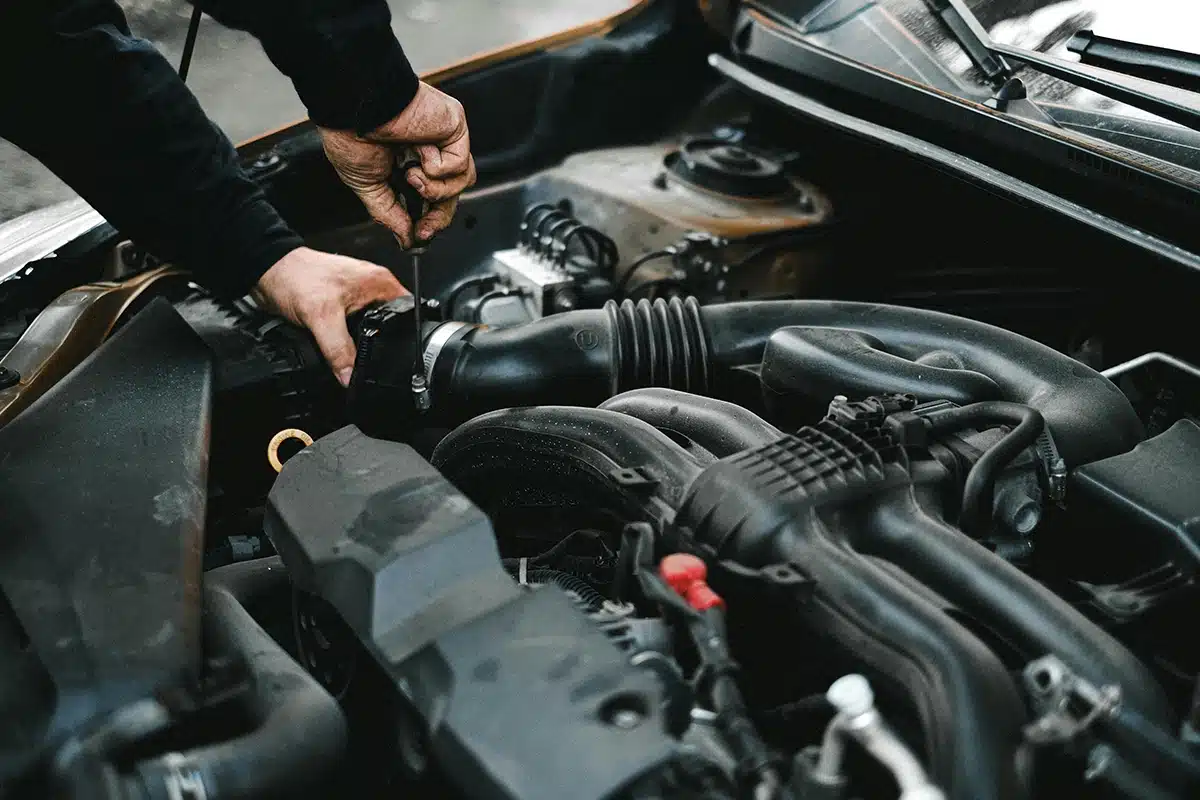
For several years, an ongoing battle over Right to Repair laws have been a hot topic and now Maine is set to be the second state to finalize its bill meanwhile a new bill for Congress could end the fight.
What is the Right to Repair Law?
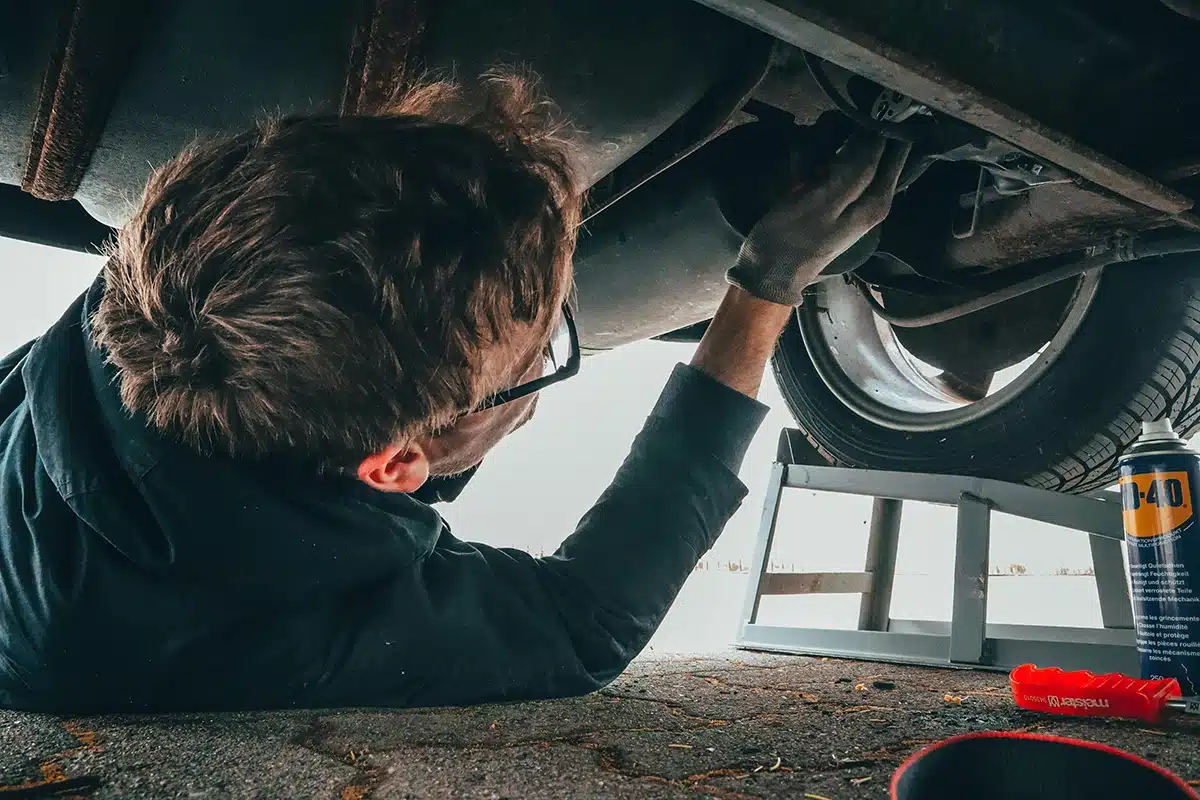
The Right to Repair laws are meant to provide the same access to telematics information that franchise dealerships have and many independent repair shops don’t. This has become an increasingly hot topic with newer vehicles using increasingly complex software.
Lawmakers have looked to passing legislation to force automakers to sell access to independent shops in order to provide consumers with more choice when shopping for repairs and hopefully the more choices will help drive down prices.
This first law was passed in 2012 when the state of Massachusetts, by voter ballot, required manufacturers to sell owners and independent repair shops the same diagnostic and repair information made available to the manufacturer’s dealers.
The law was quickly challenged in court by the Alliance for Automotive Innovation had filed the lawsuit claiming the law violated eight different Federal laws. It was recently upheld by a Federal judge.
Now, Maine is primed to pass its own law starting in 2026, however, not without controversy.
Then, there is a Federal bill that could supersede both state laws.
Critics of the Laws
On paper, this seems like a necessary step to force automakers to open up their vehicles to not only their dealerships and keep independent, and less costly repair shops in operation, however, it isn’t so cut and dried.
First, critics point out there are privacy concerns the laws don’t account for in opening up all the telematics. Automakers and lawmakers have both made this claim.
“Automakers have indicated, and are already demonstrating in Massachusetts, that if forced to comply with open telematics access requirements of Subsection 6 of the repair law, they will disable telematics altogether to protect consumer safety, avoid federal liability, and comply with cybersecurity regulations,” Maine Rep. Tiffany Roberts said in a statement proposing five revisions to Maine’s Right to Repair bill. “That is not a hypothetical threat, it’s already happening.
This bill offers me a chance to avoid the unintended consequences unfolding in other states… What’s the risk? Telematics will be disabled. Manufacturers are subject to federal cybersecurity obligations under the Vehicle Safety Act and the FTC. In June of 2023, NHTSA explicitly warned that open telematics mandates, like those in Maine and Massachusetts, could enable remote manipulation of vehicle systems and pose significant safety concerns. As a result, some automakers have already turned off telematics in Massachusetts models to avoid violating federal law and exposing drivers to hacking risks. If Maine proceeds without this exclusion, we are inviting the same outcome. Consumers will lose features they rely on, and the climate impact will be considerable.”
Second, there’s been a long-standing memorandum of understanding between automakers and independent shops signed back in 2014 and reaffirmed in 2023. Roberts and many others have pointed this out and state Right to Repair bills are simply examples of government overreach.
Third, critics, like the Alliance for Automotive Innovation, point out this has nothing to do with automakers profit with 70 percent of warranty work already performed at independent repair shops.
New SAFER bill could End Discussion
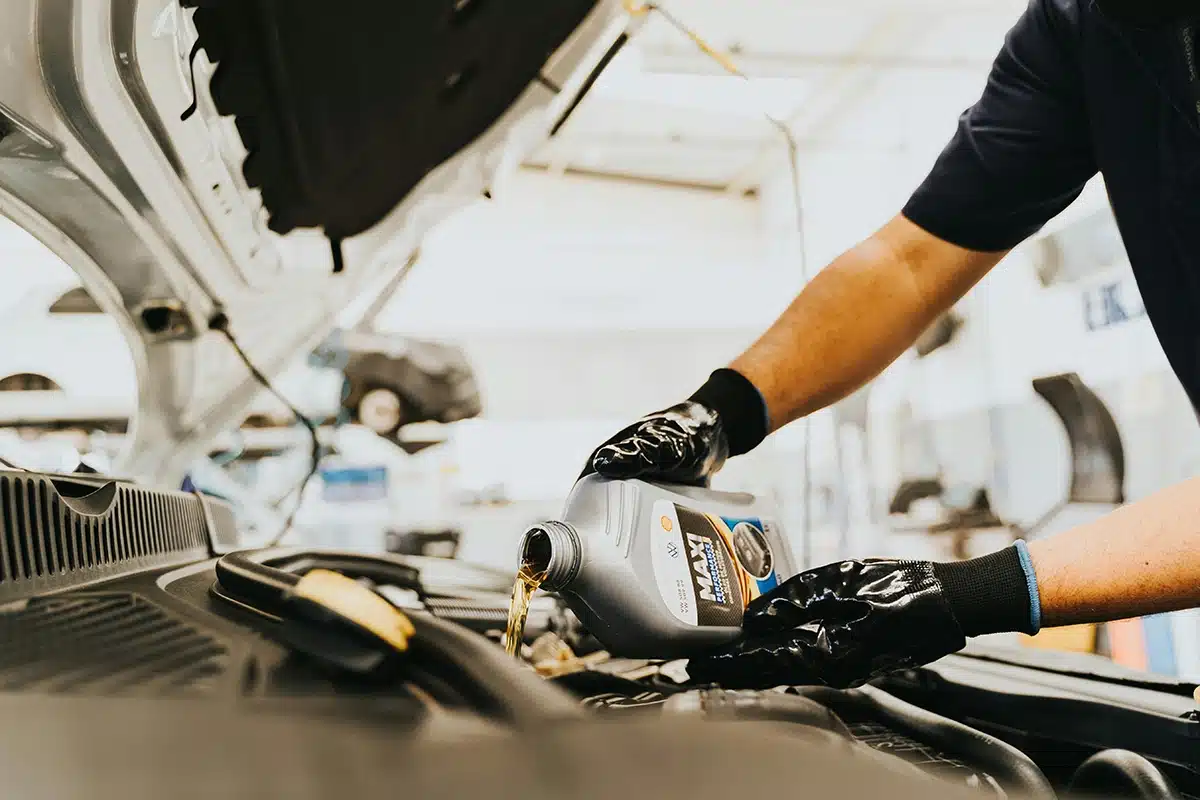
In May, 2025 a new Safety as First Emphasis (SAFE) Repair Act was introduced to Congress members as an alternative bill to address everyone’s needs.
Created by the Automotive Service Association, Society of Collision Repair Specialists and Alliance for Automotive Innovation, the SAFE repair act builds on the 2023 memorandum of understanding and works to pass a Federal law on right to repair rules.
“While… existing frameworks have created a thriving and competitive repair marketplace, we understand the desire for a federal legislative solution that addresses evolving consumer expectations and technological advancements,” Alliance for Automotive Innovation stated it said in a letter to Congress on their website when presenting the bill. “That’s why our three organizations have come together to propose a new path forward – one that builds on existing protections while introducing additional measures to prioritize consumer safety and choice.”
The act specifically:
- Promotes inspection programs: Supports periodic safety inspection and post-collision inspection programs to safeguard against unsafe or improper repairs.
- Affirmation of vehicle data access: Ensures consumers and independent repair shops have data needed to repair vehicles.
- Empowers consumers: Ensures consumers retain the right to decide where and how their vehicles are repaired.
- Prioritizes vehicle safety: Guarantees repairs are performed in accordance with manufacturer-produced repair procedures to restore vehicle safety systems and structural integrity.
- Offers part choices: Ensures consumers have a choice between original equipment manufacturer (OEM) parts and non-OEM repair parts.
- Protects non-OEM choices: Extends the same recall and safety protections to customers choosing non-OEM parts as currently available for customers choosing OEM parts.
- Enhances transparency: Requires disclosure of prior alterations or repairs for used vehicles.
Is the SAFE Act better than Right to Repair?
Proponents of the SAFE act claim it is better than the Right to Repair laws in several key ways.
First, it includes a component of vehicle safety. This was not part of the current Right to Repair laws in place.
Second, it doesn’t rely on vague ideas on who safeguards data or oversees the programs like the Maine law does.
“Did you know that current Maine law states that an ‘independent entity,’ with no government oversight, is required to store and give access to all of your vehicle-generated data? It’s true,” wrote Rep. Amanda Collamore (R-District 68) according to Repairerdrivennews.com.
Right to Repair Advocates Fire Back

In Maine, the fight is just getting going with the Governor opting to not sign a bill making a change to their law and instead opting to push the issue into the New Year.
The changes include “clarifying changes regarding required equipment, access to diagnostic and repair functions, and enforcement.” If the governor doesn’t veto it in the first three days of the new session, it automatically becomes law.
Tommy Hickey, director of the Maine Automotive Right to Repair Coalition, has also been at the forefront of pushing back at what he sees as automaker’s influence on some members and statements made by Collamore and Rep. Tiffany Roberts.
Hickey disagrees and said he was proud of the work the working group has done over the past two years to get the law ready to go after 84% of the population voted for the Right to Repair bill.
“I urge you to all pass the unanimous recommendations put forth by the working group,” Hickey said according to Repairdrivennews.com. “This will put the proper folks with the right expertise so that they can implement this law to the betterment of Maine drivers… This is strictly about mechanical information. I heard a lot about unfettered access to personal data.”
He believes all that access to personal data to be fear mongering by the automakers. This is about fairness for consumers and simply mechanical information, period.
While the fight over Right to Repair bills is far from over, next year could be a big year with more consumers impacted by them one way or another.








2 replies
Loading new replies...
Administrator
Well-known member
Member
Join the full discussion at the Forum Pickuptrucktalk →