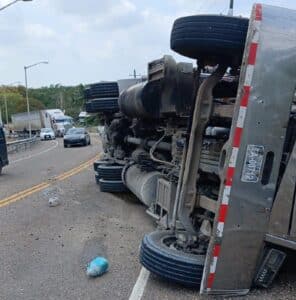
Road incidents are rising, and even careful drivers can face sudden problems caused by others. A small bump in a parking lot, a harsh brake from the car ahead, or a careless lane shift can create stress and confusion. In many cases, proving what truly happened becomes the hardest part.
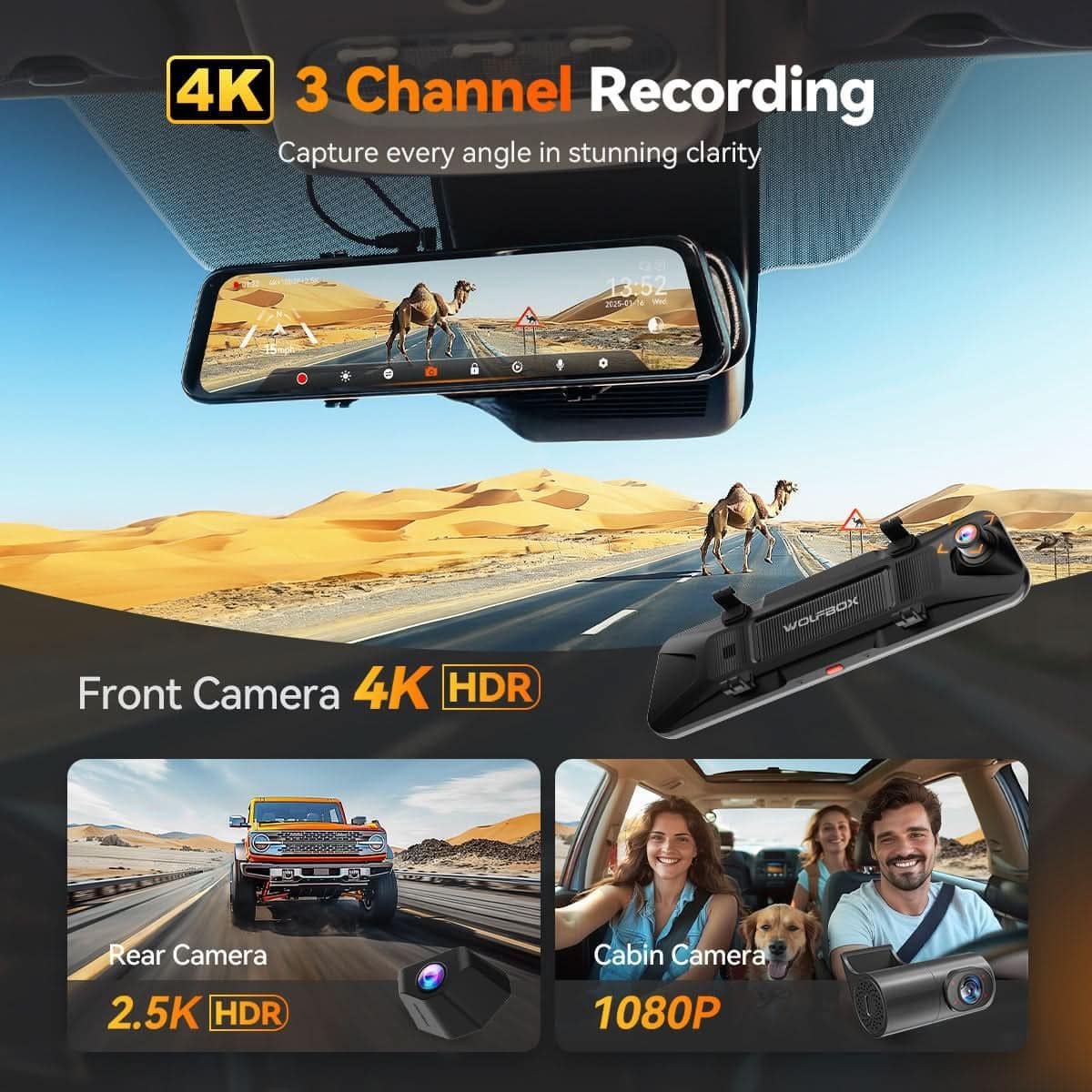
More drivers now turn to a 3 channel dash cam because single-lens systems leave too many gaps. With three lenses recording the front, rear, and inside of the car at the same time, every angle is covered.
The system captures small details that help during claims, disputes, and unexpected road events. It gives the kind of support that helps drivers feel more secure each time they head out.
What a 3 Channel Dash Cam Records
A 3 lens system covers the car from three sides. Each part plays a specific role in giving you stronger proof whenever something happens.
1. Front Lens — Road Ahead
This lens captures everything happening in front of the car. From traffic movement to sudden braking, it records incidents that may lead to disputes. It also helps capture license plates, road signs, or actions of a reckless driver who cuts across your lane.
2. Rear Lens — Protection Against Tailgaters and Rear Collisions
Rear-end crashes happen often, especially in slow traffic or when the driver behind you is distracted. The rear camera captures the entire event clearly, helping you show what actually happened. It also records anyone following too closely, which becomes useful evidence if the situation escalates.
3. Interior Lens — Safety for Drivers and Passengers
The interior lens is valuable for rideshare cars, families, taxi services, and rental fleet owners. It records what happens inside the car, such as passenger behaviour or situations that need supporting proof. Parents often use it to keep an eye on teen driving habits, and it protects drivers from unfair complaints.
Why a 3 Channel Dash Cam Provides Better Protection
The strongest benefit of this setup is that each lens covers a specific angle. Together, they work as a full protection system. Here are the most helpful advantages.
1. Strong Evidence in Road Disputes
Road arguments usually happen when two sides disagree on who caused the incident. Without proper proof, the situation can drag on for days. A 3 lens setup records the full scene, leaving no missing angles. If another driver side-swipes you or makes a sudden turn, all angles are recorded clearly. This saves time and prevents unfair blame.
2. Faster and Smoother Insurance Claims
Insurance companies prioritise clear proof. When multiple camera angles support your side of the story, the claim process becomes easier. Footage from a 3 channel dash cam can shorten investigation time, allowing your case to move forward without delay. It also protects you from false accusations, especially in situations where the other driver tries to shift responsibility.
3. Better Parking Security
Parking areas expose cars to scratches, bumps, and hit-and-run scenarios. Since many places do not have security cameras, finding the responsible person becomes difficult. This system monitors the car even when the engine is off. Motion and impact recording allow the camera to save footage automatically if someone approaches or hits the car. The interior and rear lenses help identify movement around the vehicle during late hours, providing a solid layer of protection.
4. Protection Against Hit-and-Run Cases
Hit-and-run cases are frustrating because they leave you with repair costs and no information about the offender. A 3 lens camera increases the chance of capturing the event from at least one angle. For example, if someone bumps into your rear bumper at a shopping mall, the rear camera records the moment, and nearby movement may also be captured by the interior lens through the window. Even partial footage of the vehicle or license plate can be enough to support your case during claims.
5. Safety for Rideshare and Taxi Drivers
Drivers working with Uber, Lyft, Careem, or other services face various types of situations, including disagreements over fares, property damage, or unsafe behaviour. The interior camera acts as a protective measure because it records everything happening inside the car. This protects both the driver and passengers from misunderstandings. Many platforms also encourage their drivers to install multi-lens systems for stronger safety.
6. Monitoring for Teen or New Drivers
Parents often worry when a new driver takes the car out alone. A 3 lens system helps parents understand how their teens handle the road. The interior lens shows driving habits, while the front and rear lenses capture road conditions and interactions with other drivers. It helps guide young drivers to improve their safety habits over time.
7. Support for Fleet and Company Vehicles
Companies that manage delivery vans, service cars, or rental fleets find this system helpful. It provides proof during driver disputes, accidents, and parking damage. When multiple employees use the same vehicle, multi-angle footage prevents confusion and helps maintain accountability.
How a 3 Channel Dash Cam Improves Daily Driving
Daily driving involves more than just moving from one place to another. Situations change quickly, and having full footage becomes useful in several ways.
Helps Capture Sudden Lane Changes
Other drivers may switch lanes without signaling. The front and interior lenses capture both movement around your car and your reaction as a driver. If the event leads to an incident, you have clear sequence footage.
Useful in Low-Light or Night Driving
Many systems include night vision features that help record clear footage even in dark areas or poorly lit streets. Night clarity is helpful for identifying vehicles or actions around you.
Automatic Emergency Recording
If your car experiences sudden braking, a bump, or a rapid change in motion, the system automatically saves the event. This prevents loss of important footage in unexpected moments.
Single Lens vs Dual Lens vs 3 Channel Dash Cam
Here’s a simple comparison that helps readers quickly understand the difference:
| Feature | Single Lens | Dual Lens | 3 Channel Dash Cam |
| Front view | Yes | Yes | Yes |
| Rear view | No | Yes | Yes |
| Interior / Extra Angle View | No | No | Yes |
| Parking coverage | Limited | Moderate | Strong |
| Dispute support | Low | Medium | High |
This table shows why more drivers prefer upgrading to full-angle coverage.
Who Should Consider Using a 3 Channel Dash Cam
This setup is suitable for a wide range of users:
- Daily commuters
- Highway drivers
- People who park in busy areas
- Rideshare drivers
- Taxi drivers
- Parents with teen drivers
- Fleet owners
- People who have faced past disputes or parking incidents
If someone relies heavily on their car for work or long travel, this camera system offers strong peace of mind.
Tips for Selecting the Right 3 Channel Dash Cam
To get the best quality, here are features worth checking:
Lens Recording Quality
Try choosing a system with 1080p or higher resolution for all three lenses. Higher clarity helps identify faces, plates, and fine details.
Night Recording Support
A camera with better night clarity avoids blurry footage in dark areas. This is especially important for parking lots and low-light roads.
Parking Mode Features
Strong parking features include motion detection, impact detection, and automatic recording. These options help protect your car when you’re not around.
Storage and Loop Recording
Make sure the device supports a memory card with enough space and overwrites old footage cleanly. This prevents storage errors during long trips.
Wide-Angle Coverage
A wider field of view captures more activity around your car. A strong camera typically covers over 140 degrees per lens.
Why Full-Angle Coverage Matters Today
Road situations have become harder to predict, and many issues arise from the actions of other drivers. Cars drift across lanes, sudden stops happen without warning, and large vehicles often block your view. A single camera can only capture a small portion of these moments, leaving many details missing when proof is needed later.
Full-angle coverage records the entire surroundings of your car at the same time. The front lens shows what happened ahead, the rear lens captures movement behind you, and the interior lens helps record activity inside and around the windows. When an event occurs, all three angles work together to save the moment clearly.
Parking areas make this even more important. Many scratches, bumps, and hit-and-run cases take place when the owner is not present. With coverage from all sides, the chance of identifying the cause becomes much higher.
Insurance teams also prefer complete recordings for claims. When all angles are available, reviews move faster, and disputes become easier to handle. Drivers feel more secure because nothing is left unseen, both on the road and when the car is parked.
Final Thoughts
A 3 channel system is becoming an essential part of driving safety. With three lenses recording at once, you get better support during incidents, stronger protection in parking areas, and clear proof for insurance cases.
It also helps rideshare drivers, families, and fleet managers maintain a safer environment for everyone in the car. When all angles are recorded, you feel more secure both on the road and when the car is parked. For anyone wanting wider protection, a setup like this is a strong choice.
FAQs
1. What is a 3 channel dash cam?
It’s a car camera system that records the front, rear, and interior of the vehicle at the same time.
2. Is a 3 channel dash cam better than a dual dash cam?
Yes, it offers an extra interior view, giving stronger proof during incidents and parking damage.
3. Does a 3 channel dash cam help in insurance claims?
Yes, multiple angles make it easier to show what happened, which speeds up claim reviews.
4. Can a 3 channel dash cam record while the car is parked?
Most models offer parking mode, allowing the camera to record motion or impact events when the engine is off.
5. Do rideshare drivers need a 3 channel dash cam?
Many prefer it because the interior lens helps document passenger activity and prevents false complaints.
6. Will the interior camera record at night?
Yes, many models include night support that captures clear footage inside the car after dark.
7. Does a 3 channel dash cam drain the car battery?
Quality models use low-power parking mode or hardwire kits designed to protect battery levels.
8. How much storage does a 3 channel dash cam require?
Since it records from three angles, a larger card such as 128GB or 256GB works best.
9. Is installation difficult?
Most cameras include simple mounting steps, but some drivers prefer professional installation for cleaner wiring.
10. Can the interior camera be turned off?
Yes, most devices allow disabling or adjusting the interior lens for privacy when needed.