
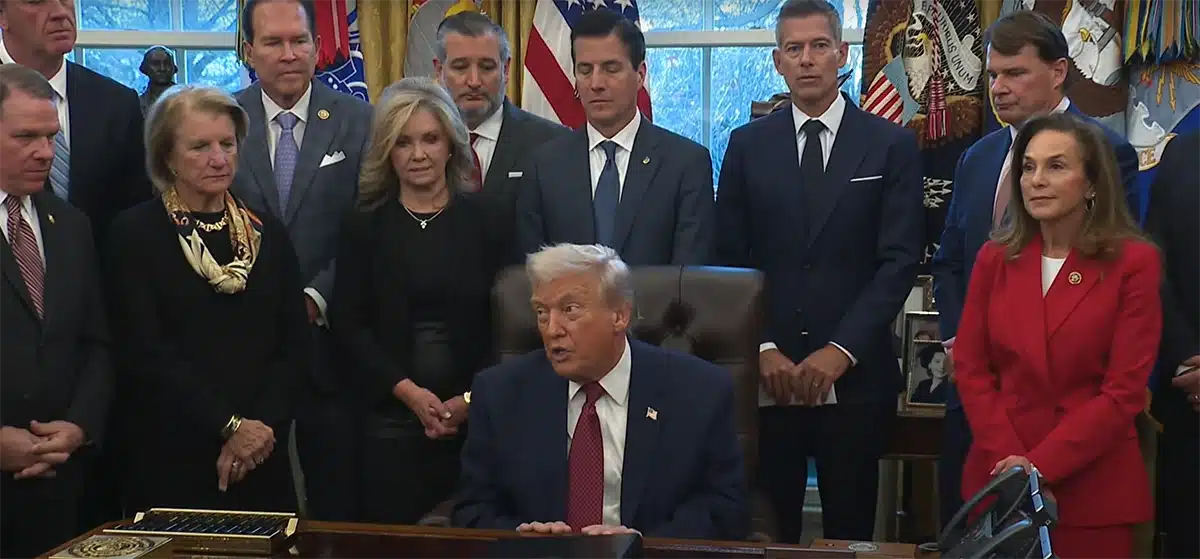
President Trump CAFE standards plan aims to rollback Biden-era fuel economy targets to 34.5 MPG and reduce new vehicle prices was unveiled today with legislators and automotive leaders in attendance.
The new Corporate Average Fuel Economy (CAFE) standards could have an impact on your next truck purchase by the year 2031.
Why Rollback the Standards?
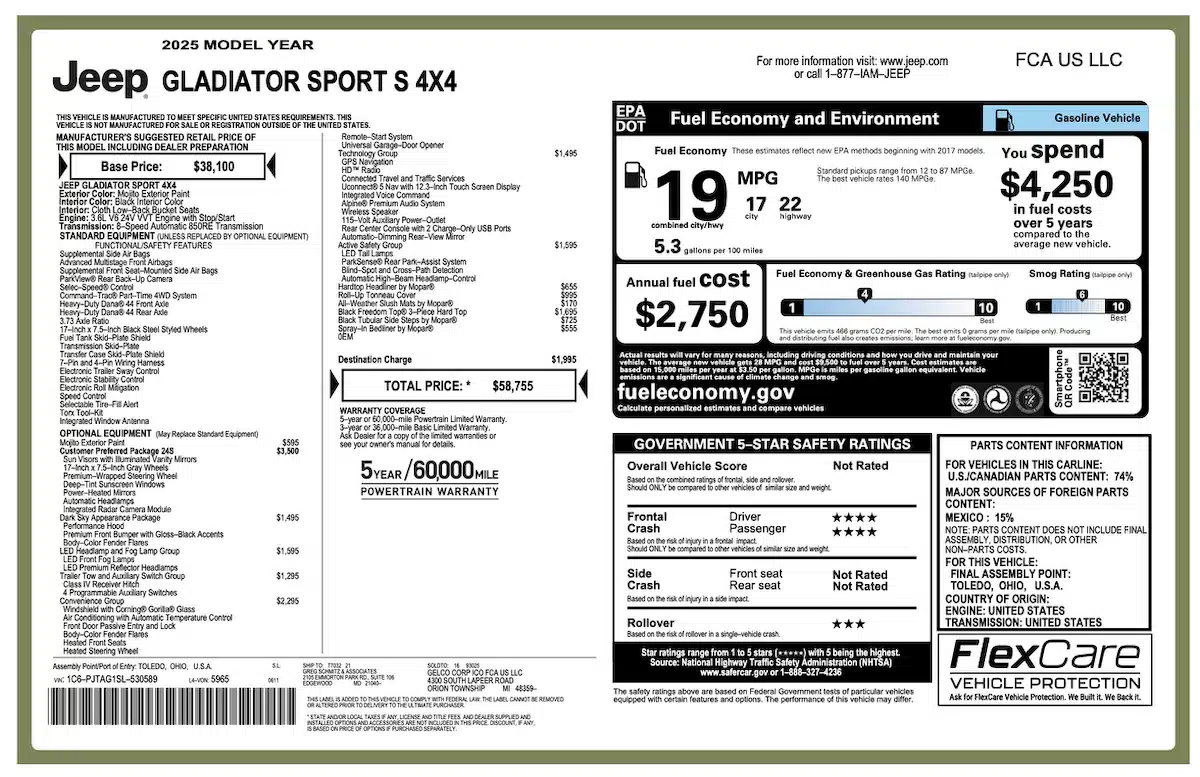
A fact sheet on Whitehouse.gov details the need for the rollback.
It points to three key reasons why the rollback needs to happen:
- President Trump is returning CAFE standards to levels that can actually be met with conventional gasoline and diesel vehicles. The Biden Administration standards imposed unrealistic fuel economy targets that effectively resulted in an electric vehicle (EV) mandate.
- The Trump Administration’s reset of the CAFE standards ensures the program’s fidelity to the legal restrictions set forth by Congress.
- The Biden standards broke the law by going far beyond the requirements that were mandated by Congress when it created the CAFE program.
“Joe Biden and Pete Buttigieg illegally twisted mileage standards to create an electric vehicle mandate — jacking up car prices for American families and forcing manufacturers to produce vehicles no one wanted,” Transportation Secretary Sean Duffy said in a statement. “I’m proud to stand with President Trump in the Oval Office today to say that those days are over.”
Trump CAFE standards plan
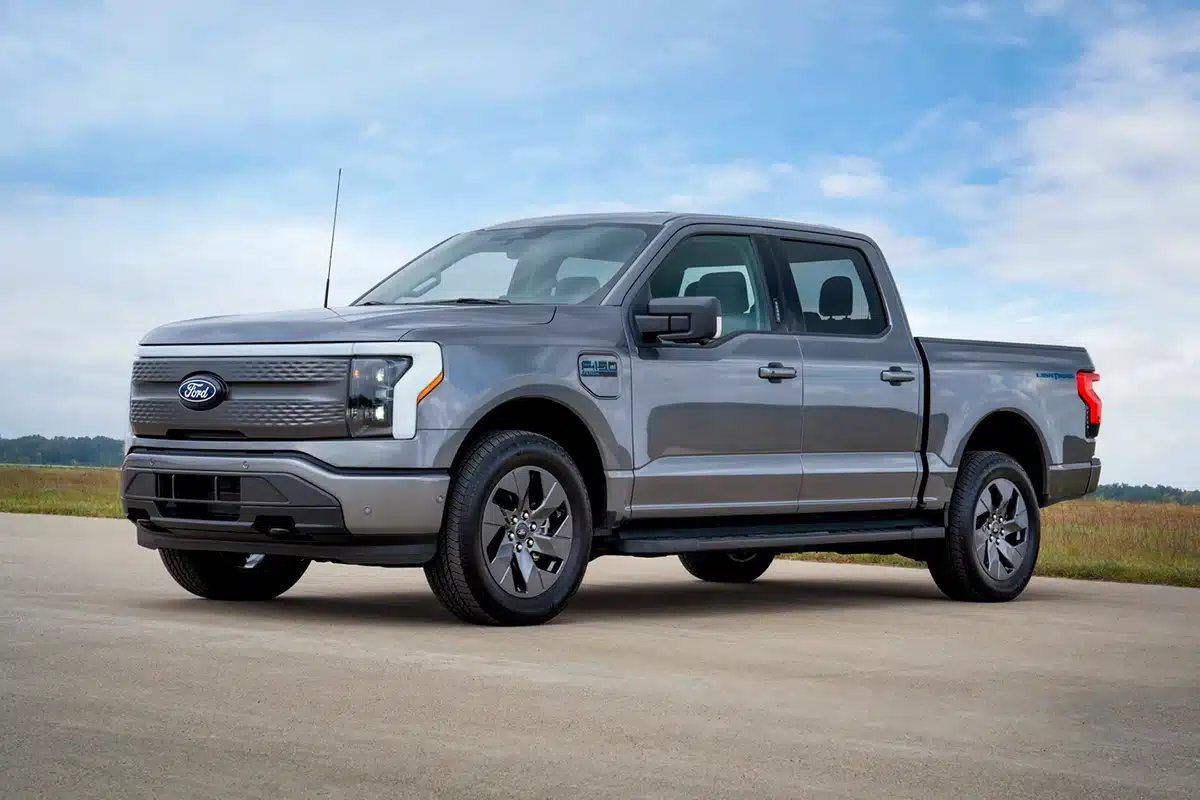
The new Trump CAFE standards aim to dramatically reduce the fuel economy targets set by the Biden administration of 50.4 MPG by 2031.
These targets apply across the entire automakers fleet of vehicles and there are a dizzying array of ways the fuel economy is actually calculated with various credits for different powertrains.
Basically, the Biden-era CAFE targets were a slight reduction in the targets set by former President Obama which President Trump rescinded in 2020 during his first term.
When President Trump rescinded those standards he pointed to the Obama targets as costing consumers by making vehicles more expensive through complex new powertrains which are more expensive to repair.
The new proposal makes the same argument specifically targeting the electric vehicle push by Biden and states Trump’s CAFE rules will save consumers money on new vehicles by not forcing consumers to purchase them.
They also stated, “If President Trump had done nothing, the Biden standards would have raised the average cost of a new car by nearly $1,000, relative to the cost under the standards announced today.”
What happens next?
This proposal is just the first step in a lengthy process.
First, the proposal will be turned into a “Notice of Proposed Rulemaking” an official, public document and published on the Federal Register.
Then, there is a public comment period lasting from 30 to 60 days where interested parties can give feedback to the rule making.
After this is completed a Final Rule Publication is printed after the National Highway Traffic Safety Administration (NHTSA) and the Environment Protection Agency (EPA) put together their various parts of the rule.
This process can take a year or longer especially if there are legal challenges or policy issues to address.
After the rule is finalized then automakers must design and engineer their vehicles to meet the new standards when they take effect.
Since this process takes years and automakers take years to bring new vehicles to market, this is why the CAFE rules are written for future model years.
What Impact Will These Rules Have on Your Next Truck Purchase?
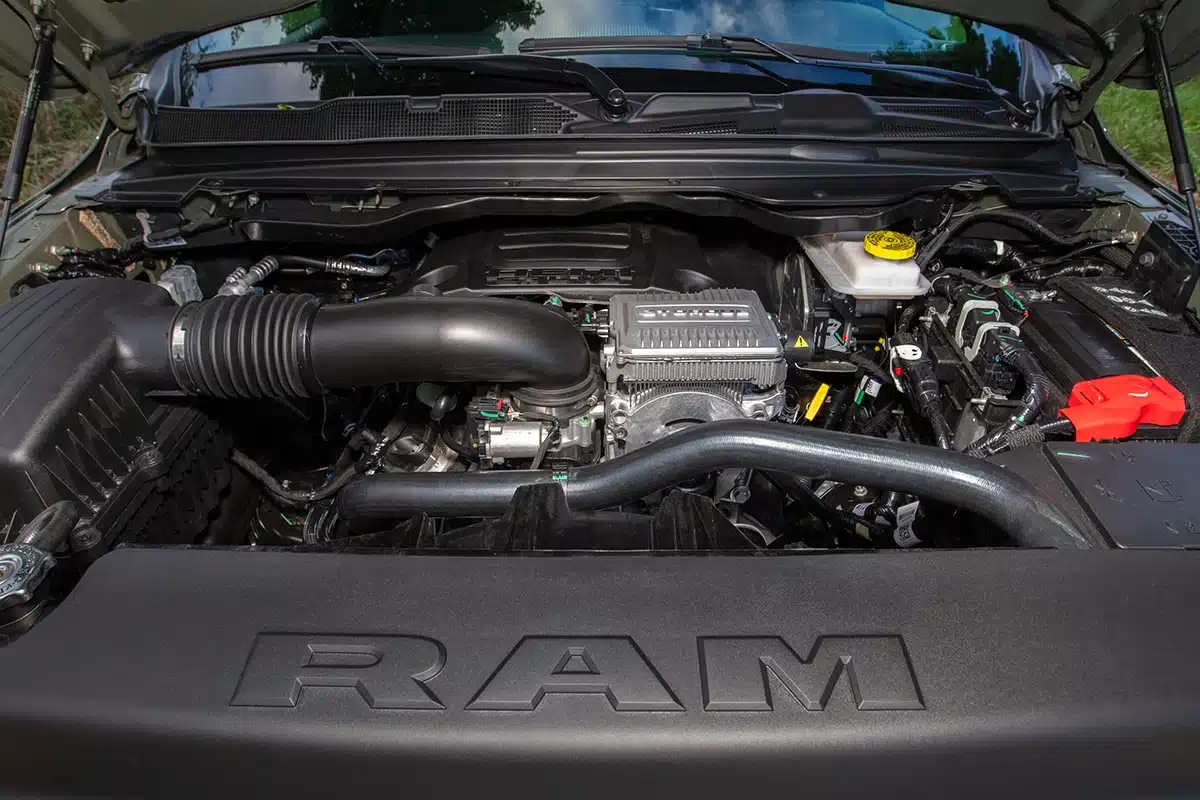
The big unknown is what is going to happen 5 model years from now when the 2031 trucks arrive at dealership lots.
If these rules follow the past SAFE vehicles act President Trump signed into law in 2020, the answer is not much for gasoline and diesel trucks.
Back then, he reduced the push for MPG improvements and CO2 reductions from 5 percent to 1.5 percent.
The idea now is to rollback the push on electric vehicles and rolling back the Biden-era standards will largely affect those vehicles.
For gasoline and diesel trucks, there is some thought U.S. automakers won’t be investing as much in U.S. electric vehicles and they will pass that savings onto U.S. consumers.
It is hard to say if that’s the case with automakers investing in future electric-vehicle technology for the global market.
And you have the Level 4 Emissions rules set to take effect in 2027 already leading to gasoline particulate filters and GM saying their next-generation of V8 engines will be electrified in some manner as either hybrids or plug-in hybrids.
Time will tell.








5 replies
Loading new replies...
Administrator
Well-known member
Moderator
Administrator
Well-known member
Well-known member
Join the full discussion at the Forum Pickuptrucktalk →