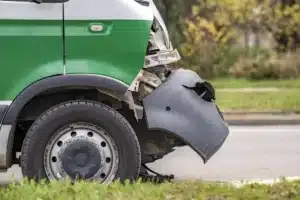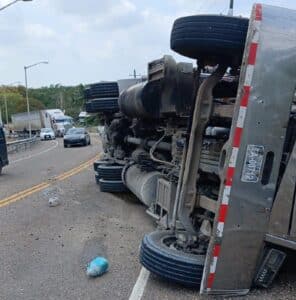
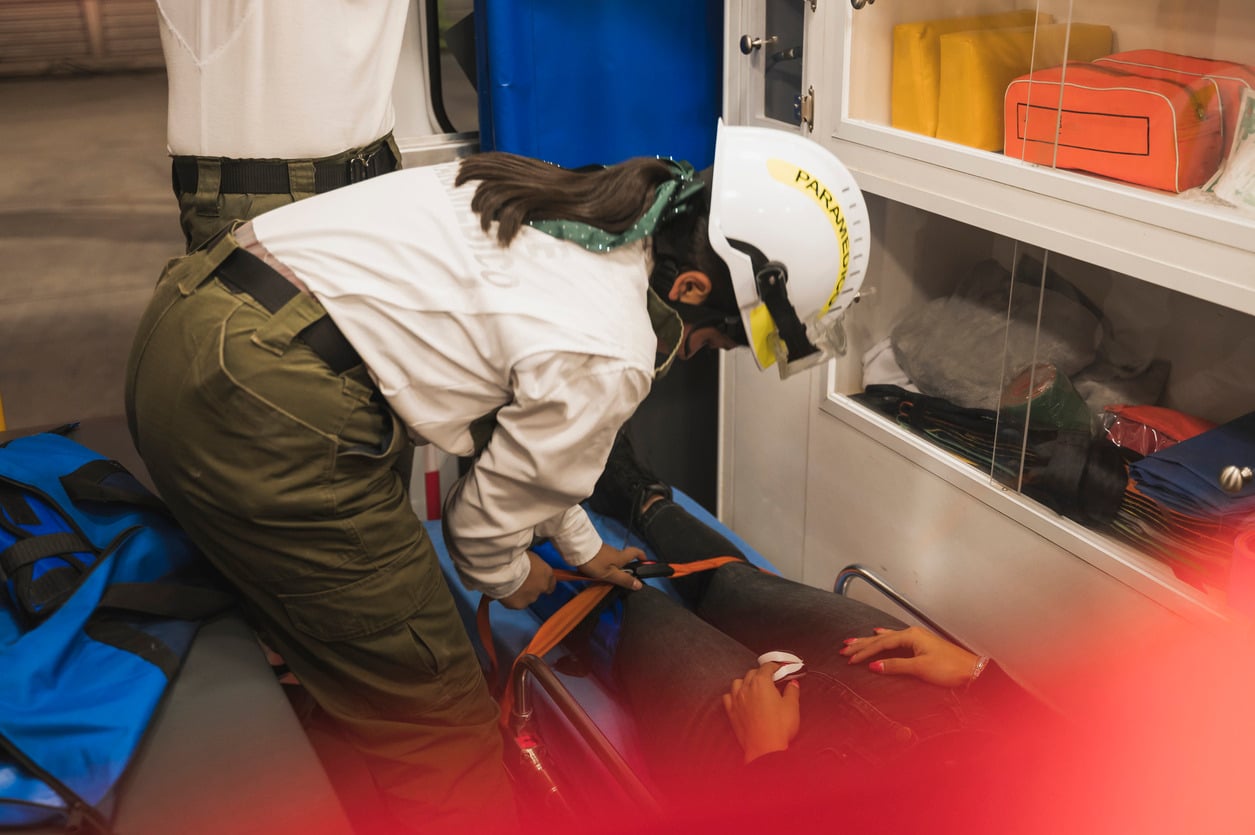
Truck collisions often cause injuries that don’t show symptoms right away, leaving many people totally unaware of the harm brewing beneath the surface. Some injuries, like internal bleeding or concussions, might only become apparent days or weeks later, so getting checked by a doctor quickly is honestly pretty important if you want to avoid nasty complications. Ignoring these hidden damages can not only make your health worse, but it’ll also make it harder to prove any legal claim tied to the accident later on.
Even if you feel okay immediately after an accident, small signs—headaches, swelling, stiffness—might be your body’s way of waving a red flag. It’s smart to get a thorough medical checkup as soon as you can. Early documentation makes future injury claims way easier and keeps the responsible parties in the hot seat.
Being aware of these delayed symptoms is a big deal for anyone involved in a truck accident, especially in California, where highway wrecks are all too common. Quick medical care and some solid advice from a personal injury pro can make all the difference for both your health and your wallet. If you’re in this situation, consulting a legal professional is honestly just common sense.
Hidden Injuries After a Truck Accident in California
In California truck collisions, injuries often don’t show up right away. Physical and neurological damage can creep up on you, so catching things early is key for truck accident victims. Why do some injuries fly under the radar? What types can pop up later? And how do these big commercial vehicles play into it all? It’s worth digging into.
Why Truck Accident Injuries Can Be Overlooked
After a crash, your body’s natural reaction is to drown out pain—adrenaline and shock can make you feel oddly fine, at least for a little while. Sometimes, people shrug off minor aches and skip the doctor, figuring it’ll pass.
Soft tissue injuries, like muscle tears or ligament strains, usually don’t get really painful until days later. Internal trauma—think organ injuries or bleeding—can be even sneakier, sometimes not showing any clear symptoms at first. And cognitive injuries? They might just seem like a little forgetfulness or dizziness until things get worse.
It’s easy to downplay how bad things are and put off treatment, but that just makes recovery and any future legal fight a whole lot messier.
Types of Delayed Injuries: From Internal Bleeding to Traumatic Brain Injuries
Some injuries from truck accidents show up slowly and silently but can be seriously dangerous if ignored. A few of the usual suspects:
- Internal bleeding or organ trauma: Abdominal pain or fainting can get worse over a few days as internal pressure builds up.
- Neck and soft tissue injuries: Those whip-like motions? They strain muscles and ligaments, but pain and stiffness often lag behind.
- Traumatic brain injuries (TBI): Headaches or a little confusion at first can spiral into real neurological trouble.
- Spinal damage: Mild back pain can turn into serious mobility issues as things like herniated discs or nerve compression get worse.
- Psychological effects: Anxiety, sleep problems, or even flashbacks might not hit until days or weeks after the accident.
Impact of Commercial Vehicles and Accident Severity on Injury Detection
Commercial truck collisions hit with a force that’s just on another level compared to regular car crashes. With all that size and weight, these trucks can cause hidden injuries you won’t spot right away.
Even low-speed impacts can do a number on your insides because of the sudden jolts involved. Sometimes, the damage to your car grabs all the attention, and what’s happening to your body gets overlooked. That’s why anyone in a truck crash should really get checked out thoroughly, even if nothing feels broken.
Consequences of Failing to Identify Injuries Early
Missing or brushing off injuries can have some pretty harsh consequences. Physically, if things like internal bleeding or a brain injury aren’t caught, the results can be permanent—or worse.
On the legal side, waiting too long to document injuries can make it tough to get compensated. Insurance companies love to claim your symptoms came from something else, which puts your whole case at risk.
Undetected injuries can also mean drawn-out pain, bigger medical bills, and lost work. Getting treatment and reporting things right away is just smart if you want to protect yourself medically and financially after a California truck crash.
Why Timing and Legal Guidance Are Critical
What you do right after a truck accident in California can shape your medical recovery and legal outcome in a big way. Insurance companies, evidence, deadlines—they all matter more than you might think if you want fair compensation and your rights protected.
How Insurance Companies Respond to Truck Accidents
Insurance companies don’t exactly roll over after a truck accident claim. They’ll look hard at when you got medical treatment and how you reported injuries, and any delay is basically an open invitation for them to question your case.
Adjusters often push back on claims where injuries showed up late, especially if you seemed fine at first. Trucking companies and their insurers will team up to minimize what they owe, sometimes blaming you under pure comparative negligence rules.
Expect them to downplay damages and argue over who’s at fault. The sooner you have medical records and a clear timeline, the stronger your case. If you wait, you’re just giving them ammunition.
Preserving Evidence: Black Box Data and Documentation
Most commercial trucks have electronic logging devices (black boxes) that track speed, braking, and driver hours. If you want that data, you need to move fast—carriers and insurers sometimes aren’t exactly eager to share or keep those records intact.
Other evidence matters too: photos of the damage, cargo inspection reports, witness statements—all of it should be gathered ASAP. Good documentation helps hold trucking companies responsible under respondeat superior, tying the crash back to their employees.
Keeping a detailed log of medical visits, symptoms, and all your communication with insurers adds a lot of weight to your claim. Wait too long, and evidence can disappear or get muddied, making your case a lot shakier.
Statute of Limitations and Pure Comparative Negligence in California
California gives you two years to file a personal injury claim after a truck accident. Miss that window, and courts won’t even look at your case, no matter how bad your injuries are or who’s at fault.
And with the state’s pure comparative negligence rule, your compensation gets cut by your percentage of fault—but you can still recover something even if you’re mostly to blame. That makes it even more important to get legal advice early and figure out who’s really at fault.
Talking to a California truck accident lawyer right away helps you hit deadlines and sort out fault before evidence fades. Honestly, waiting just isn’t worth the risk.
The Role of a Truck Accident Lawyer in Protecting Your Rights
A truck accident attorney who really knows California cases can be a lifeline when you’re dealing with the aftermath—both medically and legally. They’re familiar with the web of federal and state trucking rules from the Federal Motor Carrier Safety Administration, which can really come into play if a violation helped cause the crash.
Legal counsel knows how to dig into technical stuff like black box data and isn’t easily pushed around by trucking companies or their lawyers. That matters when it comes to figuring out what you’ve actually lost—wages, medical bills, and honestly, the pain and emotional mess that follows.
Seasoned attorneys also help make sure you don’t get pressured into settling for less than you deserve. And if it turns out the trucking company or driver acted recklessly, they’ll push for punitive damages too. Having someone like that in your corner can make all the difference as you try to move forward.