
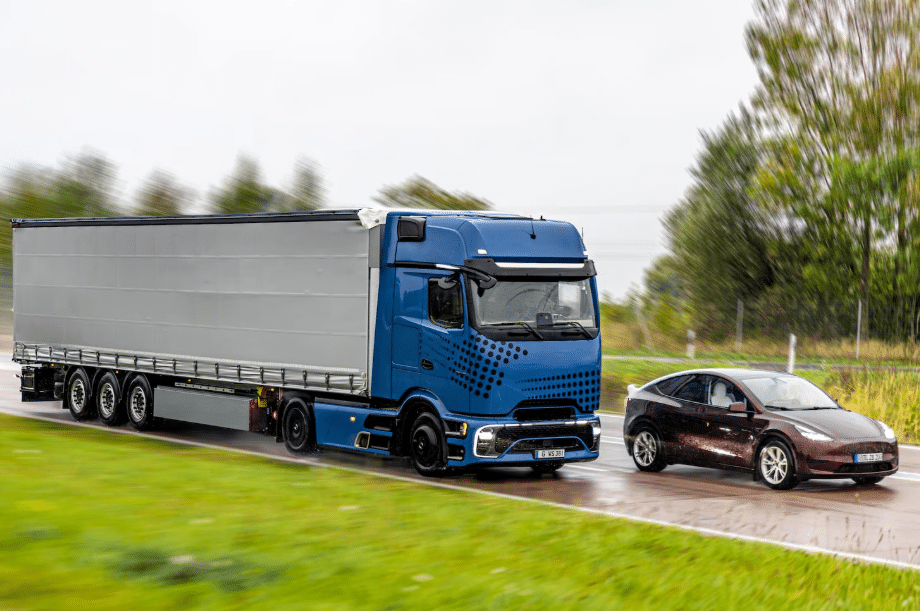
Pickup truck fleets are no longer simple, low-tech operations built around paper logs and basic dispatch calls.
Today’s commercial pickup trucks support construction companies, utilities, logistics providers, field service teams, and regional delivery networks that rely heavily on real-time data and operational intelligence.
From routing and fuel optimisation to maintenance scheduling and compliance reporting, modern pickup truck fleets run on information. Behind that information sits a critical but often overlooked layer: enterprise IT infrastructure.
Reliable servers, storage, and networking systems now play a central role in keeping pickup truck fleets efficient, scalable, and profitable.
The Data Explosion in Pickup Truck Fleet Operations
Every pickup truck in a commercial fleet generates data continuously. Telematics devices track vehicle location, speed, fuel consumption, idle time, and driver behaviour. Fleet management platforms process job assignments, delivery confirmations, service histories, and compliance records.
As fleets grow, this data multiplies quickly. A handful of trucks may be manageable through basic cloud tools, but larger pickup truck fleets often require more control, faster access, and stronger data ownership.
Many fleet operators now rely on hybrid or on-premise systems to ensure performance, reliability, and security.
All of this data must be collected, processed, stored, and made accessible in real time. That responsibility falls squarely on enterprise-grade IT infrastructure.
Why Enterprise-Grade Servers Matter for Fleet Reliability
For pickup truck fleets, downtime is expensive. When dispatch systems fail, maintenance records become unavailable, or routing tools lag, trucks sit idle, and jobs are delayed.
Enterprise-grade servers provide the reliability that fleet operations depend on.
They are designed for:
- Continuous uptime.
- Redundancy and fault tolerance.
- High-volume data processing.
- Secure access across multiple locations.
Unlike consumer-grade hardware, enterprise servers can handle the constant workload generated by large pickup truck fleets without performance degradation.
Simplifying Fleet IT With Single-Source Hardware Procurement
One of the biggest challenges fleet operators face when building or expanding IT systems is hardware procurement. Sourcing servers, storage drives, networking cards, and supporting components from multiple vendors increases the risk of compatibility issues, delays, and inconsistent performance.
Single-source procurement simplifies this process by ensuring that all components are tested, compatible, and available together.
For fleet operators and system integrators supporting pickup truck businesses, working with a Best server computers and server parts wholesale supplier helps reduce deployment risk and speeds up infrastructure rollouts.
This approach allows fleet IT teams to focus on operations rather than troubleshooting mismatched hardware.
Supporting Fleet Management Systems at Scale
Pickup truck fleets rely on a wide range of software systems to stay operational:
- Fleet management platforms.
- Dispatch and job assignment tools.
- Maintenance and service scheduling.
- Parts and inventory tracking.
- Compliance and reporting systems.
All of these applications depend on backend servers to function reliably. As the number of trucks, drivers, and service areas increases, IT infrastructure must scale accordingly.
Enterprise servers support databases, dashboards, and integrations that allow fleet managers to oversee operations across dozens or hundreds of pickup trucks without performance bottlenecks.
Storage, Networking, and Real-Time Connectivity
Data from pickup truck fleets is only valuable if it can be accessed quickly. Storage and networking infrastructure play a key role in ensuring real-time visibility.
High-speed SSDs are commonly used for active fleet data, while larger HDDs support historical records and compliance archives. Network interface cards (NICs) and switches ensure fast communication between servers, dispatch centers, and remote locations.
For fleets operating across wide geographic areas, this infrastructure allows decision-makers to respond immediately to delays, breakdowns, or changing job priorities.
Security, Compliance, and Risk Management
Fleet data includes sensitive information such as vehicle locations, driver details, customer addresses, and service histories. Protecting this data is essential.
Enterprise IT infrastructure provides better security controls, including access management, encrypted storage, and secure network segmentation. Using authentic, enterprise-grade hardware also ensures manufacturer warranty support and reduces the risk of failures caused by counterfeit components.
For pickup truck fleets operating in regulated industries, reliable IT systems help maintain compliance and avoid costly disruptions.
Scaling Pickup Truck Fleets Without IT Bottlenecks
Growth introduces complexity. Adding more pickup trucks means more drivers, more routes, more data, and more system demand. Without a scalable IT infrastructure, fleet expansion can strain operations and reduce efficiency.
Enterprise servers allow fleet operators to scale systems predictably, ensuring that IT capacity grows alongside the fleet. This makes it possible to expand service areas, add vehicles, and onboard new clients without overhauling backend systems.
What Fleet Operators Should Look for in an IT Hardware Partner
For pickup truck fleets investing in IT infrastructure, choosing the right hardware partner matters.
Key factors include:
- Guaranteed component authenticity.
- Bulk availability for large deployments.
- Compatibility across server builds.
- Fast and reliable logistics.
- Support for long-term scalability.
A strong hardware foundation enables fleet operators to focus on running trucks and serving customers, not managing IT problems.
Conclusion
Pickup trucks remain the backbone of countless industries, but modern fleets are powered by more than engines and fuel. Data, connectivity, and reliable IT infrastructure now determine how efficiently those trucks operate.
Enterprise servers, storage, and networking systems form the invisible backbone that keeps pickup truck fleets moving, scaling, and competing in a data-driven world. For fleet operators willing to invest in the right infrastructure, the payoff comes in reliability, efficiency, and long-term growth.