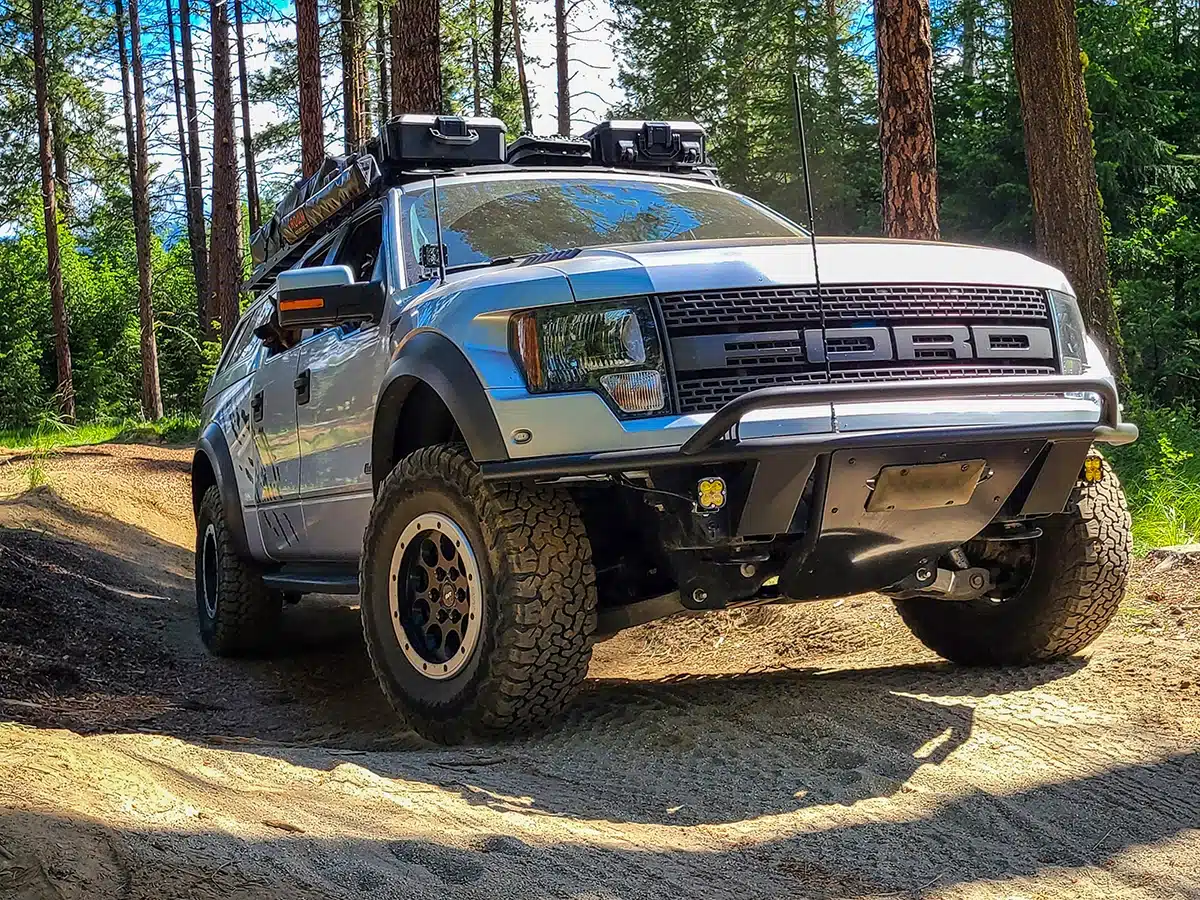
Building and outfitting an overland vehicle might mean different things to different people. It also depends on your destination and location. Despite the often argued about definition of overlanding, you’re usually going off pavement and will be self-sufficient. There are key items that can help make your rig ready for overland adventures. Assuming you already determined your sleeping and cooking arrangement, here are my top five things every overlander should have.
1. Good Off-Road Tires
Andy Lilienthal)
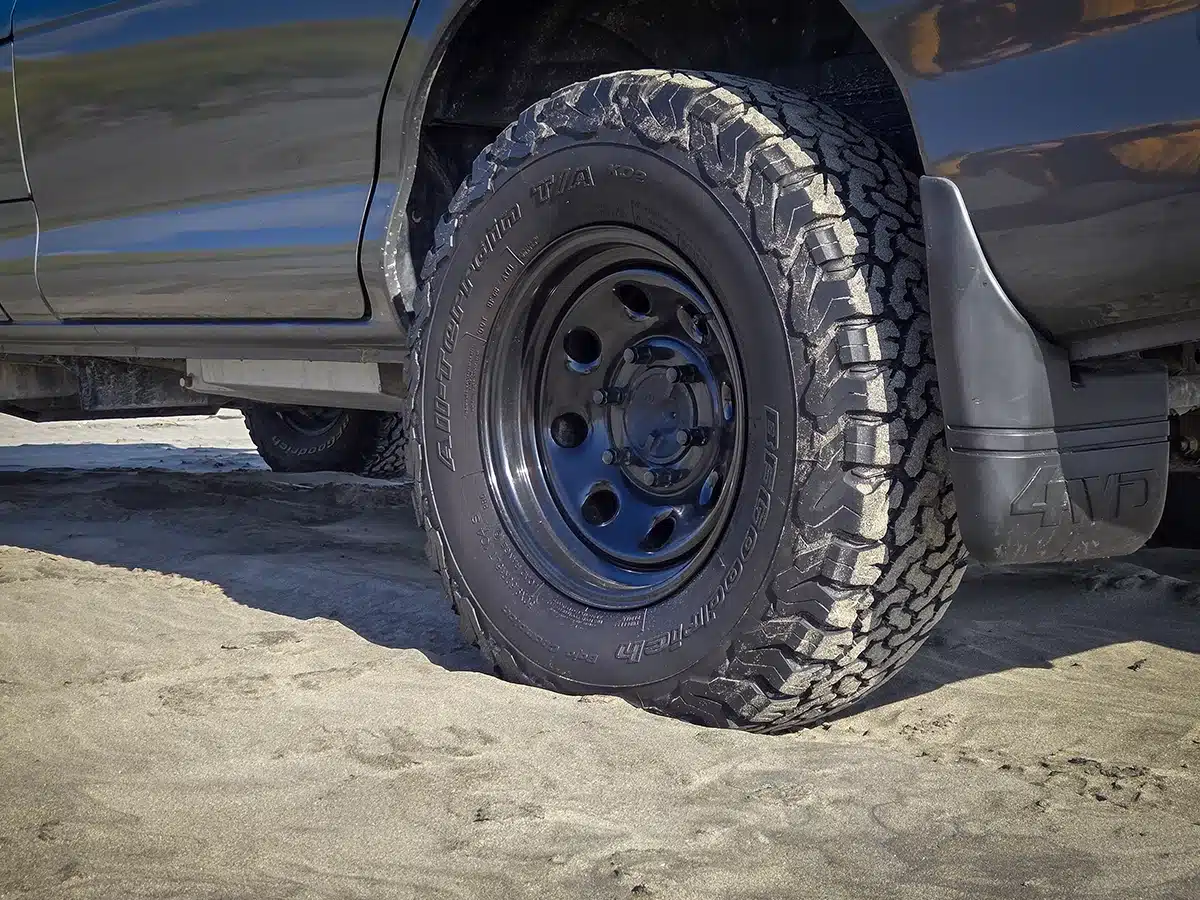
Proper tires are the quintessential travel and safety product. They’re what connects you to whatever surface you’re driving on. Choosing a set of tires for your adventure takes some research, but it’s time well spent.
Mud terrain (MT) tires are excellent in slop and rocks but are loud on pavement and often not great on ice. All-terrains (AT) are generally quieter, good in dirt, sand, and snow. Many are 3 Peak Mountain Snowflake rated for winter, too. There are also more highway-oriented all-terrains, such as the BFGoodrich Trail Terrain or General Grabber AT Sport. They’re more aggressive than a highway tire, but less meaty vs. a full-fledged AT.
No matter what you pick, don’t skimp. Tires are a safety feature. Buy the best you can afford.
2. Adequate Suspension
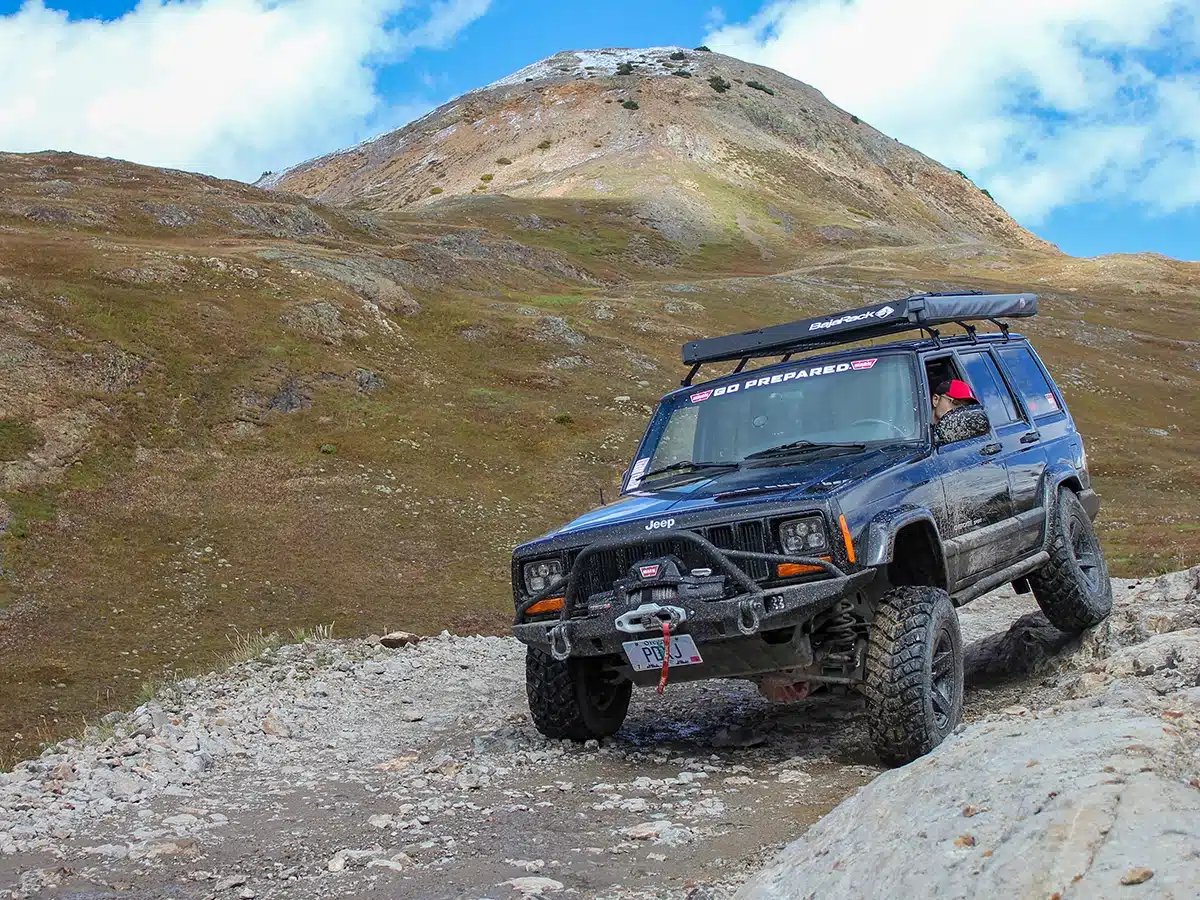
Overlanders often bring lots of gear which equates to extra weight. If you’re packing on your pickup’s pounds, upgrading its suspension can make a big difference in performance. This can be in the form of different springs, upgraded dampers, rear airbags, or even sway bars.
If you’re carrying extra weight, springs with a higher spring rate can prevent sagging and maintain suspension travel. Many times, this is in the form of a lift or leveling kit. This upgrade will help compensate for your added weight, which may come from a winch bumper, rooftop tent, added armor, or just gear. Don’t forget about upgrading shocks—you don’t want stiffer springs without the ability to properly control them. The overall result will be a more durable suspension system, better control, and a more compliant ride.
3. Appropriate Recovery Equipment
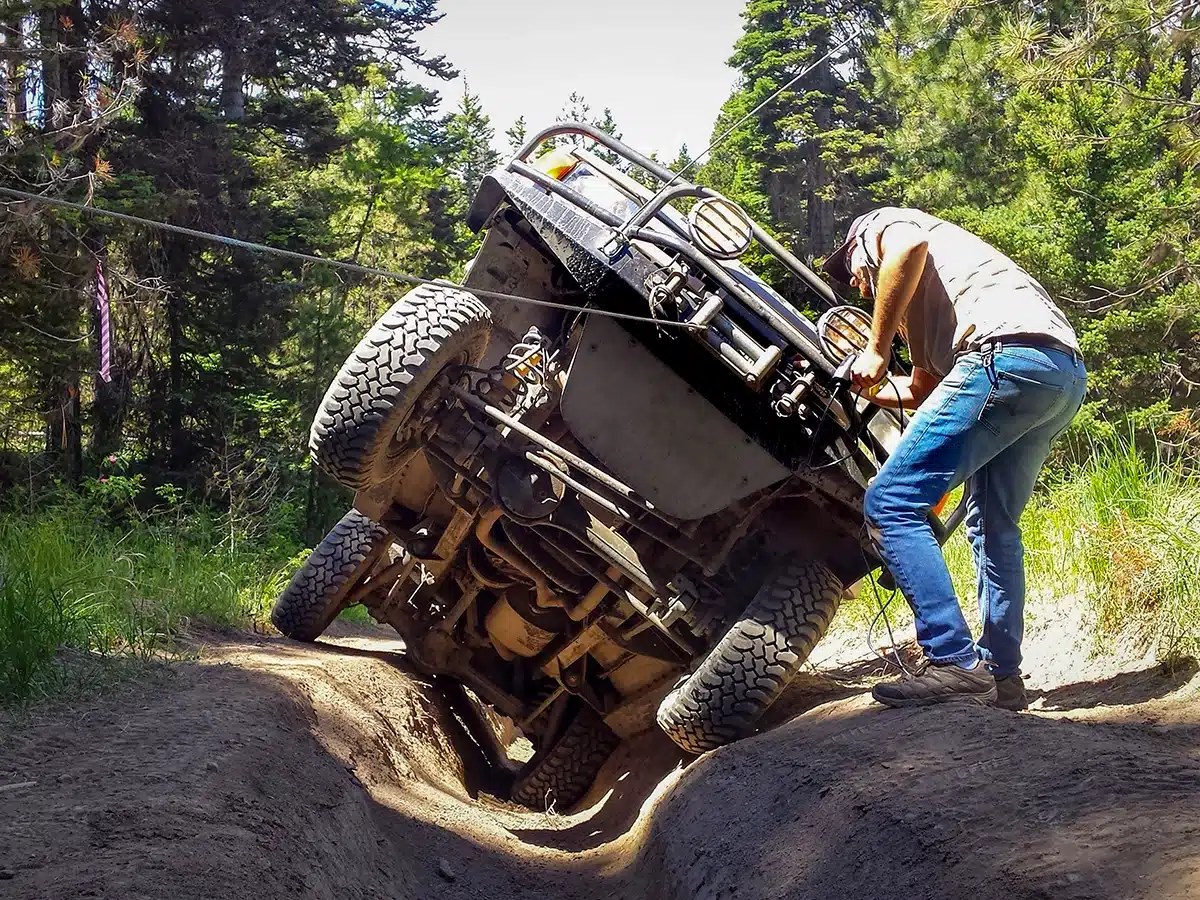
Getting stuck is a part of adventuring, whether it’s sand, snow, mud, or rocks. No matter what the terrain, you’ll need to get out somehow.
Electric winches are super versatile and can help you (or someone else) out of many situations—ask me how I know. Buy one that has a capacity of 1.5 x your GVWR and be sure to mount it to an appropriate bumper/mount. I also recommend buying brand name products you can get parts, support, and warranty if needed.
Even without a winch, having properly rated recovery equipment—shackles (hard and soft) and recovery straps—is crucial. If you can’t self-recover, someone will need to pull you out.
Also, know where your rig’s recovery points are. Never use the ball on a trailer hitch; don’t use tie-down loops on the chassis. Know where to pull from or get pulled from. You don’t want to damage your vehicle (or hurt yourself or others).
Most importantly, how to use your recovery equipment before needing it.
4. Off-Grid Power
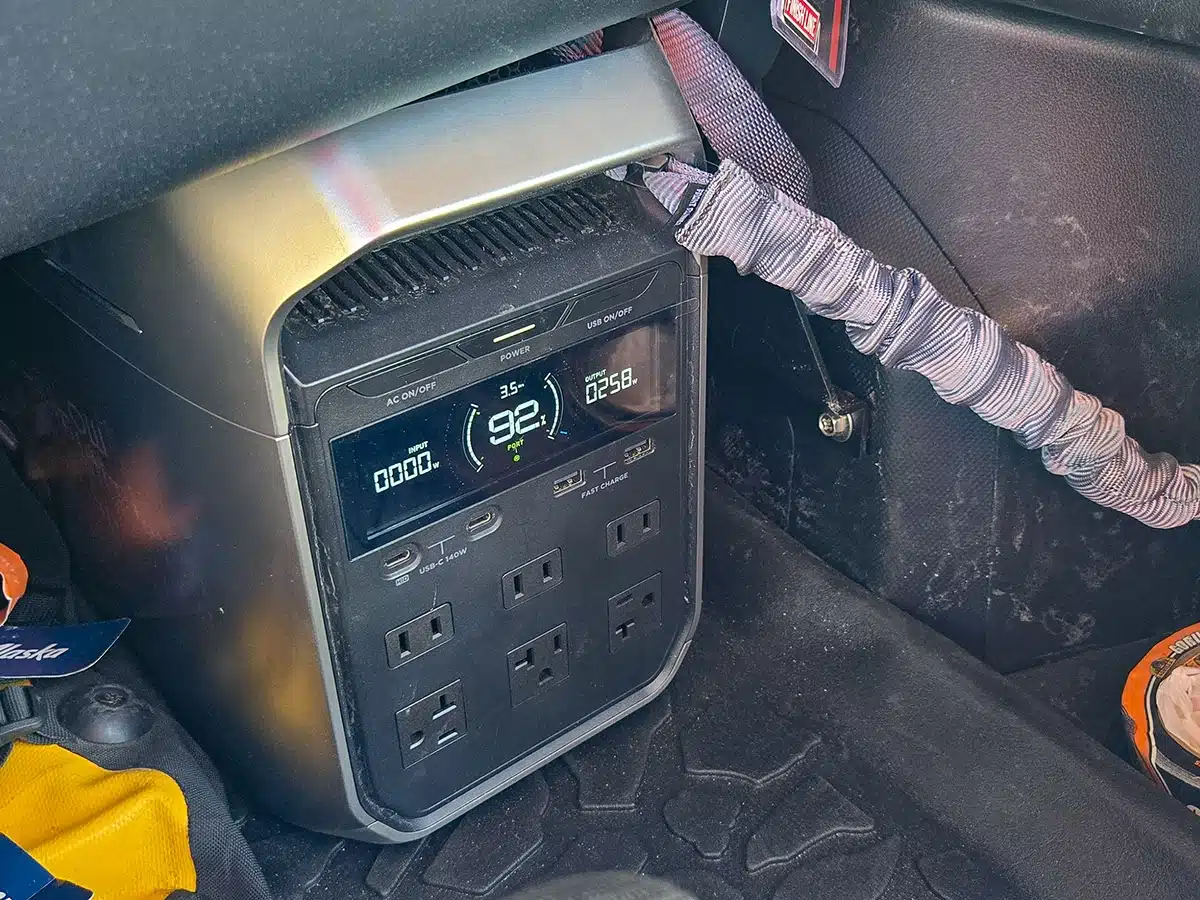
If you’re overnighting off grid, an on-board electrical power source is a great convenience. Whether keeping phones, radios, GPS units, or camera equipment charged—or even keeping your vehicle’s battery topped off—portable power is paramount.
Power stations are a great way to bring electricity with you anywhere. They’re available in a myriad of power outputs and price tags, all with different features. They can be recharged via your house, your rig, or using solar panels. Just make sure you get the right panel and accessories to charge your particular power station. My wife, Mercedes, and I recently used an Ecoflow DELTA 3 Plus and 800W Alternator Charger for 29 days crossing the U.S. east to west on the TransAmerica Trail, and this setup was excellent.
5. A 12V Fridge/Freezer
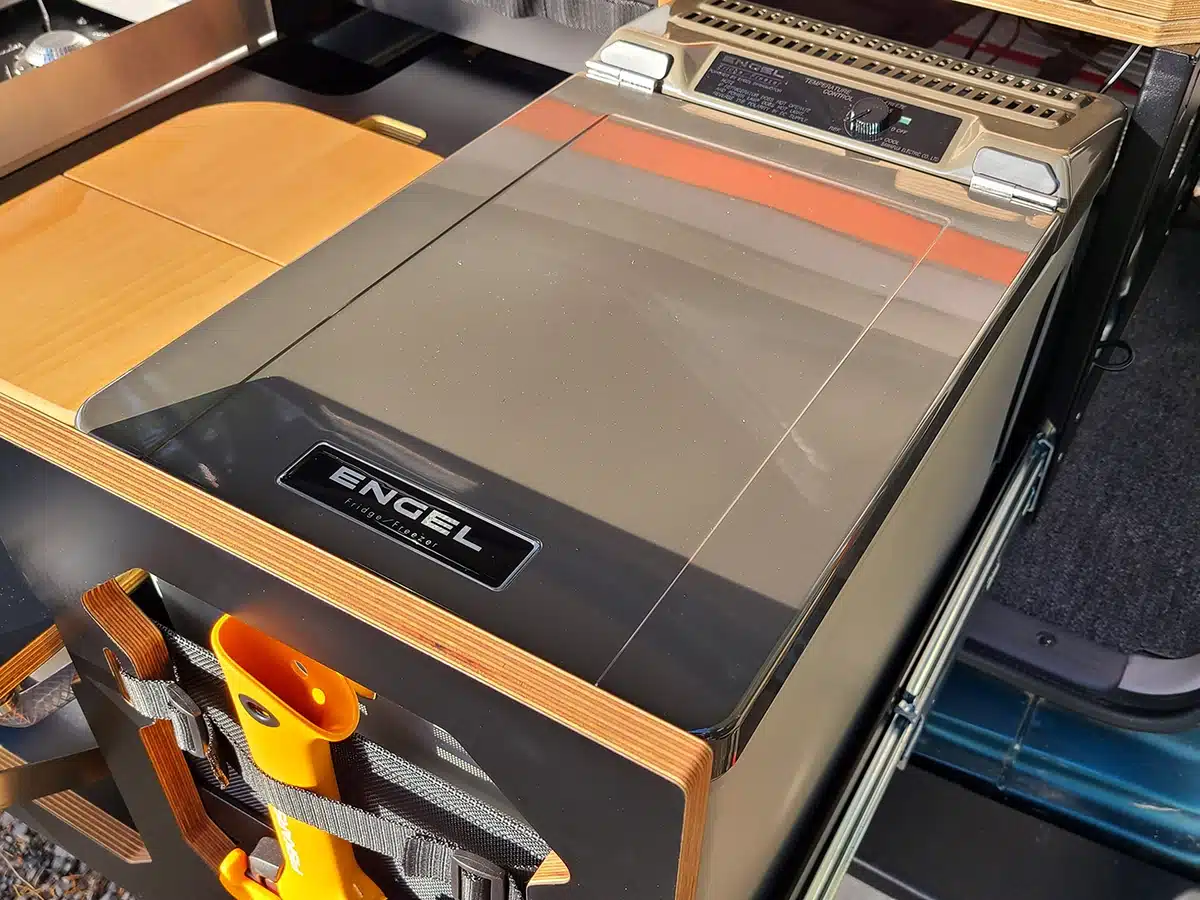
Overlanding with a 12V fridge freezer can be a game-changer, especially when off-grid for more than just a day. There’s no worry about ice, and they can even keep ice cream frozen. These units can run from small (such as our 17 quart Engel MT17), to much larger units, such as ARB’s 101 quart Zero Dual Zone Fridge Freezer. Most can utilize a 12V plug, but they can easily be hardwired to your truck or SUV’s battery.
Most fridge/freezers draw minimal power, so they’ll keep food, drinks, and medications cold for a couple days without starting or driving your vehicle (depending on climate). Many have a low-voltage function that’ll shut the unit off before it drains your battery. Pair with a power station or solar, and you’ll have infinite cold storage even in the heat.
Disclosure: Several links on this article are affiliate links, which means we earn a commission if you click on them and make a purchase. This helps support the website and allows us to continue creating content.