
Pickup trucks have long been a symbol of capability, freedom, and practicality in the American automotive landscape. From job sites and farms to suburban driveways, trucks have evolved far beyond their original utilitarian purpose. Today, they are some of the most versatile vehicles on the market—equally at home hauling construction tools during the week as they are towing a camper on a weekend getaway. As consumer preferences continue shifting towards larger, more functional vehicles, the pick-up truck segment has surged, becoming one of the most dominant categories in both new and used auto sales across the country.
This growing demand has also been fueled by the digital transformation of the automotive buying process. In the last decade, millions of consumers have embraced online shopping for everything from groceries to homes, and vehicles are no exception. As more buyers browse dealership inventories, auction listings, and private-party ads online, the need for safe, efficient, and professional car shipping has grown dramatically. For many, purchasing a truck online means arranging a long-distance shipment, making reliable pick-up truck transport a crucial part of the transaction.
Types of Pickup Trucks: A Vehicle for Every Lifestyle
Pick-up trucks come in a wide range of configurations designed to suit different needs, tastes, and budgets. Understanding the basic categories helps buyers, especially online shoppers, identify the right model before the vehicle ever reaches their driveway.
Compact and Midsize Trucks
Compact and midsize trucks, such as the Toyota Tacoma, Ford Ranger, Chevrolet Colorado, and Nissan Frontier, offer a balanced blend of performance, maneuverability, and affordability. They are popular among drivers who want the utility of a truck without the fuel consumption or size of a full-size model. These vehicles are ideal for light hauling, commuting, and outdoor activities.
Full-Size Trucks
Full-size pick-up trucks remain the most popular segment in the U.S., with models like the Ford F-150, Chevrolet Silverado 1500, and Ram 1500 consistently topping sales charts. They offer more power, interior space, towing capacity, and trim options than midsize trucks. Whether used for business or recreation, full-size trucks appeal to a wide audience looking for capability and comfort.
Heavy-Duty Trucks
For those who demand extreme capability, heavy-duty trucks, such as the Ford F-250/F-350, Ram 2500/3500, and Silverado HD, are built to handle the toughest hauling conditions. These trucks are the backbone of construction companies, agricultural operations, and serious towing enthusiasts. Their reinforced chassis, larger engines, and specialized suspension systems make them indispensable for heavy work.
Luxury and Premium Trucks
The rise of luxury trucks reflects a growing desire for high-end features in rugged vehicles. Premium models from GMC (Denali line), Ford (Platinum and Limited), and Ram (Limited, Longhorn) include advanced technology, leather interiors, and upscale design. Buyers seeking comfort and refinement, along with traditional truck capabilities, are increasingly drawn to this category.
Electric Pickup Trucks
The newest segment includes electric pick-up trucks like the Ford F-150 Lightning, Rivian R1T, Tesla Cybertruck, and Chevrolet Silverado EV. These trucks blend the practicality of traditional pickups with the innovation of electric powertrains. With instant torque, advanced tech packages, and quieter operation, electric trucks are reshaping expectations for performance and sustainability.
Why People Buy Pickup Trucks
Pick-up trucks continue to grow in popularity because they address a wide range of consumer needs. Some of the most common motivations include:
1. Practicality and Versatility
No other vehicle combines passenger space, towing power, and cargo-carrying capability quite like a pick-up truck. From transporting furniture to pulling boats, trucks handle a wide range of tasks effortlessly.
2. Safety and Visibility
Many buyers appreciate the higher driving position, improved road visibility, and strong chassis construction. Trucks often feel safer and more stable compared to smaller vehicles.
3. Outdoor and Lifestyle Needs
Drivers who enjoy camping, boating, off-roading, or road trips often choose trucks for their ability to handle gear, tow trailers, and navigate rugged terrain.
4. Business and Professional Use
For contractors, landscapers, farmers, and independent tradespeople, trucks are essential tools of the trade. Many businesses rely on them for hauling equipment, transporting materials, and servicing clients.
5. Growing Online Buying Trends
One of the biggest drivers of pick-up truck sales today is the growth of online auto buying platforms. From dealership websites to national auctions like Manheim, Copart, and IAA, shoppers can browse thousands of trucks online and thus, expand their choices far beyond local inventory.
The Surge in Online Purchases and the Need for Auto Shipping
As online purchases increase, so does the need for reliable vehicle shipping. Many truck buyers now live hundreds of miles away from where their future vehicle is located. This trend is especially common in:
- Online auctions (Copart, IAA, Manheim, ACV Auctions)
- Nationwide dealerships offering remote purchases
- Private sellers listing vehicles on platforms like Facebook Marketplace, Craigslist, and Autotrader
Since buyers cannot always pick up their truck in person, professional auto transport companies play a crucial role in ensuring vehicles arrive safely and on time.
Pick-Up Truck Shipping: What Buyers Need to Know
Shipping a pick-up truck is slightly different from shipping a standard sedan due to size, weight, and configuration differences. Whether the truck is going across the state or across the country, understanding the shipping process helps buyers plan ahead.
1. Size and Weight Matter
Trucks are heavier and larger than typical passenger cars. This can affect:
- Transport cost
- Loading requirements
- Carrier selection
Long-bed trucks, lifted trucks, duallys (with dual rear wheels), and utility trucks may require specialized carriers or incur additional fees due to oversized dimensions.
2. Open vs. Enclosed Transport
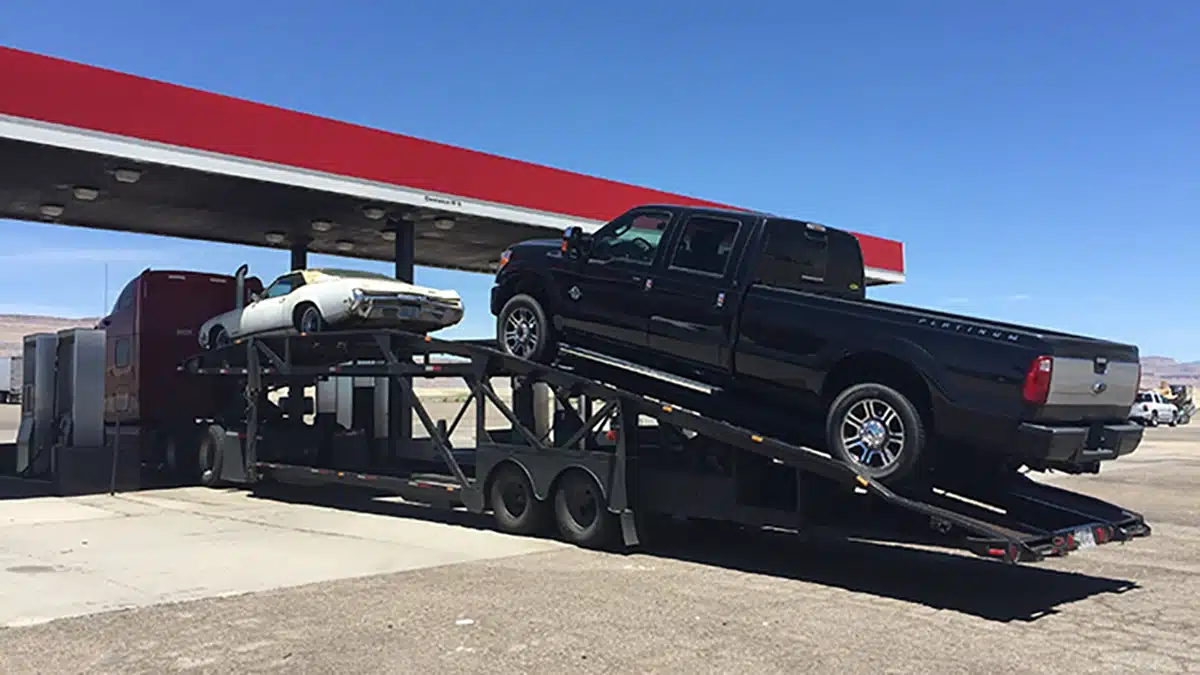
Most pick-up trucks are shipped on open carriers, which are widely available and cost-effective. However, high-value or restored trucks, such as classic models or luxury trims, are often transported via enclosed car carriers to protect them from weather and road elements.
3. Preparing the Truck for Shipment
Shippers typically recommend:
- Removing personal items
- Ensuring the vehicle rolls and steers
- Lowering or securing aftermarket modifications
- Checking for leaks and photographing current condition
These steps help avoid delays and ensure a smooth pick-up.
4. Working With a Trusted Transport Company
Because online purchases often involve long-distance logistics, working with a reputable auto transport provider is essential. A professional company coordinates pickup with sellers, auctions, or dealerships; handles carrier assignments; and keeps buyers updated throughout the journey. Not to mention it will always work with you to offer the best car shipping quote possible.
Pick-up trucks remain an essential part of American life, offering unmatched flexibility, power, and functionality. As digital purchasing continues to reshape the automotive market, more buyers are discovering trucks located hundreds or even thousands of miles from home. This shift has created a growing demand for reliable pick-up truck shipping services, ensuring that whether a buyer finds their perfect truck at an auction in another state or from a private seller online, it will arrive safely at their doorstep.
In an era where convenience and selection matter more than ever, professional auto transport plays a vital role in connecting buyers with the trucks they love. Whether you’re purchasing your first midsize pickup or adding a heavy-duty workhorse to your fleet, understanding the shipping process helps ensure a seamless, stress-free experience from screen to driveway.








