
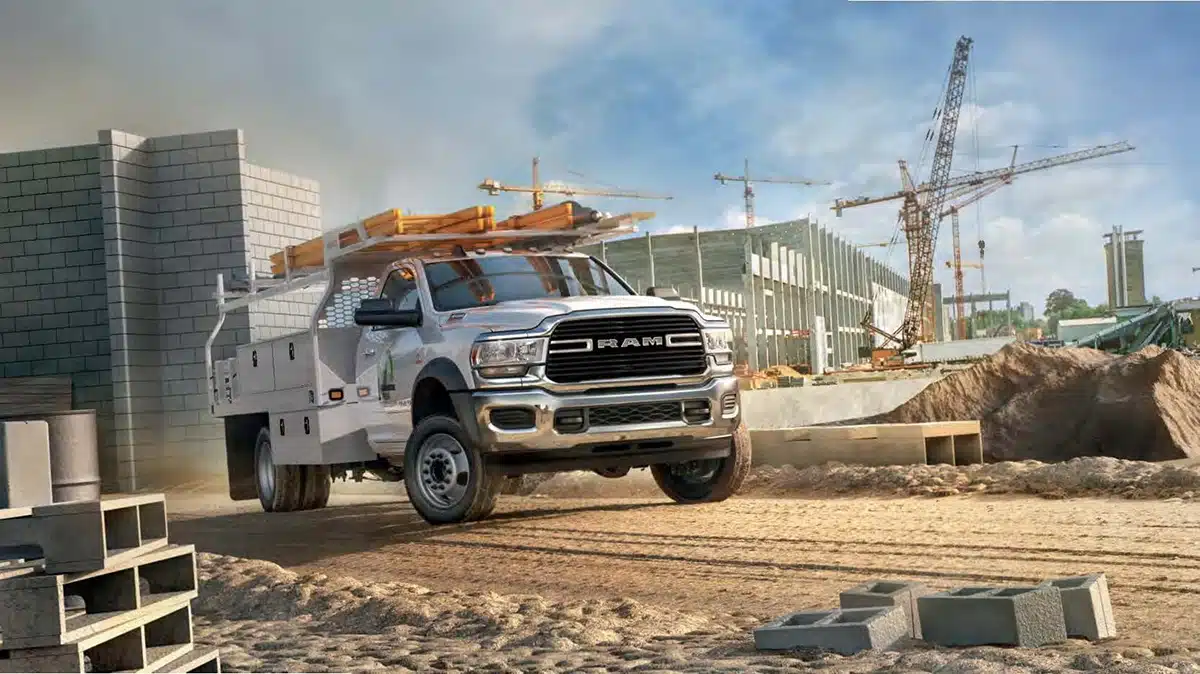
The Trump administration is rolling back tariffs on automakers while also formally imposing new tariffs on imported trucks, buses and other medium- and heavy-duty trucks.
Under a proclamation signed October 17, President Trump approved a 25 percent tariff on imported medium- and heavy-duty trucks and parts, along with a 10 percent duty on buses, beginning November 1, senior administration officials confirmed in an Autonews.com story.
The truck and bus tariff story is being updated as we learn more here.
At the same time, Trump extended through 2030 an existing tariff offset program that provides cost relief for automakers assembling vehicles domestically.
Automakers Tariff Relief Extended Through 2030
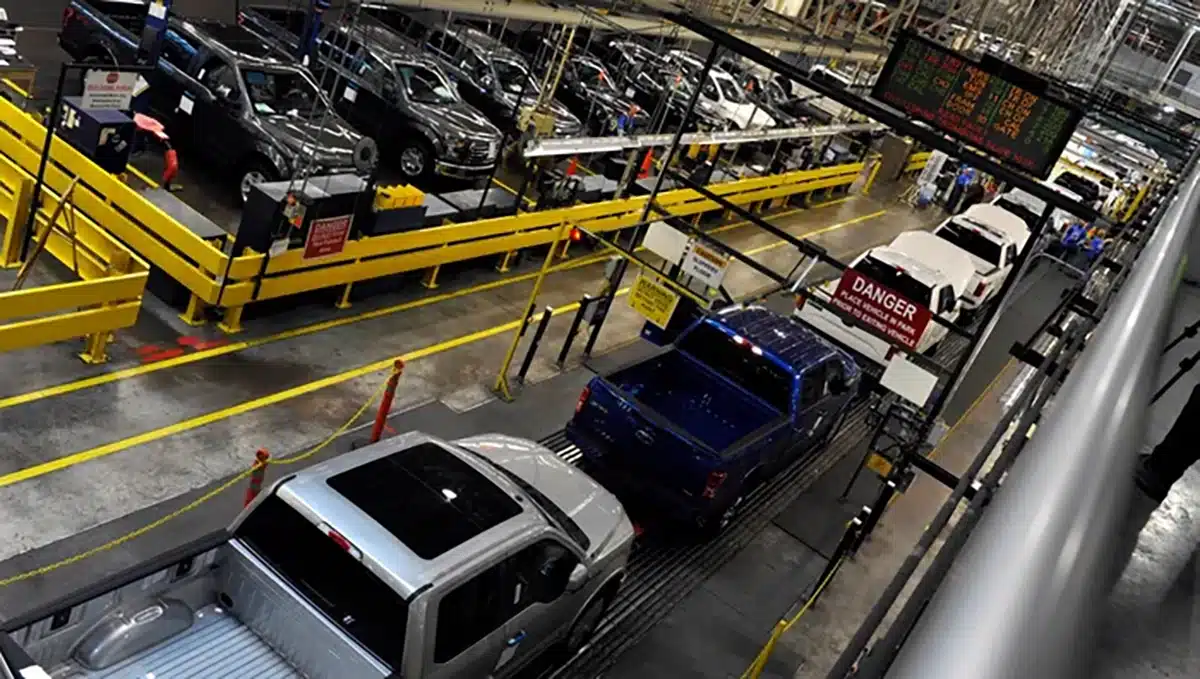
The administration first introduced the tariff offset in April, shortly after imposing 25 percent duties on imported vehicles. Automakers can now continue to apply for an offset worth 3.75 percent of the total sticker price of vehicles assembled in the U.S. through April 30, 2030. President Trump’s term ends in January, 2029.
The program was originally set to decline to 2.5 percent in 2026 before being phased out entirely by 2027.
The extension represents a significant victory for automakers and suppliers who argued they needed more time to expand domestic production capacity for vehicles and parts.
According to administration officials, the 3.75 percent offset roughly matches the tariff burden a manufacturer would face if 15 percent of a vehicle’s value were sourced from imported components subject to a 25 percent duty,
How Does The Tariff Relief Actually Work And Who Benefits?
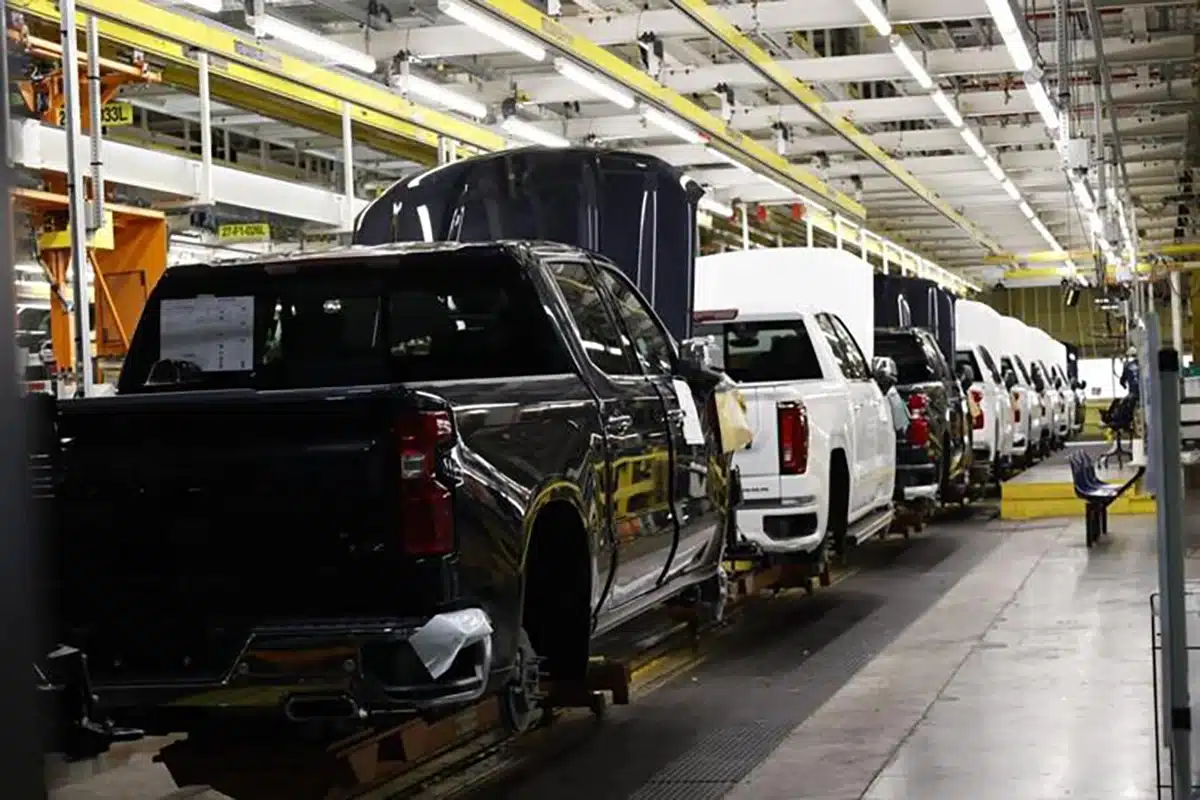
Stephanie Brinley, Principal Automotive Analyst for S&P Global, said “like everything, it is complicated.”
“The offset – according to the administration—works something like this: If an automaker were to reach 85% US (or USMCA-compliant) sourcing for US production, the offset would effectively reduce its tariff bill to near zero, using this 3.75% method.”
As it stands, USMCA components are still tariff free and this has been a hot topic especially with the sheer volume of parts and especially replacement parts coming from Mexico. It is considered the largest importer of parts to the U.S. making up 42.86% of all imported automotive parts. This translates into over $81 billion out of the $197 billion dollars worth of imported parts into the U.S. each year.
For the impact of this tariff relief on automakers, Brinley said “all automakers have some non-USMCA compliant content, some more than others. Depending on where that non-USMCA parts are coming from, the tariff can be 25%, 15% or 10%; China is higher.”
By offsetting the tariff, it will help take some of the “sting out of the cost of that content,” however, it still will have some impact.
As it stands there is no break down on how it will impact each OEM and how many parts are in each vehicle. It would take years to research each individual component.
Engine Production Offset in Development
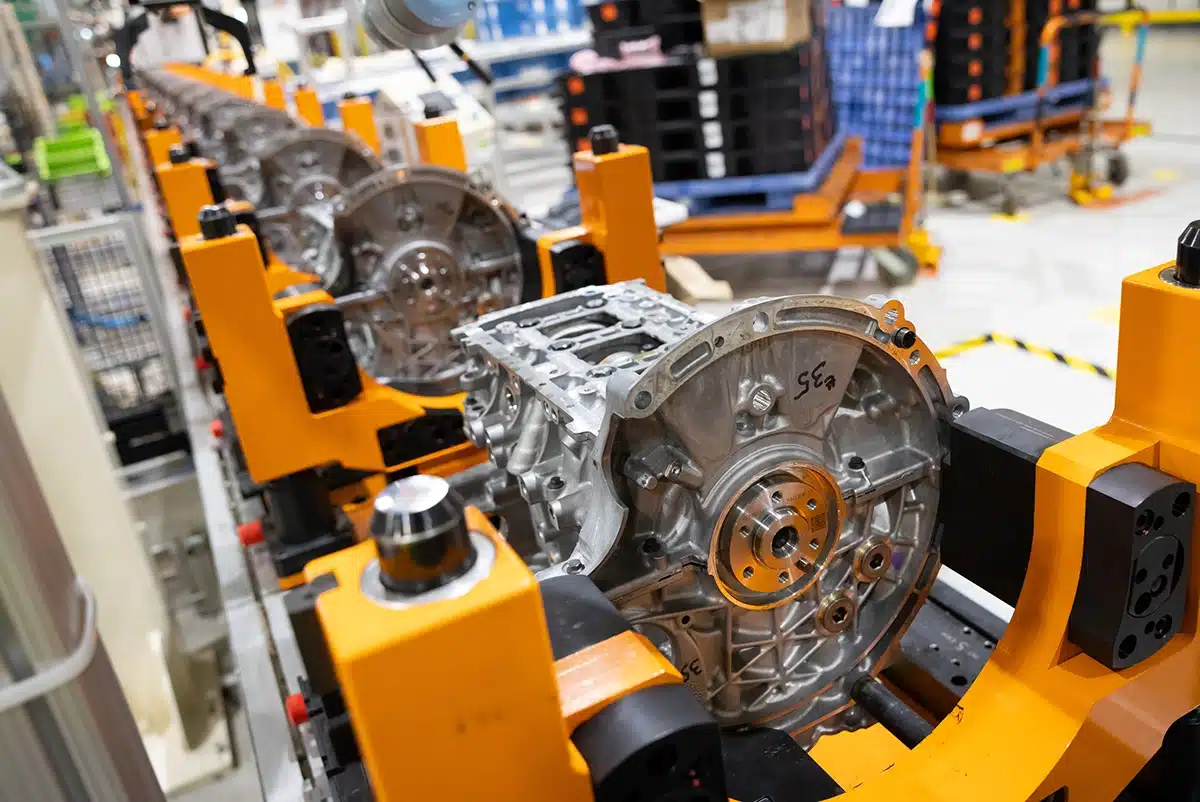
Trump also instructed the Commerce Department to create a comparable tariff offset program for engines built in the United States. The offset would equal 3.75 percent of the aggregate value of U.S.-assembled engines and is expected to run concurrently with the vehicle parts program, though no start date has been announced.
The new engine offset aims to support automakers and suppliers investing in domestic powertrain production — a key step in the administration’s broader effort to bolster U.S. manufacturing and reduce reliance on imported components.
Tariffs Reduced for Aluminum and Steel Import
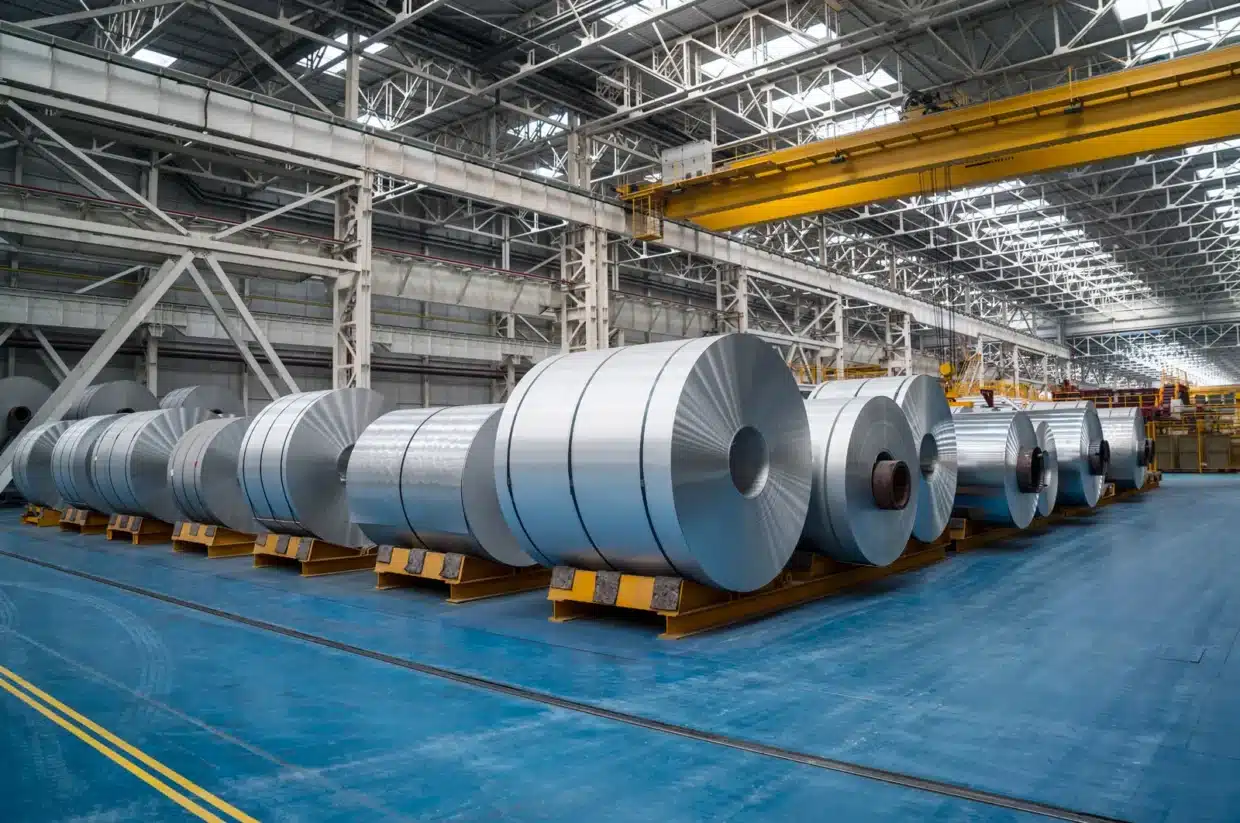
In a further move to help automakers, the executive order directs the Commerce Department to reduce steel and aluminum tariffs by up to 50 percent for qualifying Canadian and Mexican producers.
The reductions apply to metals used by automakers and could lower tariff rates to as little as 25 percent. To qualify, the steel or aluminum must:
- Be produced in Canada or Mexico,
- Comply with North American free trade rules, and
- Be smelted and cast (for aluminum) or melted and poured (for steel) in either country.
The tariff reductions are capped at quantities equal to newly committed U.S. production capacity, as determined by the Commerce Department.
Currently, most steel and aluminum imports — including derivative products — are subject to 50 percent duties.
This could be a life saver for Ford and others who are dealing with the effects after a recent fire closed down a major supplier of aluminum. Analysts had expected the fire to cost Ford $1 billion dollars.
A Broader Push for U.S. Manufacturing

The mix of tariff relief and targeted duties underscores Trump’s ongoing strategy to realign global trade and strengthen domestic industry.
While automakers have welcomed the extended relief as a means to stabilize costs, the new tariffs on trucks and buses signal that the administration remains committed to using trade policy as a tool to push production back onto U.S. soil.
The U.S. Supreme Court has said it will hear oral arguments in early November on the legality of the tariffs after lower courts have ruled them illegal.







7 replies
Loading new replies...
Administrator
Well-known member
Administrator
Administrator
Moderator
Administrator
Moderator
Well-known member
Join the full discussion at the Forum Pickuptrucktalk →