
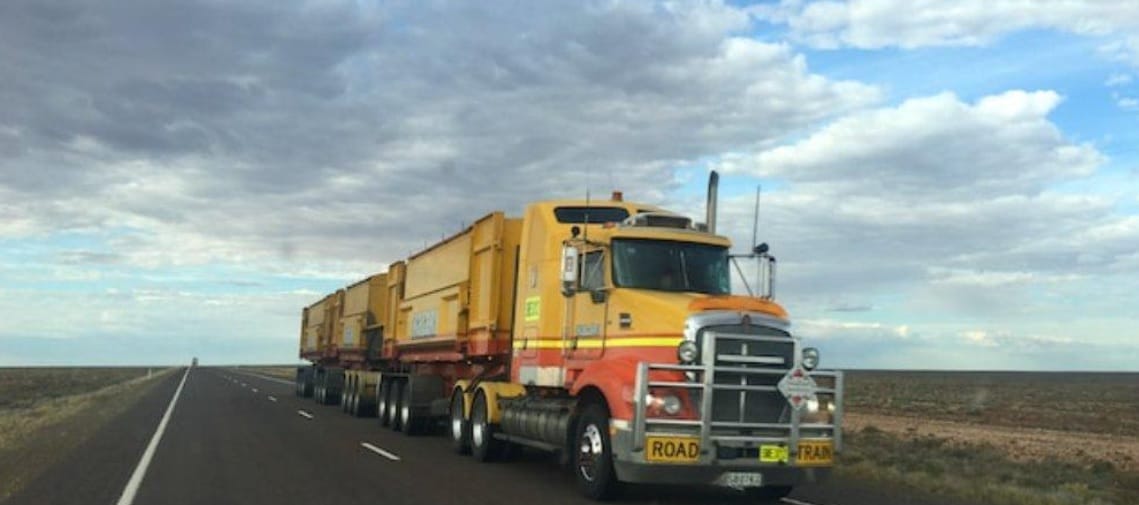
The United States is a nation built on movement, and much of that movement happens on wheels. Transporting goods is what keeps the economy alive and brings in huge amounts of money each year for many companies and institutions.
And the most important part of that movement are trucks. Trucks have long been the foundation of the American economy, carrying goods across state lines, delivering essentials to stores, and ensuring that industries remain connected.
Without the trucking industry, the supply chain would quickly come to a standstill. The effects of such an abrupt disruption would be obvious immediately. It would affect everything from food availability to manufacturing.
In this article, we’ll take a closer look at trucks and their significant role in the US economy but we’ll also shed some light on what truck drivers face daily.
Trucks as the backbone of the economy
In the US, trucks handle the majority of freight transportation. According to recent data from the American Trucking Associations, more than 70 percent of all freight tonnage is moved by trucks.
That means nearly every product, whether it’s your favorite oatmeal or electronic gadget, spends at least part of its journey on a truck.
The trucking industry also supports millions of jobs, both directly and indirectly. Drivers, mechanics, warehouse employees, and logistics specialists all play essential roles in this vast network.
Beyond employment, the taxes and fees generated from trucking contribute significantly to maintaining infrastructure such as highways and bridges. In short, the economy not only depends on trucks but is sustained by the vast ecosystem surrounding them.
The challenges facing the trucking industry
Despite its importance, the trucking industry faces significant challenges. Although the job of a truck driver might seem like a dream job for some, it’s actually a job with many disadvantages and risks.
One of the most pressing issues is the shortage of qualified drivers. With an aging workforce and fewer young people entering the profession, many companies often struggle to meet demand.
Driver shortages also mean longer hours and more stress on existing employees, raising concerns about safety and sustainability.
Fuel costs are another major factor. Because trucks are constantly on the road, even small changes in fuel prices can significantly affect operating costs. Not to mention that nothing related to this profession is eco-friendly.
The safety risks of trucking
The vast network of US highways includes numerous intersections and corridors where traffic is particularly heavy. And with heavy traffic, the likelihood of accidents increases.
Important trucking hubs such as Indiana and Montana, which serve as key crossroads for freight movement, typically see higher truck traffic. These busy intersections can become accident-prone zones due to congestion or long-haul fatigue.
As mentioned, the shortage of drivers causes trucking companies to force truck drivers to work longer hours and take fewer breaks, which impacts their focus and can easily be the cause of an accident. In such cases, should a truck driver end up in an accident, they should reach out to semi-truck accident attorneys for advice.
Under these circumstances, it’s not easy to determine liability and trucking companies also need to suffer the consequences of imposing such tight and strict schedules.
The everyday impact of trucking on consumers
Although many Americans rarely think about the role trucks play in their daily lives, the effects are everywhere. Every time groceries are purchased, furniture is delivered, or gasoline is pumped at the station, a truck has been involved in making that possible.
During the pandemic, this became even more evident as truck drivers were hailed as essential workers who kept shelves stocked and hospitals supplied.
Delays in trucking quickly ripple out into the consumer experience. A shortage of truck drivers or supply chain disruptions can all lead to empty shelves and longer wait times.
Innovations shaping the future of trucking
The future of trucking in America is not only about meeting today’s challenges but also about embracing innovation. Technology is developing quickly, and even the trucking industry needs to keep up.
Electric trucks are increasingly becoming a reality, offering reduced emissions and potentially lower fuel costs in the long run. This is something that could really change the way trucking works.
Major manufacturers and logistics companies are already investing in fleets of electric trucks, seeing them as a key part of a sustainable supply chain. It would definitely make the industry more eco-friendly.
Autonomous driving technology is another area of rapid development. While fully self-driving trucks are not yet mainstream(and probably won’t be any time soon), companies are testing systems that could allow trucks to operate with limited human oversight on long stretches of highway.
These advancements aim to address driver shortages and improve efficiency while raising new questions about safety, regulation, and employment.
Digital logistics tools are also transforming how trucking companies manage their fleets. Technology is helping companies optimize routes and better anticipate consumer demand. All of this helps reduce delays and ensures everyone gets their goods on time.
Together, these innovations point toward a future where trucking continues to play a central role but in smarter and more sustainable ways.
Key takeaways
The role of trucks in keeping America moving cannot be emphasized enough. They are the key connecting point between industries and consumers across vast distances. But, it’s also important to provide continuous investment in the trucking industry.
Issues such as driver shortages, rising costs, and accident-prone intersections like those in certain parts of the US remind us that this essential system is not without its weak points. Truck drivers need to feel safe and prioritized in order to do their jobs properly.
Looking forward, innovation through electric vehicles, autonomous technology, and digital logistics promises to strengthen the industry while making it more sustainable.