
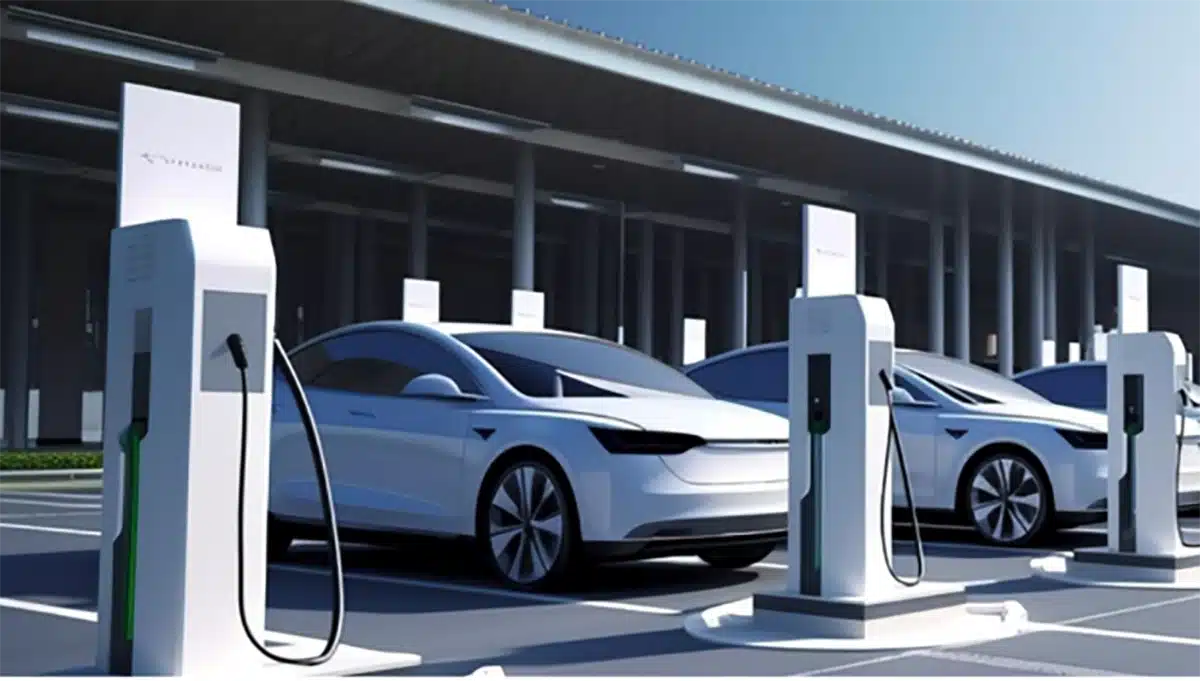
Picture this: you’re on a long road trip in your electric vehicle (EV), but the only charging station nearby is occupied or takes hours to fully recharge your battery. For many drivers, this scenario highlights a major challenge with EV adoption. Reliable and accessible charging remains one of the biggest concerns.
The solution is emerging in the form of EV charging hubs. These advanced stations are more than just plug-in points—they are designed to power multiple vehicles quickly, integrate renewable energy, and connect seamlessly with smart transportation systems. As the global push toward sustainable mobility accelerates, charging hubs are becoming the new anchor of cleaner and more connected travel.
The Evolution of EV Charging
In the early days of electric mobility, EV owners primarily relied on home chargers. While convenient, these setups often delivered slow charging speeds and weren’t practical for longer trips. Public charging stations were introduced, but they were limited in number and capacity.
Over time, demand for faster and more efficient EV charging grew. This led to the development of public fast-charging points, yet they still struggled to serve high volumes of vehicles at once. Today, the industry is shifting toward multi-vehicle, high-capacity EV charging hubs, designed to support cities, highways, and fleets with faster and more reliable infrastructure.
What Makes EV Charging Hubs Different?
High-Power Charging Capabilities
Unlike standard stations, EV charging hubs are equipped with ultra-fast DC chargers that can replenish batteries in minutes instead of hours. They also serve multiple vehicles simultaneously, reducing long queues and driver frustration.
Integration with Renewable Energy
Many hubs incorporate solar panels, wind turbines, and on-site battery storage. This not only lowers carbon emissions but also helps stabilize the grid by reducing reliance on fossil fuels.
Smart Grid Connectivity
Hubs often feature advanced vehicle-to-grid (V2G) technology, enabling EVs to supply unused energy back into the grid. This dynamic exchange helps balance supply and demand while boosting overall efficiency.
Digital Services for Drivers
From mobile apps that allow you to reserve charging slots to real-time performance monitoring, charging hubs provide a smoother, tech-driven user experience. Operators also benefit from data analytics to predict usage patterns and optimize service.
Why EV Charging Hubs Are Essential in Smart Transportation
Supporting Urban Mobility
Urban centers face challenges like traffic congestion, noise, and pollution. By situating charging hubs in city centers and public transit areas, municipalities can encourage cleaner transportation while supporting shared mobility services such as electric taxis and buses.
Enabling Long-Distance Travel
One of the most significant pain points for EV drivers is range anxiety—the fear of running out of power on longer trips. Corridor hubs placed along major highways help eliminate this concern, providing convenient fast-charging points that enable stress-free long-distance travel.
Enhancing Fleet Operations
Commercial fleets—from delivery vans to buses—require efficient charging to stay on schedule. Charging hubs make this possible through load management systems that schedule charging times, reduce downtime, and keep entire fleets operational without delays.
Economic and Environmental Benefits
EV charging hubs contribute to communities and the environment in multiple ways:
- Job Creation and Local Growth: Building and maintaining hubs stimulate local economies by creating construction, maintenance, and technology jobs.
- Carbon Reduction: By powering EVs with renewable energy, hubs reduce greenhouse gas emissions and support climate goals.
- Energy Independence: Integrating renewables with charging hubs reduces dependence on fossil fuels and centralized grids, making communities more resilient.
Challenges That Still Need to Be Addressed
Despite their promise, charging hubs face certain challenges:
- High Infrastructure Costs: Developing and installing high-capacity hubs requires significant financial investment.
- Grid Strain: Large hubs can place heavy demands on existing electrical grids, especially during peak usage.
- Standardization: With different EV manufacturers offering various connectors and charging speeds, global standards are still being developed.
- Equitable Access: Rural and underserved areas often lack access to advanced hubs, raising concerns about transportation inequality.
CHINT is addressing some of these challenges by developing EV charging solutions that feature intelligent load balancing, built-in protections, and support for multiple authentication methods, making charging both safer and more efficient.
CHINT integrates smart connectivity and renewable energy features—including residential photovoltaic charging and storage systems—helping users monitor energy consumption, optimize charging through apps, and promote sustainable energy independence.
Comparing Traditional Charging vs. EV Charging Hubs
| Feature | Traditional EV Charging Stations | EV Charging Hubs |
| Charging Speed | Slow to moderate (AC, some DC) | Ultra-fast DC, minutes not hours |
| Number of Vehicles Served | Typically 1–2 | Multiple simultaneously |
| Energy Source | Grid-dependent | Renewable integration + storage |
| User Experience | Limited apps and services | Real-time booking, monitoring |
| Role in Smart Transportation | Supplementary | Central hub and system anchor |
The Future of EV Charging Hubs
Looking ahead, EV charging hubs are poised to become even more innovative and efficient:
- Ultra-Fast and Wireless Charging: New technologies will cut wait times further and allow wireless charging without cables.
- Autonomous Vehicle Integration: Self-driving cars will navigate to hubs, charge automatically, and return to service without human involvement.
- Artificial Intelligence (AI) and IoT: Predictive energy management will forecast demand, optimize grid interaction, and lower costs.
- Global Expansion: Governments and private sectors are investing heavily in hub infrastructure, supported by policy initiatives and sustainability commitments.
Conclusion
EV charging hubs are not just about powering electric vehicles—they are the foundation of smart transportation systems. With their ability to deliver fast charging, integrate renewable energy, and connect with digital services, they are helping reshape how people and goods move.
By reducing emissions, supporting fleet operations, and enabling long-distance travel, these hubs are paving the way for a cleaner, more connected future. While challenges remain, the direction is clear: EV charging hubs will play a central role in making sustainable mobility a global reality. The next time you pass an EV charging hub, think of it not just as a fueling point, but as part of a broader system that anchors the future of transportation.