
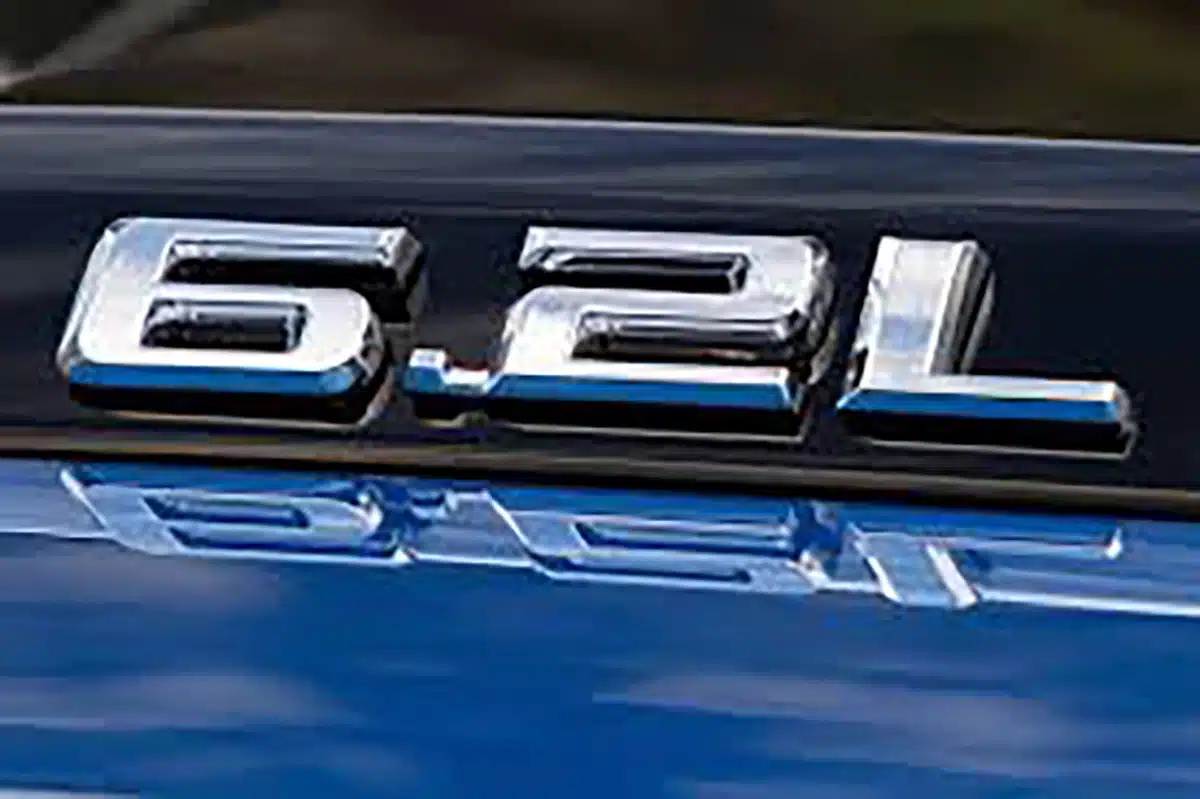
The National Highway Traffic Safety Administration (NHTSA) has opened a new investigation into GM 6.2-liter V8 engine failures after receiving hundreds of complaints in vehicles not included in an earlier recall.
The move marks a significant escalation in the ongoing scrutiny of one of GM’s most widely used powertrains, which powers several of its high-volume, and highly-profitable, full-size trucks and SUVs.
For buyers considering used trucks powered by GM’s popular V8 engines, the expanding investigation raises important questions about long-term reliability and resale value.
Hundreds of Complaints Trigger Engineering Analysis
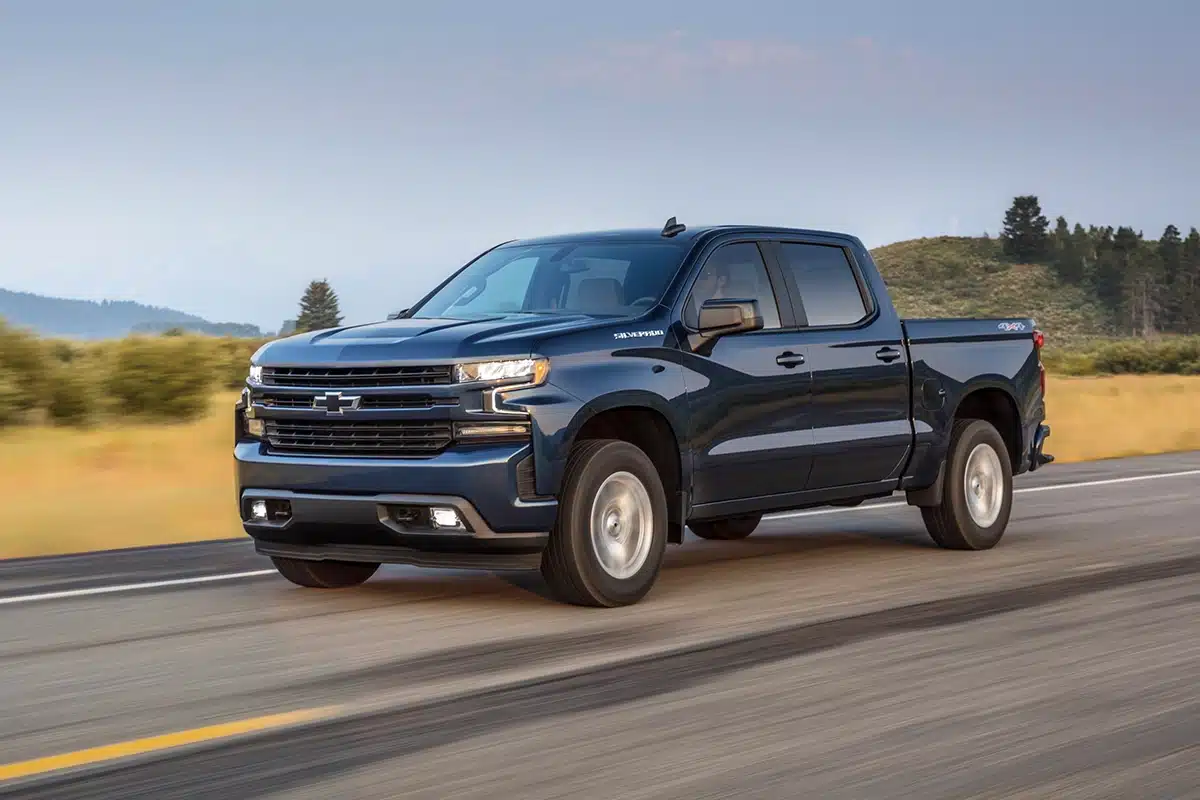
According to NHTSA’s Office of Defects Investigation (ODI), the agency has logged 1,157 reports of bearing failures and related engine damage in vehicles equipped with the L87 engine. The new Engineering Analysis follows an April 2025 recall—identified as campaign 25V-274—that covered specific 2021–2024 model year vehicles. That recall addressed a supplier-related defect that could cause sudden engine failure.
However, ODI says it has now received at least 173 additional reports from owners of vehicles produced outside that recall window, including 2019–2020 Chevrolet Silverado 1500 and GMC Sierra 1500 models. Those complaints allege the same catastrophic failures, forcing regulators to reexamine whether the defect extends further than GM initially disclosed. In a statement, ODI said the situation “presents a potential safety risk that warrants further investigation.”
Beyond the Original Recall
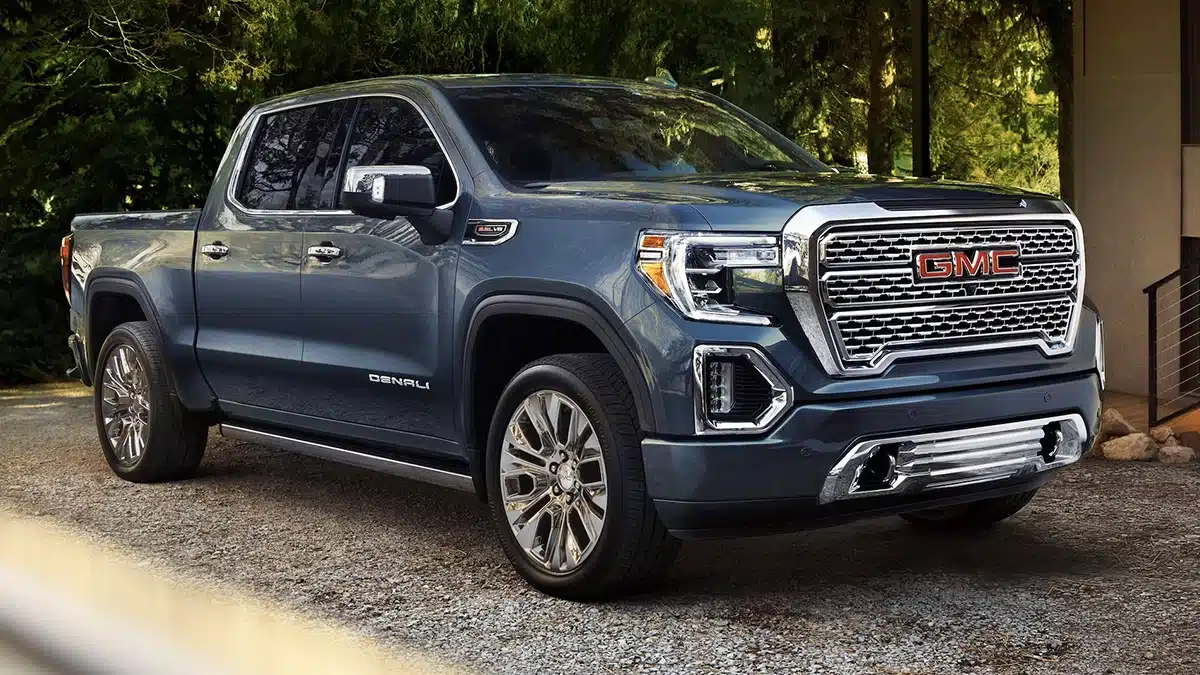
GM’s earlier recall affected nearly 600,000 full-size trucks and SUVs, including certain Cadillac Escalades, Chevrolet Tahoes, Suburbans, and GMC Yukons. The company attributed the problem to “multiple supplier manufacturing and quality issues” that impacted the crankshaft and connecting rod assemblies in the L87 V8. Those defects could cause the engine to seize or lose propulsion without warning, posing a significant safety hazard.
The new NHTSA probe focuses on whether similar failures are occurring in vehicles outside the recall population and whether the root cause may be broader than originally believed. While GM closed its initial Preliminary Evaluation earlier this year after implementing corrective measures, continued reports of failures from owners of non-recalled models prompted regulators to take a deeper look.
Inside the Defect

At the heart of the issue are potential flaws in the L87’s internal components. Federal documents and owner complaints describe scenarios in which connecting rods and crankshafts fail due to debris in oil passages or out-of-specification parts. These failures can occur suddenly, often destroying the engine and rendering the vehicle inoperable.
Owners have reported symptoms such as sudden loss of power, knocking noises, and in severe cases, engines throwing connecting rods through the block. Such events can cause immediate vehicle shutdown and, depending on circumstances, increase crash risk.
Under the current recall program, GM dealers inspect affected engines and replace them if they fail specific criteria. For vehicles that have not yet experienced failure, the company’s interim remedy involves using a higher-viscosity 0W40 oil, installing a new oil filter, and fitting an updated oil cap to indicate the change.
What Comes Next
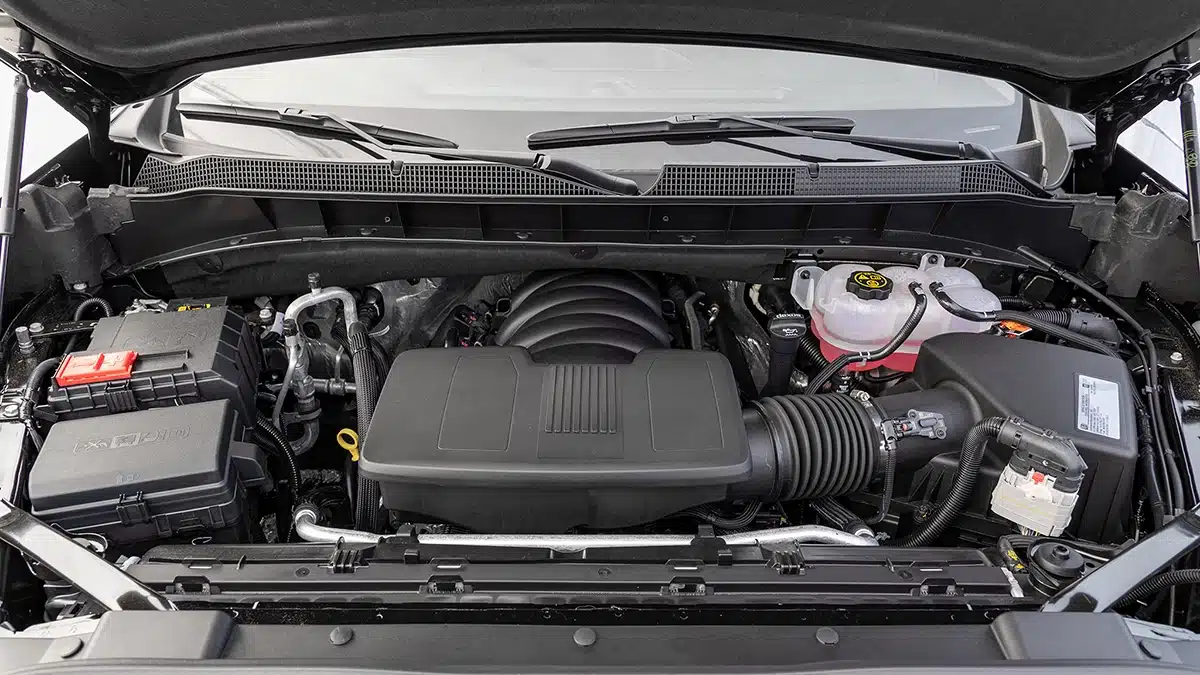
The new Engineering Analysis will determine whether the defect extends to earlier production years and whether GM must expand its recall and repair campaign. If NHTSA’s findings show the issue is more widespread than GM acknowledged, the automaker could face additional regulatory action and be required to cover repairs for thousands more vehicles.
For now, owners of 2019-2020 trucks and SUVs equipped with the 6.2L L87 remain in a gray area—driving vehicles with potentially defective engines that were never recalled. The investigation’s outcome will determine whether those vehicles qualify for future repairs or replacements under a federally mandated recall expansion.
This latest step underscores NHTSA’s growing concern over the durability and safety of GM’s 6.2-liter V8, a flagship engine that powers some of the company’s most profitable models. Until the agency completes its review, affected owners are advised to report any unusual engine behavior, including knocking, stalling, or power loss, directly to NHTSA’s vehicle safety hotline.







No replies yet
Loading new replies...
Administrator
Join the full discussion at the Forum Pickuptrucktalk →