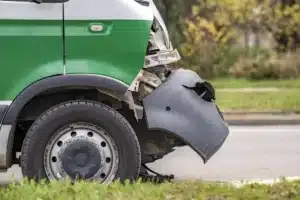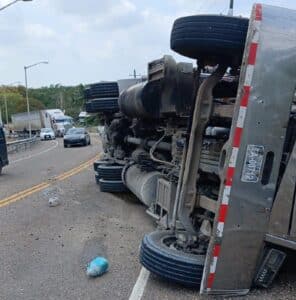
Rear-end collisions are among the most common types of vehicle accidents. With as many as 1.5 million occurring each year, resulting in 500,000 injuries. The assumption is always that the back driver is at fault. However, that is not always the case; in some instances, the fault can shift to the front driver. Before you accept liability, you should determine the circumstances first. There might be surveillance cameras or eyewitnesses who can help you determine who is at fault. Sometimes, because of the complex nature of such accidents, a personal injury or accident lawyer may be hired to help determine who takes the blame. These are some of the unique circumstances where the back driver might not be at fault.
Malfunctioning Brake Lights
When the brake lights in the front car are malfunctioning, they won’t give you enough warning to slow down. In this instance, the front driver might be partially responsible. When you are following such a car in a high-traffic lane, the risk of colliding becomes high. Remember, you have a duty to maintain a safe distance. If you are following all the rules, it can be a bit easier for the lawyer to determine fault.
Unsafe Lane Changes
Sudden lane changes have caused countless rear-end collisions. Cutting off the rear driver can be an aggressive maneuver that shifts the blame to the front car driver. When someone changes lanes unsafely in front of you, there is little you can do to avoid a collision besides coming to a sudden stop or changing lanes yourself. Being in an accident is stressful; being wrongly blamed only makes it worse. Be sure to look at all the evidence first before taking the next steps.
Pileup Accidents
There are chain-reaction accidents where the car in front is hit by another vehicle, forcing them to back into you. This might mean you aren’t fully to blame for the rear-end collision. The car that caused the initial impact will be at fault. While these types of accidents aren’t common, they happen from time to time. You should have a lawyer by your side to ensure everything is done correctly and you don’t end up liable when you aren’t.
Unjustified, Sudden Stops
When the vehicle in front makes a sudden or unjustified stop without a valid reason, they can be partially or fully responsible. Remember, maintaining a safe distance allows you enough time to stop. It has to be a unique incident to shift blame. Things like road conditions and the angle of the impact help in showing who is responsible. An attorney who understands rear-end accidents and the various scenarios they present will make a significant difference.
Mechanical Failure
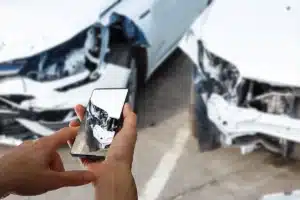
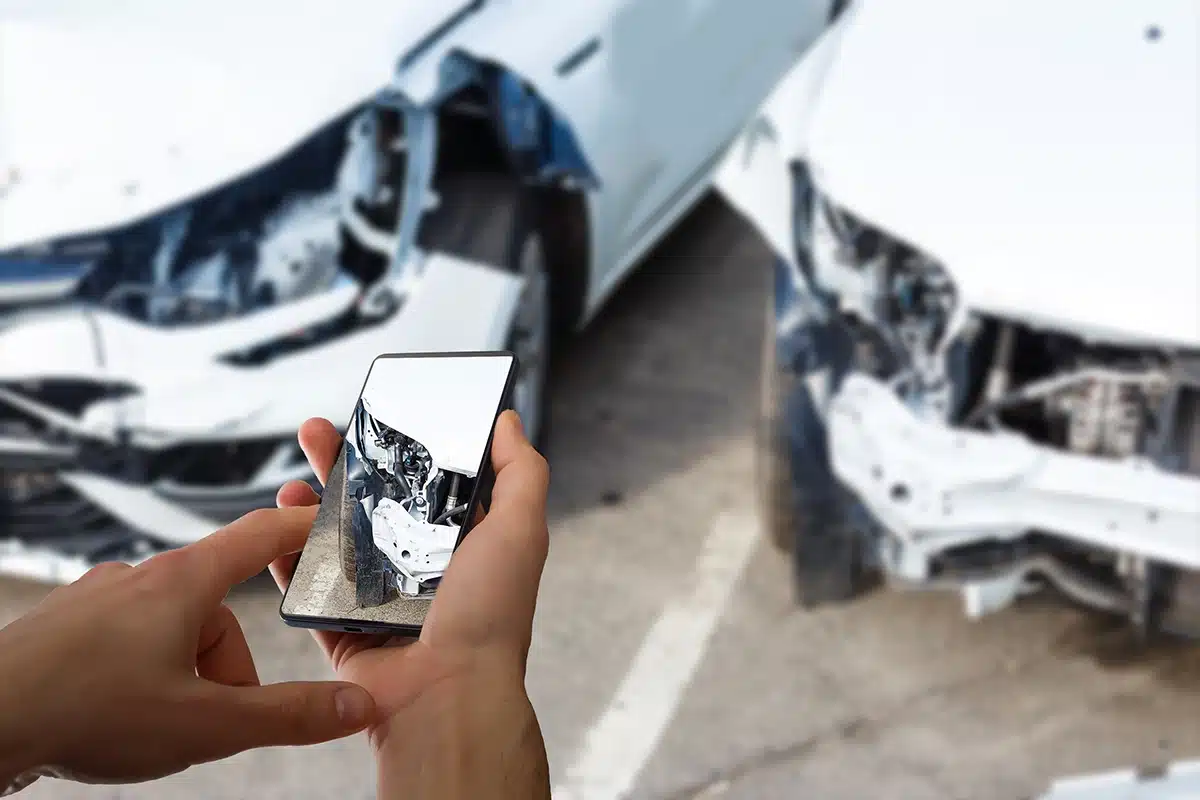
In some cases, the lead driver can experience mechanical failure that causes the car to stop abruptly. Since you couldn’t have foreseen such an event, you may be exempted from taking full responsibility. It can also be a medical emergency where the driver can’t drive anymore. In case of a collision, it’s always best to gather evidence before help arrives. Take photos and try to document as much as possible because they might use the evidence to recreate the accident and determine who is liable.
The Takeaway
Determining who’s at fault in a rear-accident is not the easiest job. Most of the time, the back driver takes the full blame or shares it with the lead driver. However, there are those unique circumstances that can shift blame to the front car driver completely. When you feel like you did everything right and might not be at fault, get a lawyer to go over the evidence. You should remain liable only when the situation was your fault.