
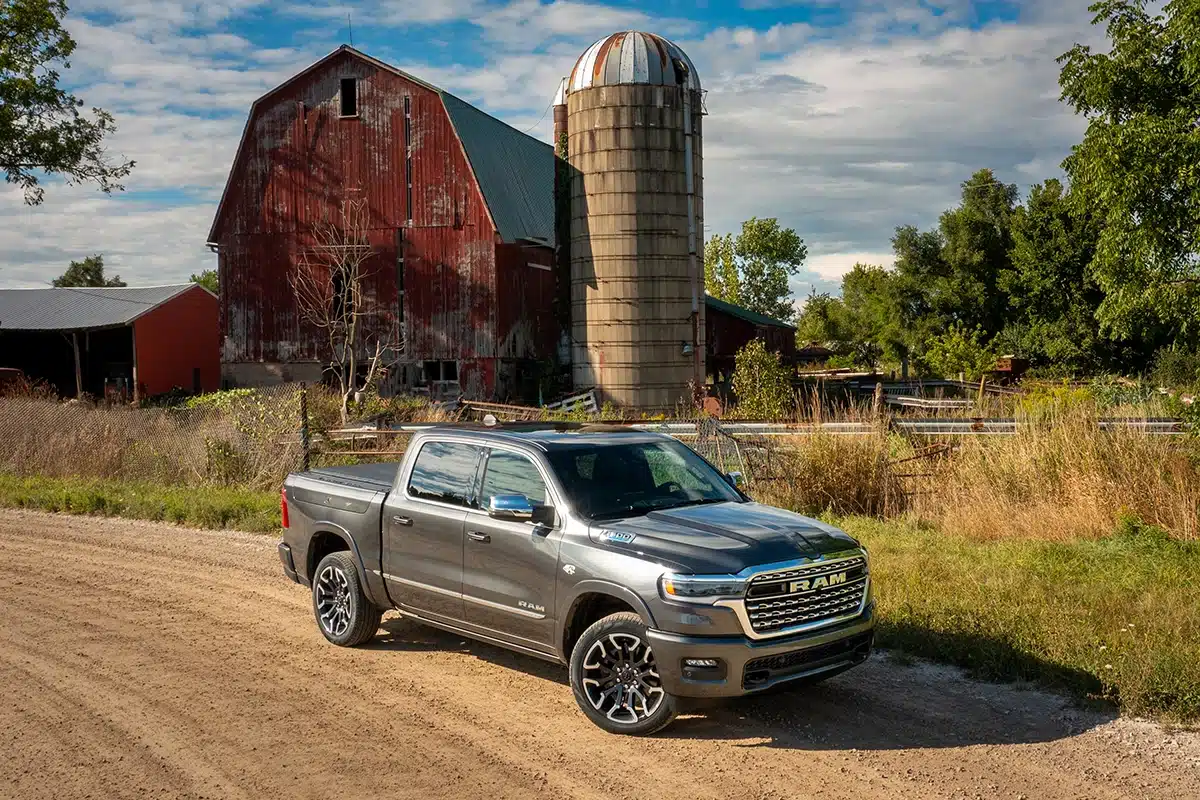
A recent video has sparked a lot of debate over a shockingly low 2026 Ram 1500 payload number and whether the truck is useless.
The video in question, from our friends at Truck King, shows a 2026 Ram 1500 Hemi with only 897 pounds of payload. For truck fans, this truck seems really limited in what it can do as a truck. Yet, there is a lot more to this story and I reached out to Ram to learn more.
What is payload?
First, let’s have a quick education on payload. I initially put out a short video on this Ram truck and was surprised to read many, well, interesting and uninformed comments.
Payload includes everyone and everything you put in the cabin, the bed and it does factor into towing.
This means that yes, you, the driver, counts toward payload and your stuff. Your phone, Yeti cup, wallet, sunglasses, everything.
And if you load, say a 4 wheeler in the bed, this counts as payload too.
Also, when you tow, the tongue weight of the trailer must be factored into the reduction of payload. The Ram 1500 owner’s manual states this: “the Tongue Weight is the downward force exerted on the hitch ball by the trailer. You must consider this as part of the load on your vehicle.”
What’s the big deal with 2026 Ram 1500 payload number?
Now that we understand how payload impacts the truck’s capability, what’s the big deal then?
It really comes down to how you view the truck.
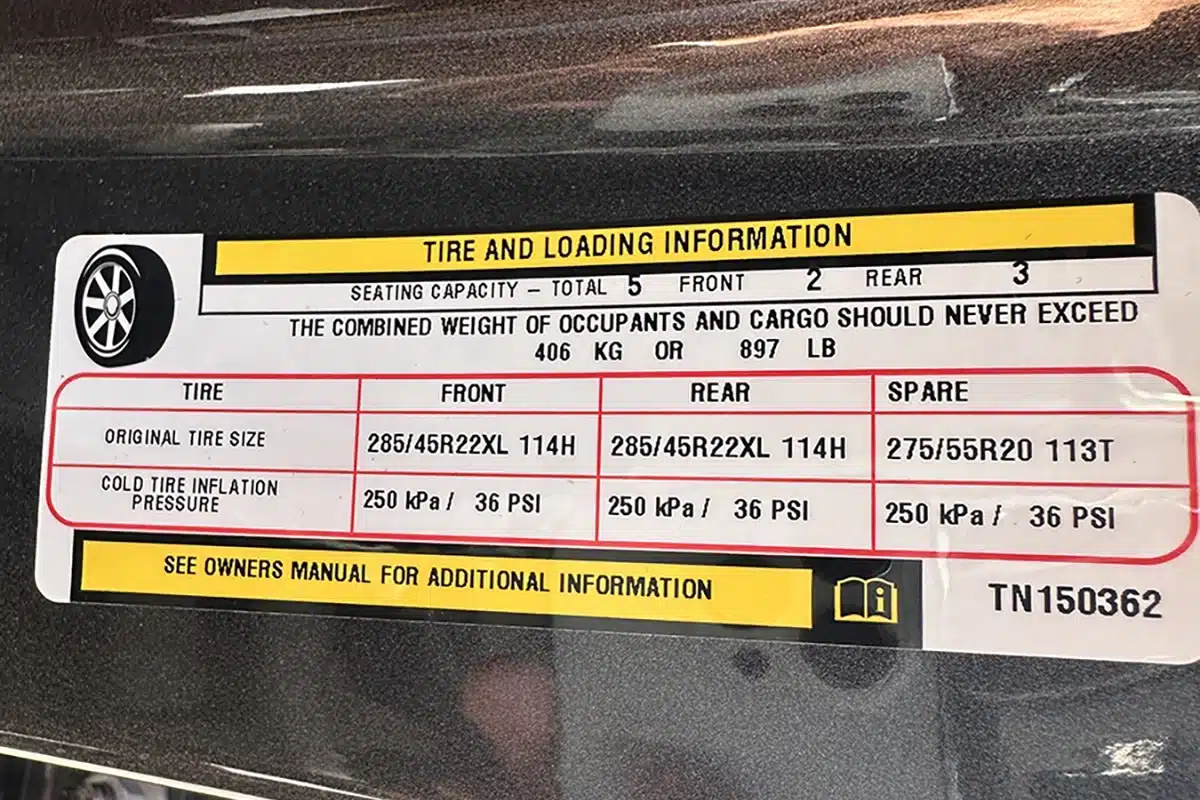
Can this truck still haul and tow things? Yes it can. With 897 pounds you can still do things like hauling a 4 wheeler in the bed for a day of fun or taking a few buddies out with a small fishing boat to the lake.
Can it haul and tow a lot of weight like a work truck? Nope, you couldn’t say tow a 7,000 pound camper with a family of four loaded down with supplies. That’s just not the right truck for that job.
However, this truck isn’t spec’d out as a work/family truck.
What makes this truck have such a low payload compared to others?
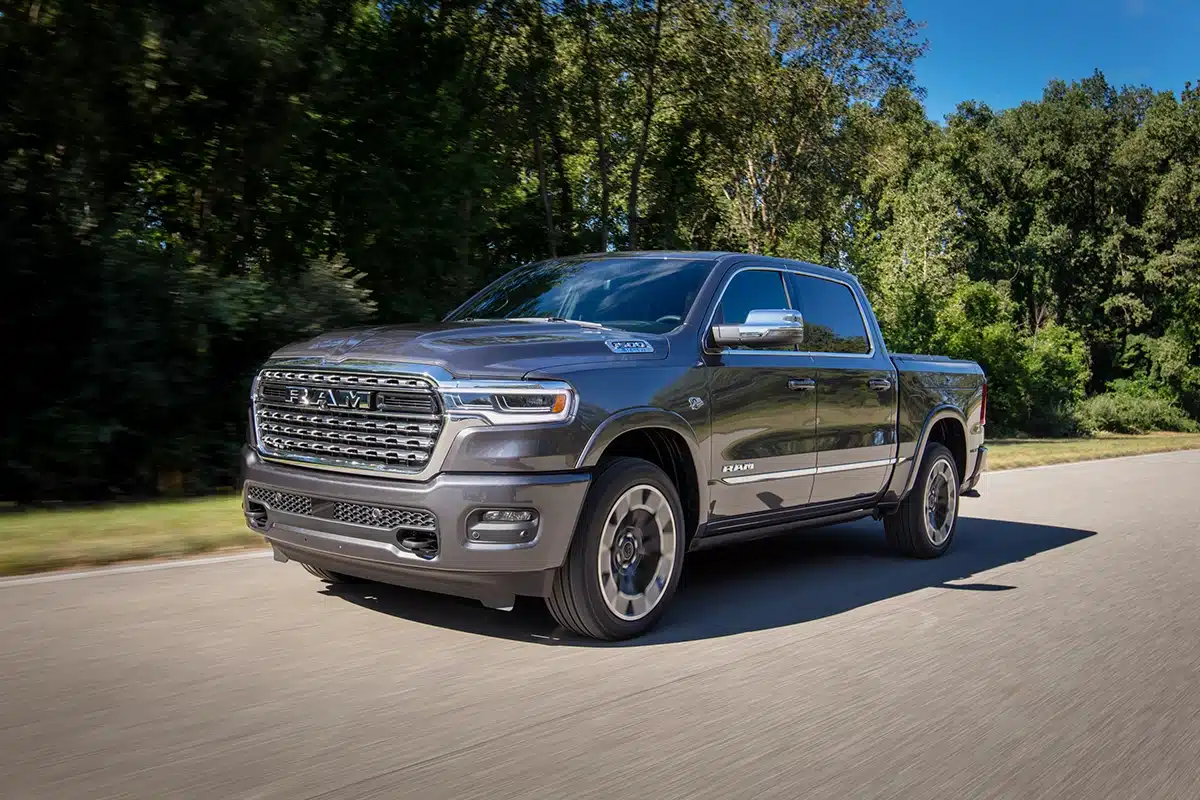
Most full-size trucks have payload numbers ranging from 1,500 – 2,000 pounds, however, many so-called luxury trucks have more features and subsequently lower payload numbers.
The reality is the more features and options you add to a truck, the more weight you add and the lower the payload goes down. It is just math.
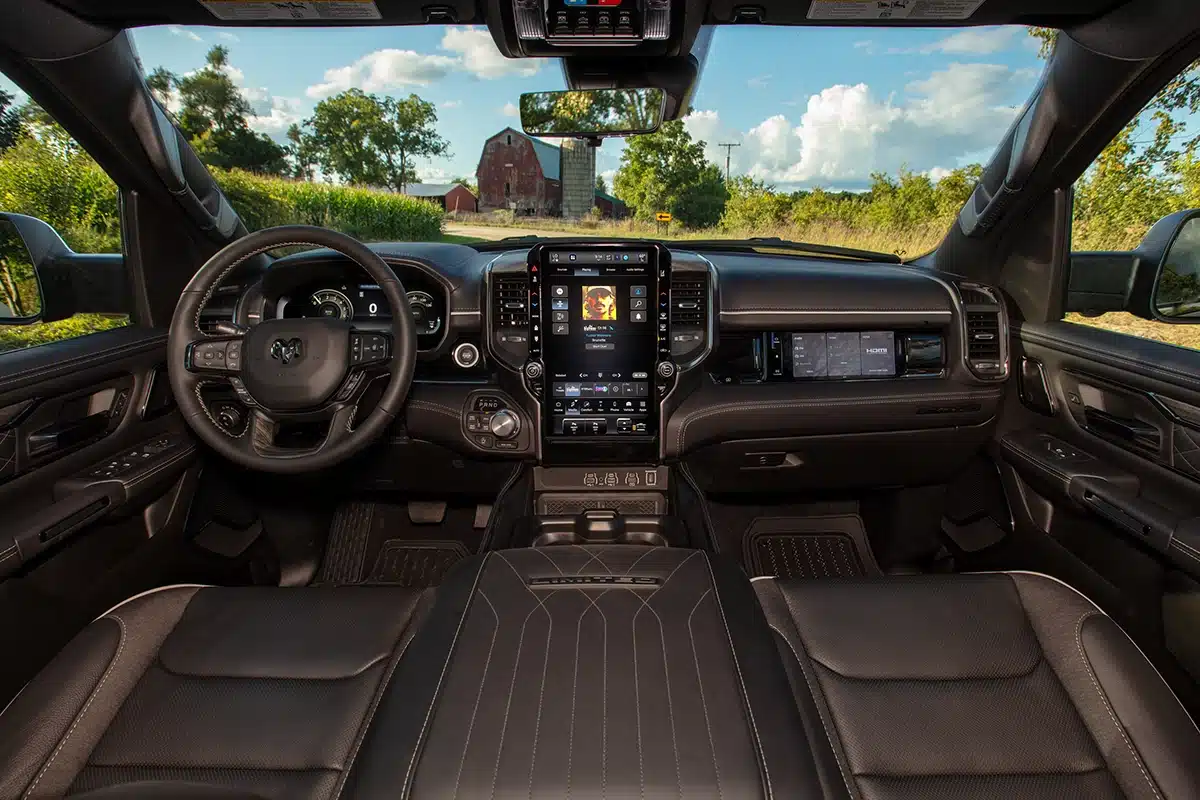
This Limited truck is spec’d out in such a way that every single box was checked and it was a very unique build from the factory. It was more of a practice truck for the factory than something a customer would actually buy.
Also, it is a good truck for marketing purposes since it shows off every option and feature in real-life.
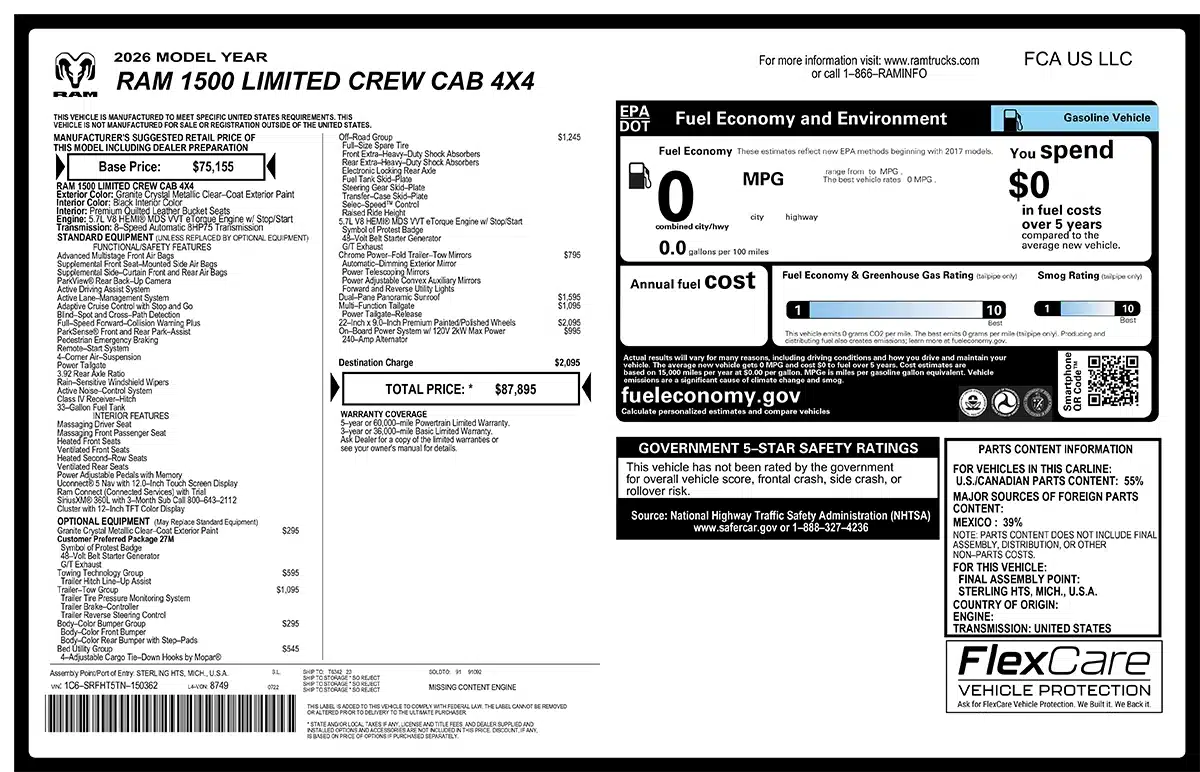
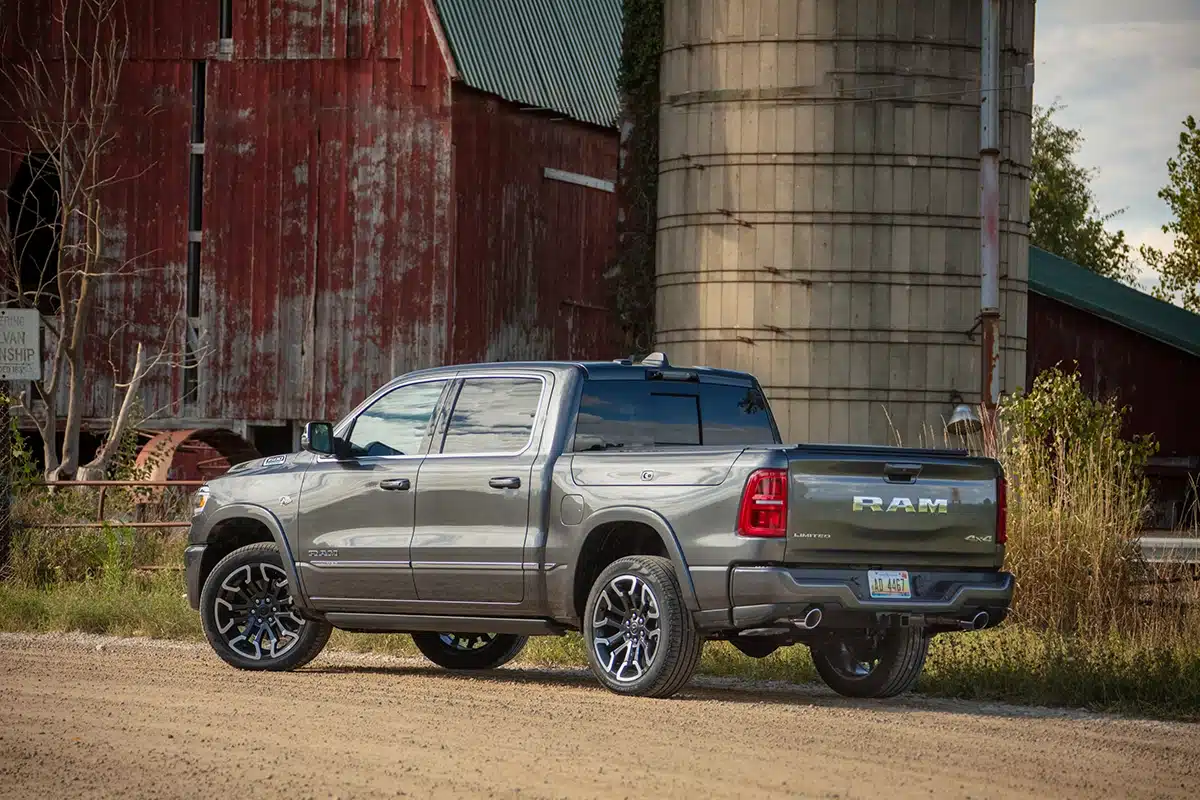
The result is this truck is heavy.
FWIW, in my 15 years of reviewing trucks, this 2026 Ram 1500 payload of just 897 pounds is the lowest I’ve ever seen.
Coil Springs vs Leaf Springs setup
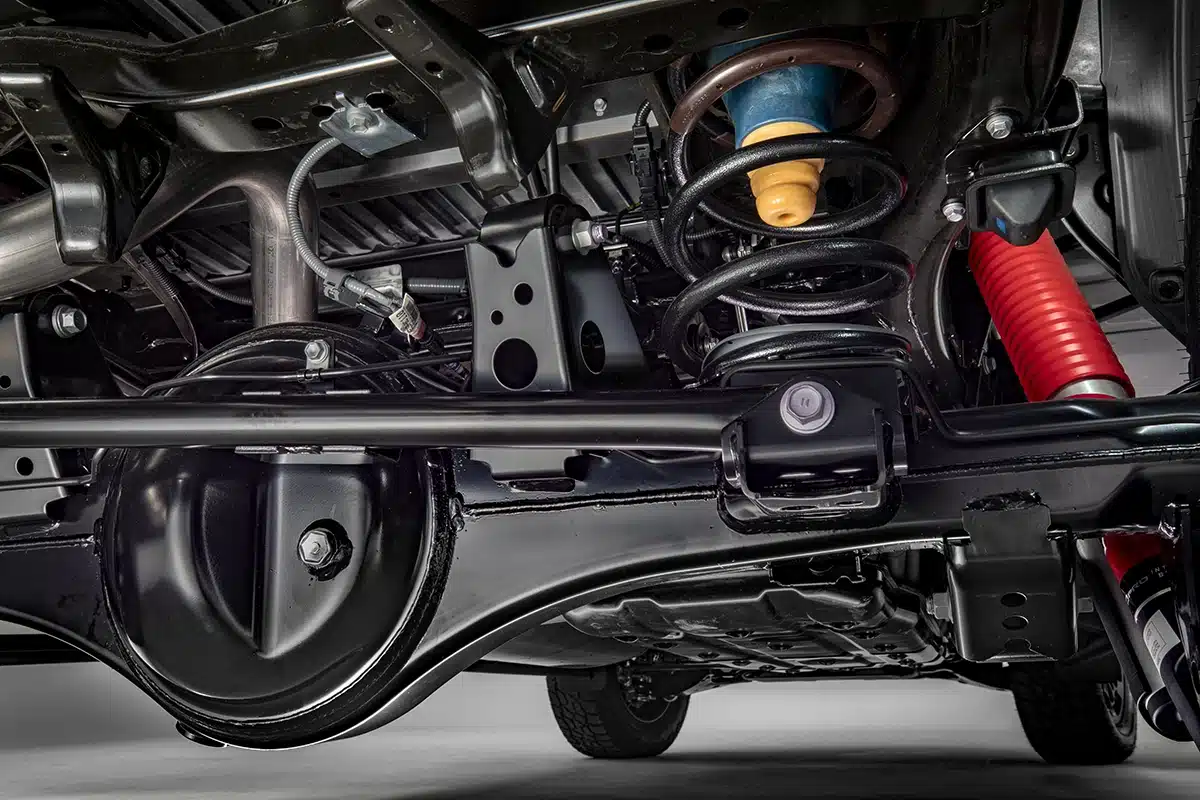
One question has been Ram’s use of a 5-link coil spring suspension vs the more traditional leaf spring suspension. Leaf Springs are considered to be stronger and able to handle more load.
Would a leaf spring suspension setup benefit Ram trucks? It is hard to know since 2009 they have had a coil spring setup and many things have changed since then.
However, looking at a recent change from the competition gives us some clues as to this impact on payload numbers.
The Toyota Tundra made a change in 2022 to a 5-link coil suspension setup pretty similar to the Ram 1500. They switched from leaf springs used in the 2021 model year after years of criticism over ride quality.
Let’s compare their top luxury trucks then vs now (the Capstone didn’t exist in 2021):
| Model | Payload | GVWR | Curb Weight | Max Towing | Max Tongue Weight |
| 2021 Toyota Tundra Platinum | 1,440 – 1,560 | 7,000 – 7,200 | 5,670 | 9,800 | 980 |
| 2022 Toyota Tundra Capstone | 1485 | 7,230 – 7,780 | 6,010 – 6,095 | 10,340 | 1,485 |
Keep in mind, the Tundra did have another significant change for the 2022 model year with regards to the frame. They developed a new innovative “tailored-welding” process, a form of laser welding and wire-feed laser welding, to build its new fully boxed frame. It made the frame stronger without adding much weight.
Other luxury trucks have payload concerns?
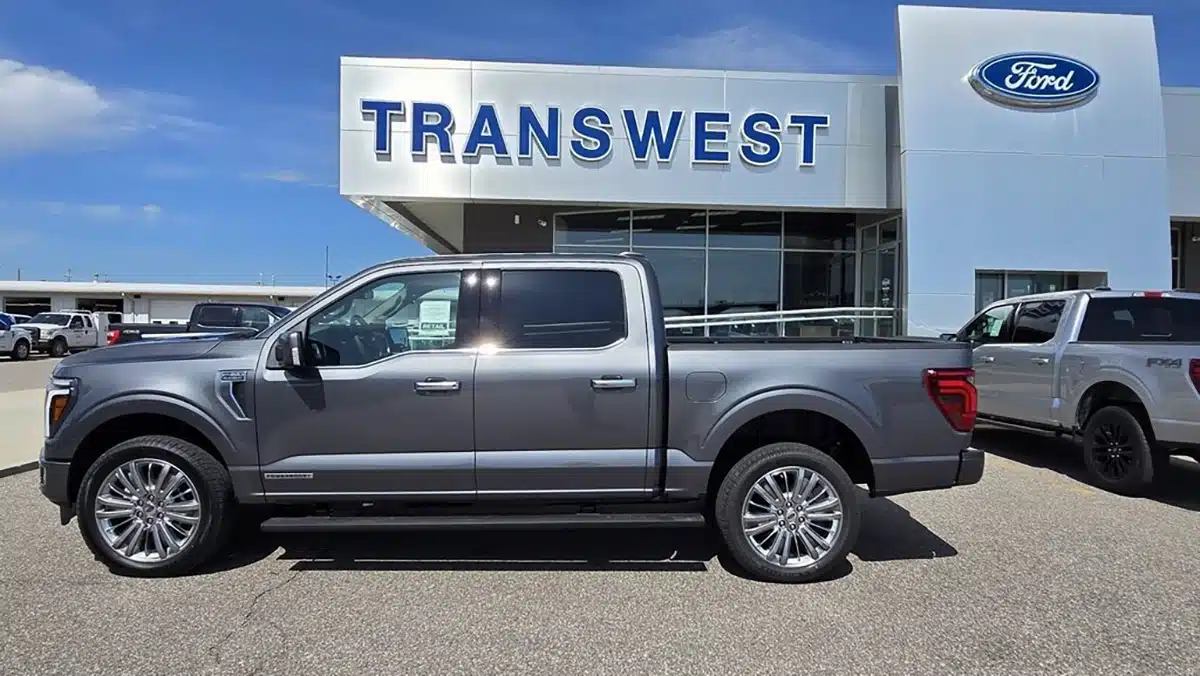
I did some research and found door jamb stickers for other luxury trucks on sale on dealership lots across the country or models I’ve had in my driveway for a week-long review.
Here are the results:
2025 Ford F-150 Platinum with 3.5-liter V6 Powerboost full hybrid
1,269 pounds payload – 7,400 pounds GVWR
2025 GMC Sierra AT4X AEV with 3.0-liter inline 6 Duramax diesel
1,048 pounds payload – 7,300 pounds GVWR
2026 Ram 1500 Tungsten with 3.0-liter inline 6 high output Hurricane
1,035 pounds payload – 7,100 pounds GVWR
2022 Ram 1500 Limited with 5.7-liter V8
1,445 pounds payload – 6,900 GVWR
Why not make the truck stronger?
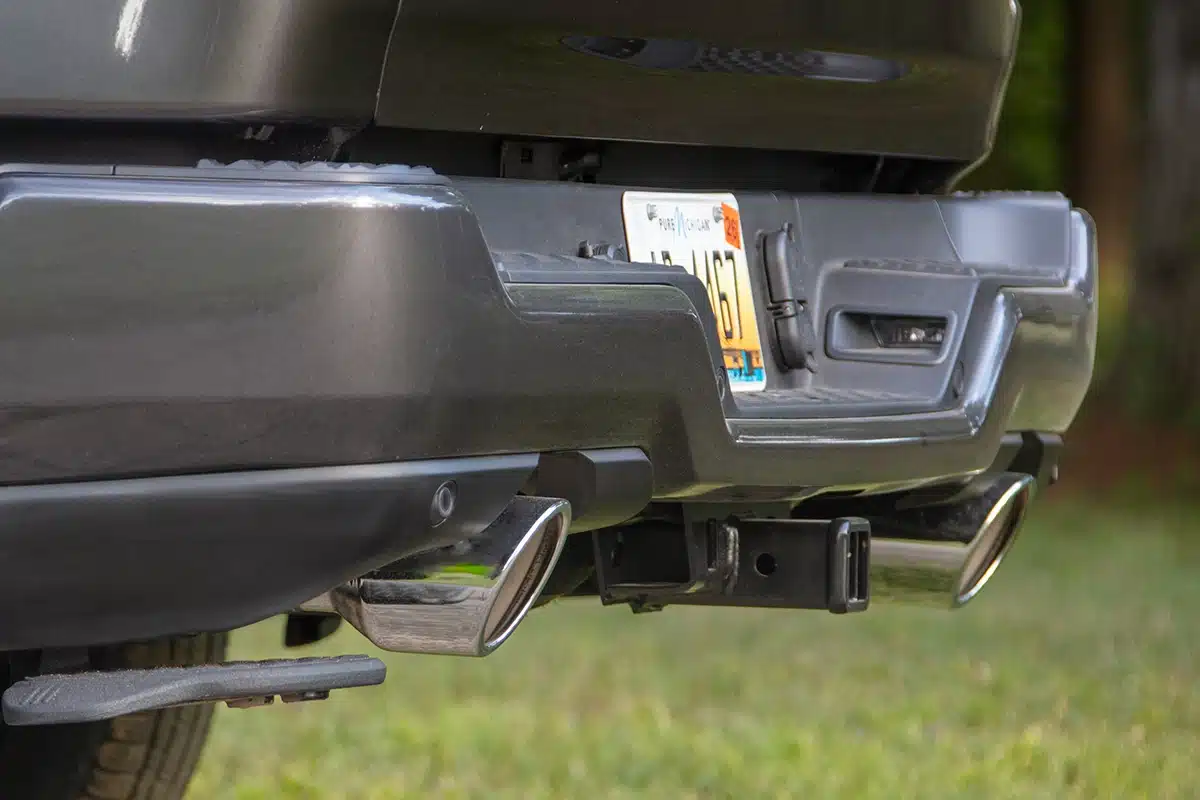
One of the responses to this truck has been, why not make the truck stronger by increasing the Gross Vehicle Weight Rating (GVWR)?
In simple terms, GVWR is how much weight the truck can handle before it becomes overloaded and you start to damage key components like the frame, drivetrain, axles, etc…
Full-size trucks are part of the Class 1 designation with the limit of 8,500 pounds GVWR.
Improving GVWR can be done by strengthening the frame, the suspension and/or general improvements to the overall truck without sacrificing ride comfort or reducing fuel economy.
Those last two factors are critical for today’s truck buyer – ride comfort and MPG. It is a trade off between making a real strong truck that rides nice and isn’t so heavy it sucks gas.
Also, it is a cost issue since you can use alternative metals like high-strength steel to reduce weight vs other steels, yet it is pricer.
Basically, stronger is better for payload, yet it could make the truck ride rougher, suck more gas and cost more to build. It is a balancing game for automakers to get all those factors just right.
What about the Hemi vs Hurricane weight difference?
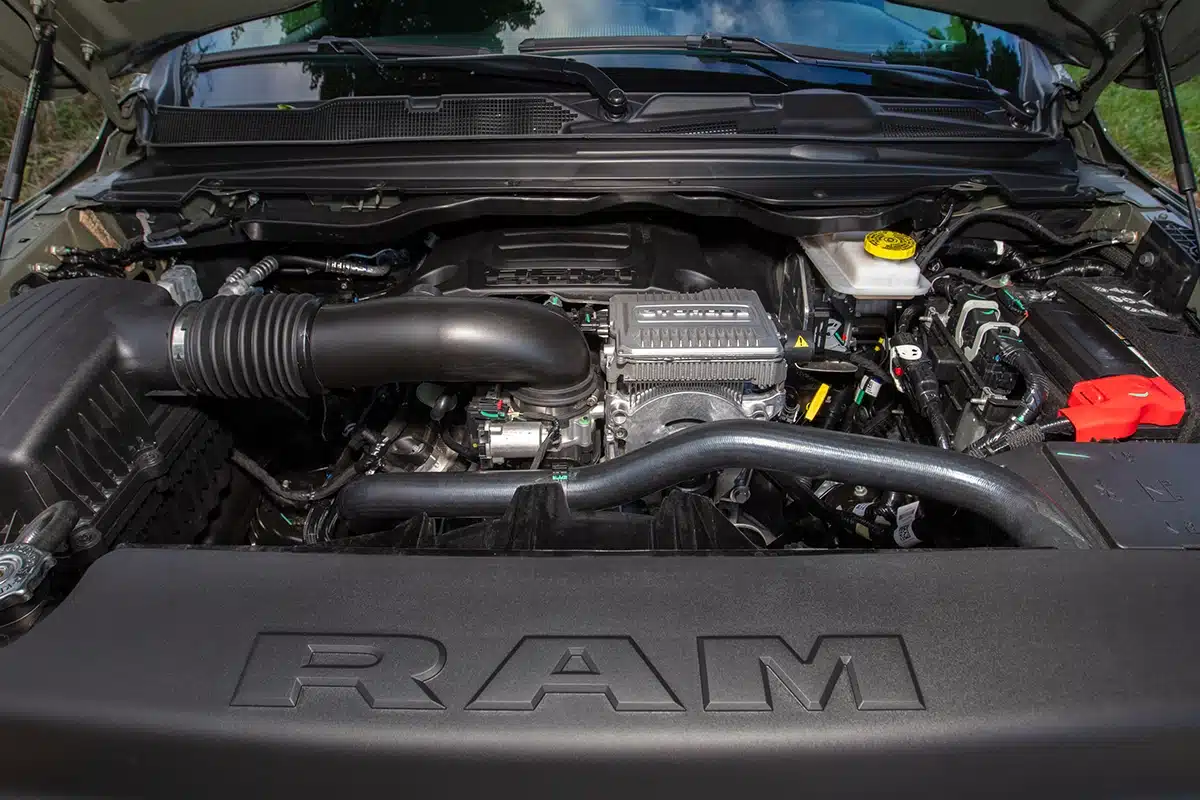
Finally, the return of the 5.7-liter Hemi V8 has a lot of excitement for truck fans, but is it causing some issues for payload?
Looking at the Ram towing chart, there is a difference between the 3.0-liter inline 6 twin-turbocharged Hurricane models and the Hemi V8 models.
Payload drops down from 1840 for Hurricane vs 1630 for Hemi models. GVWR is 7,100 lbs for both and the maximum towing capacity is 11,200 for the Hurricane and 9,590 for the Hemi both with the 3.92 rear axle ratio. For the Gross Combined Weight Ratio (GCWR) the difference is greater for the Hurricane with 17,000 pounds vs 15,850 pounds for the Hemi.
Ram lists the weight differences as follows between the Hurricane and Hemi:
| Total | Front | Rear | |
| Hurricane | 5,261 | 3,100 | 2,161 |
| Hemi | 5,465 | 3,211 | 2,254 |
The Limited Hurricane equipped truck GVWR is 7,100 lbs. If we surmise this number is the same with the Hemi equipped truck, like it is in the Tradesman trim, then the 1,450 payload number puts the curb weight at 5,650 lbs.
This means the 897 payload truck with the Hemi has a 6,203 pound curb weight and is a really heavy truck.
Are the new Ram 1500 electronics to blame?
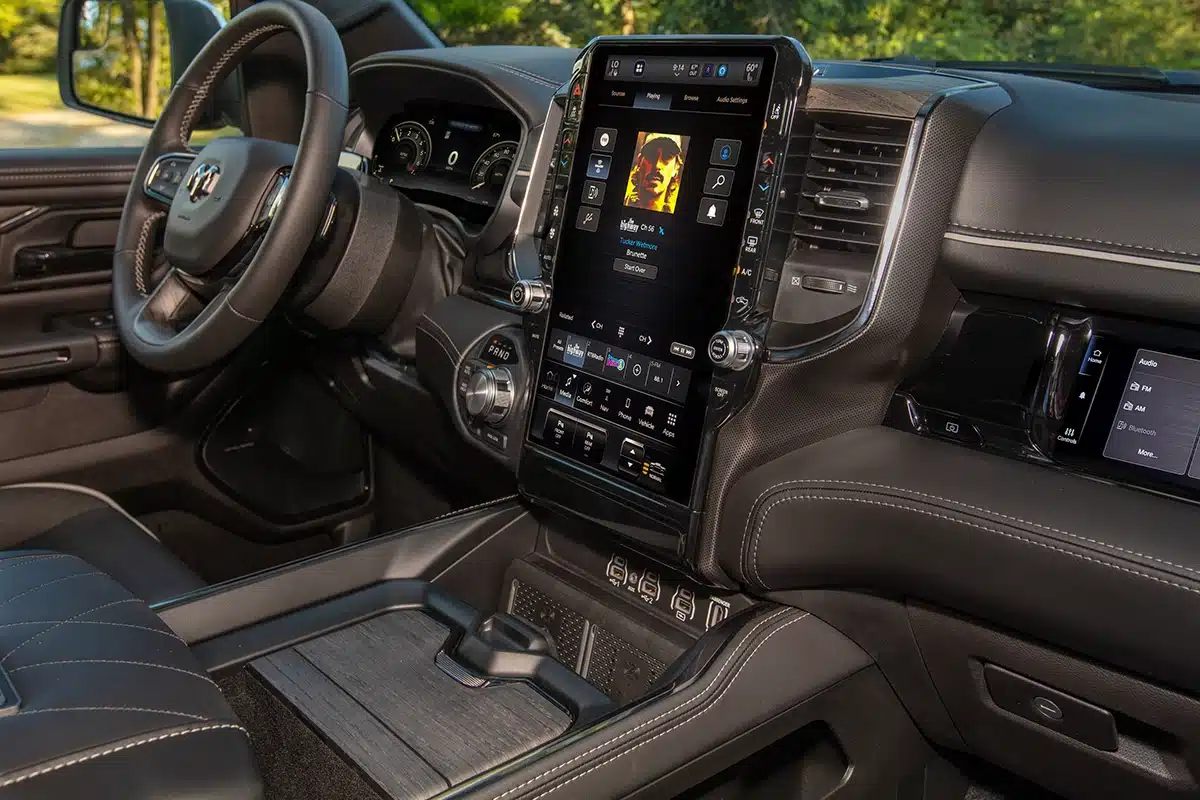
Interestingly, I looked back at old videos and I reviewed a 2022 Ram 1500 Limited with the 5.7-liter V8 Hemi and it’s payload was 1,445 pounds with options. The difference between that truck and the 2026 model? The new “Atlantis” electrical architecture Stellantis is putting in all their vehicles with new computer modules and wiring.
This was the big hold-up with bringing back the Hemi.
In our video interview with one of the Ram engineering team members, he spoke about how they had to ship trucks to New Zealand, rent out a facility and conduct winter time testing to calibrate 13 different modules to work with the new electrical system and the engine.
Why New Zealand? It was winter there and spring in Michigan. They needed to finish up the winter testing in just a few short months to get the Hemi engines in trucks to market. The team got the go ahead to bring the engine back the week before Christmas and spent January through June-July getting it ready. This quick timeline is impressive and it’s likely also pretty impressive how many millions of dollars they spent making this happen.
It is also plausible adding in the additional computer modules, the copper wiring and more electronics didn’t reduce the weight of the truck. Did it add hundreds of pounds of weight? No, but every pound matters when you are pushing your truck to its limit and adding more options, electronics and hardware doesn’t help get create more payload.
While this truck was certainly an odd-ball build, lower payload on full-size trucks has been a trend we have been seeing for the last dozen years or so and with trucks increasingly becoming rolling computers filled with luxury cabins, it is sure to continue. That’s certainly not going to appease the crowd who wants a basic, work truck with 2,000+ pounds of payload and a sub $30,000 price point.








51 replies
Loading new replies...
Moderator
Moderator
Administrator
Moderator
Well-known member
Moderator
Well-known member
Moderator
Well-known member
Administrator
Administrator
Join the full discussion at the Forum Pickuptrucktalk →