SUV and truck drivers face unique risks, making insurance shopping complicated. The marketplace is full of coverage options and policy exclusions, so making an informed decision is essential. How should you approach insurance coverage comparison?
When shopping for coverage, go beyond premiums and policy names. Here are four strategies to ensure you get the right plan and price for your needs.
1. Understanding Coverage Options
First, you must understand the core coverage types and what your state requires. Start with liability insurance, which is the first tier you can get. This coverage provides financial protection if you cause an accident or damage property. Full-size trucks and SUVs may necessitate higher limits.
The next tier is collision coverage, which pays for vehicle repairs after an accident regardless of fault. It’s essential if you have an expensive vehicle, considering its costly parts and labor. The highest tier is comprehensive coverage, which protects against non-collision events. Theft, vandalism and fire could affect your truck or SUV, so you should also consider this policy.
2. Adding Optional Coverage
Check if your car insurance budget allows for optional coverage, which offers even more protection for trucks and SUVs. The first one to consider is gap insurance, covering the difference between what you owe on a loan and the vehicle’s cash value. If your automobile is expensive, it could significantly impact the financial burden after an accident.
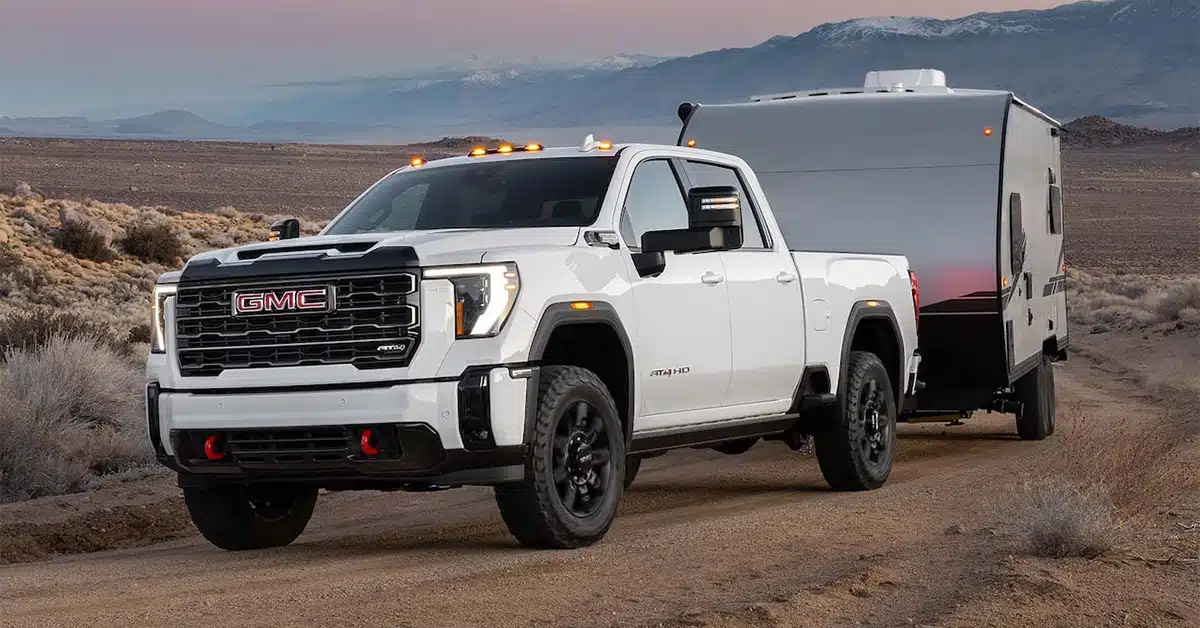
Custom equipment coverage is another option that could be worth the addition if you’ve installed a lift kit or an upgraded sound system. This policy protects your equipment if damaged or stolen, which is vital if finding a suitable plan is challenging. Road trippers should consider roadside assistance and towing coverage if they take trailers and boats on long trips.
3. Considering Coverage Limits and Deductibles
Coverage limits and deductibles are vital in your insurance comparison. Evaluate the maximum amount each insurer will pay for covered claims. For example, your liability coverage may pay for up to $300,000 in injuries or property damage. Owners of large trucks and SUVs should consider higher coverage limits because their vehicles may cause more damage in collisions.
Tight budgets increase the focus on deductibles, which determine your out-of-pocket expenses before your insurer covers the rest. Less-frequent driving could mean a lower deductible makes more sense for you, but off-road driving and using your vehicle for work may necessitate a lower deductible for more peace of mind. Assess your risk and consider vanishing deductibles if you drive safely.
4. Using Comparison Platforms
The vast insurance marketplace means comparing policies can be hectic, so using online platforms to view quotes from multiple insurers is helpful, especially if you need special coverage. Who is the best at comparing coverage options for auto insurance? InsureOnline.com helps high-risk drivers find non-standard auto insurance plans and compare quotes. It partners with carriers to find accurate estimates for your needs.
These online platforms let you be specific about your truck or SUV by accounting for usage and modifications so your quotes can better reflect your unique needs. Use comparison websites to compare coverage limits and deductibles with clear formatting. You can see each insurer’s discounts, such as telematics programs or bundling.
Why Insurance Coverage Comparison Is Essential
Rising insurance costs mean comparing policies and deductibles is paramount. Experts say the average American pays around $2,600 annually, which is a 12% increase since 2024. For minimum coverage, you’ll still pay around $806 per year. Trucks and SUVs are bigger than sedans, so you may pay more for specialized coverage.
Comparing insurance policies lets you see the gaps among insurers. For example, one company may exclude custom equipment, whereas another extends coverage to off-road vehicles. Once you decide on a plan, you should regularly review your policy as your life changes, such as if you require extra coverage when towing trailers.
Evaluating Coverage Options for Your Needs
Comparing insurance options is more than finding the lowest monthly premium. As a truck or SUV owner, you must consider how you use your vehicle, daily risks and custom features, and research core and optional coverages with multiple insurers to see which company offers the best plan. Once you have a plan, regularly review it as your life and vehicles change.