
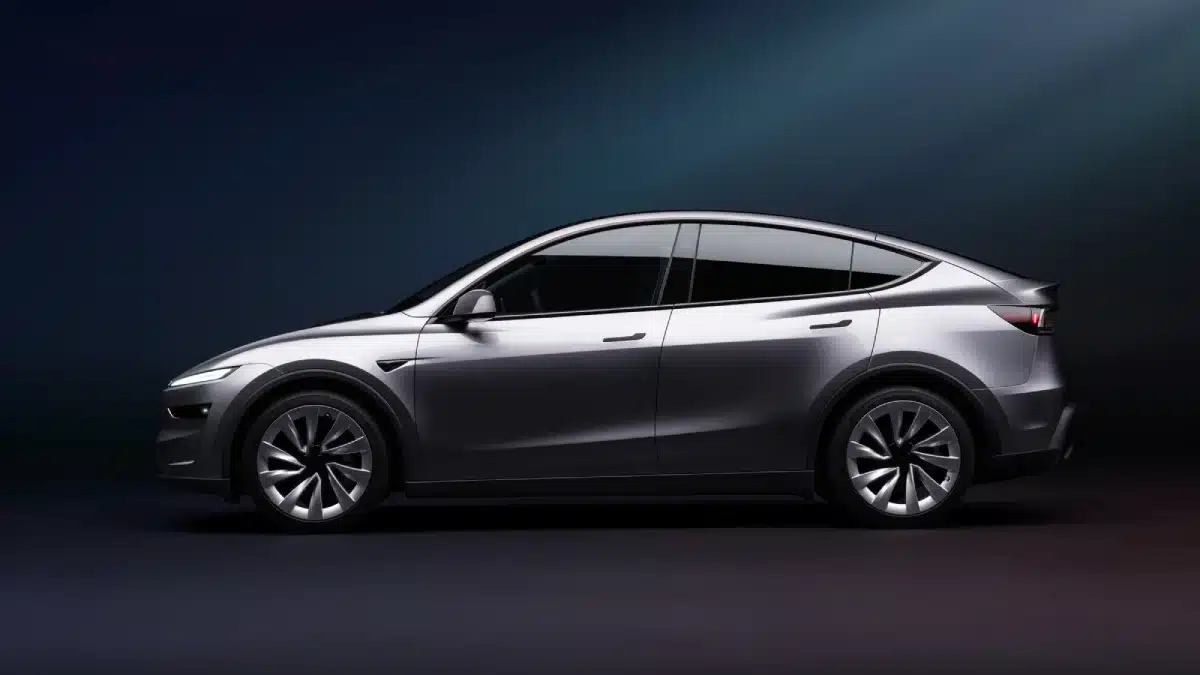
The EV Credit is ending September 30 and most signs suggest this will lead to lower sales, possibly longterm.
In just a few weeks, the popular $7500 Federal EV tax credit is ending, leading to what some experts fear is an EV market crash that’s already leading to layoffs, delayed or canceled billion dollar investments and potentially contributing to rising taxes. Could it be even worse than imagined?
I spoke with with experts, studied trends, and sifted the news to get an idea just how much the $7,500 EV tax credit ending on September 30, 2025 will impact not just electric vehicle sales, but how the political landscape might impact local economies.
Record Sales
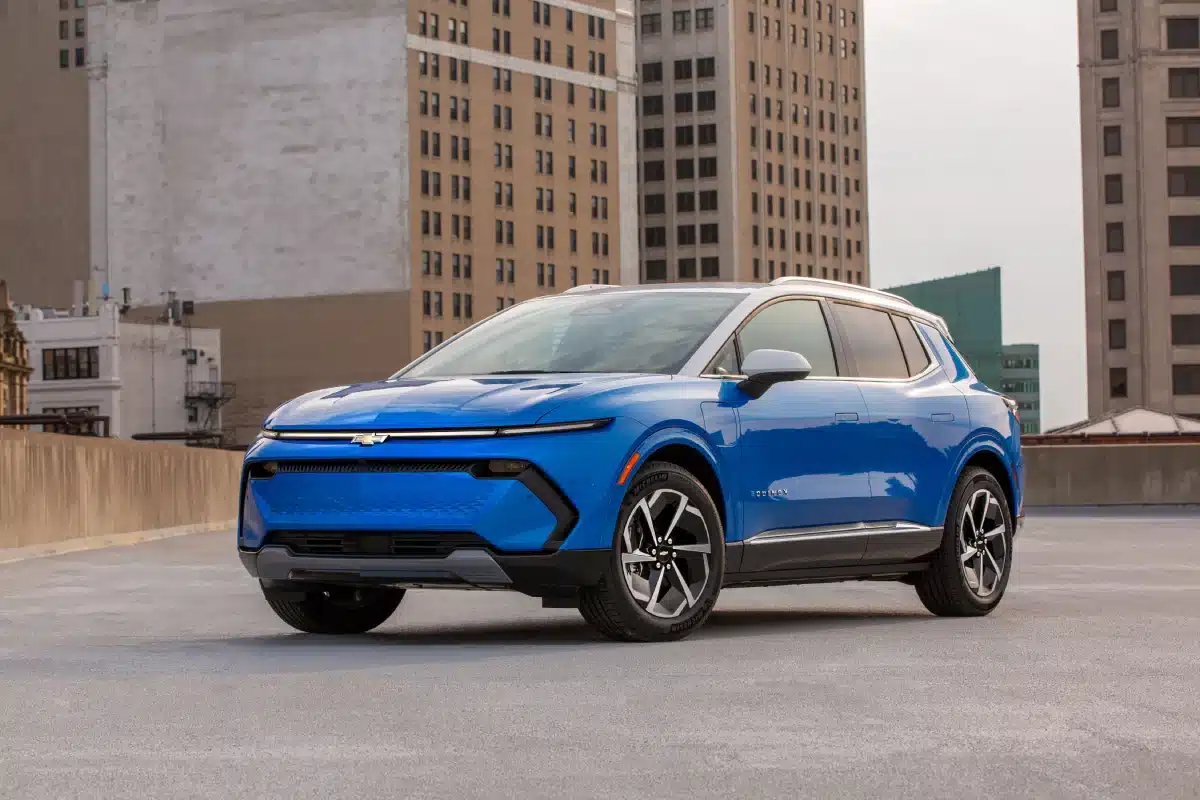
First, the good news for EV enthusiasts: third quarter sales of electric vehicles in the US are likely to reach their highest levels ever. That’s due to the growing acceptance and embrace of electric vehicles, of course, but analysts suggest it’s driven by buyers looking to take advantage of the credit before it’s gone for good.
“Q3 sales … will probably be the highest percentage of [electric vehicles] ever sold in the US,” veteran automotive journalist John Voelcker explains. “There is a lot of preloading. People are pulling forward some purchases to take advantage of the incentive.”
Cooling Trend

Of course that means that come September 30, when the EV tax credit ends, the industry is set to slow down. That much isn’t in question. What is in question is how much of a slowdown, for how long, and where the market will settle.
“With both the electric vehicle credit for consumers and the regulatory requirements for automakers going away this fall, there will be a substantial drop in electric vehicle production, sales, and market share starting in Q4 2025,” says Karl Brauer, executive analyst for iSeeCars. “This drop will continue for the foreseeable future, with EV share likely settling in around 4% of new car sales for 2026 through 2028.”
The general conclusion, although not necessarily those specific numbers, is supported by announced slowdowns in production for brands including GM, Volkswagen and Rivian.
International Comparisons

If we look to what’s happened in other countries for guidance, the outlook isn’t great. A story last year in MIT Technology Review looked at the effect of ending subsidies on EV sales in Germany and Sweden and concluded that one key factor was the rate of adoption at the time the subsidies ended. Unfortunately for the US market, both Germany, which saw a steep drop off of 37%, and Sweden, which saw a more modest drop off that quickly leveled off, are well above the US rate of adoption. The article put Sweden’s EV percentage at 35% of new car sales, while Germany sat at just over 20%. The US? According to a recent iSeeCars report, we peaked at right around 8% – well below Germany (although we had longer to adjust to the loss, another factor identified by MIT).
Positive Factors
It’s not all gloom and doom for the EV market report, though. As in many other arenas, the US is a unique market with factors that don’t necessarily apply to other regions. “There are quite a number of states, primarily blue states, that have their own incentives, some of them fairly generous all by themselves,” says Voelcker. “Those are not going away, so that’s important context.”
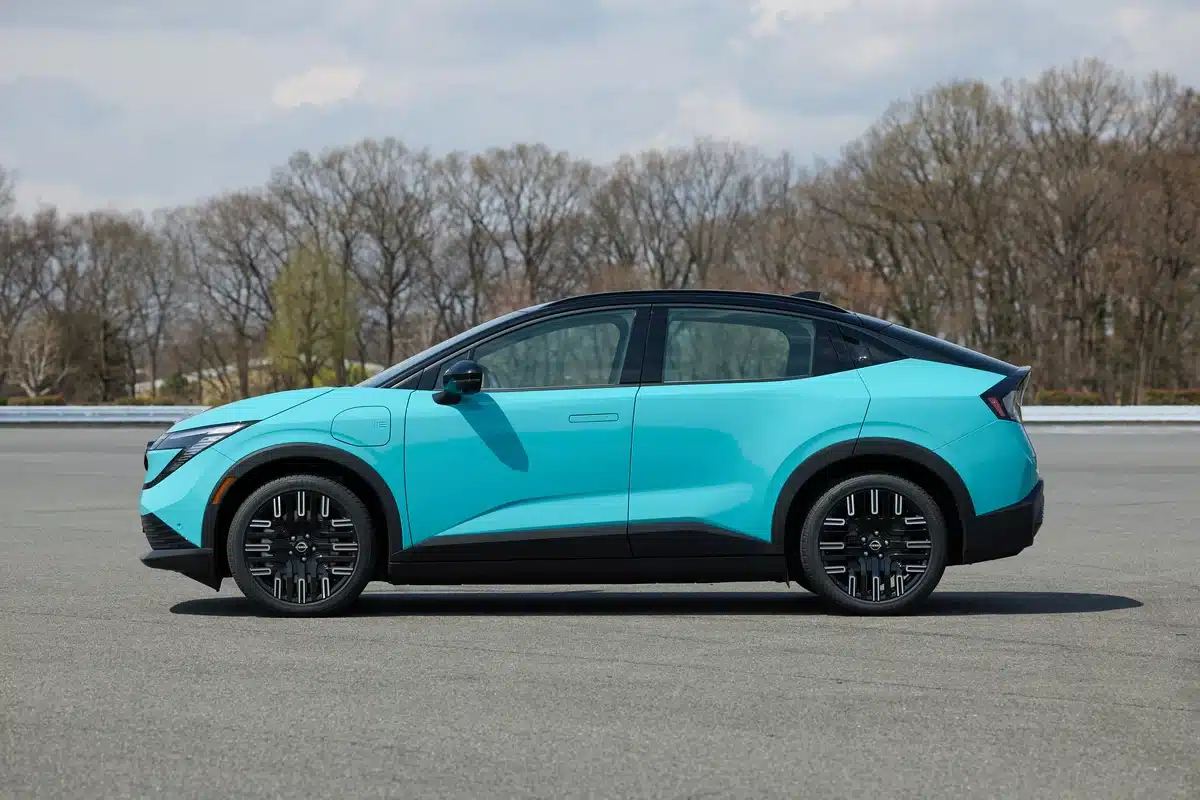
And, more broadly, we’re simply further down the road in terms of the maturity of the technologies and markets than the nations cited in those studies were. In addition to the state-level EV subsidies, Voelcker also identified an emerging class of cheaper EVs – as many as six models, including the new Nissan Leaf, and upcoming models from Chevy, KIA, and others – as likely to help keep the market competitive and growing by coming in at a price point between $30-35k. Combined with the already typically lower maintenance and use costs of EVs, these lower sale prices could ease the sticker shock of the initial purchase and help buoy the market long term.
Strategic Planning: Maximizing the Final Weeks

While the industry braces for a Q4 slowdown, individual taxpayers are facing a ticking clock. Because the $7,500 Federal EV tax credit is non-refundable, your ability to benefit depends entirely on your total tax liability and specific income caps.
With the $7,500 credit ending on September 30, it is vital to know how your filing status impacts your eligibility. Income limits are strict: $300,000 for those married filing jointly and $150,000 for those married filing separately.
If you are on the bubble of these income limits, it is important to weigh the benefits of married filing jointly vs separately. While married filing jointly typically offers a lower tax rate, choosing married filing separately vs jointly might actually allow a lower-earning spouse to qualify for the credit if your combined income exceeds the $300,000 threshold.
Wider Risks And Wild Cards

A rapidly shifting and thus far somewhat unpredictable tariff landscape and other recent policy developments in the US are likely to impact the automotive sector as a whole, and it’s difficult to guess how that will affect any sector in particular. Other unusual factors, such as the CEO of Tesla, the world’s most valuable EV company, managing to be unpopular with both the Trump administration and liberal protestors, or international incidents over ICE mistakes impacting the industry only add additional uncertainty (but certainly little reason for optimism) to an already cloudy picture.
Potential Consequences

Even in the absence of conclusive evidence of the ultimate effects of the credit ending, as our editor Tim Esterdahl pointed out in a recent editorial, ending the credit leaves us less competitive with other nations, China in particular, and thus represents a potential national security threat. Even if you discount potential security concerns, it’s impossible to deny that the economy will be impacted – lower sales leads to lower production which leads to layoffs, all of which is already happening (to be fair, some manufacturers are betting on growth and expanding). Further down the line, if the pessimistic analysts are right about where the market settles, it’s not unreasonable to anticipate more layoffs, more canceled products, further economic contraction, and eventually tax increases as lawmakers look to make up lost income and sales tax revenue from the sector.
Magic 8-Ball Says…

The experts, international examples, and common sense all agree – in the short term, the market is going to slow down. Longer term – 2026 and beyond – some analysts see the EV market getting cut in half, while others think it could outpace those dire expectations and level out or regain some of the lost ground once new models and other changes reach the market. Whichever way you lean, it’s smart to consider some of the unusual factors facing us in this historical moment, few of which seem likely to be favorable to the EV market. So will the EV credit ending also end the EV market? No, but it’s not going to do it any favors in the short term. Longer term, the clear advances in the technology and affordability of EVs will help, but it may ultimately come down to factors larger than the EV market itself — and the EV market slowdown, if it as bad as some suggest it will be, may have impacts wider than anticipated.








10 replies
Loading new replies...
Administrator
Moderator
Well-known member
Well-known member
Moderator
Well-known member
Administrator
Administrator
Moderator
New member
Moderator
Join the full discussion at the Forum Pickuptrucktalk →