Buying a used car can either be a smart financial decision or a costly disaster. One key difference lies in whether the buyer carefully reviews the vehicle’s past. Ignoring this crucial step opens the door to serious problems—some that don’t show up until it’s too late.
The hidden risks of skipping a car history check are far greater than most buyers realize. A proper car background check reveals the truth behind polished paint, low odometer readings, and smooth test drives. Without it, many buyers fall into traps that damage wallets and confidence alike.
1. You Might Be Driving into a Nightmare
Used car shoppers often rely on a test drive or the seller’s word. But what if the car’s past hides something darker?
- Previous accidents?
- Structural damage?
- A rebuilt title?
- Odometer fraud?
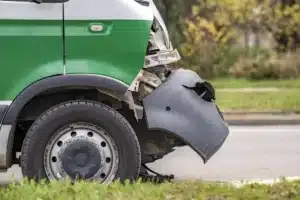
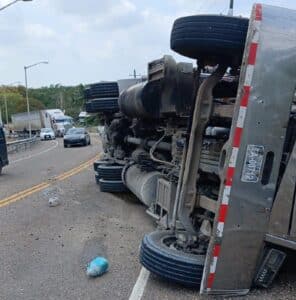
These are not rare. Skipping a vehicle history report increases the chance of missing critical data. The car may have been in a major accident. It may have serious frame damage masked by quick cosmetic fixes.
2. The Damage Hiding in Plain Sight
Every used vehicle carries a past. Sometimes that includes flood damage, salvage title branding, or title problems. When a seller fails to mention these, a vehicle identification number (VIN) check exposes the truth.
| Risk Type | Potential Impact | How to Detect |
| Flood damage | Electrical issues, rust, mold | History reports + inspection |
| Rebuilt title | Previous total loss | Title status & insurance records |
| Structural damage | Misaligned wheels, poor handling | Service history + mechanic scan |
| Odometer fraud | Understated mileage = inflated value | Odometer readings timeline |
| Salvage title | Written off by insurance company | Vehicle history report |
When buyers skip the check, they often inherit someone else’s costly repairs.
3. What the Reports Reveal (That the Seller Doesn’t)
History reports go beyond past accidents. They detail previous owners, insurance write off cases, and maintenance records that shape the car’s performance today.
A well documented history builds trust. A used car with regular tire rotations and routine maintenance from certified shops proves more reliable. On the other hand, a vehicle with no service and maintenance records is a red flag.
4. The Problem with Private Sales
Private sellers usually offer a lower price than dealers. But that discount comes with risk. There’s no legal obligation for them to provide a car history report. In fact, some hide bad deals behind clean exteriors.
Private sales are especially prone to hidden problems like flood damage or serious accident repair jobs. A professional inspection helps, but won’t catch everything without access to the car’s background.
Ask yourself: would you sign a lease without reading it? Then why buy a car without reading its past?
5. Cost Today or Cost Later?
Skipping history reports may save money upfront. But this decision creates hidden mechanical issues that result in costly repairs later.
Common examples:
- Transmission failure weeks after purchase
- Airbag light triggered by past accidents
- Engine trouble due to skipped maintenance
Each of these issues links to a lack of service records or undisclosed accident history. The result? Unexpected expenses and legal issues when reselling.
Hidden costs from skipping a car history check:
- 🚩 Lower resale value
- 🚩 Title issues
- 🚩 Insurance company denial for claims
- 🚩 Loss of confidence in car’s safety
- 🚩 Delayed registration due to ownership history conflicts
6. Trusted Data Means Smarter Buying
Many buyers assume a clean exterior equals a clean history. That’s one of the biggest risks. In truth, the car’s past reveals more than any sales pitch.
A reliable vehicle needs more than low miles and good looks. It requires a traceable, well maintained record. A clean history backed by records from a trusted mechanic or dealership makes a smart purchase.
Checklist to avoid costly mistakes:
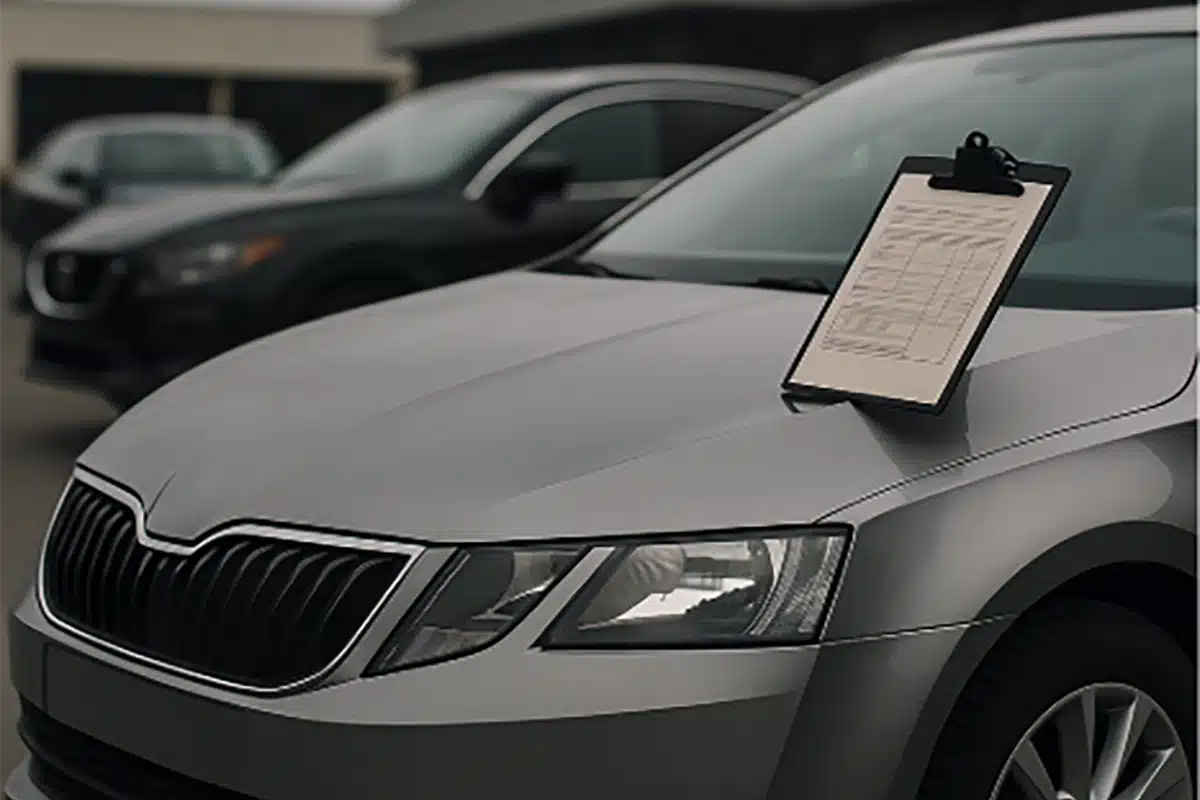
- Obtain full history reports (title status, service records)
- Confirm odometer readings match reported mileage
- Check for flood damage and salvage title records
- Use VIN to uncover accident history and ownership timeline
- Always pair reports with a professional inspection
7. History Saves More Than Just Money
A vehicle history report brings clarity. It helps avoid legal complications, insurance headaches, and test drive surprises. Many buyers regret skipping this step during their first purchase. In a short period, minor issues grow into serious burdens.
Buying a used car without background checks is like blindfolding yourself and picking a number on a roulette wheel. Sometimes you win. Often you don’t.
Conclusion: Your Best Defense Is Knowledge
Many buyers skip history reports because the car feels right during a test drive. But the truth hides beneath the hood and behind past titles. Skipping a vehicle history report opens the door to legal troubles, hidden mechanical issues, and major financial losses.
The car’s background matters more than first impressions. Checking the vehicle’s history is how you make an informed decision, protect your investment, and avoid costly mistakes. Whether the car comes from a private seller or a dealership, demand full transparency before signing anything.
A well maintained vehicle with verified service records and clean history is more than a purchase. It’s peace of mind.
FAQ: What Buyers Secretly Want to Ask
1. Can a car look perfect and still be flood damaged?
Yes. Flood damage often hides behind new upholstery and cleaned carpets. Only a detailed history report and trusted mechanic can detect water exposure and mold inside the car’s frame or electronics.
2. Is it legal for someone to sell a car with odometer fraud?
No. Odometer fraud is a federal offense. But it’s surprisingly common in private sales. History reports and odometer readings help catch inconsistencies.
3. How can I tell if a rebuilt title affects car safety?
A rebuilt title means the car was once declared a total loss. Even if repaired, structural damage might remain. Always pair the history report with a professional inspection.
4. What happens if I skip a history check and find a red flag later?
You might face legal issues, denied insurance coverage, or expensive repairs. Some buyers even discover they bought a stolen vehicle. History checks prevent these traps.
5. Why do many buyers regret skipping history reports?
Because unexpected repairs, lower resale value, and flood damage appear only after the sale. In a short period, a bad deal becomes a long headache.