
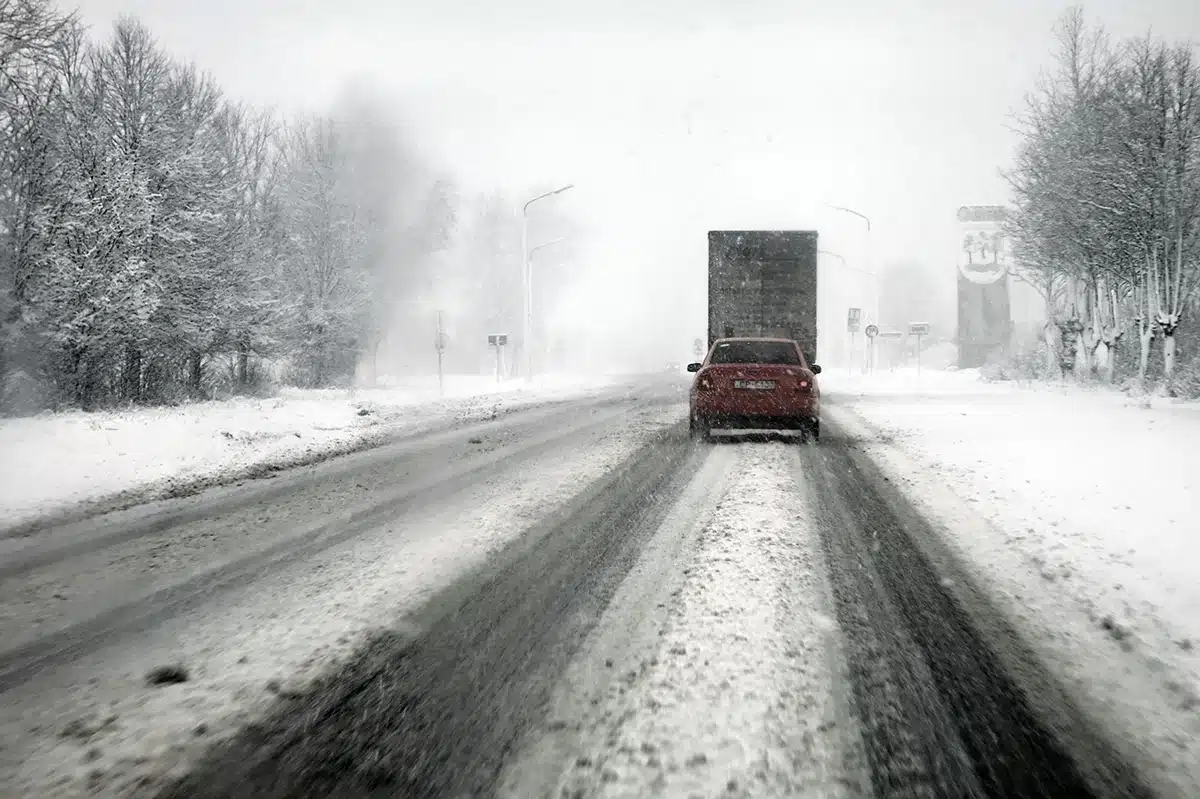
When people think of car accidents, they often imagine congested city streets, heavy traffic, or multi-lane highways. And with good reason, as this is usually where most accidents take place. At least, this is the type of accident we hear most often about.
Yet, some of the most devastating and overlooked crashes happen far away from urban centers, on quiet rural roads. These areas carry their own set of risks that make accidents more dangerous and their consequences more severe.
When you think about it, rural roads don’t witness as much traffic, yet it’s precisely that lack of vehicle frequency that often leads to drivers letting loose and getting into accidents. That’s why car crashes happen quite often in these spots but they’re not that talked about.
In this blog post, we’ll shed some light on this specific problem and take a look at how these types of accidents can be prevented.
Why rural roads pose higher risks
The US has a big problem with car accidents. Even back in 2020, during COVID, there were more than 35,000 fatalities as a result of car crashes. And that’s when most of us were quarantined, and we didn’t even need to go outside. Still, the number of accidents was extremely high.
Many people share the misconception that rural roads are safer than heavily trafficked intersections. But is there any truth in that?
Rural driving can feel peaceful, but statistics consistently show that fatal accidents are more common outside city limits. Factors like higher speed limits, narrow lanes, limited lighting, and unexpected wildlife crossings all contribute to this increased danger. Many rural routes also lack basic infrastructure such as guardrails, rumble strips, or adequate signage, which can prevent drivers from reacting in time.
In addition, drivers in rural areas often feel a false sense of security. With fewer cars around, they may drive faster, take sharper curves, or pay less attention to seatbelt use. Unfortunately, when a crash happens, the remoteness of these roads turns small mistakes into life-threatening situations.
The role of geography
Geography plays a big role in the severity of these accidents. When you take a look at the US, each state has a different terrain and different infrastructure.
Let’s start with Montana. Known for its vast landscapes and breathtaking scenery, the state also has some of the most dangerous rural driving conditions in the country. Long, isolated highways weave through mountains, plains, and forests, where sudden weather changes, wildlife, and limited cell service make accidents both more likely and more difficult to manage.
Accidents happen often in these parts of the state, leaving victims in search of a car accident lawyer who will pick up the pieces and help with the insurance claims.
But rural accident risks don’t stop there; they extend across the country. States like Arizona, with its long stretches of desert highways, or Indiana, where farmland roads witness heavy truck and farm equipment traffic, face similar dangers and risks.
In Texas, the sheer size of the state and its rural expanses make response times especially challenging, while Wyoming and North Dakota contend with harsh winter weather and low visibility that contribute to higher accident rates. Whether it’s remote mountain passes, desert plains, or snowy rural highways, the combination of high speeds, limited infrastructure, and delayed emergency response creates severe risks for drivers nationwide.
Emergency response delays
One of the most hidden but significant consequences of rural road accidents is delayed access to medical care. In urban areas, ambulances and trauma centers are often minutes away.
On rural roads, however, victims may wait far longer for help to arrive. Even once emergency personnel are dispatched, the long distances between crash sites and hospitals can extend the time before lifesaving treatment is provided.
Medical experts often refer to the “golden hour,” a.k.a. the critical window after a severe injury when prompt care can make the difference between survival and tragedy.
For rural accidents, this golden hour is frequently lost to geography. Often, medical care is simply not able to reach the scene of the accident on time to help the injured parties.
Economic vs emotional toll
Beyond physical harm, rural accidents create a heavy economic and emotional burden on families and communities. Medical bills are extremely high, especially when patients require specialized care in larger cities.
Additionally, the sudden loss of income due to injury or death can put a huge burden on a family’s financial stability.
The emotional toll can be just as severe and leave long-term consequences. Small, close-knit rural communities often feel these accidents deeply, as friends, neighbors, and family members are frequently involved.
Preventive measures and safety improvements
While rural roads come with risks, there are ways to reduce the number of accidents. Expanding infrastructure is one solution, such as adding guardrails and installing better lighting. Improving communication networks in remote areas can also ensure that accidents are reported quickly and accurately.
Public education plays an equally important role.
Campaigns that emphasize the importance of seatbelt use and safe speeds. It’s important to raise awareness about the problem as that’s the only way drivers will change the way they approach these remote roads.
In addition, investing in more rural trauma centers or strategically placed helicopter emergency services can save lives when accidents do occur.
Key takeaways
Rural roads may seem quiet and safe compared to bustling city streets, but that doesn’t mean they’re safer. Longer response times, inadequate infrastructure, and the mere isolation of these areas combine to make rural crashes a serious concern.
Across the US, rural communities face the same vulnerabilities, and it’s important to help these areas and provide proper help in times of need.
By investing in infrastructure, expanding emergency response, and raising awareness, we can make rural roads safer for everyone. Recognizing and addressing these hidden consequences is the first step toward saving lives and protecting the communities that rely on them.








