
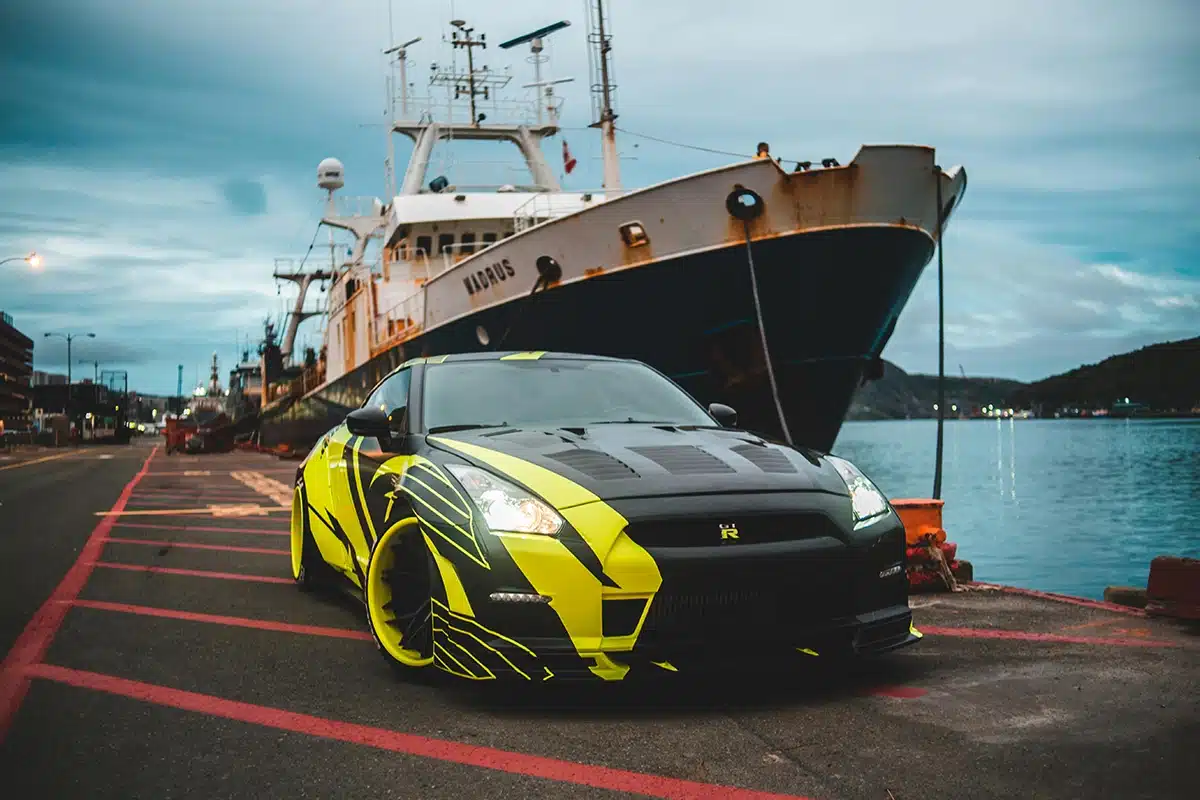
Shipping a high-performance vehicle overseas, including to places like Hawaii and Puerto Rico, is often driven by several specific motivations tied to the unique value and characteristics of these cars. High-performance vehicles — such as sports cars, supercars, or luxury performance models — are typically expensive, rare, and finely tuned machines that owners want to preserve and enjoy regardless of their location.
One common reason for shipping a high-performance car overseas is relocation. Enthusiasts or professionals who move abroad for work, military deployment, or extended stays often prefer to bring their prized vehicle with them rather than purchasing or renting a car locally. Because high-performance cars are often tailored to the owner’s preferences and driving style, having their own vehicle provides a familiar and enjoyable driving experience that matches their expectations for speed, handling, and comfort.
Another motivation for shipping cars is participation in automotive events such as car shows, races, or track days. Owners may ship their high-performance vehicles overseas to showcase them at exclusive events, compete in races, or attend private driving experiences that aren’t available locally. These vehicles often represent significant investments, not just financially but also in terms of time spent customizing and maintaining them, so transporting them safely is a priority.
Additionally, some collectors ship high-performance cars overseas to expand their collections or take advantage of favorable market conditions. For example, a rare model might be more affordable or available in the mainland US, prompting an owner in Puerto Rico or another country to import it. Shipping allows them to acquire and maintain vehicles that might otherwise be inaccessible.
Because high-performance cars often have low ground clearance, sensitive components, and specialized tires, owners also seek professional shipping services that offer extra care, such as enclosed transport or custom crating, to protect their investment during transit. Overall, shipping these vehicles overseas allows owners to enjoy, display, and preserve their prized automobiles no matter where life takes them.
How to Ship a High-Performance Car Overseas
Shipping a high-performance vehicle involves several important steps to ensure a smooth and successful transport. Here’s how to do it:
#1 Research and Choose a Shipping Company
Start by researching reputable auto shipping companies that specialize in handling high-performance vehicles and international shipments. Look for companies with experience transporting luxury or sports cars, strong customer reviews, and proper licensing and insurance coverage. Request quotes from multiple providers to compare prices and services. Some companies offer various shipping options such as door-to-port, port-to-port, or door-to-door transport, with specialized services like enclosed carriers to protect your vehicle.
#2 Prepare Your Vehicle for Shipping
Thoroughly clean your vehicle to facilitate a detailed inspection. Remove all personal belongings, as most carriers prohibit transporting items inside the car due to liability concerns. Inspect the car for existing damage and take clear, detailed photos from multiple angles. This documentation is essential for insurance claims if any damage occurs during transit. Ensure the fuel tank is about a quarter full to reduce weight but still allow for safe loading and unloading. Disable alarms and fold in mirrors if possible to prevent accidental activation or damage.
#3 Book Your Shipment and Complete Necessary Paperwork
Once you select a shipping company, schedule your shipment date and confirm all requirements. You will need to provide documentation such as the vehicle’s title, registration, and a valid ID. Some companies may require a notarized power of attorney if you cannot be present at pickup or delivery. Clarify all paperwork requirements with your provider to avoid delays.
#4 Drop Off or Pick Up Your Vehicle
Depending on the shipping method, you may need to drop off your car at a designated port or arrange for pickup from your location. High-performance vehicles often require special handling, so confirm whether your car will be transported via roll-on/roll-off (RoRo) vessels or enclosed carriers. Enclosed shipping is recommended to protect sensitive components and maintain the vehicle’s condition during transit.
#5 Track the Shipment and Prepare for Arrival
Stay in contact with the shipping company to receive updates during transit. Shipping times vary depending on the origin and destination ports and the chosen service. Upon arrival, you or your designated agent will need to arrange for pickup and be prepared to handle any port fees, taxes, or customs duties that may apply depending on the destination.
#6 Inspect and Complete Final Requirements
When you receive your high-performance vehicle, inspect it carefully for any damage and report issues immediately to the shipping company. If applicable, complete any local registration, inspection, or insurance requirements to ensure your vehicle is ready for use.
By following these steps and choosing specialized services tailored for high-performance cars, you can help ensure your vehicle arrives safely, securely, and in optimal condition.
What To Do If There Is a Problem
If you encounter a problem while shipping your high-performance vehicle, it’s important to act quickly and methodically to protect your investment. First, thoroughly inspect your car immediately upon delivery. Take detailed photos and document any damage or discrepancies compared to the condition noted before shipping. This evidence is crucial for filing claims.
Next, notify the shipping company right away. Report the issue in writing, providing all documentation and photos. Most reputable carriers have specific procedures and timeframes for damage claims, so adhering to these guidelines is essential. Keep copies of all correspondence and records of phone calls.
If the shipping company has insurance, initiate a claim promptly. Review your contract and insurance policy to understand coverage limits, deductibles, and claim deadlines. If you purchased additional insurance, contact that provider as well.
In cases where the shipping company is unresponsive or disputes liability, consider seeking legal advice or assistance from consumer protection agencies such as the Federal Maritime Commission (FMC) or the Better Business Bureau (BBB).
Throughout the process, remain calm and organized. Prompt, clear communication and thorough documentation increase the likelihood of a fair resolution. Taking these steps ensures that any problems encountered during shipping are addressed efficiently and that your high-performance vehicle is protected.