
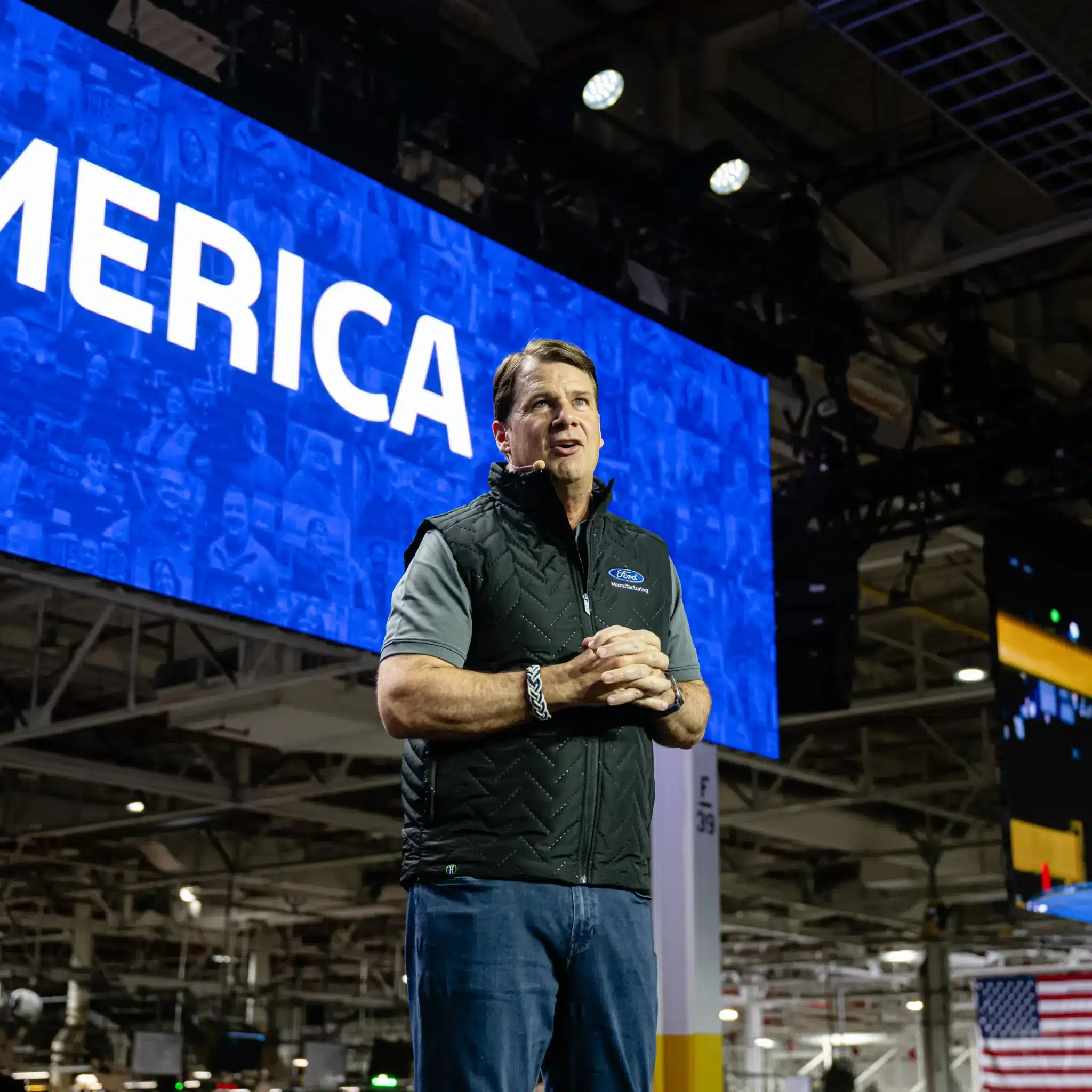
Ford recorded a record profit for Q2 and now says tariffs will cost it $2B as it reinstates it full-year forecast.
The profit reached a record $50.2 billion driven largely by strong U.S. sales, a 5% increase from $47.81 billion in the second quarter of 2024, according to CNBC.com. Automotive revenue in the year-earlier quarter was $44.81 billion.
The company also saw a 22% drop in adjusted earnings before interest and taxes (EBIT), which fell to $2.1 billion.
“We recorded our fourth consecutive quarter of year-over-year cost improvement, excluding the impact of tariffs, building on the $1.5 billion in material cost savings we achieved last year,” said Sherry House, Ford’s Chief Financial Officer. “Our balance sheet continues to strengthen, enabling us to invest in key areas of growth. We are reshaping Ford into a higher-growth, higher-margin company with a more durable business model.”
Tariffs and Recall Costs Drive Loss
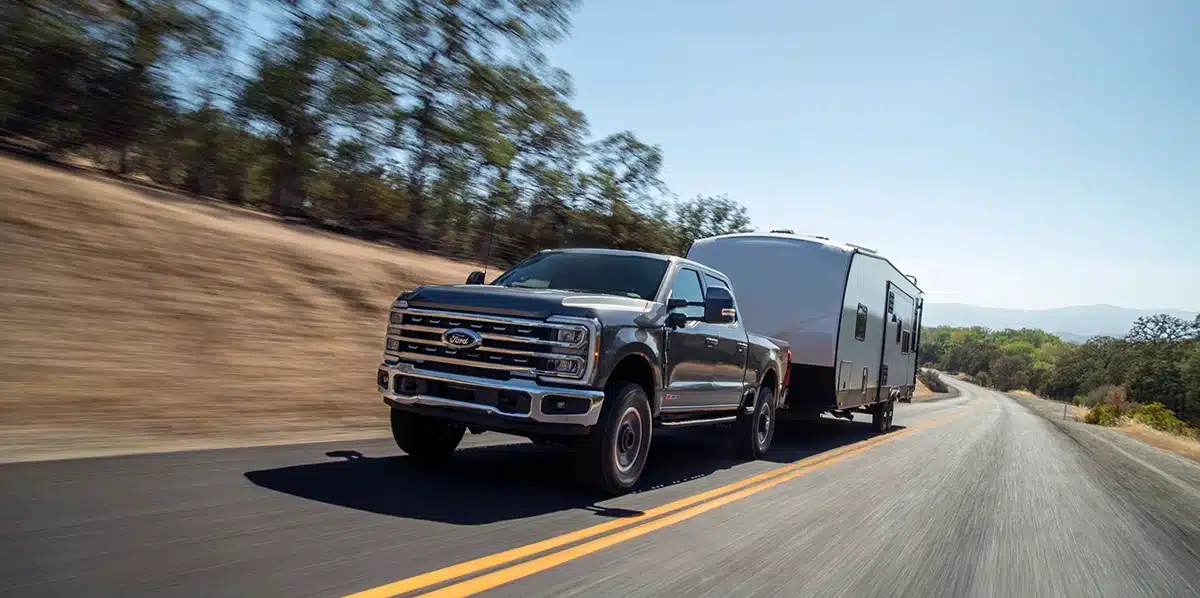
Ford now projects that the import tariffs will cost the company $2 billion this year, up from its previous estimate of $1.5 billion. The company expects the total impact of these tariffs, including duties on steel, aluminum, and imports from Europe and Asia, to reach $3 billion in 2025. Ford imports the Transit Connect van which is built in Europe, and various parts like fasteners, washers and engine components from different European and Asian suppliers according to a Google search.
CEO Jim Farley acknowledged the prolonged nature of these tariffs, particularly on imports from Europe and Asia.
“These tariffs feel long-term to us, and while they may not drastically change our business footprint, it’s difficult to predict their full impact,” Farley said.
The company also faced significant costs related to the recall of 700,000 SUVs due to potential fuel leaks, which contributed to a $570 million charge as well as 850k vehicles for a faulty fuel pump. Ford has already set a record for U.S. recalls this year and is on track to lead the industry for the fourth time in five years.
Business segments: mixed results
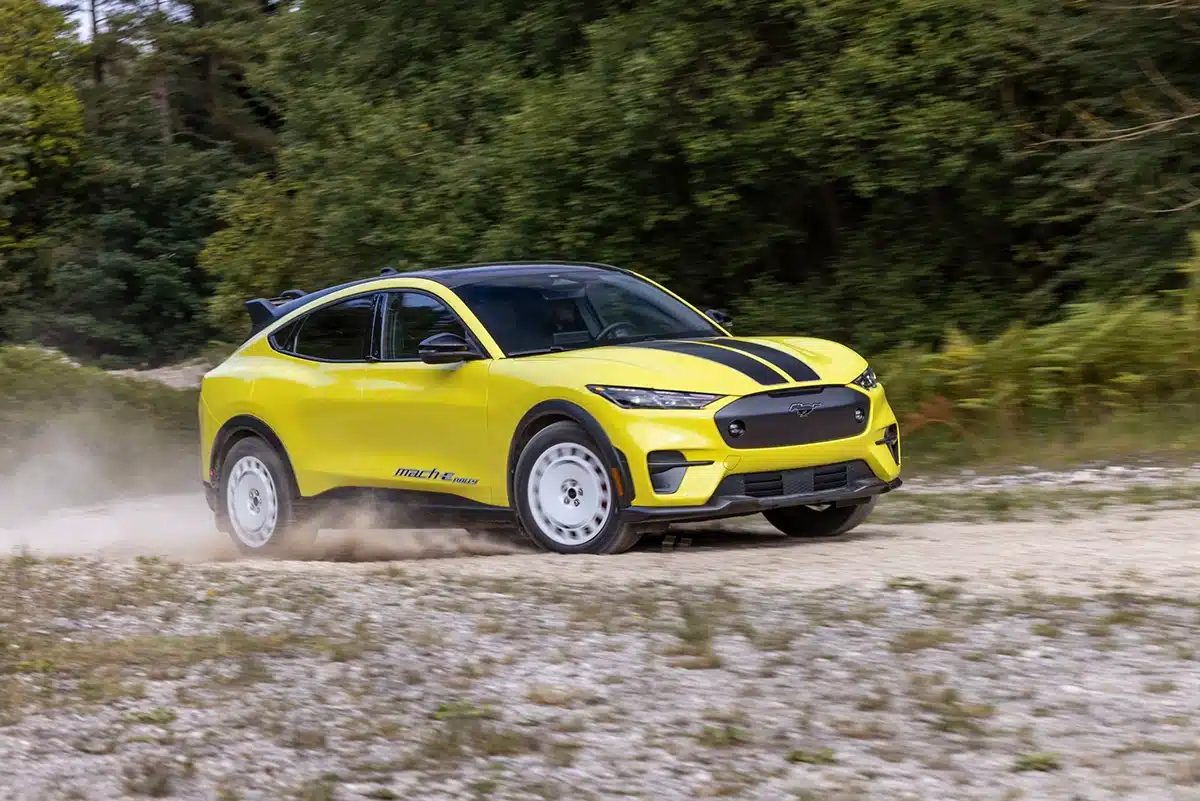
Ford’s commercial division, Ford Pro, was a bright spot, generating $2.3 billion in profit, although this was a 10% decline from the same period last year. Revenue from Ford Pro, however, rose 11% to $18.8 billion, with paid subscriptions increasing by 24% to about 757,000.
In contrast, Ford Blue, the company’s traditional gasoline-vehicle unit, saw a significant 43% drop in profit, earning just $661 million for the quarter. The company’s electric vehicle business, Model e, faced mounting losses, which rose 16% to $1.3 billion.
Ford Credit, the company’s financing arm, posted a substantial increase in earnings, rising 88% year-over-year to $645 million.
Updated full-year outlook

Ford lowered its full-year adjusted EBIT forecast to between $6.5 billion and $7.5 billion, down from an earlier estimate of $7 billion to $8.5 billion. The revised outlook reflects the higher-than-expected cost of tariffs and the ongoing uncertainty surrounding trade policies, particularly those introduced during the Trump administration.
Farley expressed cautious optimism about Ford’s future growth, highlighting the company’s efforts to adapt to regulatory changes under the current U.S. administration. Ford expects to benefit from the weakening of Corporate Average Fuel Economy (CAFE) enforcement allowing them to build more vehicles for consumer demand, not to meet fuel economy goals.
“The emissions tailwind is pretty substantial for us,” Farley noted. “This regulatory shift, combined with the strength of our Ford Pro and Ford Blue divisions, will give us the flexibility to meet customer demand while improving our financial performance.”
Stock performance and market response
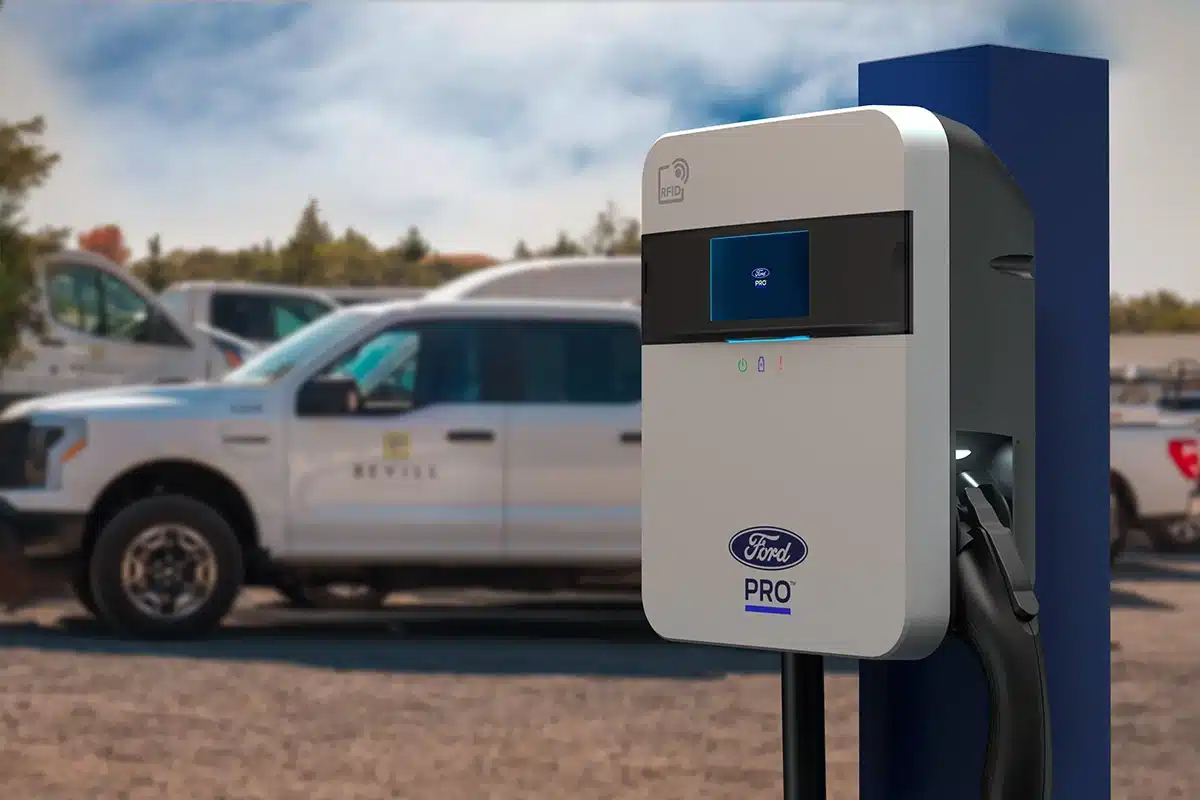
Following the earnings report, Ford’s shares fell 2.4% in after-hours trading, closing at $10.60. Despite the challenges, Ford remains confident in its strategy, pointing to the success of its Ford+ plan, which focuses on driving growth through commercial and electric vehicle offerings while improving operational efficiency.
“Our second-quarter performance shows the power of the Ford+ plan,” Farley said. “We continue to improve the efficiency of our Ford Model e business and remain committed to driving top-line growth through innovative services and high-margin software offerings.”
As the company works to navigate ongoing challenges and capitalize on emerging opportunities, all eyes will be on Ford’s ability to overcome the impact of tariffs and recalls while continuing its shift toward higher-growth, more profitable business segments.
Our take

Ford can point to tariffs as an impact on their business and that’s a fair point. However, the self-inflicted financial hit from recalls is all their doing. While many of these recalls are software based and shouldn’t have a huge financial hit, the fuel leak recall and another 800k fuel pump recall are both really costly to the company.
In both cases, those recalls are due to supplier issues that appear to be really an issue of an over engineered part causing suppliers issues building it. If that’s the case, imagine if engineers weren’t so eager to improve products and show their worth. Rather they left good enough alone. That would have saved Ford millions.








5 replies
Loading new replies...
Administrator
Well-known member
Well-known member
Well-known member
Well-known member
Well-known member
Join the full discussion at the Forum Pickuptrucktalk →