
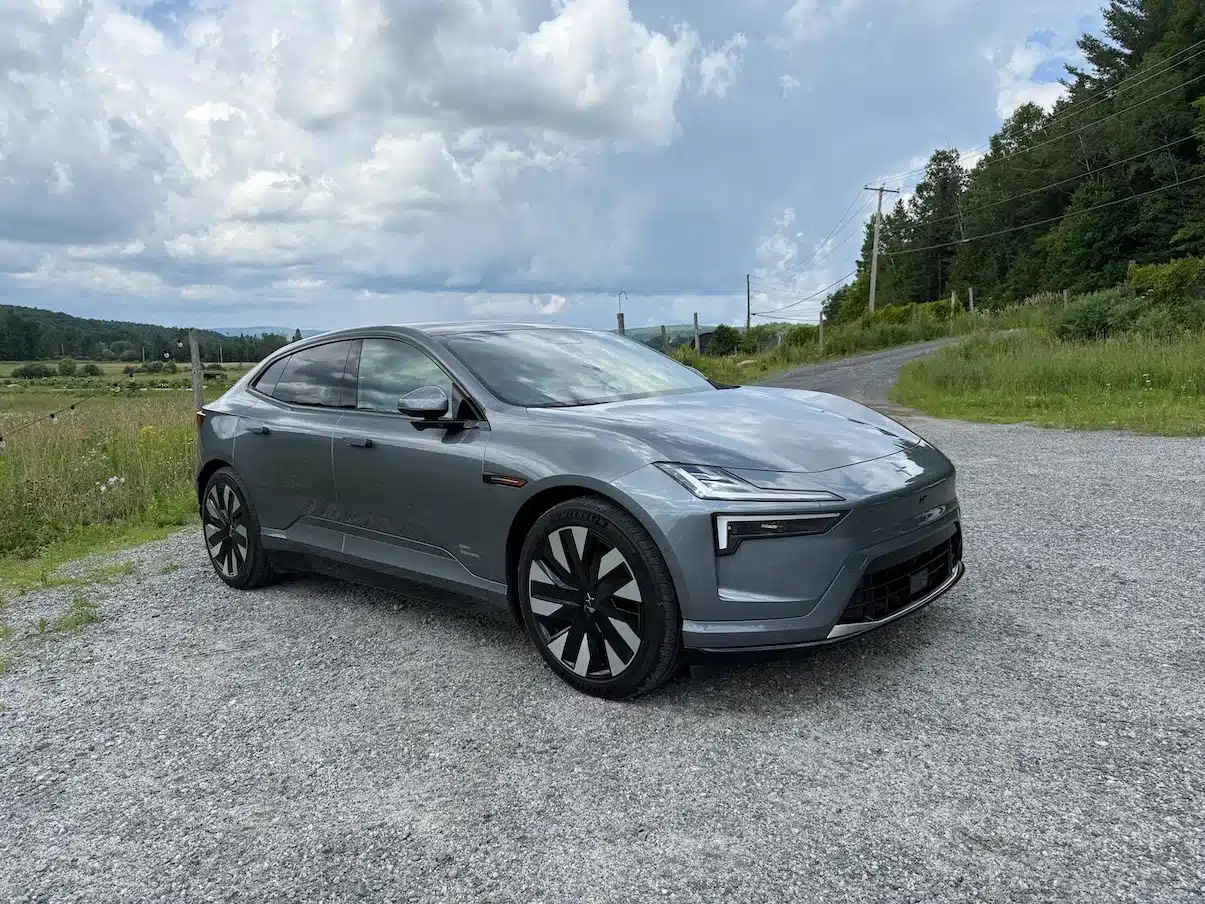
MONTREAL, Canada – I recently had the opportunity to do an early spin in preproduction spec’d Polestar 4 EVs. Because the vehicle isn’t set to be launched in the U.S. until this fall, I can’t share driving impressions just yet, but I can share some of the cool details and features you’ll see on this all-new vehicle.
It gets 300+ miles of range
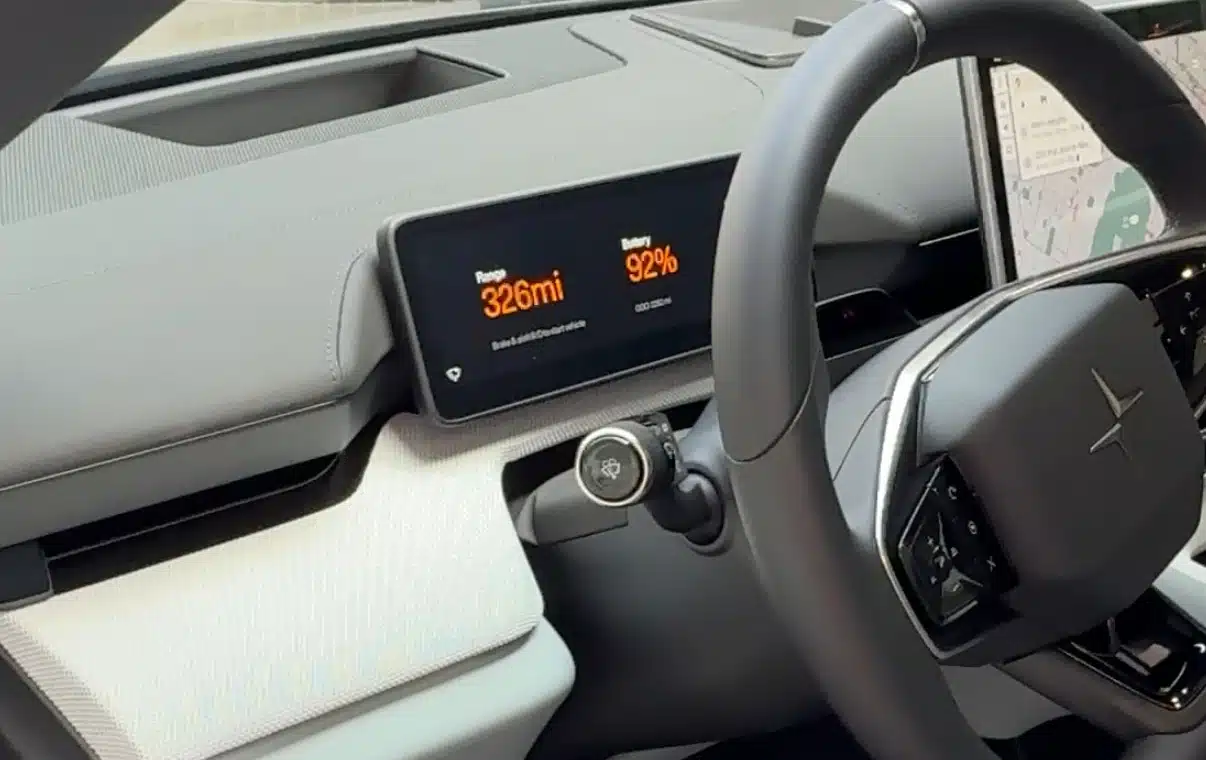
As an electric vehicle, the holy grail for minimum range seems to be about 300 miles. The Polestar 4 is available in both rear- and all-wheel-drive configurations, and it’s the RWD model that promises more than 300 miles of range. The AWD model will get an estimated 270 miles of range. From past Polestar experiences, I think those estimates are going to be conservative. In the past when I’ve driven the Polestar 2 and 3, especially in optimal weather conditions, I’ve found the range to be better than the EPA estimates – as long as I don’t drive like I’m on a racetrack.
Ambient lighting goes galactic
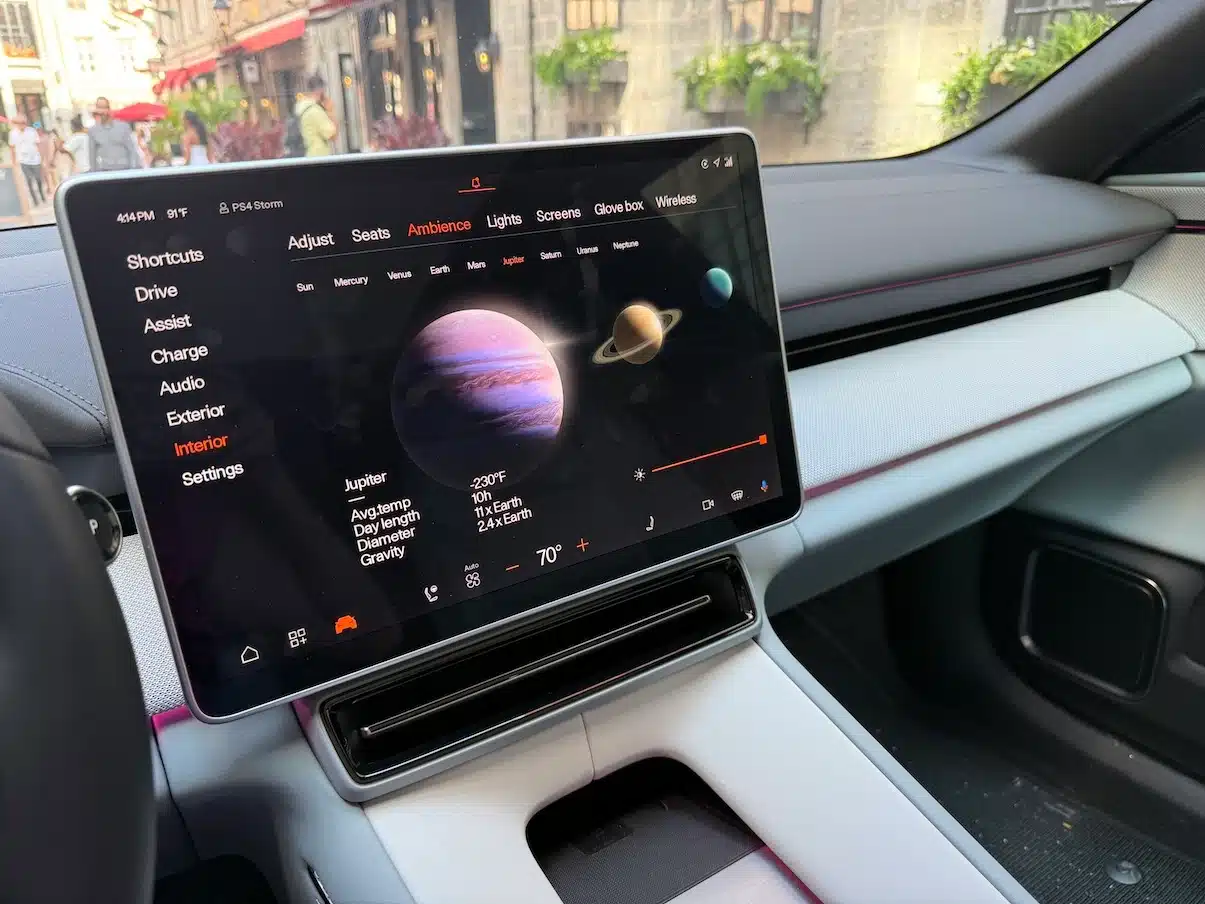
Polestar took a clever turn when implementing its ambient lighting in the 4. Instead of the traditional color wheel, it uses a planetary theme to set the mood. It’s got cool graphics on the screen as you scroll through, and for those who geek out about data, it shows some fast facts about the plants as you scroll through. Plus, there’s a little Easter egg as you flip through the planets: A Polestar car flies through space. And yes, this is a joke referencing another EV automaker who launched one of its cars in space.
Polestar 4 has an available magic roof
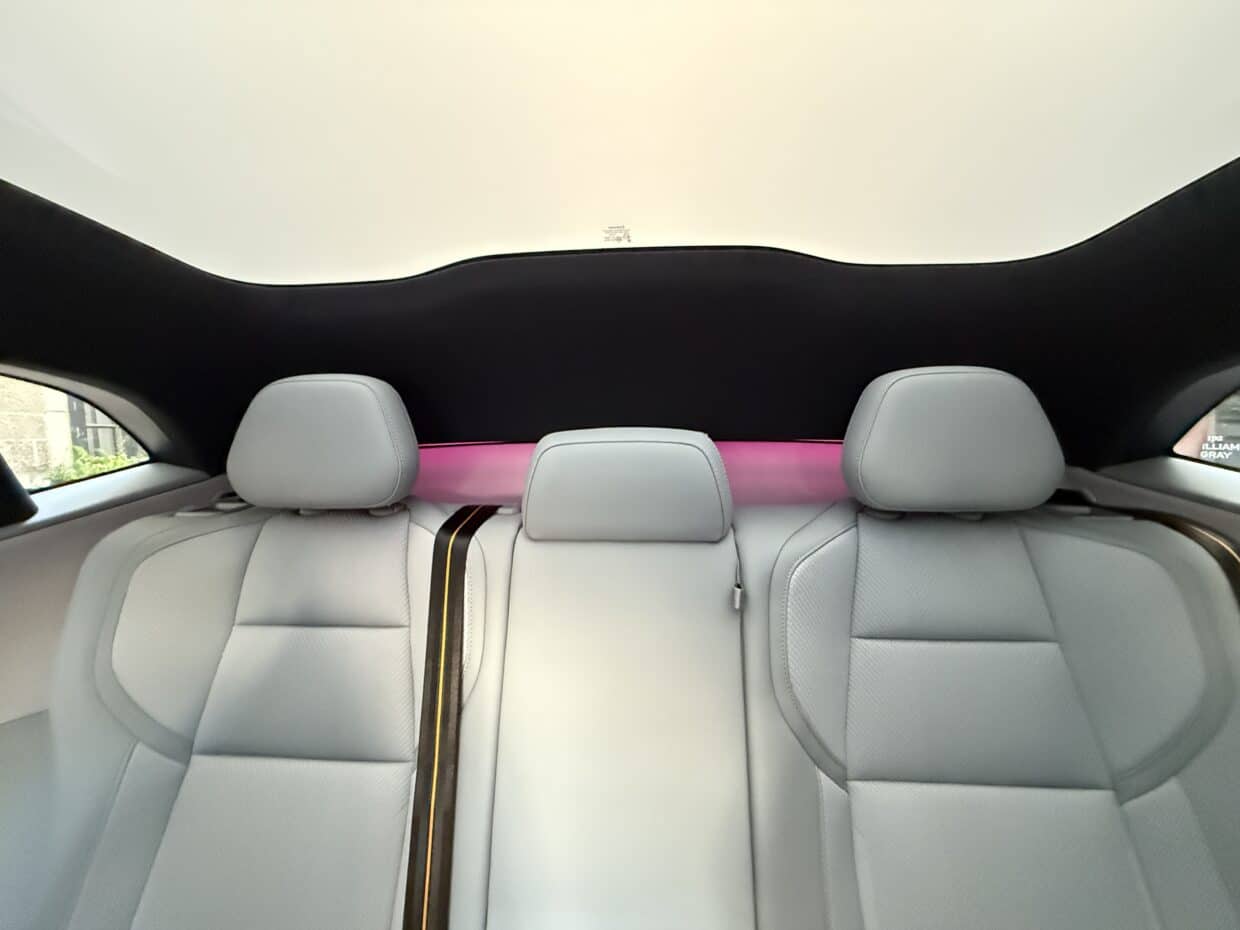
The Polestar 4 will come with a well-tinted glass roof. But if you don’t want to see what’s outside and above you or the sun gets a little too bright, there is an electromagnetic glass option, which will turn the roof opaque white. It’s a nifty now-you-see-it, now-you-don’t kind of trick that’s both practical and amusing. Boop. Now it’s on. Boop. Now it’s off.
No rear window? No problem
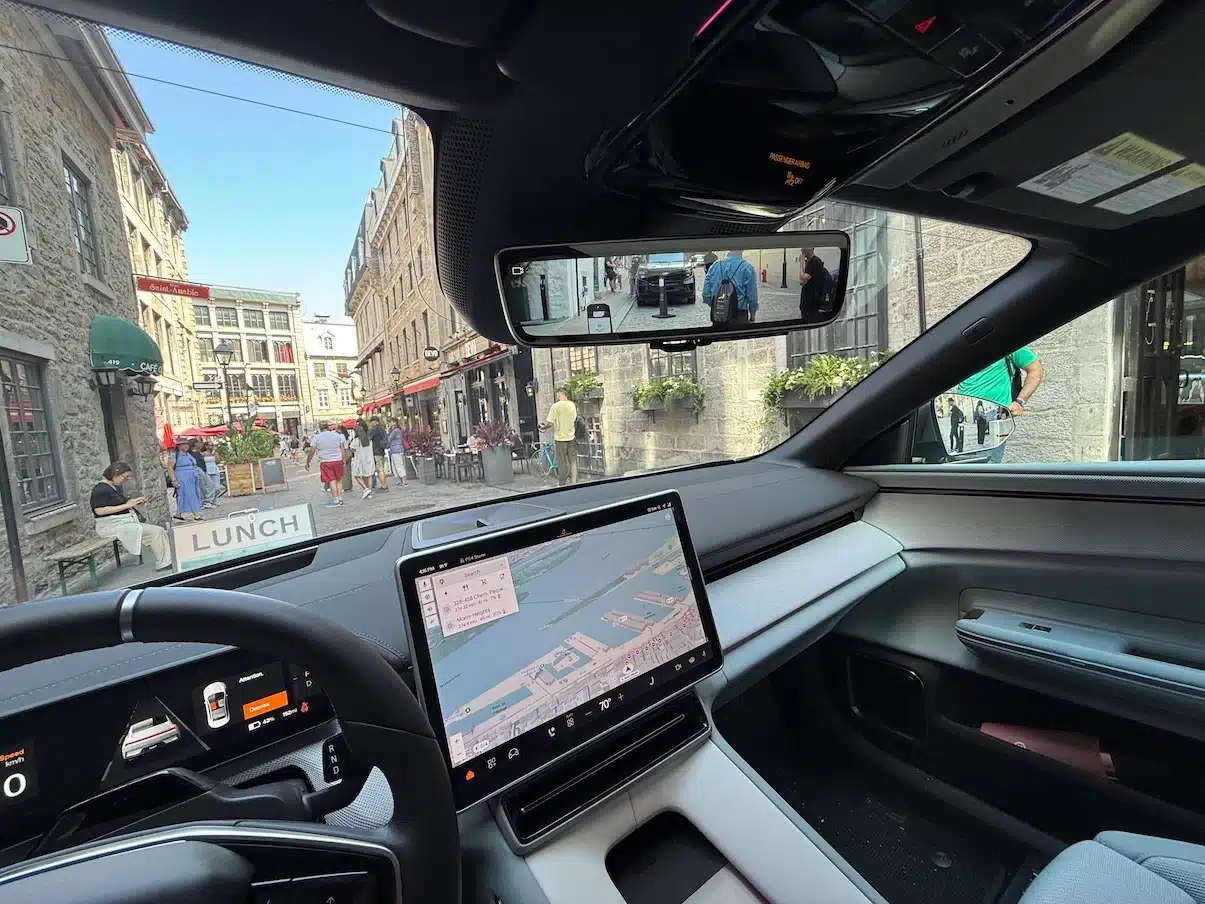
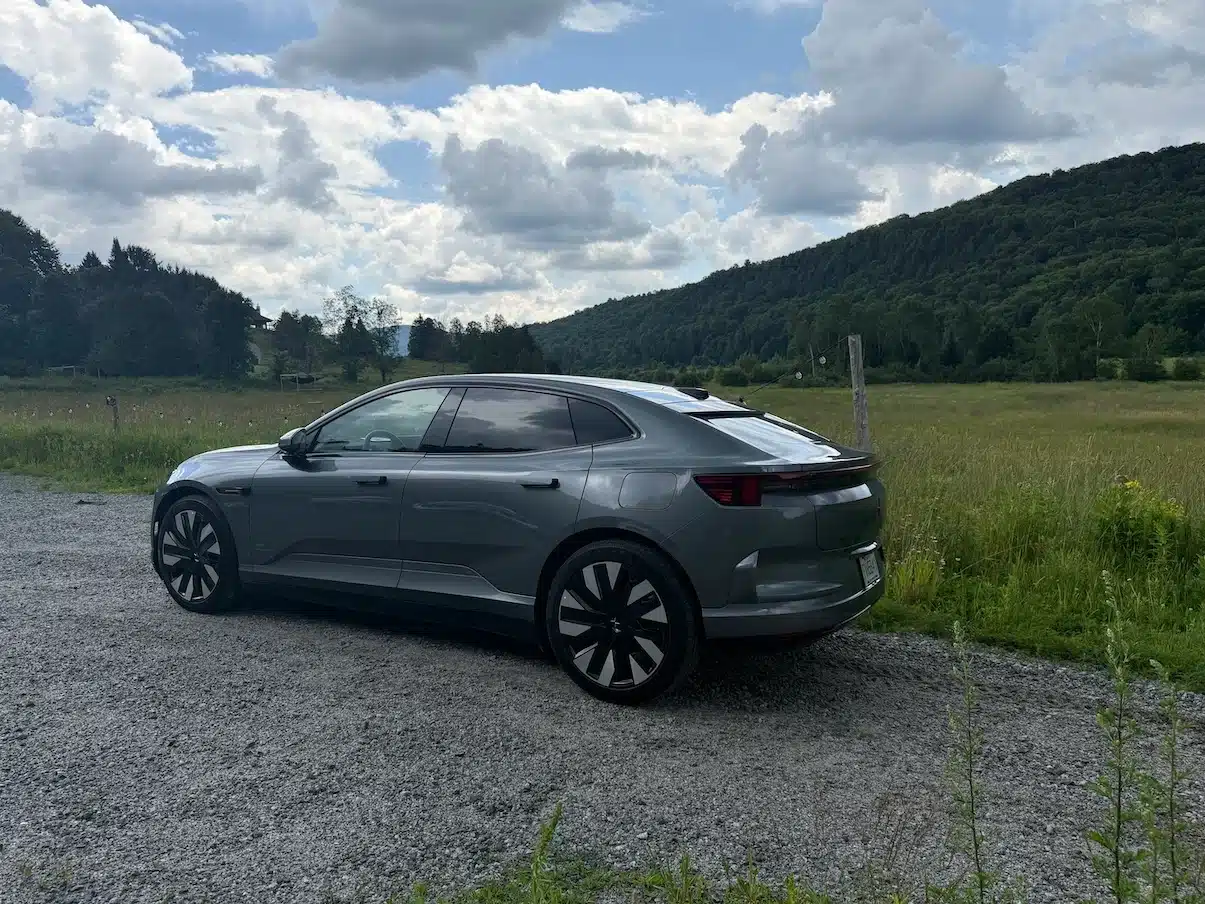
I’ll admit, it’s a bit weird to open up the rear doors of the Polestar 4 and see no rear window. It’s like a sheltered little cove for back seat passengers. Thankfully, the large glass roof will let enough light in that the lack of window won’t make you feel claustrophobic. For the driver, the rear visibility issue is solved by a rear camera mirror. If you’ve ever used a rear camera mirror in other vehicles, you know the more recent ones are high def and have excellent clarity at night.
While the camera for the mirror doesn’t have a washer, it’s tucked under a hood, and Polestar execs assured us that the cameras stay very clean even in inclement weather (including snow) and do not collect debris while driving.
Mirror, steering wheel adjustments get a shortcut
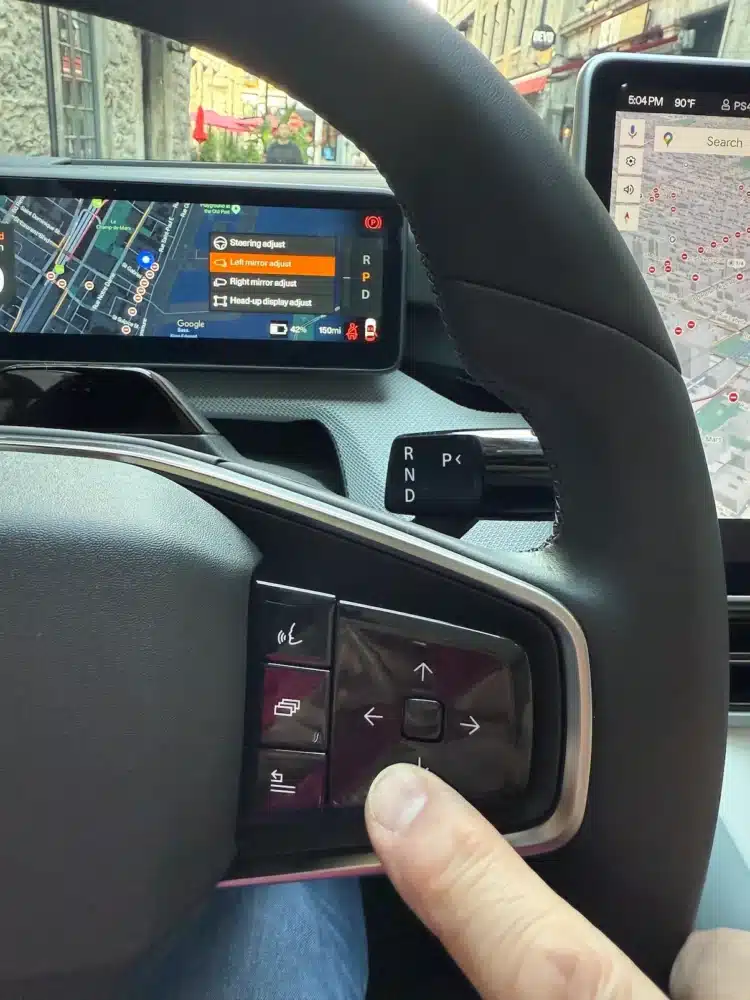
I’ve previously given Polestar a bit of a hard time about moving its mirror and steering wheel adjustments into the infotainment screen rather than having physical controls. While I adjust things before I start driving, I usually need a micro adjustment for my mirrors once I’m driving, and screen adjustments are distracting. As someone who changes shoes every time I drive and have varying heel heights, this was something I messed with every time I got behind the wheel of the Polestar 3 – and it was annoying.
Enter the shortcut! Now, in the Polestar 4, there is a shortcut button on the steering wheel that allows you to access the menu item in the behind-the-wheel cluster. This is far easier to utilize, and though I discovered this shortcut after the drive, I have to imagine it will be less distracting.
Camera angles are huge
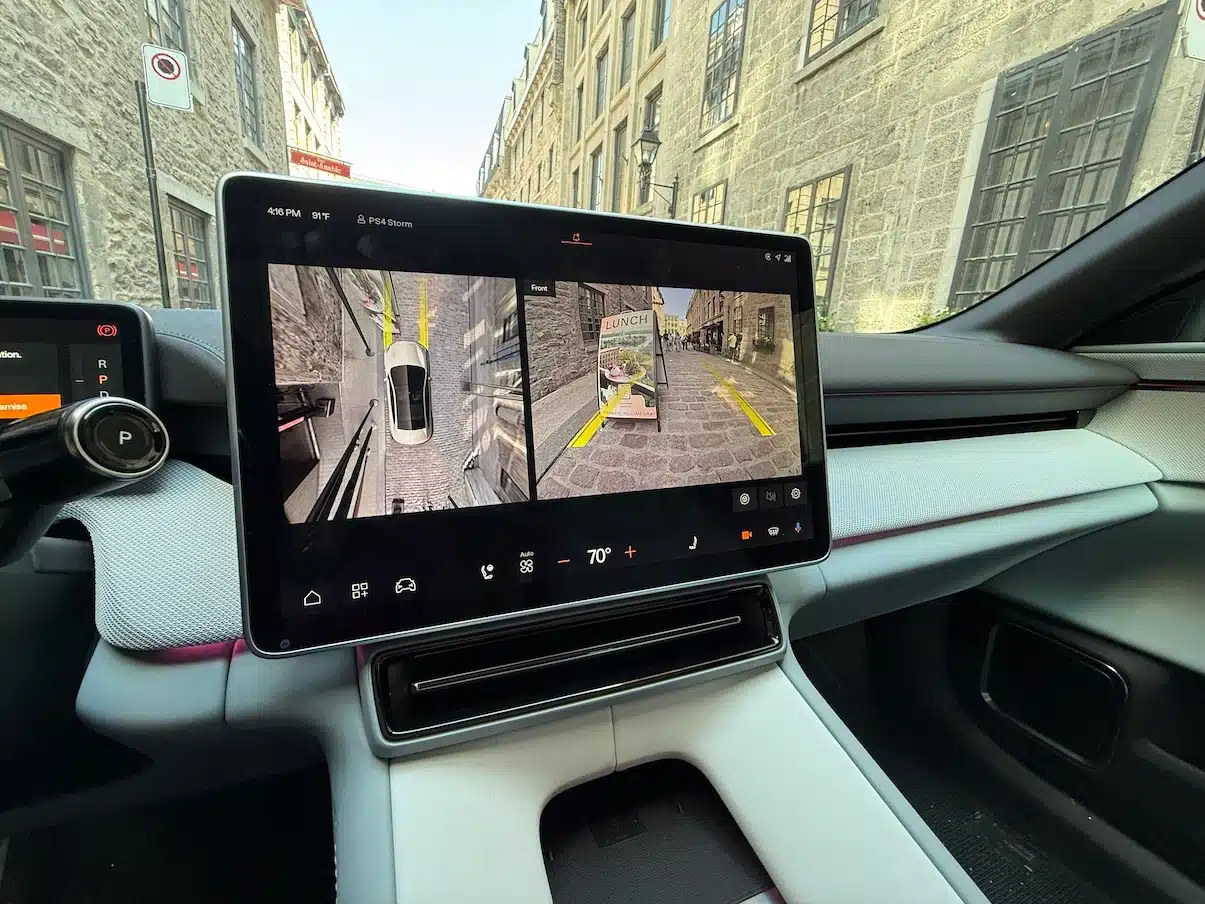
In addition to the rear camera mirror, the Polestar 4 has a large multi-view camera on the 15.4-inch infotainment screen. It provides a high-def image as well as trajectory lines for the direction of travel. The camera makes good use of the screen with simultaneous top-down and front or rear views as well as the ability to select camera angles at different points surrounding the vehicle.
Google built-in coexists with wireless Apple CarPlay
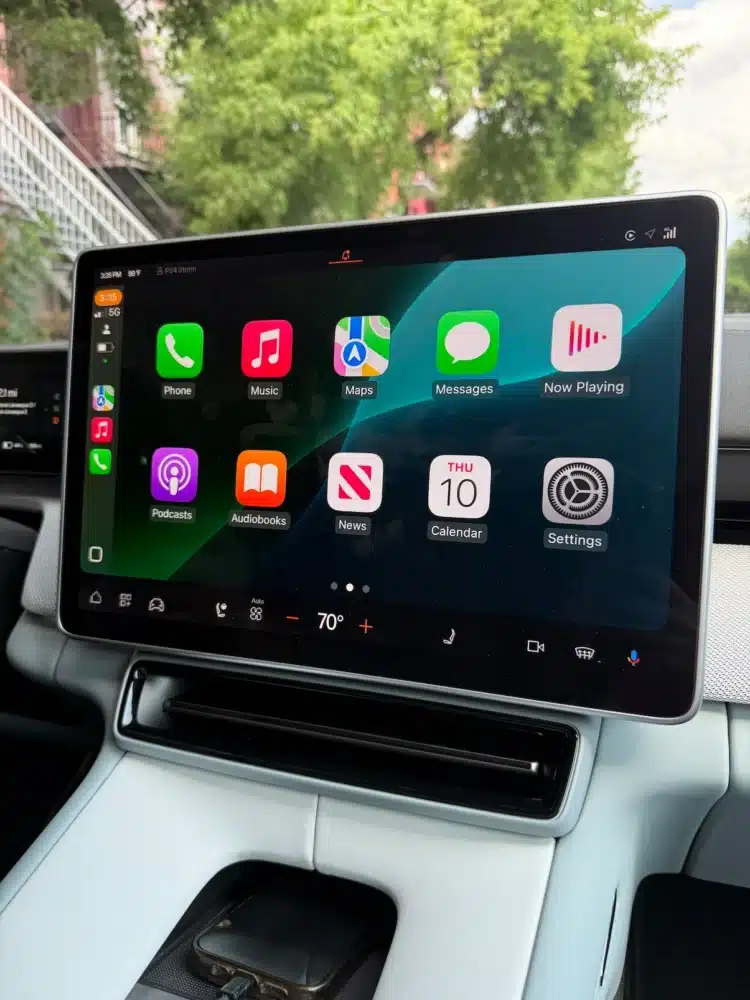
While there are some automakers who are removing Apple CarPlay from their EVs to force the use of Google built-in, one tech feature doesn’t have to be exclusive of the other. You can use Google Maps for your navigation – and you’ll want to do that for range and charging location purposes – but then you can easily switch over to CarPlay for phone functions like talk-to-text, checking voicemails or listening to your personal music downloaded to your phone. CarPlay fills out the screen really well, and the icons are huge so even big fingers can’t miss what they’re trying to hit.
Tariffs are baked into the pricing
At the time of writing this article, the base price for the RWD model is $57,800, including destination fees. If you want to go all in with the dual-motor AWD model and add the Plus and Performance packs, you’ll top out at $74,300. The Since the cars heading to the U.S. will be built in South Korea, I asked about tariffs. Execs said that current pricing has the cost of tariffs baked into them, and if you order one at this price, you will be grandfathered into the current pricing. If tariffs change before October, the price of the vehicle could also change. So be sure to check the Polestar website, for current vehicle pricing.