
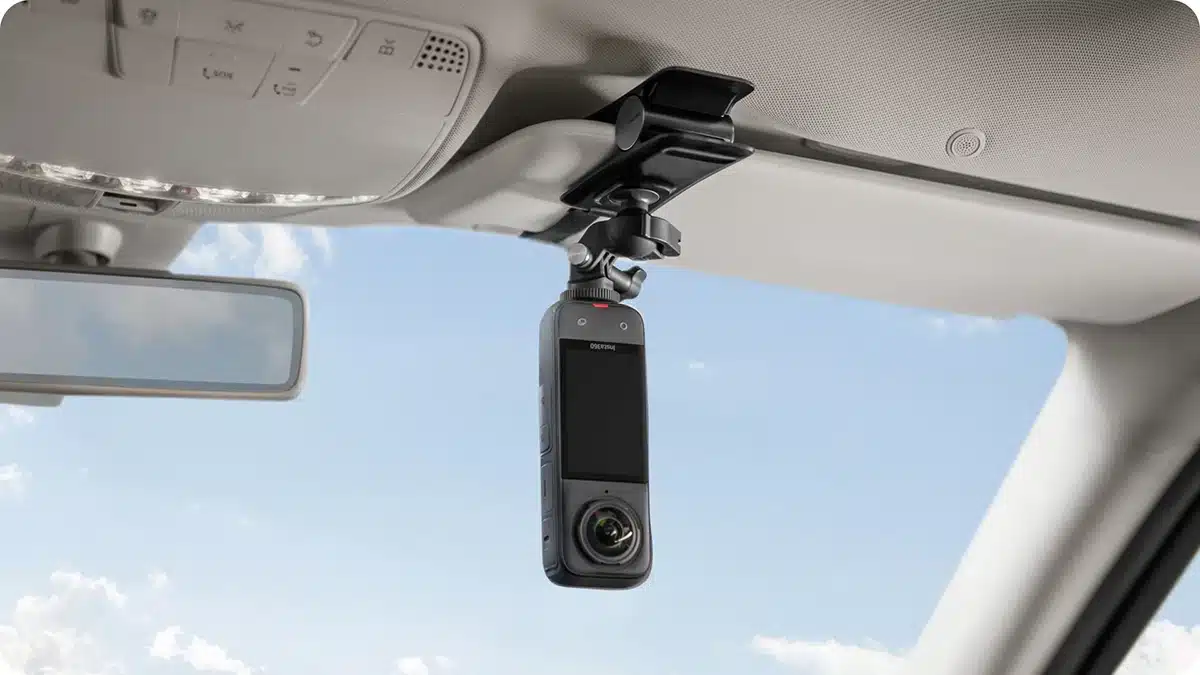
Imagine capturing every angle of your drive with a single device. That’s the power of using 360 cameras for dashcam footage. Unlike traditional dashcams, 360 cameras provide a complete panoramic view, ensuring nothing escapes your recording, whether it’s a scenic road trip or an unexpected incident.
In this article, you’ll learn how 360 cameras work as dashcams, their unique benefits, and what to consider before making the switch. From enhanced coverage to advanced features, discover why these versatile devices are becoming a game-changer for drivers everywhere.
Benefits Of Using 360 Cameras For Dashcam Footage
Comprehensive Field Of View
360 cameras provide a full panoramic perspective, capturing the surroundings in all directions. Unlike traditional dashcams, these devices record everything happening in front, behind, and to the sides of your vehicle. For instance, if incidents occur outside the view of a standard dashcam, a 360 camera ensures nothing is missed. This coverage is particularly useful in crowded areas or during unpredictable driving conditions.
Enhanced Safety And Awareness
The broader visibility from a 360 camera increases your awareness of the environment while driving. Blind spots are reduced significantly because the camera records angles traditional dashcams bypass. For example, when merging or parking in tight spaces, the footage can help identify unseen hazards. Many models support real-time viewing, letting you monitor surroundings instantly to avoid potential risks.
Evidence In Case Of Accidents
Footage from 360 cameras provides critical proof during disputes or insurance claims. With a complete 360-degree recording, details like side impacts or rear-end collisions are captured with clarity. This evidence ensures a comprehensive account of events, protecting you from false accusations. In multi-car incidents, additional viewpoints can pinpoint liabilities more precisely.
Key Features To Look For In A 360 Camera
Selecting a 360 camera for dashcam use involves evaluating specific features that enhance functionality and reliability—especially when you’re in the market for the best dash cam front and rear. Prioritize aspects that ensure clear footage, usability, and efficient operation.
Video Resolution And Quality
High resolution determines the clarity of recorded footage. A minimum of 1080p and 30 frames per second is recommended for crisp, smooth visuals. Higher resolutions, such as 4K or 8K, capture finer details like license plates or distant objects. Smooth playback and clear evidence rely on adequate frame rates, ensuring recorded events are not blurry or missed.
Night Vision Capabilities
Night vision enables clear recordings in low-light settings. Infrared technology boosts visibility during nighttime or in shadowed areas. High-performance models maintain image clarity despite lighting conditions, ensuring recorded footage is usable for accident evidence or security purposes at all times of day.
Storage And Battery Life
Sufficient storage capacity supports longer recording durations without frequent overwriting. Cameras with expandable memory options provide flexibility for continual use. Effective power solutions, such as hardwiring or high-capacity batteries, sustain operation during extended drives, minimizing interruptions in recording.
Installation And Setup Tips
Install a 360 dashcam by selecting a model with features like at least 1080p resolution, GPS, and night vision. Clean the windshield and dashboard before attaching the camera to ensure a firm grip. Use a durable adhesive mount or a suction base to minimize vibrations. Connect power directly through the vehicle’s lighter socket or opt for a hardwired setup for more seamless use.
Positioning The Camera For Optimal Coverage
Place the main unit near the rearview mirror to maximize coverage with minimal obstruction. Align the lens for a full 360-degree view of the vehicle’s front and surroundings. If using a rear camera, run its cable along roof edges or under trim panels to conceal it. Position this secondary camera to clearly capture the rear windshield. This setup ensures comprehensive footage spanning multiple angles.
Securing The Camera In Your Vehicle
Fasten the camera securely by using mounts that lock firmly in place. Attach cables with clips or velcro strips to avoid loose ends that could obstruct controls. Double-check the tightness of all attachments to prevent movement during rough drives. Conduct a simple test drive to confirm no shifting occurs, and footage remains stable under normal driving conditions.
Adjusting Settings For Best Performance
Activate the highest video resolution and frame rate available in the settings. Turn on night vision and adjust brightness or exposure to adapt to darker environments. Enable GPS tracking for added details like speed and route in the recordings. Set loop recording to overwrite old videos automatically when storage fills up. Test these configurations in various lighting and weather conditions to meet real-time visibility needs.
Types Of 360 Cameras For Dashcam Use
360 cameras offer multiple configurations to suit different recording needs, each providing unique coverage and features for vehicles.
Single-Lens Vs Dual-Lens Cameras
Single-lens models simplify the recording process with panoramic coverage from a single point. These cameras reduce setup complexity but may leave gaps in certain areas outside the lens’s reach. Dual-lens options fill these gaps by capturing footage simultaneously from the front and rear. This configuration increases visibility, especially in areas prone to blind spots or high traffic density.
Brands like Insta360 have gained popularity for their dual-lens 360 dash cams, delivering immersive, high-resolution footage that’s ideal for drivers who want full environmental awareness without complicated installation.
Cameras With Built-In GPS And Sensors
GPS-enabled cameras augment footage with data like location and speed, creating contextual clarity. Integrated sensors react to motion or impacts while the car is stationary, triggering recording even when you’re not present. These features can strengthen evidence during accidents, disputes, or other incidents, and enhance parked vehicle surveillance.
Potential Challenges And How To Overcome Them
Understanding File Sizes And Storage Needs
360-degree cameras generate large video files by combining multiple views into one panoramic feed. This high resolution demands substantial storage. Using SD cards with at least 64GB capacity can help accommodate these files. Utilizing compression codecs, such as H.264 or H.265, reduces file sizes without sacrificing clarity. Loop recording ensures older footage is overwritten automatically, preventing storage from becoming full.
Regularly transferring files to an external device or cloud service frees up space for continuous usage. Monitoring available storage avoids the risk of losing recent recordings due to capacity limits.
Managing Glare And Lighting Issues
Glare and poor lighting can compromise footage quality by creating uneven brightness. Cameras with HDR balance light and shadows, capturing clear details even in contrast-heavy conditions. Adjusting mounting angles to minimize direct exposure to sunlight or headlights tackles position-induced glare.
Frequent cleaning of camera lenses prevents dirt or streaks from intensifying light distortions. Anti-reflective lens coatings further enhance image clarity, especially under harsh lighting such as sunrise, sunset, or nighttime driving scenarios.
Conclusion
Using a 360 camera as a dashcam offers unmatched coverage and advanced features that can significantly enhance your driving experience. With the ability to capture every angle around your vehicle, these cameras provide peace of mind, improved safety, and invaluable evidence when needed.
By selecting a model with the right features and following proper setup practices, you can ensure optimal performance and reliability. While challenges like storage management and glare require attention, the benefits far outweigh the drawbacks, making 360 cameras a smart investment for modern drivers.








