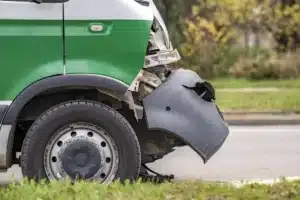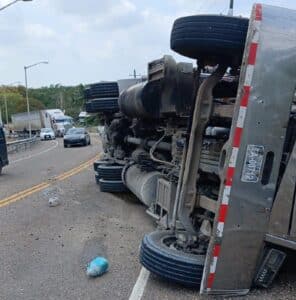

Photo by Erik Mclean from Pexels
Pickup drivers are used to taking hits—on the job, off-road, or even in traffic. But after a crash, it’s not just about fixing your fender and moving on. Whether the damage was minor or your truck’s totaled, the aftermath often comes with a tangled mess of paperwork, phone calls, and decisions that can affect your finances and your future. And if the other driver was clearly at fault? You’d think getting compensated would be straightforward—but that’s rarely the case.
Here’s where understanding your rights can make a real difference. Most people assume they can handle the insurance process alone. But delays, denials, or lowball offers are more common than you’d think. Even if you’re the one sitting at a green light when someone T-bones your rig, the burden’s still on you to prove fault and push your claim forward. That’s where having the right car accident lawyer can help balance the scales. They know how to work the process so it doesn’t work against you.
This guide walks you through what actually matters in the legal aftermath—without the fine print, scare tactics, or law-school lectures.
Step One: Prioritize Your Health (Then Worry About the Truck)
First things first—get checked out. Even if you think you’re “fine.” Adrenaline can mask pain. And small injuries (like whiplash or bruised ribs) can worsen if you skip care. Medical records from day one help document that your injuries were caused by the crash—not something else that happened later.
Next, get your truck assessed. Don’t rely on the other driver’s insurance to handle everything. Have a repair shop or adjuster you trust give a quote. Photos, invoices, and inspection reports all help back up your claim.
Know What You’re Owed (It’s More Than Just the Repair Bill)
When someone else causes a crash, they (or their insurance company) may owe you for a whole lot more than just the bodywork:
- Medical bills: ER visits, follow-ups, physical therapy, meds.
- Lost income: Missed workdays or reduced hours while healing.
- Pain and suffering: For long-term effects like chronic pain or anxiety.
- Vehicle damage: Repairs, or a replacement if your truck’s totaled.
- Rental reimbursement: If you had to rent a vehicle during repairs.
Some people also qualify for compensation if their ability to work is permanently affected—especially those in trades or labor-heavy jobs that rely on physical performance.
Common Mistake #1: Talking Too Freely with Insurance Adjusters
It’s natural to want to explain what happened. But anything you say can be used to reduce or deny your claim. Adjusters may sound friendly, but they work for the insurer, not for you. And they’re trained to look for ways to limit payouts.
Here’s what not to do:
- Don’t admit fault (even partially) at the scene or on calls.
- Don’t guess about your injuries—just say you’re seeking care.
- Don’t sign anything or accept a check without knowing what it means.
This is where a lawyer earns their keep. They handle communications, protect your words from being twisted, and ensure you’re not backed into a corner.
Common Mistake #2: Waiting Too Long
Every state has a time limit—called a statute of limitations—for filing a car accident lawsuit. In Georgia, it’s generally two years from the date of the crash. But that doesn’t mean you should wait a year and a half to start the process.
The longer you delay:
- Witnesses forget details.
- Surveillance footage gets deleted.
- Medical records may look weaker.
Act early, even if you’re not sure you’ll need a lawsuit. A paper trail started within days of the accident often leads to faster settlements.
The Blame Game: Proving Fault in a Truck Crash
You’d think being rear-ended or hit in an intersection would be a slam dunk. But proving fault still takes evidence. Here’s what lawyers look for:
- Police reports – The official narrative matters.
- Photos of the scene – Skid marks, stop signs, impact angles.
- Surveillance or dash cam footage – Often the strongest proof.
- Witness statements – Third-party accounts carry weight.
- Phone records – Especially if texting or calling was involved.
In some cases, the other driver may admit fault at the scene but deny it later. Having documentation prevents a “he said, she said” situation.
When the Other Driver Is Uninsured (or Underinsured)
Pickup drivers are often hit by smaller sedans, motorcycles, or work vehicles—some of which don’t carry enough coverage to pay for major damage or medical costs.
That’s when your uninsured/underinsured motorist (UM/UIM) coverage kicks in. But guess what? Your own insurer can also play hardball. Even though you’ve paid them premiums for years, you’ll still need to prove damages and negotiate your payout.
Don’t assume your insurance company will handle everything fairly just because you’re their customer. That’s another moment when legal backup makes life easier.
What a Good Lawyer Actually Does (That You Can’t DIY)
Some folks think lawyers just file lawsuits. In reality, most good cases never see a courtroom. A seasoned car accident attorney focuses on:
- Building your case early with documentation and expert opinions
- Handling all communications with insurance companies
- Calculating full damages, including long-term medical care
- Negotiating settlements that reflect what you’re actually owed
- Going to court only if necessary, and only when it’s to your advantage
The legal system is less about fairness and more about strategy. A solid lawyer knows what paperwork moves the needle and when to push for more.
What If You’re Partly at Fault?
Let’s say you were speeding slightly, or maybe you didn’t signal a turn. In Georgia, you can still recover damages as long as you were less than 50% at fault. But your compensation will be reduced by your percentage of fault.
For example: If you’re found 20% at fault and your damages are $50,000, you’d receive $40,000.
This makes fault percentages a big deal—and something insurers fight hard over. A lawyer’s job is to lower your share of the blame and increase what you walk away with.
Paperwork You’ll Need to Keep on Hand
Even if you don’t plan to hire a lawyer right away, keeping records is crucial. Create a digital or physical folder with:
- Police report
- Photos/videos of the scene
- All medical documents and receipts
- Pay stubs showing lost income
- Repair estimates and receipts
- Notes on how your injuries affect daily life
These aren’t just for the insurer—they’re your best tools if you eventually need to prove your losses in court.

Photo by Maria-Theodora Andrikopoulou from Pexels
Final Thoughts: Don’t Let a Crash Derail Your Future
Pickup owners take pride in handling things themselves. But after a wreck, handling everything solo can cost you—especially if the other party or their insurer decides to play dirty.
You don’t need to sue anyone just to get a fair shake. But you do need to know your rights, keep records, and act fast. Whether it’s negotiating with insurance or proving who’s to blame, a few smart legal steps early on can prevent a months-long headache.
Because once the dust settles, it’s not about how tough your truck is. It’s about how well you protect what’s yours.