A routine drive can quickly turn into chaos in just a second. One car suddenly hits the brakes. The next driver reacts too slowly. Then another driver follows suit. Before long, a single mistake leads to a pileup with several vehicles, multiple injuries, and confusion about who is at fault. These chain-reaction crashes are some of the hardest car accident cases to handle. This is because many vehicles are involved, and each driver’s story and responsibility must be sorted out.
Some law firms might treat these cases like standard rear-end collisions, but the situation is much more complex. Questions about timing, distance, distraction, and road conditions can make it hard to determine who is responsible. Taxman, Pollock, Murray & Bekkerman provide the expertise needed to understand these complexities and help those affected by such accidents.
What Exactly Is a Chain-Reaction Crash?
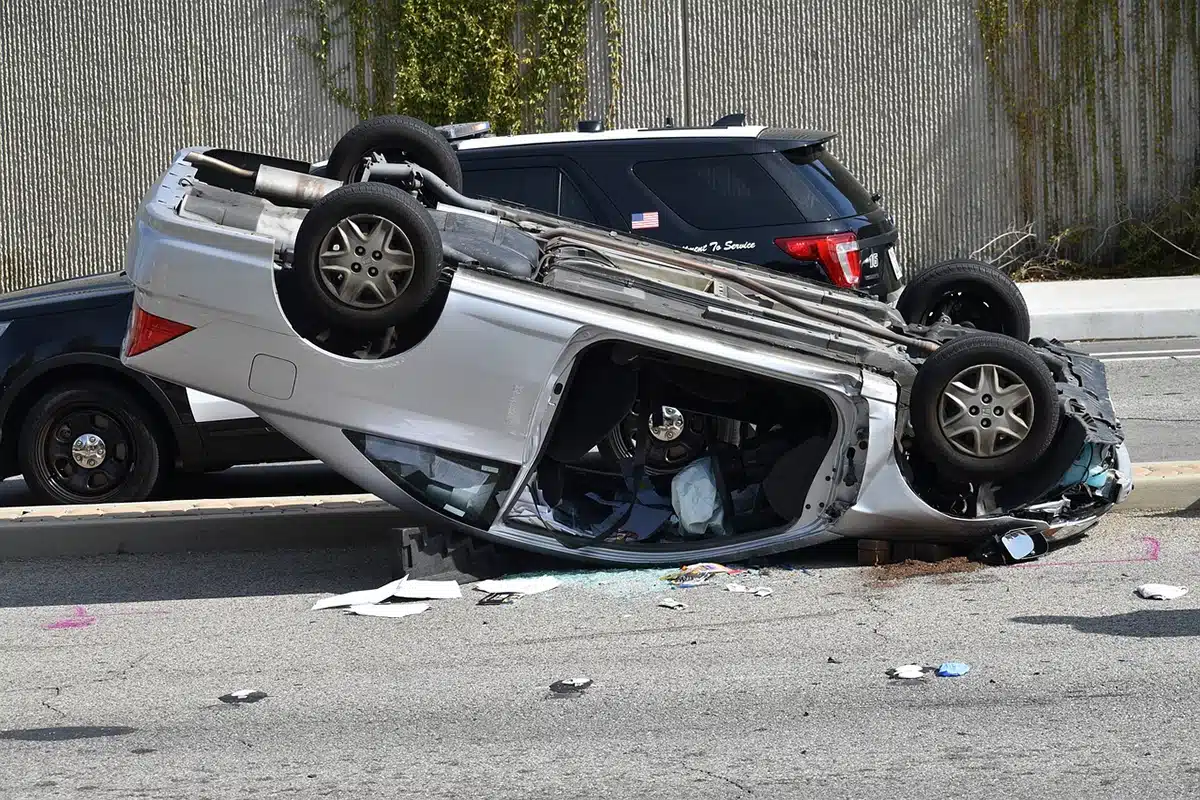
A chain-reaction crash typically involves three or more vehicles and occurs when one collision triggers another in quick succession. It’s most common in heavy traffic or during inclement weather when drivers have little time or space to react. The first impact causes a domino effect, creating secondary crashes that can be just as destructive or worse than the initial collision.
Unlike a typical two-car accident, where fault may be clearer, these incidents require deep investigation into who initiated the sequence and whether other drivers could have taken reasonable steps to avoid the subsequent impacts. Small changes in speed, reaction time, or visibility can completely alter who bears responsibility.
Determining Fault Isn’t Always Straightforward
In chain-reaction accidents, fault is often shared. While the first driver may have caused the initial crash, other drivers may be partially at fault for following too closely, speeding, or being distracted. That makes sorting out liability and insurance payouts a complex legal puzzle.
Eyewitness statements, dashcam footage, vehicle black box data, and police reports become critical in reconstructing the exact sequence of events. A legal team must create a timeline that proves who did what and when, and which actions, or inactions, contributed to the damage.
How Insurance Companies Handle Multi-Car Claims
Insurance companies approach chain-reaction accidents with caution and skepticism. They may try to minimize payouts by claiming their policyholder was not the primary cause or by asserting shared liability among all drivers involved. In some cases, multiple insurers will point fingers at one another, delaying or even denying legitimate claims.
Victims often face drawn-out claims processes, confusing liability debates, and underwhelming settlement offers. A skilled attorney can cut through that noise, coordinate with multiple insurers, and ensure that evidence is preserved and leveraged for maximum compensation.
The Risk of Being Wrongly Blamed
It’s not uncommon for innocent drivers to be wrongfully blamed in chain-reaction collisions, especially when evidence is sparse or witnesses offer conflicting accounts. Someone caught in the middle of a crash may be accused of causing damage they had no chance of avoiding.
This is why legal representation is crucial. An attorney can demonstrate that you maintained proper following distance, reacted reasonably, or were struck unexpectedly. By defending your position with credible evidence, you protect both your record and your right to recover damages.
Injuries Multiply with the Number of Collisions
Chain-reaction crashes don’t just tangle liability, they compound injuries. A driver might experience a double impact, first from the car in front and then from one behind. This can lead to whiplash, spinal trauma, and internal injuries that worsen with each additional jolt.
Medical records must clearly link each injury to the event. Legal teams must often work with physicians and biomechanical experts to explain how the nature and timing of each collision contributed to the physical harm. This detail is key to securing a fair settlement that reflects the full extent of your suffering.
Property Damage and Comparative Claims
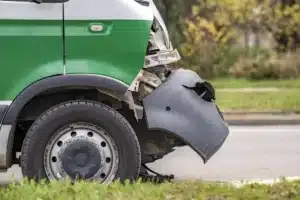
In a multi-car pileup, property damage claims get messy. Vehicles may be struck multiple times from different angles, making it hard to determine which impact caused what damage. Some insurers may cover only the first or last impact, leaving drivers stuck with repairs they shouldn’t have to pay for.
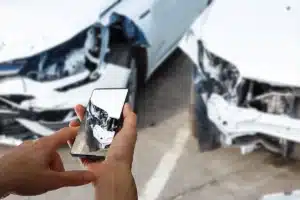
It’s essential to document the scene thoroughly, taking photos of all sides of the vehicle, preserving repair estimates, and requesting copies of all crash reports. An attorney can then connect the dots and argue for complete coverage across all impacts.
When Chain Reactions Involve Commercial or Government Vehicles
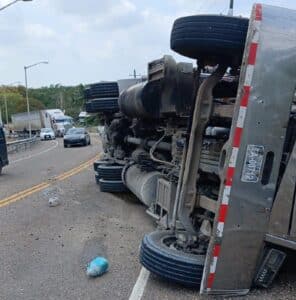
If a commercial truck, delivery van, or municipal vehicle initiates or worsens the chain reaction, the stakes rise. These entities often have aggressive legal defenses and higher coverage limits, making them both challenging and crucial targets for legal action.
Proving that a commercial or government driver acted negligently or that their employer failed to maintain the vehicle or train their staff can significantly increase the potential recovery for victims. A law firm experienced in complex liability claims will know how to hold these powerful defendants accountable.
Why Legal Strategy Matters More in Multi-Vehicle Cases
With so many parties, claims, and versions of events, a strong legal strategy is your greatest asset. Chain-reaction crashes require more than just filing a claim. They demand investigative resources, expert witnesses, and sharp legal coordination to ensure your voice is heard above the chaos.
An experienced firm will preserve evidence, communicate with all involved parties, and develop a timeline that supports your claim while deflecting unfair blame. Without this focused approach, victims risk being overlooked or, worse, wrongly faulted in a tangled web of insurance defense.