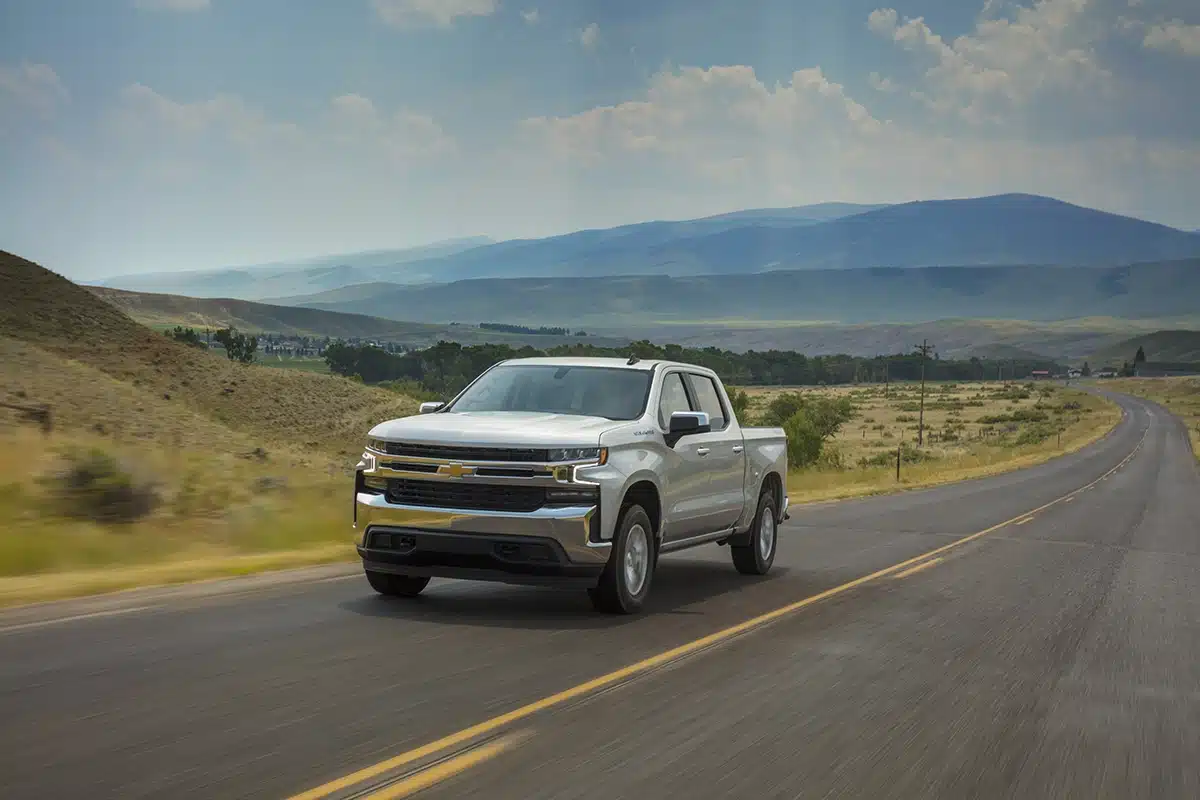
In recent weeks, there’s been growing confusion on a large recall impacting several GM vehicles. The confusion is over the GM 6.2-liter V-8 recall oil type with people pointing to new documents suggesting GM is flip flopping on what oil type to use.
GM 6.2-liter V-8 recall
Before we get to the clarification, the recall and stop sale was first announced on April 24, 2025 and dates matter.
Here is the official NHTSA.gov information:
NHTSA Campaign Number: 25V274000
Manufacturer: General Motors, LLC
Components: ENGINE AND ENGINE COOLING
Potential Number of Units Affected: 597,571
Summary
General Motors LLC (GM) is recalling certain 2021-2024 Cadillac Escalade and Escalade ESV, Chevrolet Silverado 1500, Suburban, and Tahoe, GMC Sierra 1500, Yukon, and Yukon XL vehicles equipped with a 6.2L V8 gas engine. The connecting rod and/or crankshaft engine components may have manufacturing defects that can lead to engine damage and engine failure.
Remedy
Dealers will inspect the engine, and as necessary, repair or replace the engine. For vehicles that pass inspection, dealers will add higher viscosity oil, install a new oil fill cap, replace the oil filter, and update the owner’s manual. Repairs will be performed free of charge. Owner notification letters are expected to be mailed June 9, 2025. Owners may contact Cadillac customer service at 1-800-333-4223, Chevrolet customer service at 1-800-222-1020, or GMC customer service at 1-800-462-8782. GM’s number for this recall is N252494000.
Engine failure fix
The fix will come in two forms and this is where things get a little confusion.
First, dealers will inspect the engine on their lots. Then, they will gradually and systematically inspect consumer vehicles. As you can imagine, you can’t have all 597,000+ vehicles show up at dealers all at once.
At the inspection, the dealers will inspect the trucks for a known fault code indicating the truck was built with the defective parts.
If the truck was built with the defective parts, it will be pulled aside and a new engine will be installed.
If the code isn’t present, and this is where it gets a little confusing, the dealer will change the 0W20 oil for 0W40 oil, replace the oil cap with a new one that says 0W40 on it, put on a new oil filter and insert a new page in the owner’s manual with the 0W40 oil usage needed language.
On top of that, there’s a special warranty extended to those engines that pass inspection for up to 10 years or 150,000 miles from when the truck was put into service. This means, if you bought a 2021, your truck would be under warranty now up to 2031 or 150,000 miles instead of the 5 year or 60,000 mile powertrain warranty.
This information came out on May 23, 2025 in the Special Coverage N252494003 document. The confusion comes from this statement to the dealers not specifically stating the 0W40 on it. People misread that as GM flip flopping on the oil usage. That’s not the case.
“The bulletin was not a customer communication – it’s a bulletin for GM dealers,” said Shad Balch, Director, Chevrolet Communications.
“This bulletin informed dealers about GM’s special coverage program to provide additional warranty coverage for this condition in the vehicles that pass inspection and receive the higher viscosity oil and for those that do not pass inspection and require replacement engines. This special coverage will remain in effect for 10 years from the date the vehicle was originally placed in service or until the vehicle reaches 150,000 miles, whichever comes first.”
Engines that are replaced will use 0W20 and get the same 5 year, 60,000 mile warranty. No change there. The oil change to 0W40 and warranty extension are only for the engines that are affected by the recall and that pass inspection.
Running out of oil?
One last area of confusion impacting consumers is a rumor GM was running out of 0W40 oil and that was the reason they were switching back to 0W20. This was being specifically spread by a YouTube channel specializing in oil types and oil lubrication best practices and then regurgitated on various forums and Facebook groups.
The claim was compounded by the thinking that following the manufacturer’s recommended oil change interval was to blame for the engine failure and if only people would just change their oil more frequently the engine wouldn’t have failed.
I’ve reached out to several contacts who work with hundreds of GM dealers and none of them have found a single instance of a dealer that is running out of 0W40 oil. They also inform me, the majority of their customers follow the recommended oil change intervals as recommended by the manufacturer of 10,000 miles.
“While we heard of some initial potential issues with a limited supply of OW40, we at LaFontaine have not experienced any shortage as we have 7 GM dealerships and were very proactive in stocking up accordingly, said Max Muncey, Director of Corporate Communications for LaFontaine Dealerships.
Overall, I would say our customers do follow the recommended service guidelines from automakers, especially being in ‘GM Town’ a lot of our customers are actual GM employees and/or suppliers.”
As far as the changing the oil more regularly to stop an engine failure from happening, this isn’t a new idea. Owners tried this approach most recently with the third-generation Toyota Tundra 3.4-liter V-6 engines that had debris in them that lead to failure and then prior to that with the Hemi 5.7-liter V-8 to stop engines from ticking. It has also been tried as well with other GM engines to stop lifter failure. In all cases, changing the oil more often hasn’t been proven, as of yet, to stop engines from failing due to faulty parts.
The bottom line
Don’t you just love a good conspiracy theory? I know I do. The reality is GM had a bad batch of parts from one of their suppliers. They found the issue, corrected the problem at the supplier level and are now addressing the issue for their consumers.
In the long life of the GM 6.2-liter V-8 engine this period of time will go down for having a problem, not that the engine has a design flaw or GM can’t build engines anymore. This sucks for GM, for their engineers, for dealers, for mechanics and especially sucks for consumers who have to deal with this hassle. It is just something that happens in automotive from time to time and we see it happens with all brands over the years.







3 replies
Loading new replies...
Administrator
Well-known member
New member
Well-known member
Join the full discussion at the Forum Pickuptrucktalk →