Tow trucks, dump trucks, and car haulers earn higher revenue per mile than many standard tractors, yet may lead to devastating losses if only covered by a generic policy form. Hook damage, elevated centers of gravity, and multi‑tier vehicle cargo create loss scenarios far beyond the reach of basic commercial auto liability. Successful operators understand these differences, align coverage with the real exposure, and present evidence that persuades underwriters to price fairly.
Unique Hazards that Drive Losses
Specialty vehicles face three broad categories of claims. Each demands a specific coverage grant and clear procedures at the scene of an incident.
Key exposures every specialty fleet must address:
Tow truck on‑hook liability
The customer’s car becomes cargo the moment the wheel lift engages. A dropped vehicle can total out well above the truck’s own value and also block traffic, creating secondary collisions.
Dump truck tip‑over and spillage
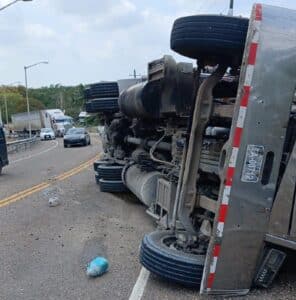
Raising the bed shifts weight behind the rear axle. Uneven ground or sudden braking can tip the frame, rupture hydraulic lines, and spill aggregate onto lanes or waterways. Pollution clean‑up costs can exceed physical repairs.
Car hauler multi‑unit cargo loss
Ten new sedans stacked two tiers high may hold half a million dollars of exposure. A low bridge strike can shear roofs on the entire load while leaving the trailer apparently intact.
After cataloging hazards the next task is matching each to the correct coverage form with proper limits. GIA Group LLC works with fleet managers to proactively align coverage options with operational risks and potential exposure, drawing from experience across a wide network of insurance carriers.
Policy Terms that Close Vulnerabilities
Standard auto liability pays for bodily injury and property damage to third parties. Specialty trucks need additional layers.
- On‑hook coverage replaces or repairs the customer vehicle while it hangs behind the wrecker. Verify that exclusions do not cap reimbursement below real resale values.
- Pollution endorsement reimburses costs when diesel, hydraulic fluid, or cargo dirties a creek or roadway. State regulators can fine heavily even when no injury occurs.
- Cargo enhancement provides full value on car haulers and includes debris removal so the tow company does not pay for rollback service after a total‑loss fire.
- Trailer interchange protects non‑owned trailers swapped at auction lots or construction sites.
Underwriters will ask for unit counts, typical load values, and radius of operation. Providing current data up front avoids conservative assumptions that inflate rates.
Evidence Underwriters Trust
Insurers adjust price when fleets prove discipline. For tow operations this means time‑stamped photos before moving a vehicle, lift inspection logs, and driver training certificates on proper tie‑down angles. Dump carriers capture hydraulic service dates and bed‑raising angle sensor readings. Car haulers record torque checks on wheel straps and upload dash camera footage that verifies cautious following distance. The stronger and more accessible the archive, the less uncertainty the carrier prices into the premium.
Six‑Step Roadmap to Optimal Coverage
A structured approach ensures every hazard receives the correct policy response and that savings stay in place at renewal.
- Compile a unit inventory by body type and VIN. Include gross weight, bed size, or stinger length so endorsements reflect real exposure.
- Document claims for the last five years with cause codes. Sorting by hook damage, spillage, or cargo shift identifies trends and supports target training.
- Update driver qualification files. List endorsements such as air brake or hazmat and note completed specialty courses like level load securement.
- Audit maintenance logs. Highlight hydraulic repairs, winch inspections, and strap replacements with cost and date for underwriter review.
- Request market indications one hundred twenty days before expiry. Early submissions allow loss control teams to recommend limit tweaks rather than offer a conservative pricing to account for uncertainty.
- Review binding documents line by line. Confirm sub‑limits for clean‑up, debris removal, and storage charges match current real‑world invoices.
Repeat the six‑step process annually or after any major fleet change so coverage keeps pace with new equipment classes or lane expansions.
Translating Safety into Competitive Pricing
Specialty fleets sometimes accept elevated premiums as inevitable, but insurers reward evidence. A tow company that shows photo logs of every hook achieves lower on‑hook deductibles. A dump operator with zero tip‑overs across fifty thousand dump cycles earns rate reductions even in high‑density territories. Car haulers that install roof‑height sensors and share near‑miss alerts with drivers cut loss frequency and demonstrate proactive risk culture. Insurers respond by trimming manual surcharges and, in multiline accounts, adding credit factors unavailable through rating software alone.
Managing Contracts and Certificates
Freight brokers and municipal police rotation programs sometimes demand customized certificates that list unique endorsements and higher per‑occurrence limits. A self‑service certificate portal speeds contract turnarounds and prevents last‑minute scrambles. Store pre‑approved holder templates in the system so dispatch can generate proof of coverage around the clock. Instant certificates also reduce time on the yard when a driver waits for paperwork before loading the next assignment.
Conclusion
Tow trucks, dump trucks, and car haulers multiply earning power but also introduce distinct risks. Aligning coverage with real hazards, maintaining hard evidence of preventive habits, and following a structured renewal process turn those risks into profit rather than into court costs. A well‑documented fleet supported by strong brokerage guidance converts operational discipline into premiums that reflect true exposure and keeps specialty equipment generating revenue mile after mile.