
When an individual’s vehicle is towed, frustration can quickly turn to anger, especially if they believe the towing was unjustified. Many people wonder if they can take legal action against a towing company for improper towing practices or damage to their property. In certain situations, it is indeed possible to sue a towing company, particularly if they have violated local towing laws or caused unnecessary harm.
Understanding the legal grounds for a lawsuit against a towing company is crucial. Individuals may have a case if they can prove that the company failed to follow proper procedures or if they experienced property damage as a result of negligent towing practices. This information can help potential plaintiffs navigate their options and decide whether seeking legal recourse is worth pursuing.
Moreover, it’s important to recognize that the rules regarding towing practices vary by location. Different states and municipalities have their own regulations governing how towing companies operate, affecting the ability to file a lawsuit. Readers will find valuable insights into these regulations, ensuring they are better informed about their rights in the face of a towing dispute.
Understanding Towing Laws
Towing laws vary by state and municipality. Each jurisdiction sets guidelines for when and how vehicles can be towed.
Common legal principles include:
- Consent: Towing without permission from the vehicle owner is generally discouraged. There are exceptions, such as vehicles parked illegally.
- Notification Requirements: Many states require towing companies to notify vehicle owners or local authorities before towing a vehicle.
- Storage Fees: Towing companies may charge storage fees. These fees must be disclosed upfront and should comply with local regulations.
- Dispute Resolution: If a vehicle owner believes a towing was unjustified, they can seek legal recourse. This may involve small claims court or mediation.
Key Factors for Consideration:
- Signs: Clear signage informing drivers of towing policies is often required.
- Reason for Tow: The legal grounds for towing must be legitimate—illegal parking, unpaid fines, or abandonment.
- Right to Sue: A vehicle owner may have grounds to sue if proper protocols were not followed.
Before taking legal action, it is essential to gather documentation. This may include photographs of signage and records of prior warnings. Always consult local laws for specifics related to towing practices.
Grounds for Suing a Towing Company
Individuals may have valid reasons to take legal action against towing companies. Common issues involve unlawful towing practices, overcharging, vehicle damage, and violations of consumer protection laws. Each situation can provide grounds for a lawsuit based on specific circumstances.
Unlawful Towing Practices
Towing companies must adhere to local laws and regulations regarding vehicle towing. An unlawful towing practice may occur if a vehicle is towed without proper authorization from the property owner or without clear signage indicating towing policies.
For example, if a vehicle is parked legally in a permitted area but towed anyway, the owner may have grounds for a lawsuit. Victims can gather evidence, such as photographs of the parking area and witness statements, to support their case. If the towing company is found liable, they may be required to compensate the vehicle owner for damages.
Overcharging and Hidden Fees
Towing companies must disclose their fees clearly and transparently. If a towing company charges more than the posted rates or adds hidden fees that were not previously communicated, this could be grounds for legal action.
Victims should save all receipts and documentation of the towing process. If the charges appear excessive or unjustified, a complaint can be filed against the towing company. Legal action may result in recovering the excess fees paid, as well as additional damages for the inconvenience caused.
Damage to Vehicle During Towing
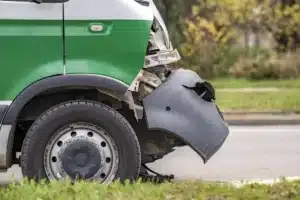
When a vehicle is damaged during the towing process, the towing company may be held liable for repairs. Common damages include scratches, dents, or other forms of physical damage.
In these instances, it is crucial for the vehicle owner to document the condition of their vehicle before and after towing. Taking photographs can serve as vital evidence. If the towing company is found negligent in handling the vehicle, the owner may sue for the cost of repairs and any related expenses.
Violation of Consumer Protection Laws
Towing companies are subject to consumer protection laws that shield customers from unfair or deceptive practices. Violations can occur through misleading promotional materials, aggressive collection tactics, or improper notification procedures preceding a tow.
In cases where consumers feel they have been misled or treated unfairly, they may seek legal recourse. Documenting all interactions and communications with the towing company can strengthen their case. If found in violation of these laws, towing companies may face penalties and be required to compensate affected consumers.
Preparing to Sue a Towing Company
When considering legal action against a towing company, thorough preparation is essential. Documenting the incident and gathering evidence will strengthen the case significantly. Careful attention to detail can impact the outcome of the lawsuit.
Documenting the Incident
It is crucial to document the situation surrounding the towing incident. This includes noting the date, time, and location where the vehicle was towed.
Key points to include are:
- Name and contact information of the towing company
- Details of the circumstances leading to the tow
- Any notices or signs posted in the area
Keep records of communications with the towing company, such as phone calls or emails. If possible, obtain a copy of the towing receipt and any documentation provided by the company.
Gathering Evidence
Supporting evidence can make a significant difference in building a case. This involves collecting various forms of proof related to the incident.
Important types of evidence include:
- Photographs: Take clear photos of the location, signs, and the vehicle before and after towing.
- Witness statements: Collect contact information of any witnesses who can corroborate the story.
- Video footage: If available, obtain surveillance or dashcam footage showing the vehicle prior to the tow.
Organizing all evidence meticulously can facilitate an effective legal process. Ensure that all documentation is kept in a safe place for easy access when needed.
Understanding the Claims Process
When considering legal action against a towing company, it’s essential to understand the claims process. This includes navigating small claims court or civil lawsuits, each with its specific procedures and requirements.
Small Claims Court
Small claims court provides an accessible option for individuals seeking compensation from a towing company. It is designed for cases involving smaller amounts of money, typically ranging from $2,500 to $10,000, depending on state laws.
- Filing a Claim: The claimant must file a complaint with the local small claims court, including details about the towing incident and the amount being sought.
- Service of Process: The towing company must be formally notified of the claim. This often involves serving them with notice to ensure they are aware of the proceedings.
- Hearing: A judge will listen to both sides during a scheduled hearing. The claimant presents evidence, such as receipts and photographs, while the towing company can defend its actions.
- Decision: The judge will issue a ruling, which both parties are legally obligated to follow.
Civil Lawsuits
For claims exceeding small claims limits or involving more complex issues, a civil lawsuit may be necessary. This process is more formal and requires an understanding of legal principles.
- Preparation: The claimant must gather evidence and possibly seek legal counsel to draft a complaint. This document outlines the claims against the towing company and the desired compensation.
- Filing: The lawsuit is filed in the appropriate court, usually a state or federal court, depending on the case specifics.
- Discovery Phase: Both parties exchange evidence and may take depositions to gather information. This stage is critical for building a strong case.
- Trial: If the case does not settle, it moves to trial, where both parties present their arguments to a judge or jury.
- Judgment: The outcome will determine if the towing company must pay damages or if the plaintiff’s claim is dismissed.
Legal Considerations
When considering a lawsuit against a towing company, certain legal aspects must be taken into account. The statute of limitations and jurisdictional concerns are significant factors that can impact the viability of a case.
Statute of Limitations
The statute of limitations determines the time frame within which a lawsuit must be filed. For towing disputes, this period can vary by jurisdiction.
- Common Time Frames:
- Contract Claims: Generally, 3 to 6 years.
- Property Damage: Often up to 2 years.
- Personal Injury: Typically ranges from 1 to 3 years.
It is crucial to file the lawsuit before the expiration of the applicable statute. Failing to do so may result in the court dismissing the case, preventing any chance of recovery.
Jurisdictional Concerns
Jurisdiction refers to the authority of a court to hear a case. In towing disputes, jurisdiction can depend on factors such as the location of the tow and where the plaintiff resides.
- Types of Jurisdiction:
- Personal Jurisdiction: Usually established where the towing company operates or where the vehicle was towed.
- Subject Matter Jurisdiction: Courts must have the authority to rule on the type of claim being made.
Understanding the right jurisdiction is vital to ensuring that the case is properly filed and heard. Different locations may have different laws regarding towing, which can affect the outcome.
Alternatives to Lawsuits
There are several options available for individuals who may wish to resolve disputes with towing companies without resorting to litigation. Mediation, negotiation, and regulatory complaints can serve as effective alternatives.
Mediation and Arbitration
Mediation involves a neutral third party facilitating negotiations between individuals and towing companies. This process allows both sides to express their concerns and seek a mutually agreeable solution.
Arbitration, on the other hand, is more formal. An arbitrator reviews evidence from both parties and makes a binding decision. Mediation is generally less costly and time-consuming than arbitration or lawsuits. It fosters communication and understanding, helping parties reach a compromise.
Choosing mediation or arbitration can provide the benefit of privacy, as proceedings are usually not public. This can be crucial for those concerned about reputation.
Negotiating with the Towing Company
Direct negotiation involves contacting the towing company to discuss the dispute. Individuals should gather relevant documentation, such as receipts, photographs, and notice documentation.
Being prepared can increase the likelihood of a successful negotiation. Clear communication and a concise explanation of concerns can help in presenting a case. Individuals should remain calm and collected throughout the discussion.
Offering realistic resolutions can facilitate a quicker agreement. It is helpful to establish the preferred outcome beforehand, whether it be reimbursement, a reduction in fees, or other remedies.
Filing a Complaint with Regulatory Bodies
Many jurisdictions have agencies that oversee towing companies. Filing a complaint with these regulatory bodies can be an effective course of action.
Individuals can typically submit complaints online or through physical forms. It is essential to provide detailed accounts of the incident and include any supporting documentation.
Regulatory agencies may investigate complaints and take action if violations are found. This process can lead to changes in the towing company’s practices without the need for legal action. Additionally, filing a complaint can help protect others from similar situations.
Hiring a Lawyer
Seeking legal assistance can significantly impact the outcome of a case against a towing company. It is crucial to select the right attorney, understand the costs involved, and conduct a background check to verify their professional standing and disciplinary history.
Choosing the Right Attorney
When selecting an attorney, consider their expertise in towing law and experience with similar cases. It is beneficial to choose someone who is familiar with local regulations as laws surrounding towing can vary by state or municipality.
Prospective clients should look for lawyers who have a strong track record in handling civil disputes and specifically cases involving towing companies. Referrals from friends or online reviews can also be useful resources.
Schedule consultations to assess compatibility with the attorney. During these meetings, ask about case strategies, expected timelines, and previous case outcomes. This initial interaction can provide clarity on whether the attorney is the right fit for the specific situation.
Costs and Attorney Fees
Legal fees can vary based on the attorney’s experience and the complexity of the case. Most attorneys operate on a contingency fee basis, charging a percentage of any recovery obtained. This means clients only pay if they win.
Alternatively, some attorneys may charge hourly rates or flat fees. It is essential to discuss these arrangements during the initial consultation. Understanding how fees will be structured is crucial for budgeting the legal process.
Clients should also inquire about additional costs, such as filing fees or charges for expert witnesses. Clarifying these expenses upfront can help avoid unexpected financial burdens as the case progresses.
Court Procedures and Protocols
Understanding court procedures and protocols is essential for anyone considering legal action against a towing company. This knowledge helps navigate the complexities of the legal system which can be daunting for those unaccustomed to it.
Filing the Lawsuit
The first step in pursuing a case against a towing company is filing a lawsuit. The injured party, known as the plaintiff, must submit a complaint to the appropriate court. This document outlines the basis of the claim, including specific grievances and the relief sought.
The plaintiff must also serve the towing company, now the defendant, with the complaint and a summons. This informs them of the legal action being taken and provides a timeframe to respond. Proper documentation is critical to avoid delays in the legal process.
Pre-Trial Motions
Before the trial, both parties may file pre-trial motions. These motions often include requests for the judge to dismiss certain claims or to compel evidence. The defendant might file a motion to dismiss based on procedural grounds or lack of jurisdiction.
Pre-trial discovery is also conducted, allowing both sides to gather evidence. This includes the exchange of documents and depositions. These procedures aim to clarify the issues and could lead to a settlement before the trial begins, saving time and resources.
The Trial Process
If the case proceeds to trial, both parties present their arguments before a judge or jury. The plaintiff must provide evidence to establish their case, demonstrating how the towing company caused harm. This can include testimony from witnesses and expert opinions.
The defendant will then present their defense, arguing why the claim should not prevail. Following the presentations, the judge or jury deliberates to reach a verdict. The outcome determines if the plaintiff is entitled to damages or if the towing company is vindicated.
Potential Defenses of Towing Companies
Towing companies often have several defenses available when facing lawsuits. Understanding these defenses can provide clarity on the legality of their actions and the obligations of vehicle owners.
Consent to Tow
One primary defense a towing company can rely on is the concept of consent. If a vehicle owner voluntarily leaves their vehicle in an area where towing is permitted, they may have given implicit consent.
For instance, if the owner parks in a private lot marked with clear towing signage, this can be seen as consent to be towed. Courts may determine that a vehicle owner has accepted the risk of towing when they disregard these rules.
Additionally, if a vehicle owner acknowledges the towing policy by signing an agreement, the towing company can use this signed consent as a strong defense in court.
Signage and Property Rules
Towing companies commonly defend their actions by highlighting the presence of proper signage. Regulations often require clear notices of towing policies within private property and parking areas.
If a towing company can demonstrate that it has adhered to local regulations by placing adequate signs, this solidifies their position. The signs should be visible and state the towing policy prominently.
In many jurisdictions, improper or inadequate signage may invalidate a towing action. Consequently, a vehicle owner’s lack of awareness does not exempt them if proper notifications were in place.
Towing Authorizations Contact
Another important defense involves the establishment of legitimate towing authorizations. Towing companies are often required to secure permission from property owners or authorized agents before towing a vehicle.
When a towing company can prove it obtained necessary authorizations, this can significantly bolster its case. This proof can include timestamps, correspondence, or agreements with property owners.
Failure to obtain proper authorization can lead to claims of unlawful towing. However, if the towing company followed established protocols and secured the right permissions, they are likely to prevail in legal disputes.