
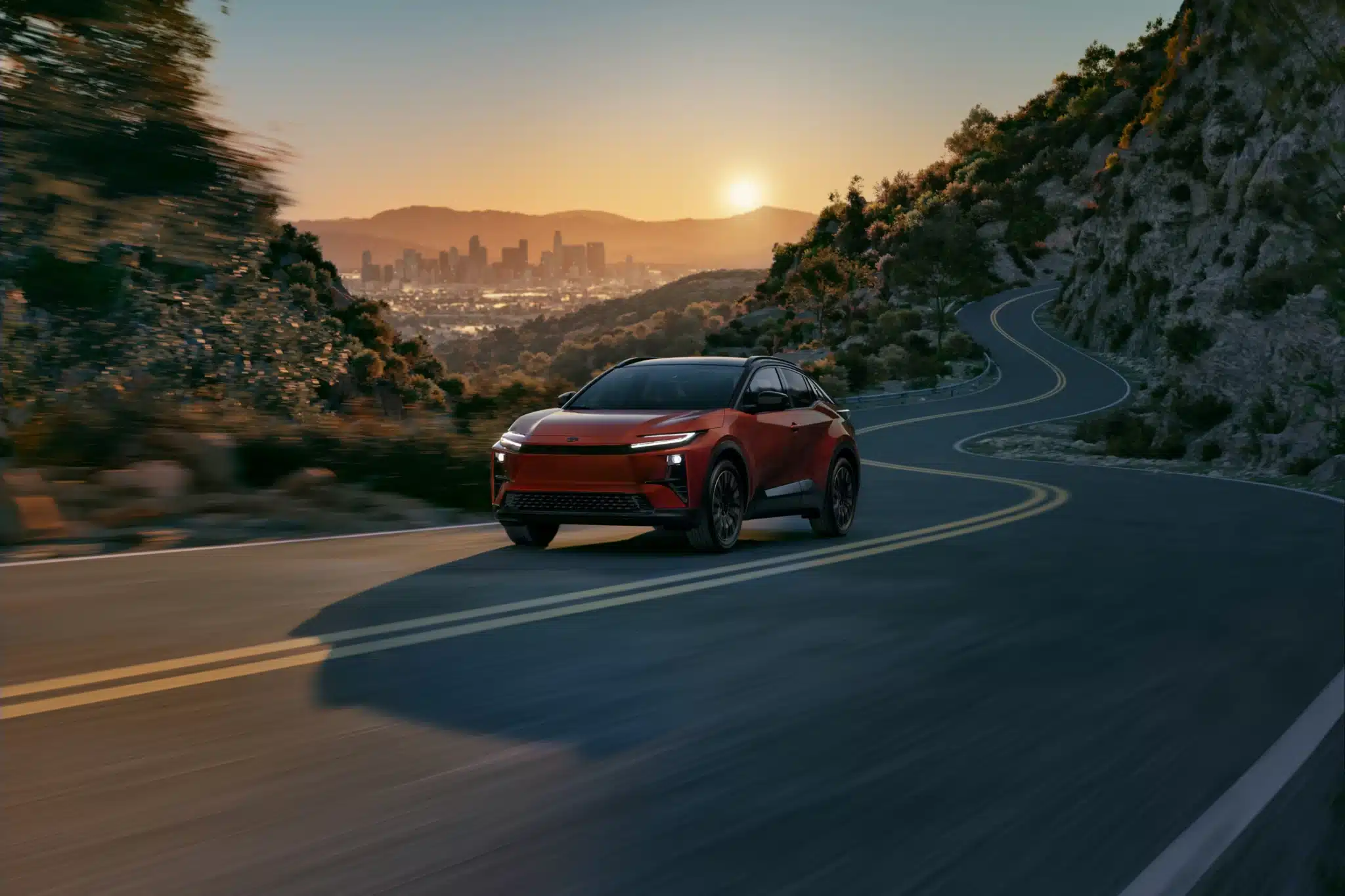
Toyota has been sending out a lot of press releases lately, and it’s been kinda hard to keep up. And, for a brand that has been sluggish on electric cars, we’re seeing a lot of EV news – including updates for its already existing bZ4X (now called bZ) model. Perhaps one of the more interesting bits of EV news is about the 2026 Toyota C-HR. This vehicle was previously revealed in Europe when Toyota confirmed it would probably bring out an electric pickup truck, but now we know it’s coming Stateside, too.
What’s interesting about this specific vehicle is that it is probably the first viable EV from Toyota and has the potential to be a volume seller. Here’s why.
It’ll get nearly 300 miles of range
Perhaps the biggest thing to know is that the 2026 Toyota C-HR will get 290 miles of all-electric range. This, along with the news that the bZ will now get 314 miles of range, is a big deal because it shows Toyota is starting to take electric vehicles seriously. The 300-mile-range mark seems to be the holy grail for electric vehicles, and if a vehicle doesn’t get near that number, frankly, it’s considered a compliance vehicle.
It is powered by a 74.7 kW battery.
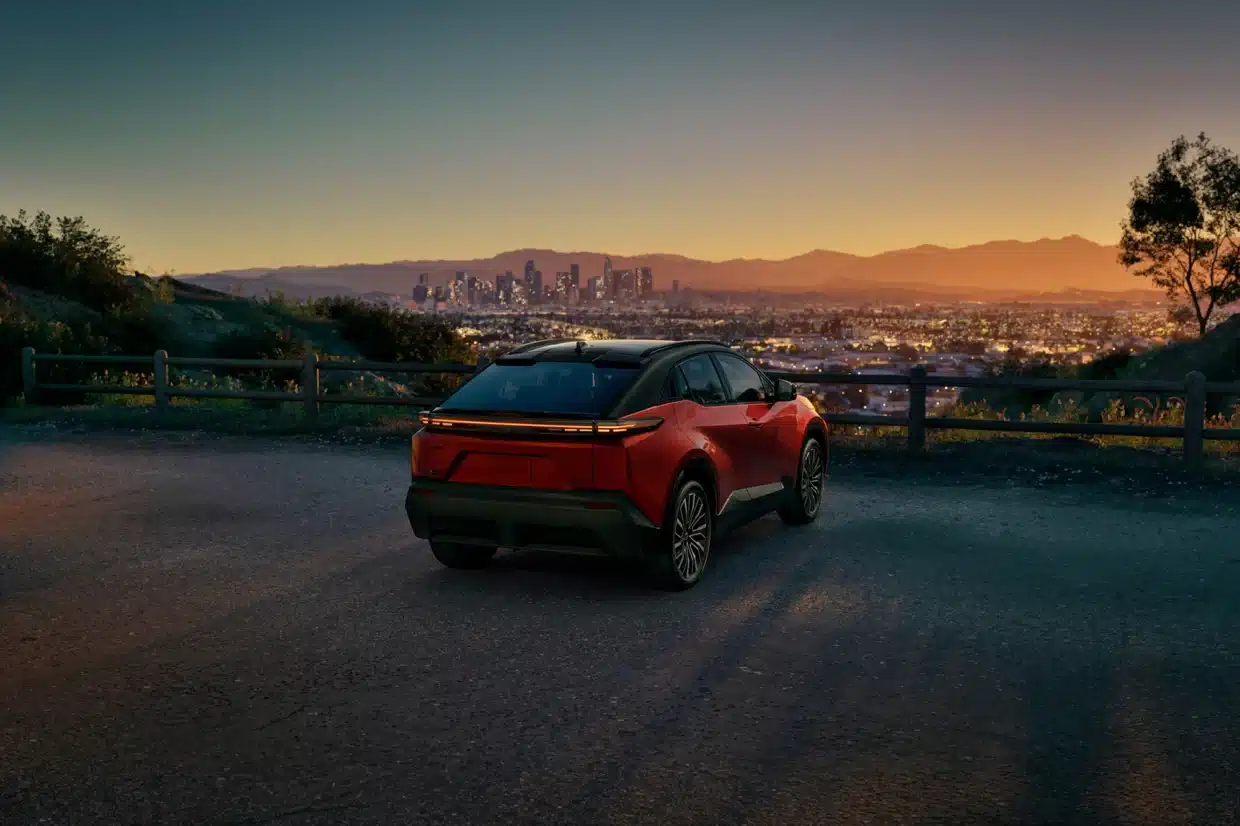
Equipped with standard AWD, gets 338 hp
The 290 miles of range is impressive considering that the 2026 C-HR will come equipped with standard all-wheel drive. This means it will have two motors, and it will deliver a combined system output of 338 horsepower. Toyota also states it will get an estimated 5-second 0-to-60-mph time.
2026 Toyota C-HR adopts NACS
Toyota announced in 2023 that it would adopt the North American Charging Standard (NACS) – along with pretty much every other automaker. Now that announcement is starting to come to fruition. The 2026 Toyota C-HR will come standard with the factory-installed NACS port, as will the aforementioned 2026 bZ. NACS, pioneered by Tesla, allows the C-HR to access more than 7,000 Tesla Supercharger stations with more than 65,800 connectors.
One big question unanswered by the press release: Will it include a CCS adapter, which would allow the C-HR to charge at even more stations?
It gets all the tech things
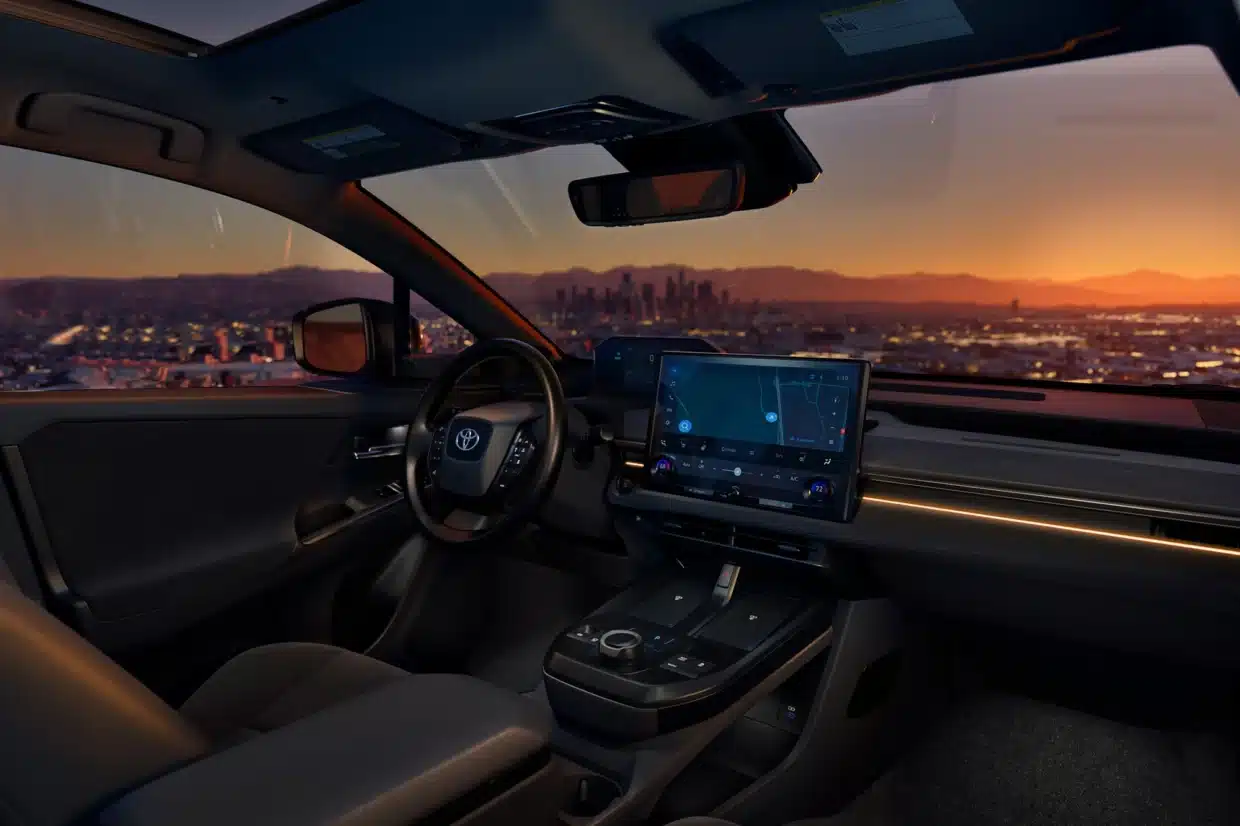
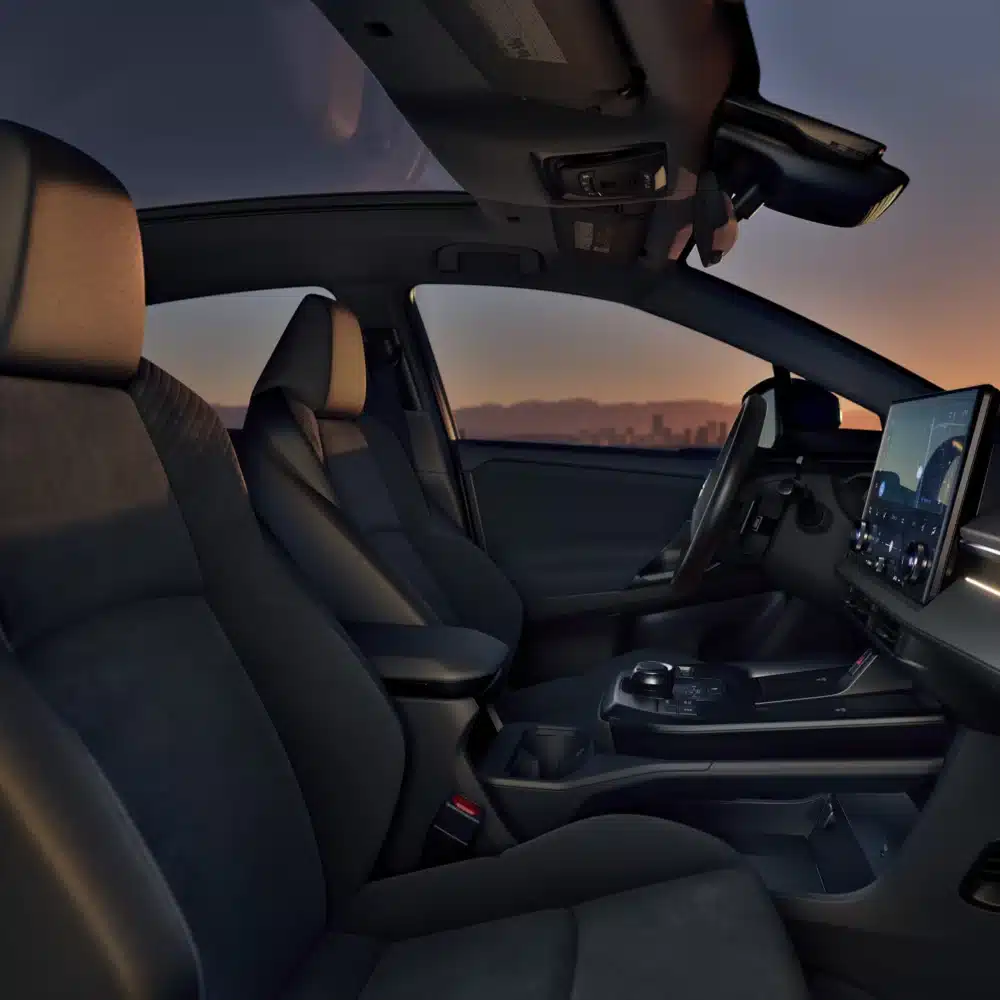
As you would expect from any new Toyota product, it’ll get the new Toyota Audio Multimedia system and a large 14-inch touch screen. This system includes wireless Apple CarPlay and Android Auto. It’ll have a three-year free trial for the subscription-based Drive Connect and Remote Connect connected services, which will give access to cloud navigation, remote start, remote climate controls and Toyota’s voice assistant. Available tech features include an up-level JBL audio system, digital rearview mirror, Traffic Jam Assist and a 360-degree camera.
The 2026 Toyota C-HR will also come with Toyota’s safety suite, which will include standard features such as automatic emergency braking, adaptive cruise control, lane trace assist and automatic high beams.
C-HR is compact but functional
Though we don’t have a full list of tech specs yet, we know the 2026 C-HR will be 177.9 inches long and 73.6 inches wide. That puts it in the ballpark of the OG gas C-HR, which was discontinued in 2022. It was 172.6 inches long and 70.7 inches wide.
Toyota says it will have “spacious accommodation” and offers up one more spec: It will have 25.4 cubic feet of cargo space behind the rear seats. For reference, this is about 6 cubic feet more than the 2022 C-HR.
Our take on the 2026 Toyota C-HR
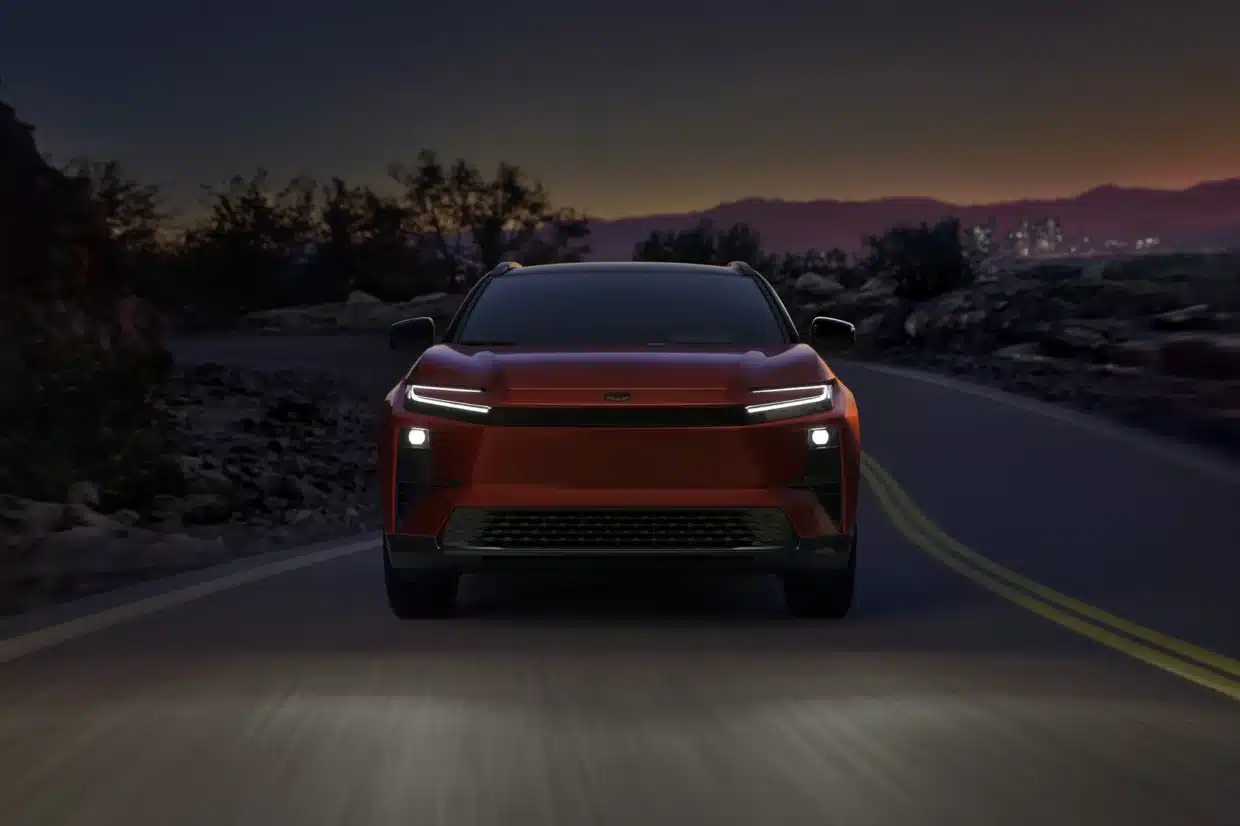
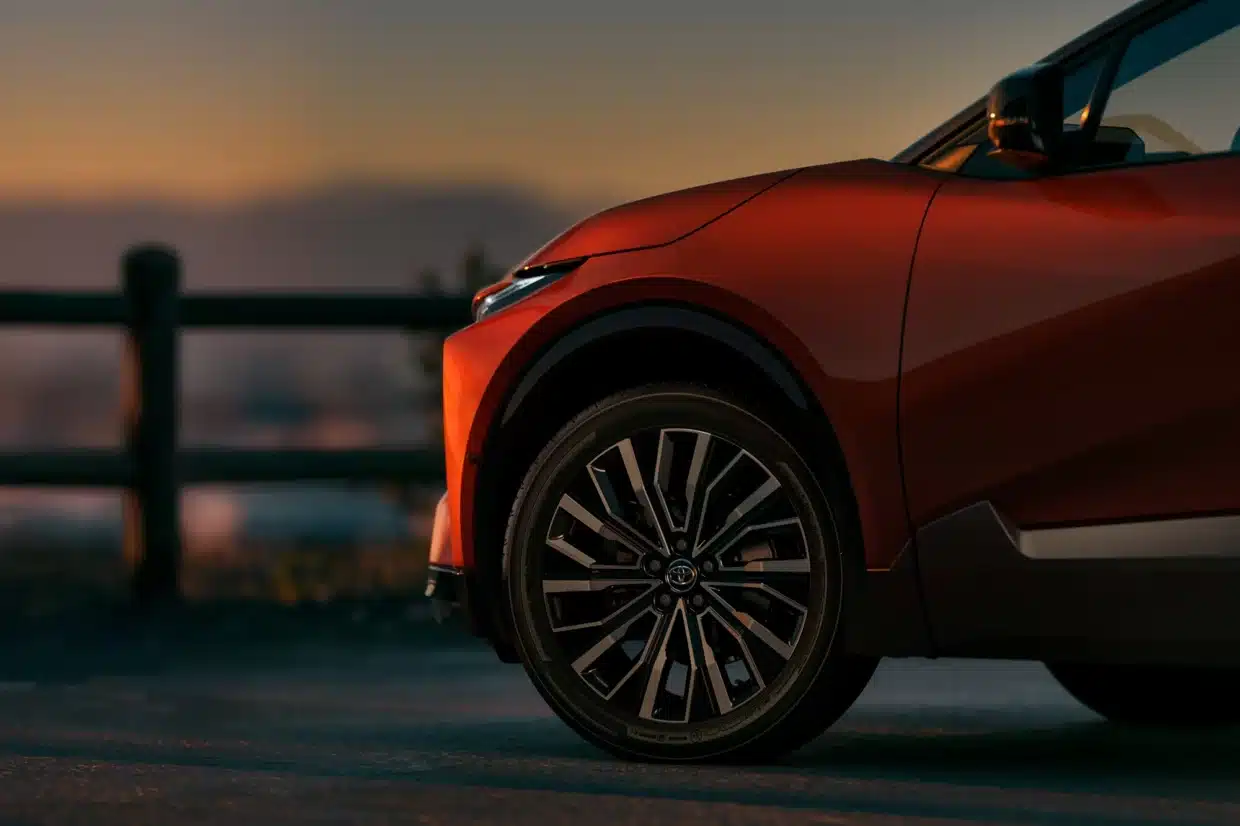
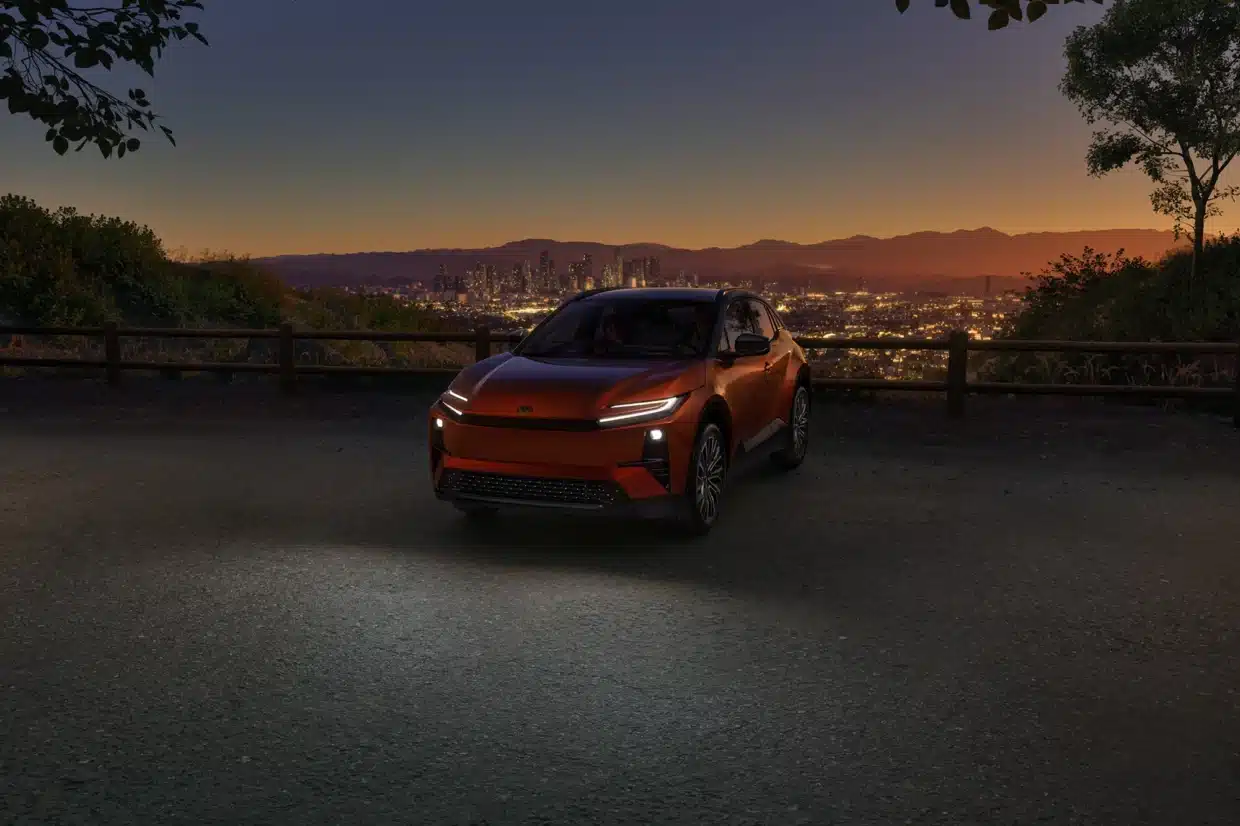
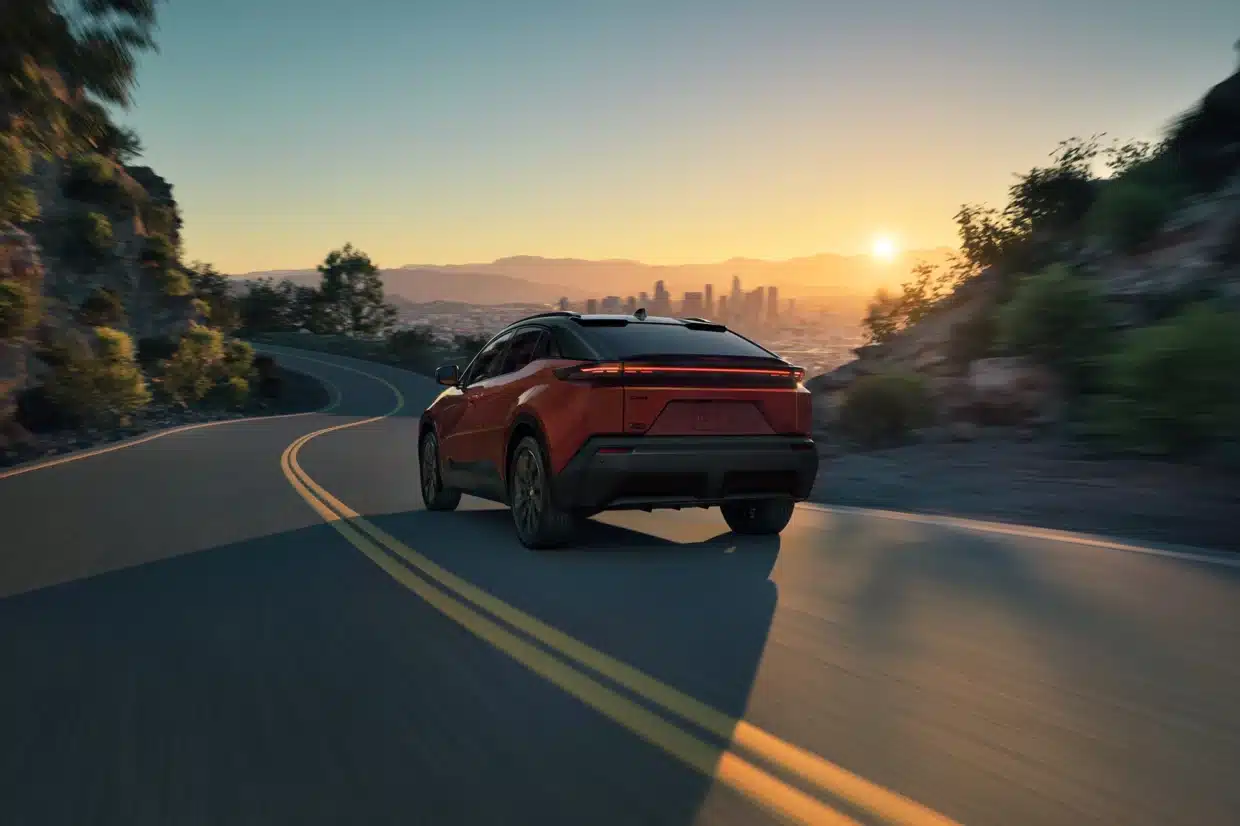
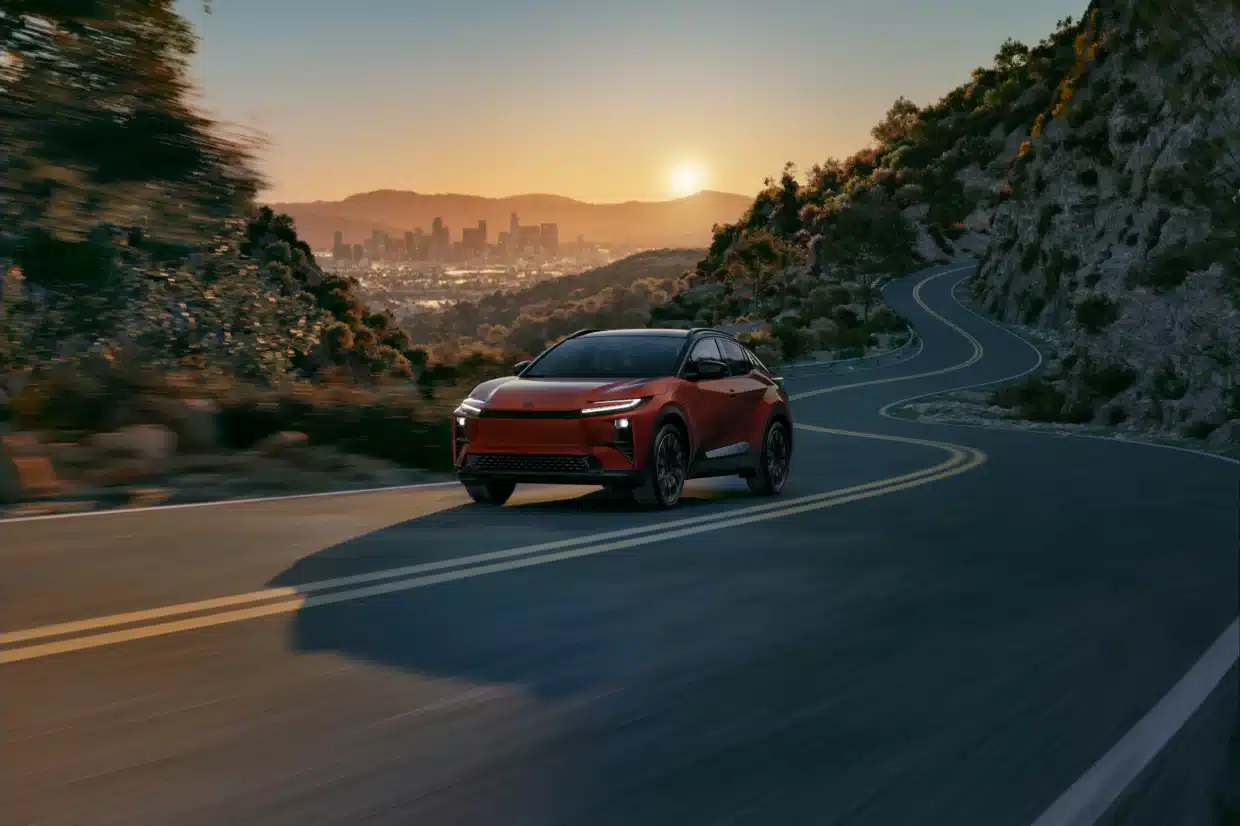
We think the 2026 C-HR looks interesting. It certainly pays homage to the previous model, while adding a lot of the design tweaks (like the headlight treatment) that we see on current Toyota vehicles.
While this all looks really good on paper, it’s going to be price – and where it is built – that will make or break this small EV. If Toyota can build it in the U.S., and keep the price in the mid-$35k range (like the Chevy Equinox EV is and the Volvo EX30 was supposed to be), I think it has the potential to be a huge hit for the brand.
Editor’s note: All photos on this page courtesy of Toyota Motor Sales.