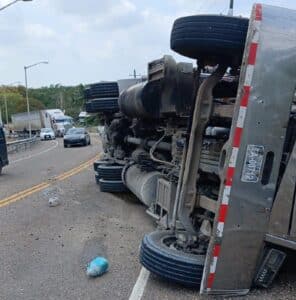

If you’re in the trucking business—or planning to enter it—you already know that hauling freight involves much more than just driving. One of the biggest responsibilities truckers carry isn’t just what’s under the hood, but what’s inside the trailer. Whether you’re transporting furniture, food, electronics, or raw materials, the value of your cargo can be significant. And when you’re responsible for someone else’s goods, anything that goes wrong could cost you dearly. That’s where cargo insurance comes in.
In this guide, we’ll break down what cargo insurance is, how it works, what it covers, what it doesn’t, how much it costs, and how to choose the right policy. Whether you’re a seasoned owner-operator or just stepping into the industry, understanding cargo insurance is essential to protecting your business.
What is Cargo Insurance?
Cargo insurance, more formally known as motor truck cargo insurance, is a commercial truck insurance that provides financial protection for the freight or commodities being hauled by a for-hire trucker. It covers the value of the cargo if it is lost, damaged, or stolen during transit.
In short, cargo insurance protects the goods you transport. If something unexpected happens on the road—like a fire, accident, or theft—the insurance helps pay for the loss so you don’t have to. It is one of the most important coverages in the commercial trucking industry.
Why is Cargo Insurance Important?
First and foremost, cargo insurance protects your financial interests. If you’re responsible for hauling a $50,000 load and it gets stolen or destroyed, you may be liable to reimburse the shipper or broker unless you have insurance.
Second, many freight brokers, shippers, and logistics companies require proof of cargo insurance before they will do business with you. It’s often a non-negotiable condition of the contract.
Third, it enhances your credibility. Having active cargo insurance tells your clients that you’re a professional who takes responsibility seriously. That can help you win more contracts and build a stronger reputation in a competitive market.
Who Needs Cargo Insurance?
Anyone who transports freight for hire should carry cargo insurance. That includes:
- Independent owner-operators
- Small fleet owners
- Motor carriers
- Hotshot truckers
- Last-mile delivery services
- Refrigerated (reefer) haulers
- Box truck operators
- Tow truck companies (when towing property owned by others)
Even if your state doesn’t require cargo insurance by law for all haulers, most freight clients will. If you don’t have it, you may be missing out on work.
How Does Cargo Insurance Work?
Cargo insurance is fairly straightforward. You select a policy with a coverage limit based on the typical value of the freight you haul. If an event causes loss or damage to that freight while it’s in your care, custody, or control, you file a claim with your insurer. If approved, the insurer pays for the loss, minus any deductible.
Here’s an example:
You’re hauling $75,000 worth of consumer electronics. While parked overnight at a rest stop, the trailer is broken into and the entire load is stolen. You file a claim with your cargo insurer. After verifying the loss, the insurer pays you (or the shipper) the agreed-upon amount, minus your deductible.
It’s important to remember that you must follow certain guidelines outlined in your policy—such as securing the load, not leaving the truck unattended, and reporting the loss quickly—for the claim to be honored.
What Does Cargo Insurance Cover?
Cargo insurance generally covers physical loss or damage to freight while it is being transported. This includes:
- Theft or hijacking
- Fire
- Collision and overturn
- Vandalism
- Natural disasters (flooding, hail, wind)
- Loading or unloading accidents (if included)
- Refrigeration breakdown (with optional endorsement)
- Debris removal (optional)
- Earned freight (the amount you lose when a delivery can’t be completed)
Coverage can vary depending on the type of goods you transport and the terms of your policy. Some insurers allow you to customize your policy with endorsements to better fit your specific hauling needs.
What’s Not Covered?
Like all insurance policies, cargo insurance comes with exclusions. Some common things that may not be covered include:
- Improperly packed or labeled freight
- Cargo left in an unattended vehicle without proper security
- Losses from mechanical breakdowns (unless they cause cargo damage)
- Inherent vice (when the goods are naturally prone to spoil or deteriorate)
- Certain types of high-risk cargo, such as:
- Live animals
- Art or antiques
- Jewelry or precious metals
- Tobacco or alcohol
- Pharmaceuticals
- Live animals
If you haul specialized or high-value items, you may need to obtain separate or additional coverage.
Types of Cargo Insurance
There are different types of cargo insurance policies designed to meet various operational needs. The two most common are short-term and permanent policies.
Short-term cargo insurance, also called per-trip or per-load coverage, is purchased on demand. It covers a single haul or trip and is popular among owner-operators or seasonal drivers who don’t haul regularly.
Permanent cargo insurance, also known as annual coverage, is a continuous policy that protects every load you haul during a defined policy period (usually one year). This type is best suited for full-time truckers or businesses with consistent freight volume.
Other variations include:
- All-risk cargo insurance: Covers all physical losses unless specifically excluded.
- Named-perils insurance: Covers only the risks specifically listed in the policy.
- Broad form: An intermediate option with more coverage than named-perils but not as comprehensive as all-risk.
Short-Term vs. Permanent Coverage
Choosing between short-term and permanent cargo insurance depends on your business model.
Short-term coverage is ideal if:
- You’re new to the industry
- You haul loads occasionally or seasonally
- You want to protect a one-time high-value haul
- You prefer not to commit to monthly premiums
Permanent coverage is better if:
- You haul freight consistently
- You manage a fleet
- You want predictable monthly or annual costs
- You frequently need to provide proof of insurance to brokers
Short-term coverage typically costs more per load but offers flexibility. Permanent policies are more cost-effective for high-frequency haulers.
How Much Does Cargo Insurance Cost?
Cargo insurance premiums vary depending on several factors:
- The type of cargo you haul
- The average value of your loads
- The distance and regions you travel
- Your driving record and claims history
- Your experience in the industry
- The type of coverage (short-term vs. permanent)
- Deductible and policy limits
For short-term cargo insurance, rates can start as low as $25 to $100 per trip, depending on risk.
Permanent policies typically range from $1,000 to $3,000 per year per truck, but costs can increase with higher coverage limits or if you haul high-risk freight.
Choosing a higher deductible can lower your premium but increases your out-of-pocket cost if a loss occurs.
Legal and Industry Requirements
The Federal Motor Carrier Safety Administration (FMCSA) requires motor carriers that haul household goods to maintain cargo insurance of at least $5,000 per vehicle and $10,000 per occurrence. This is a federal requirement and applies only to household goods.
However, most freight brokers, shippers, and logistics companies require significantly higher coverage limits—often $100,000 or more—regardless of the type of goods you transport. In some industries, such as electronics or pharmaceuticals, shippers may require $250,000 to $500,000 in cargo coverage.
Certain states may also impose specific requirements for intrastate hauling, so it’s essential to understand the regulations that apply to your operation.
How to Choose the Right Policy
Selecting the right cargo insurance policy comes down to your business needs, budget, and risk exposure. Here’s a checklist to help you make an informed decision:
- Assess your cargo: What are you hauling, and how much is it typically worth?
- Determine your frequency: Do you need per-trip flexibility or consistent coverage?
- Evaluate your risks: Are you hauling high-value or temperature-sensitive goods?
- Compare quotes: Work with providers who specialize in trucking insurance.
- Understand exclusions: Read the fine print so you’re not caught off guard during a claim.
- Choose your deductible wisely: Balance premium cost with financial risk.
- Look for added protection: Endorsements like refrigeration breakdown or debris removal can add real value.
It’s also helpful to work with an insurer or broker who understands the trucking industry. They can guide you toward a policy that matches your exact situation.
Final Thoughts
Cargo insurance is one of the most important tools you have to protect your trucking business. Whether you’re an independent trucker running a few loads a month or a growing fleet serving multiple clients daily, cargo insurance can shield you from costly claims, lost clients, and reputational damage.
It’s not just about compliance—it’s about peace of mind. Accidents, theft, and damage can happen, no matter how careful you are. The right policy ensures that when they do, your business doesn’t suffer the financial blow.
If you’re looking to get started, consider what kind of coverage best suits your operation and how often you haul freight. Short-term insurance might be the perfect fit if you’re just getting started or only haul occasionally. On the other hand, a permanent policy offers long-term protection and cost savings for full-time operators.
Explore your options, ask questions, and work with a provider who understands trucking. Because at the end of the day, your cargo is more than freight—it’s your livelihood.