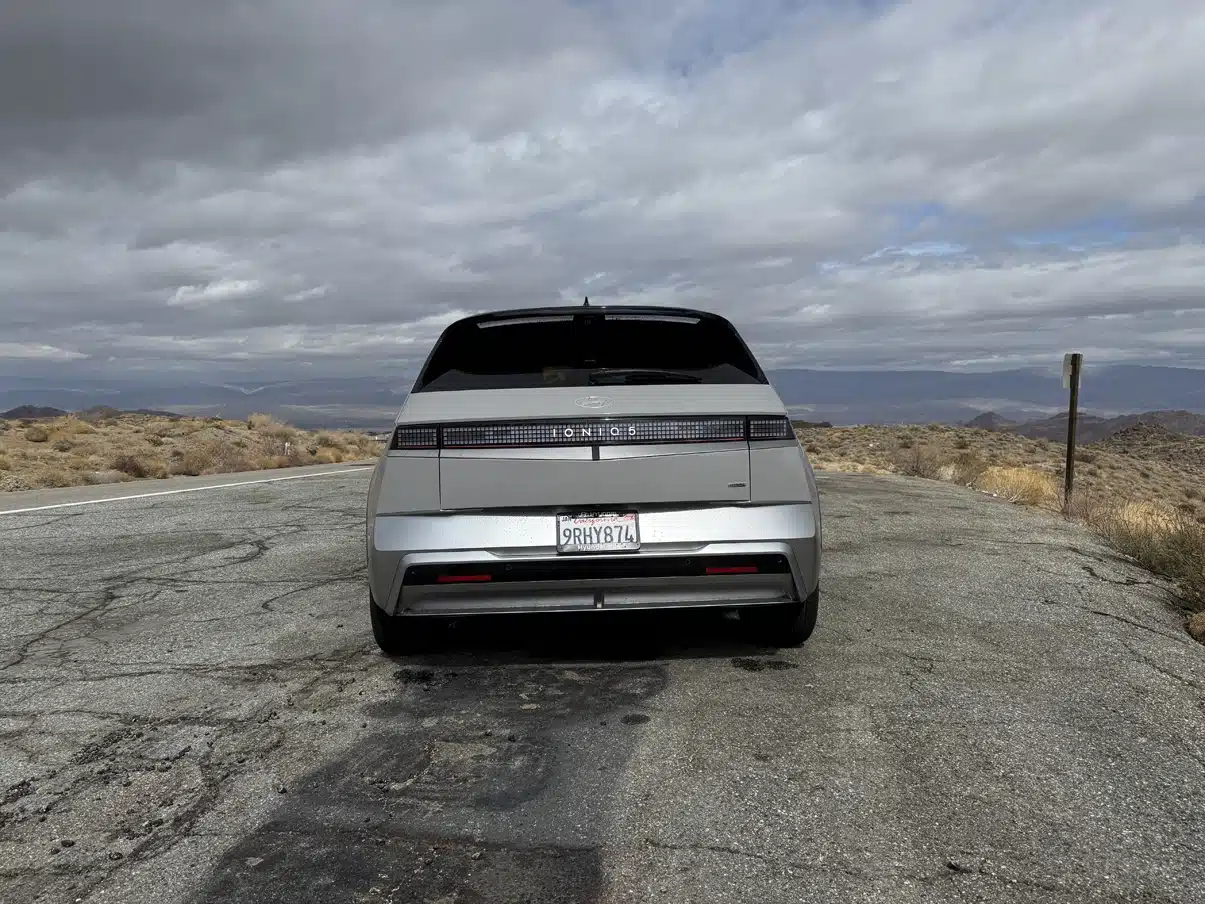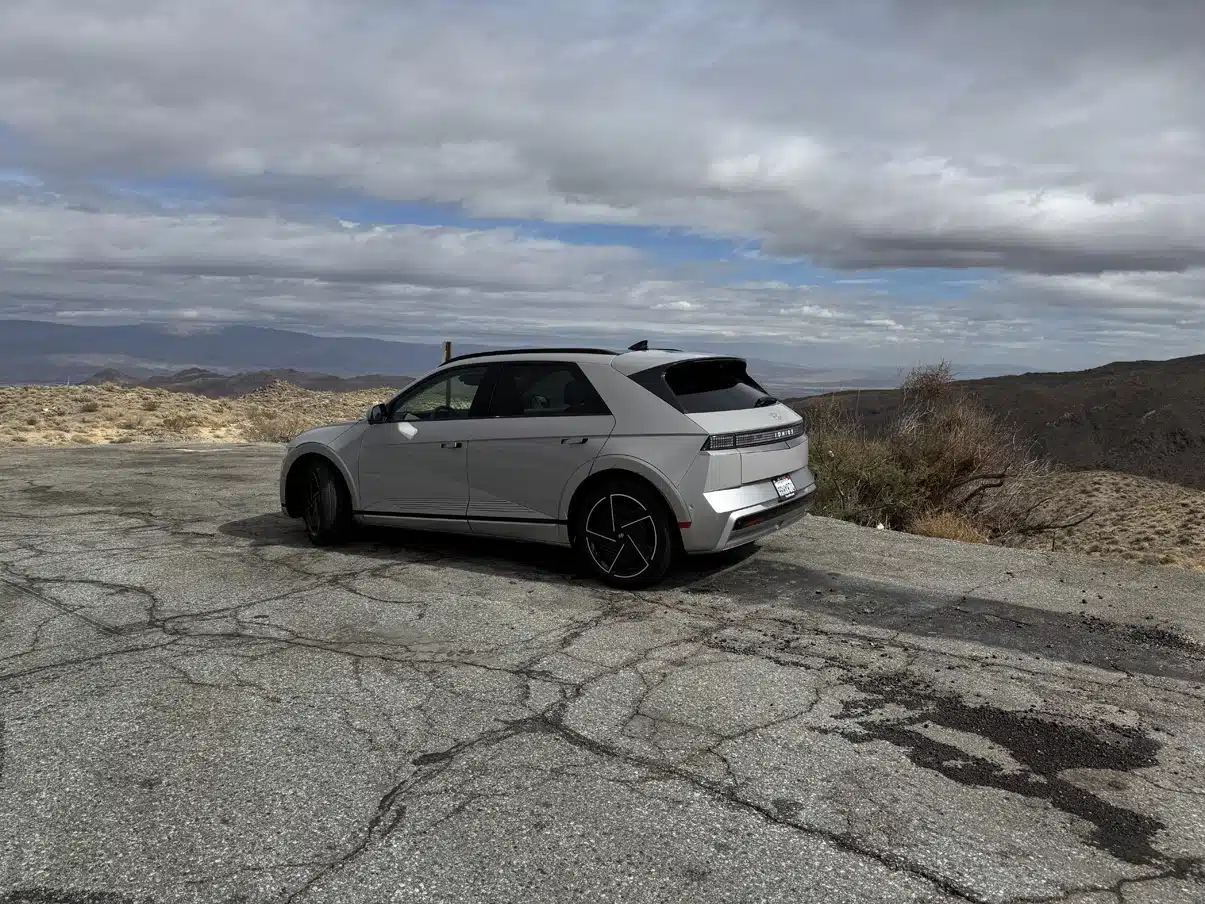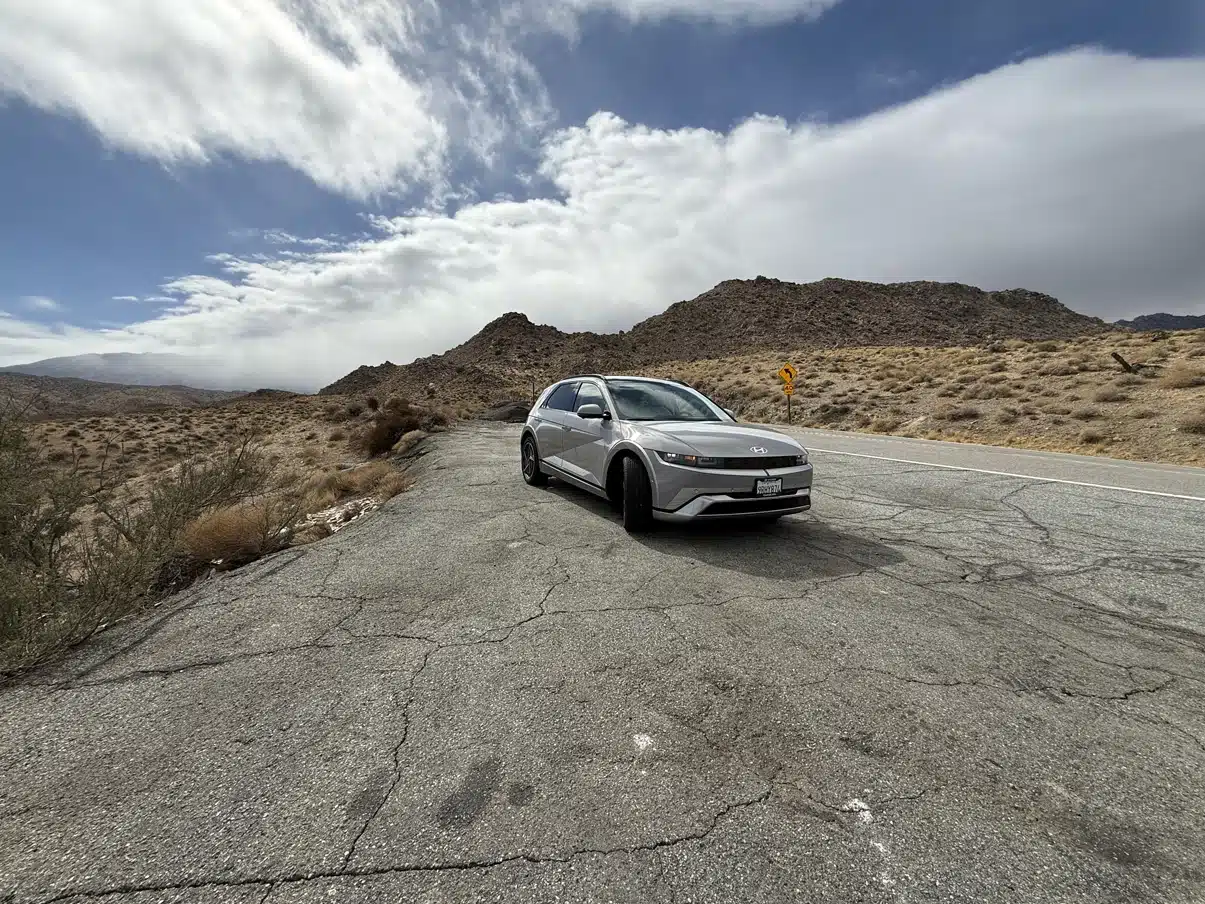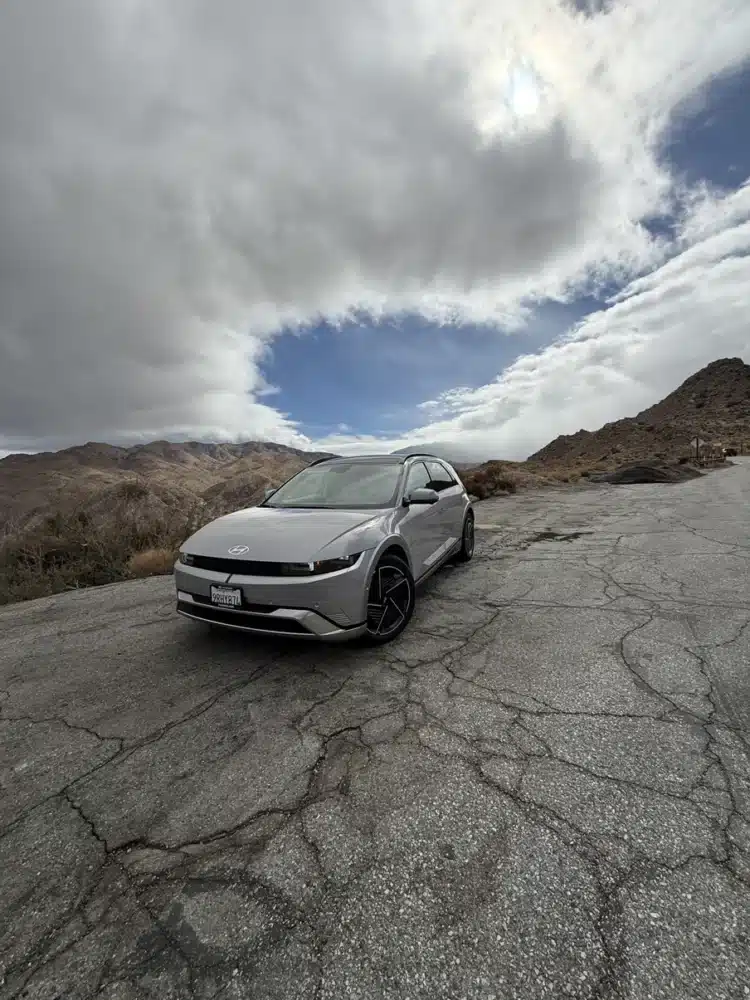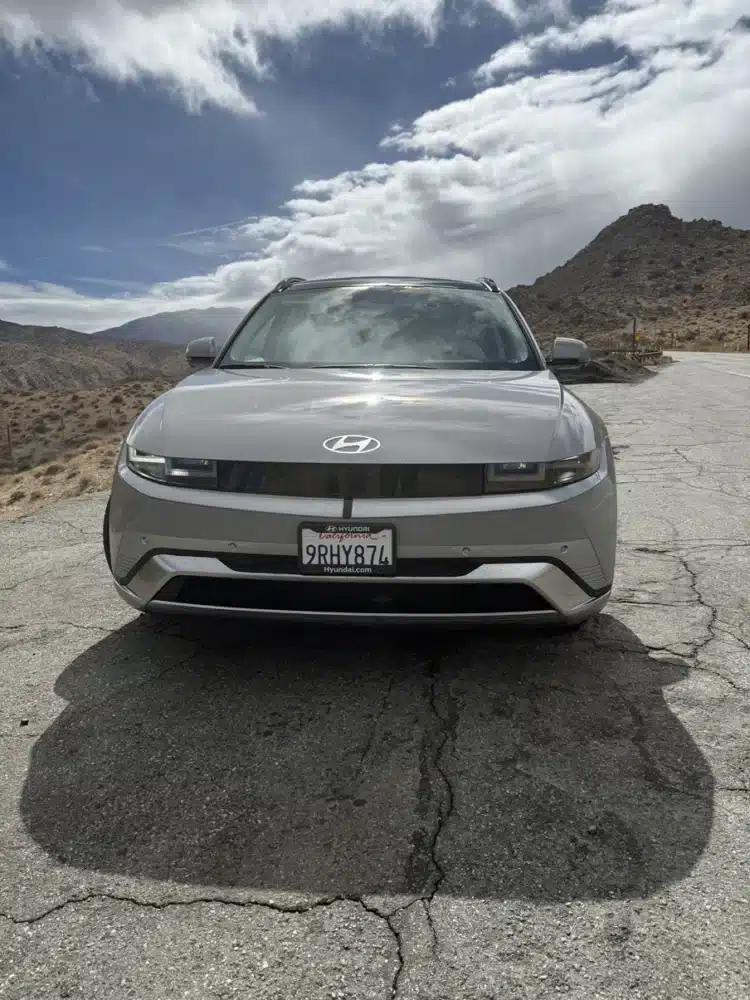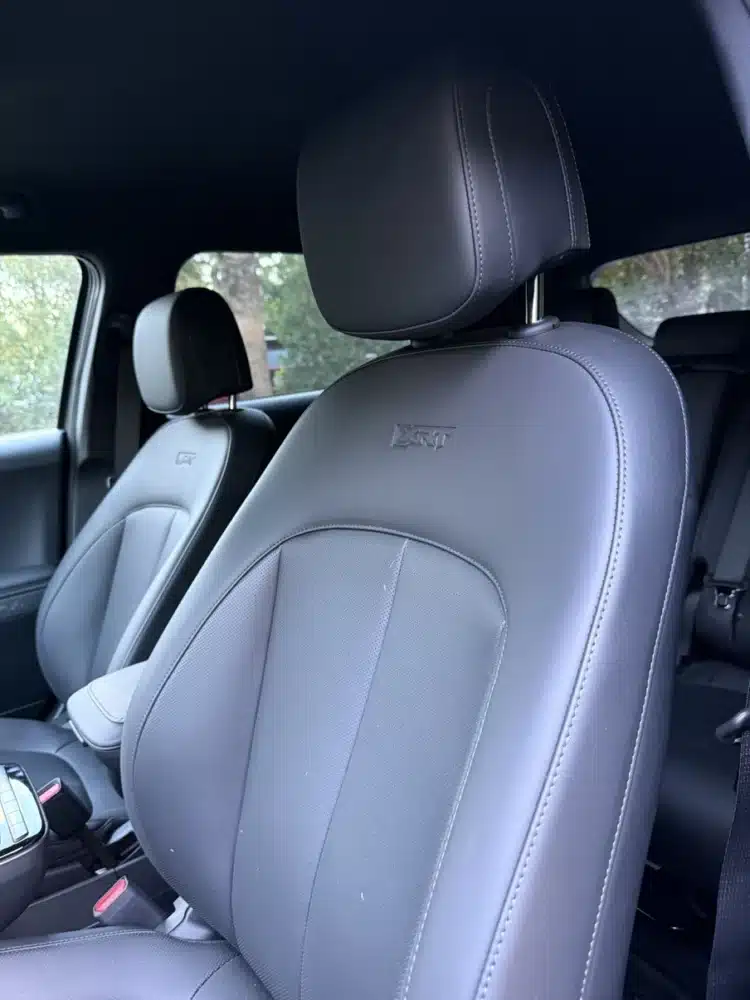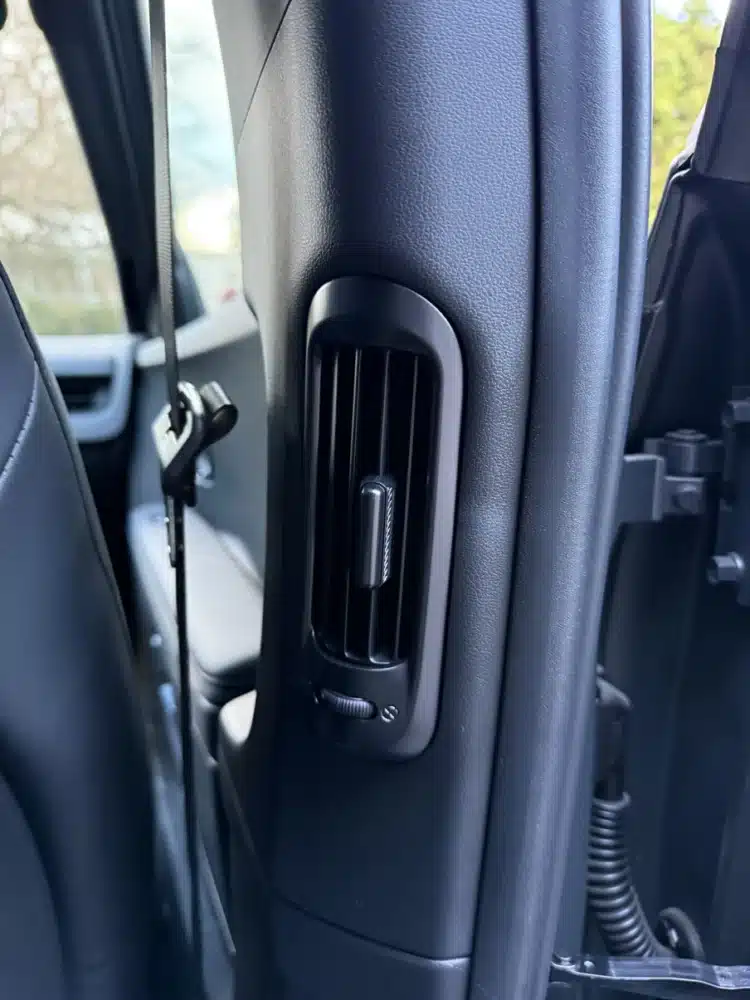
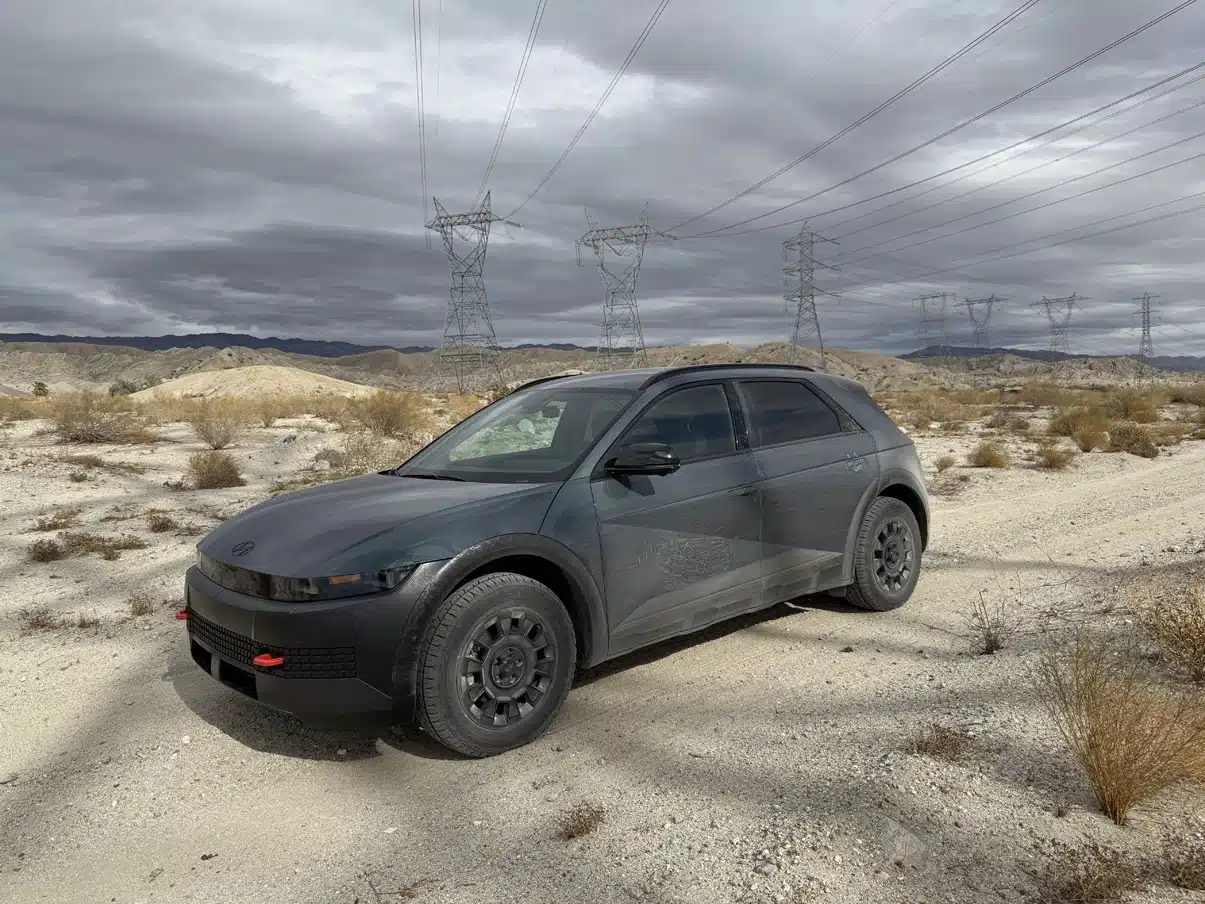
Palm Springs, Calif – On the surface, the 2025 Hyundai Ioniq 5 doesn’t look that different. But when you dig into it, this small EV gets a fairly significant mid-cycle refresh. In fact, I’ll say Hyundai corrected most of what I didn’t like about the previous iteration of the small EV hatchback.
The biggest change: NACS
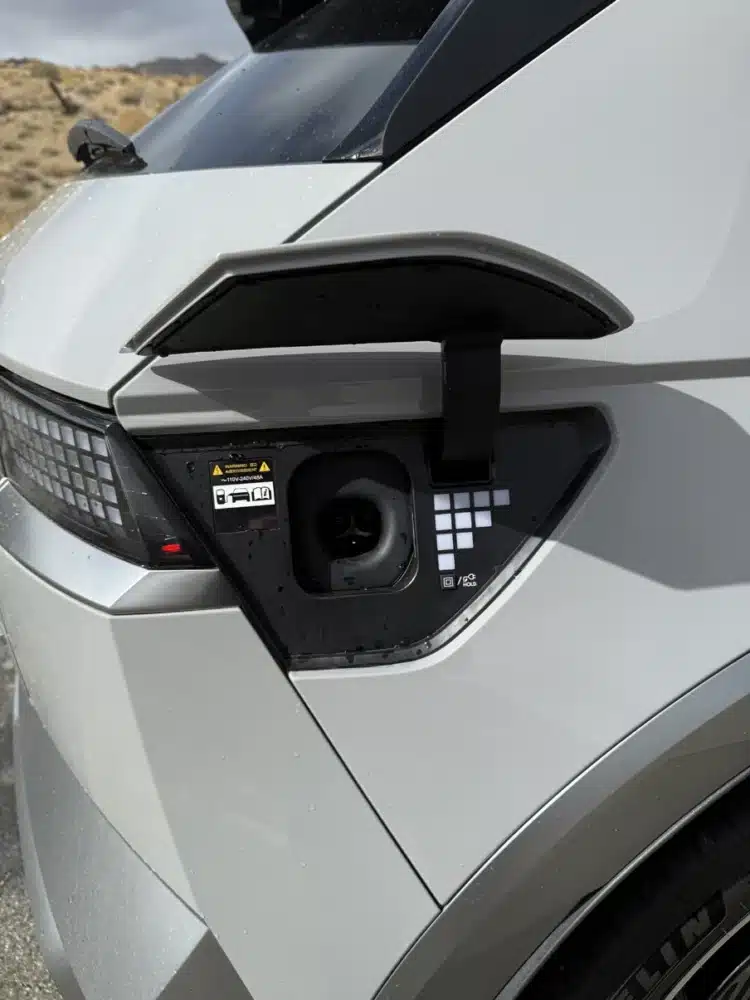
Perhaps the biggest change to the 2025 Hyundai Ioniq 5 is the switch to the North American Charging Standard, aka the Tesla charge port. This is the first factory installed NACS port on a non-Tesla vehicle, and it’s kind of a big deal. Hyundai, along with several other automakers, have committed to converting their electric vehicles to NACS, and this means Ioniq 5 now has access to the Tesla Super Charger network.
Initially, owners will have to use the Tesla app to initiate charging, but by the end of the year, Hyundai promises there will be a more seamless process to charge. To ensure Ioniq 5 owners have access to all the charging options, the 2025 models will also come with a CCS adapter at no charge. So, this means the vehicle can go to a Tesla Charger as well as access charging via other networks like EVGo, Electrify America or ChargePoint.
It is important to note that while the 2025 Ioniq 5 gets the NACS port, this does not include the 2025 Ioniq 5 N, which was released mid-2024 and is on a different production cycle.
The best change: Wireless stuff
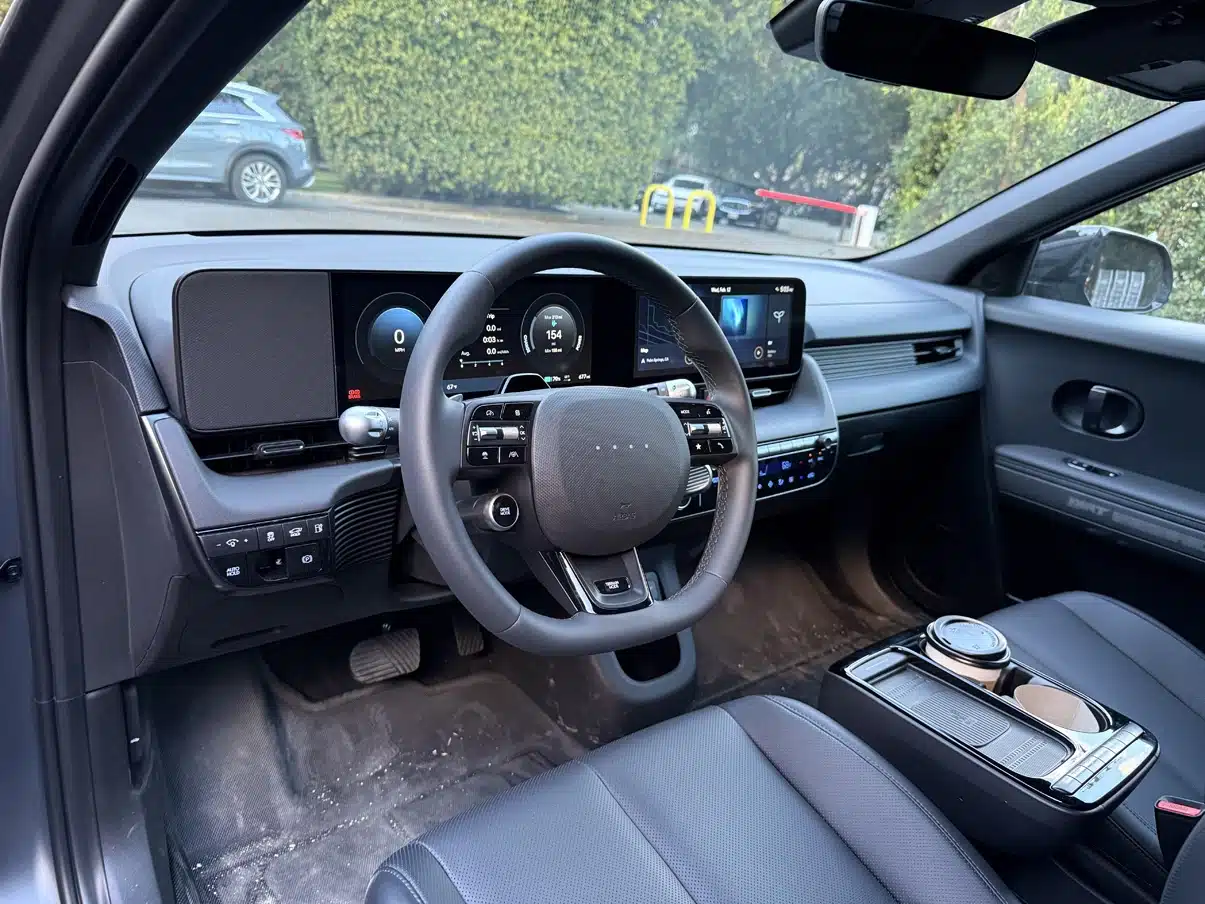
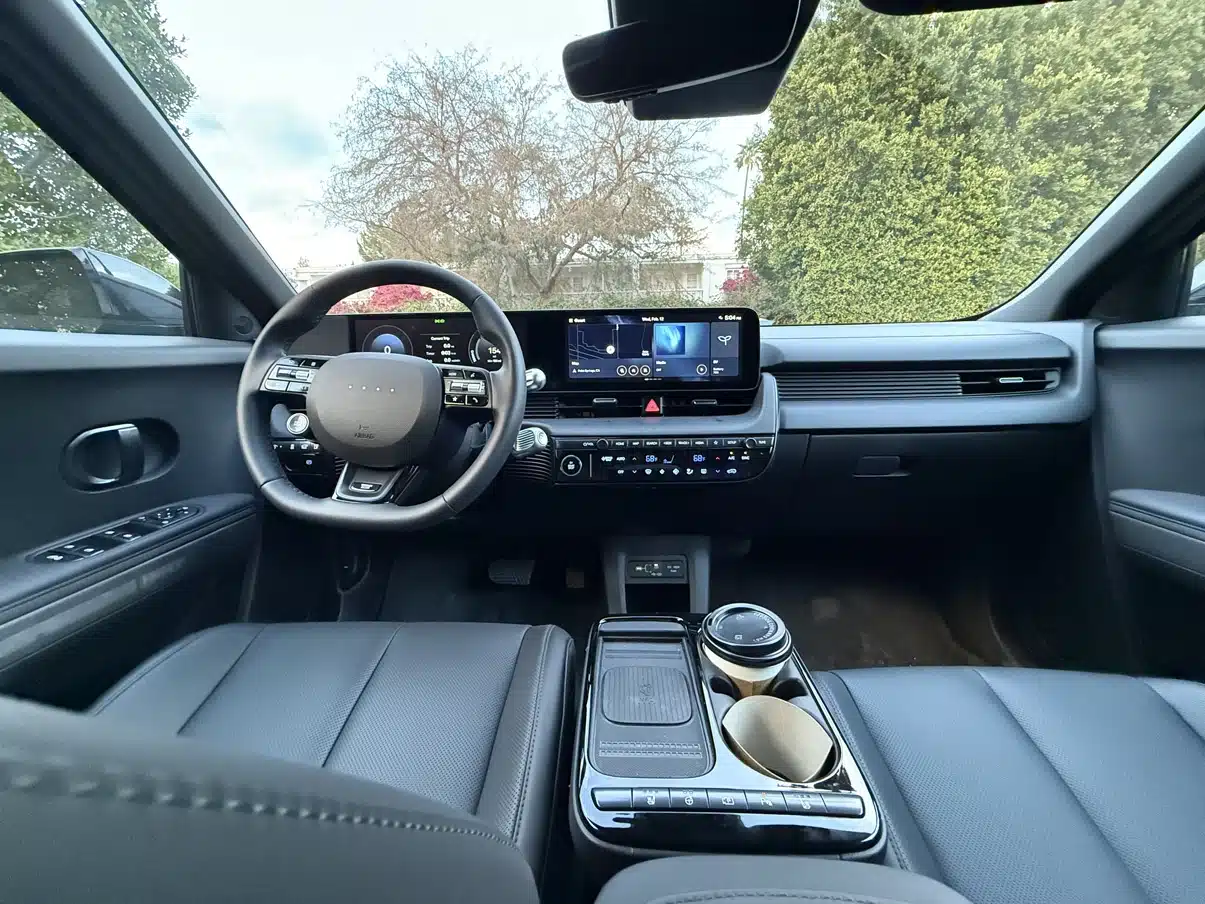
One of the biggest non sequiturs (IMHO) on the previous iteration of the Ioniq 5 was that you had a tech-forward design but it lacked some of the more tech-forward features, like wireless Apple CarPlay and Android Auto. That has been corrected for 2025. I didn’t find the system to be laggy, but I do wish there was a better integration with side menu options that allow you to move more seamlessly between CarPlay and the native operating system.
Another big change comes to the wireless charger. The location moves to a more convenient location on the center console, and the charger actually works well. I tend to be critical of wireless chargers because they overheat your phone or require you to put your phone in just the right place to activate the charge. It’s annoying. The Ioniq 5 wireless charger allows for varying positions on the pad, and in having my phone on the charger for an hour and a half, it did not overheat my phone.
Other changes of note
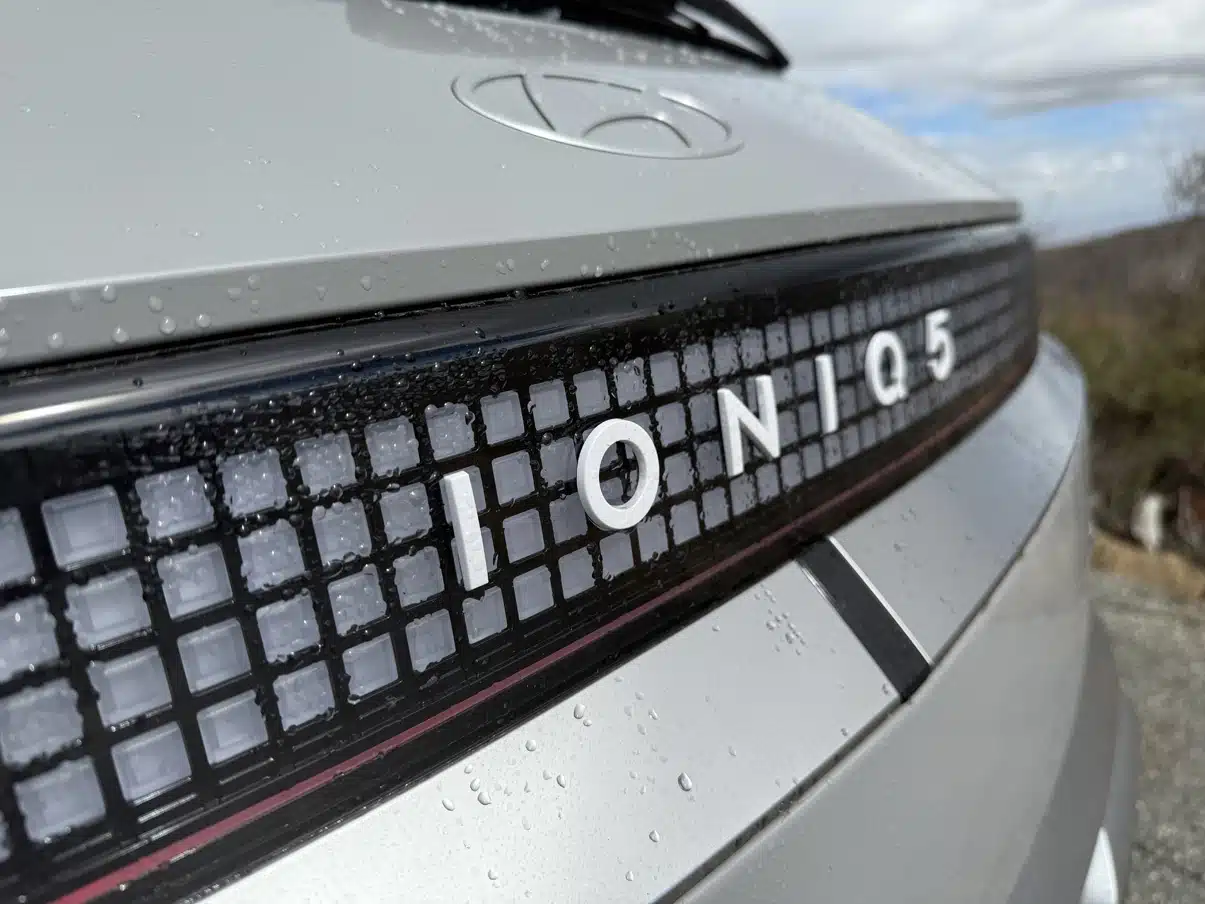
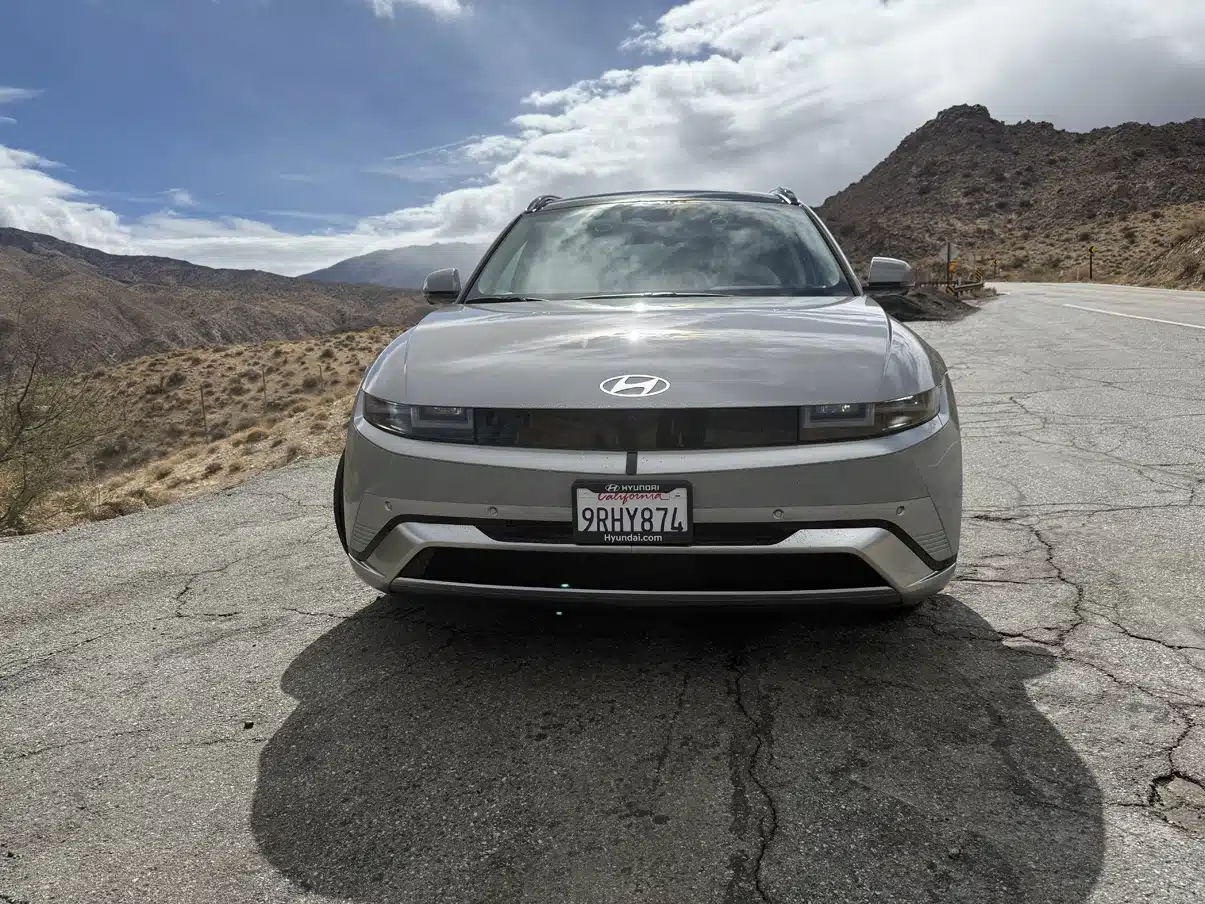
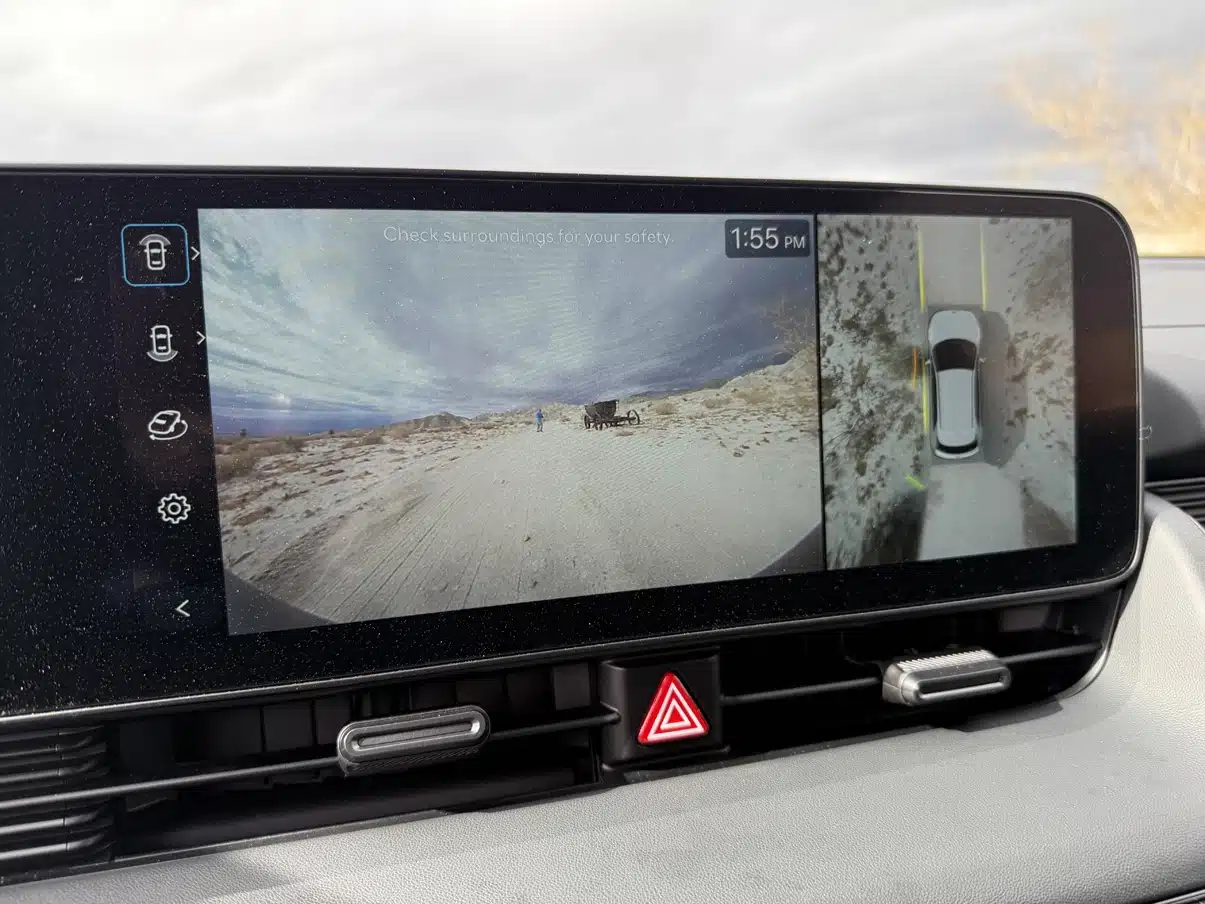
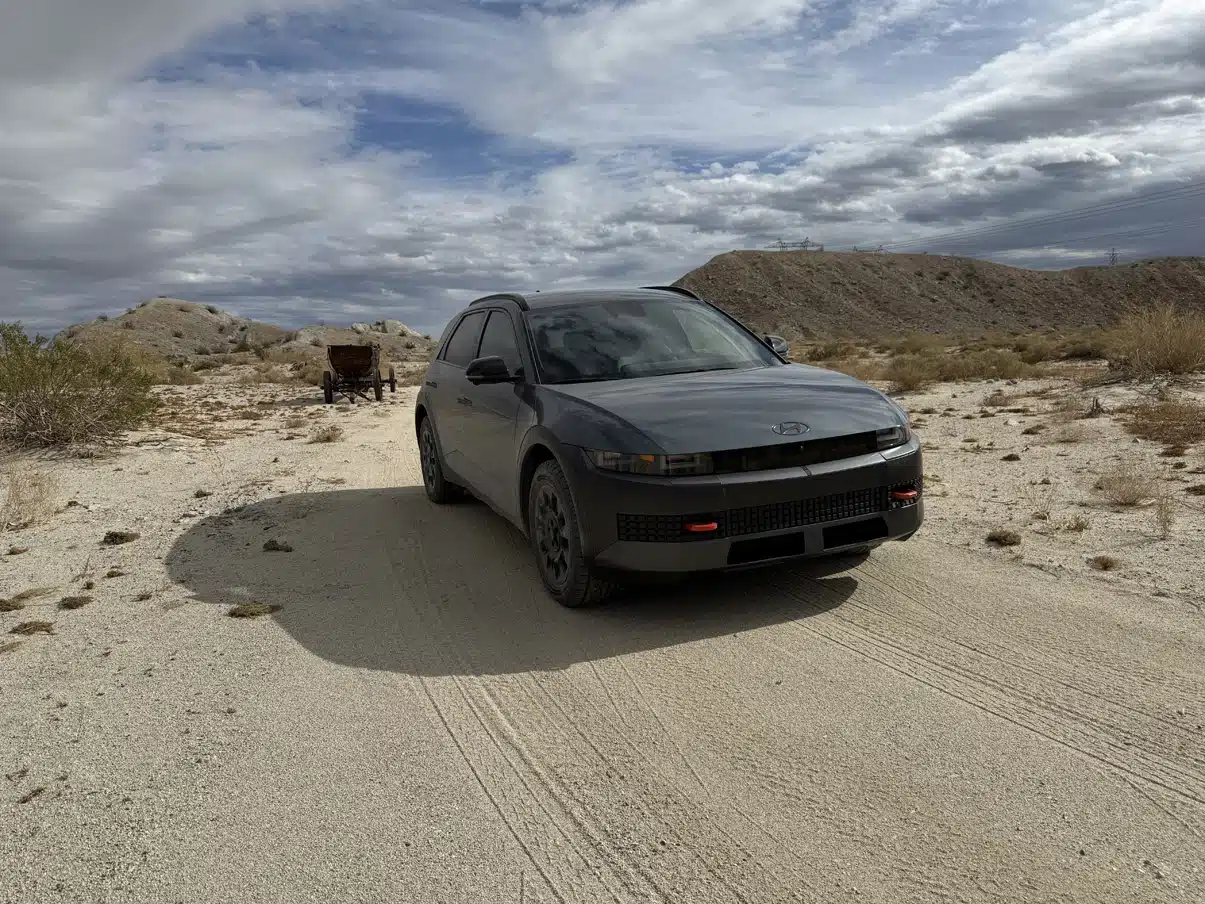
In addition to some design tweaks to the front and rear fascia, the 2025 Hyundai Ioniq 5 finally gets a rear wiper. On the interior, we see simplified HVAC controls as well as the addition of a volume dial and physical buttons for some of the more frequently touched items, such as heated seats and the camera visibility.
Another change for 2025 is the size of the standard- and long-range battery packs. The standard range increases to 63 kWh, and the long range increases to 84 kWh. This means we see range increases from 9 to 30 miles depending on trim and drivetrain.
The XRT trim & off-road chops?
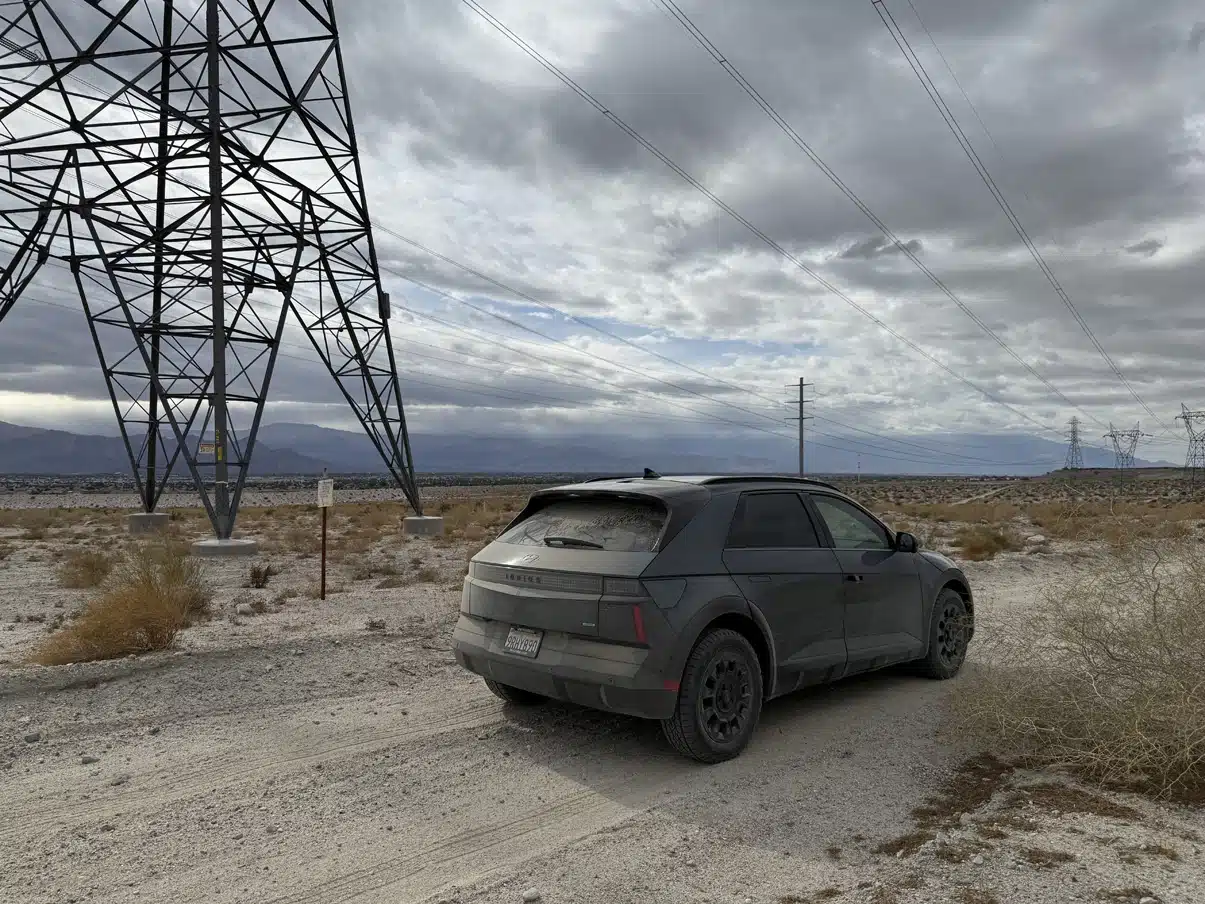
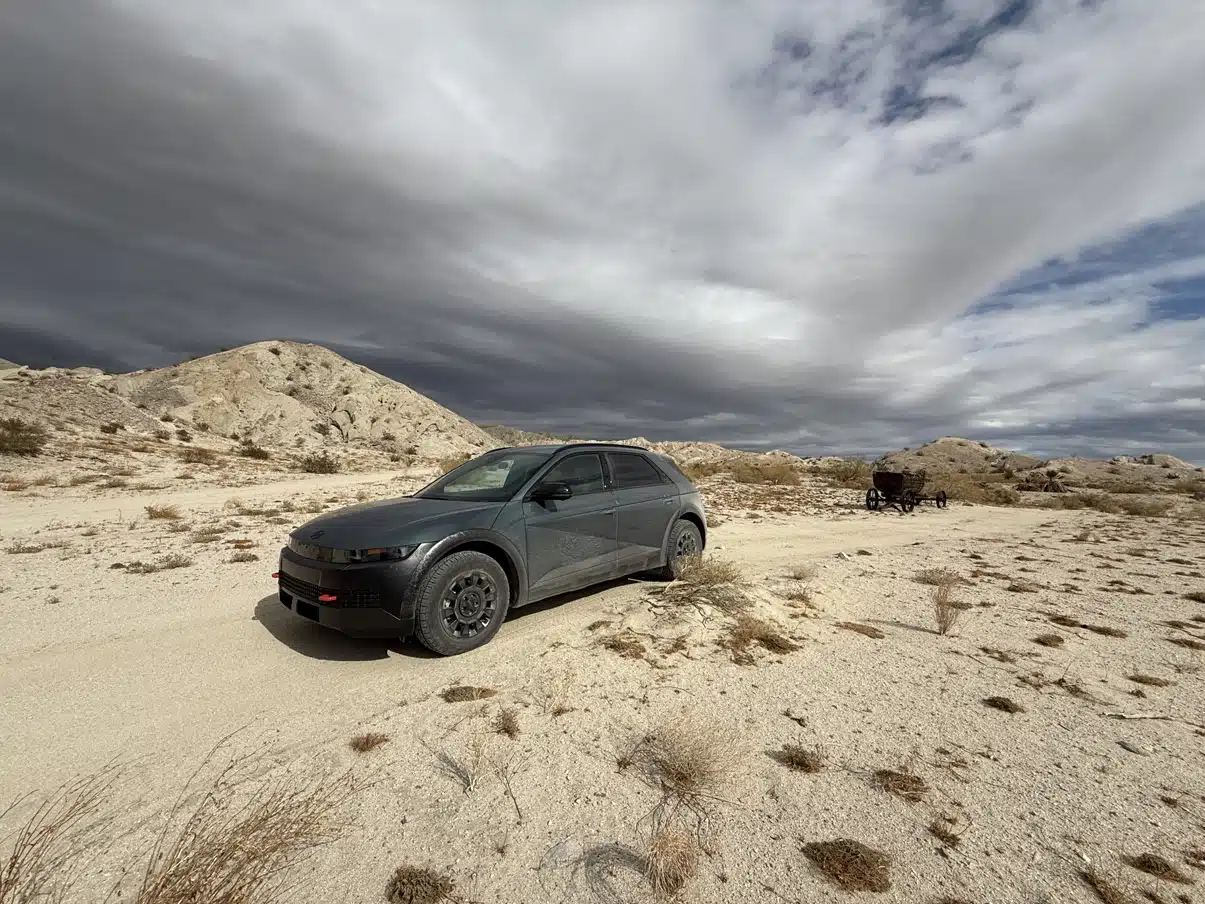
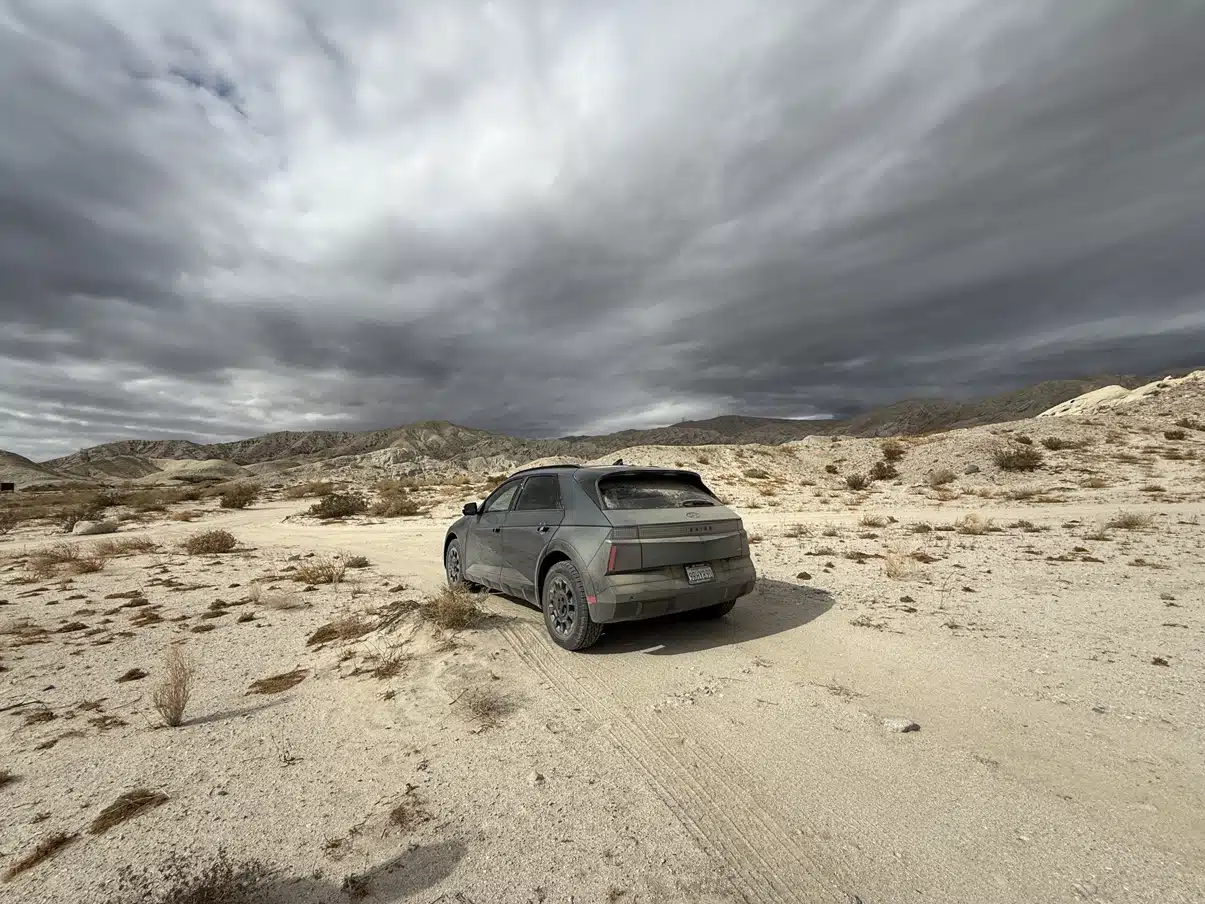
Over the past few years Hyundai has been XRT-ing all the things, adding some off-road chops to all its SUVs. And so, we see a new XRT trim on the 2025 Hyundai Ioniq 5. This vehicle isn’t meant to traverse the Rubicon Trail, but it is intended to manage some dirt trails to get you to your campsite or trail head.
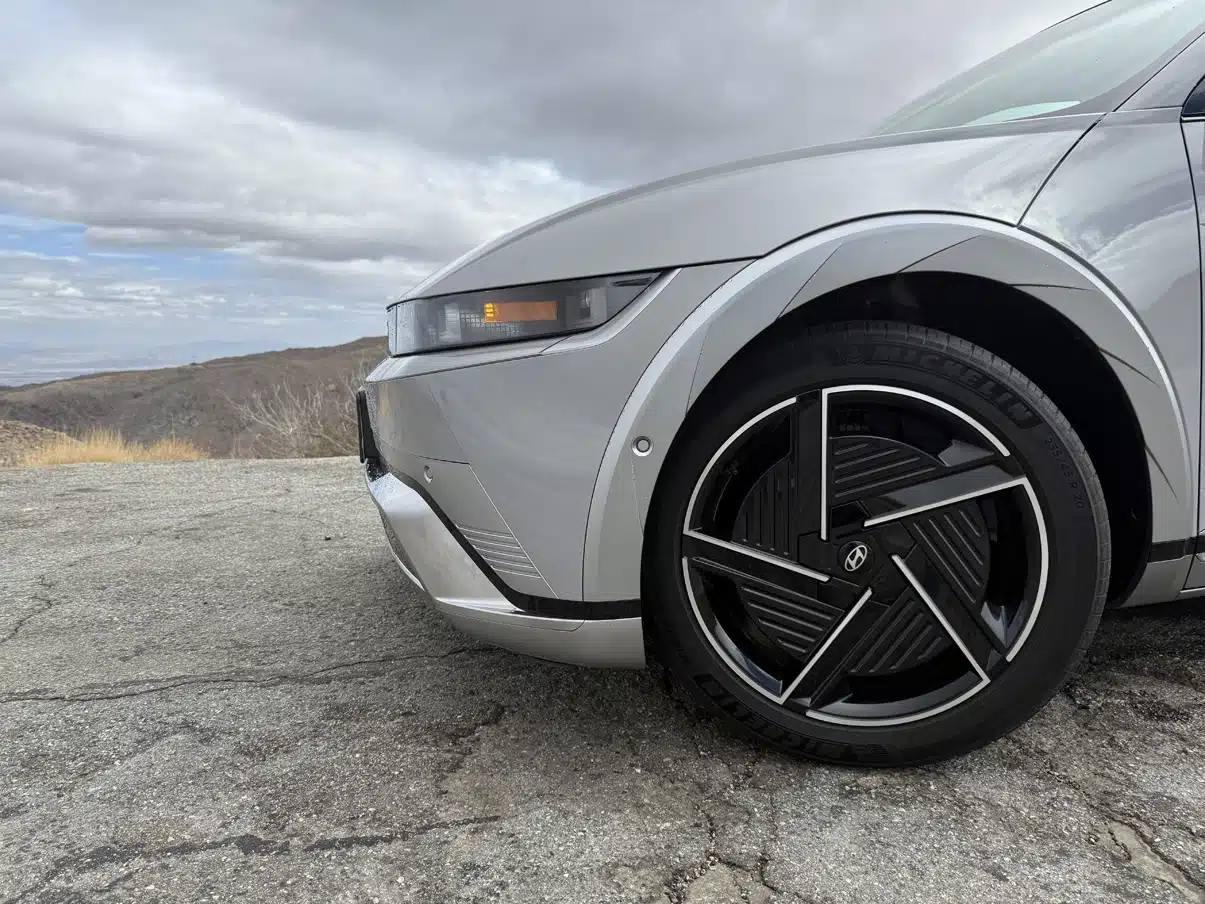
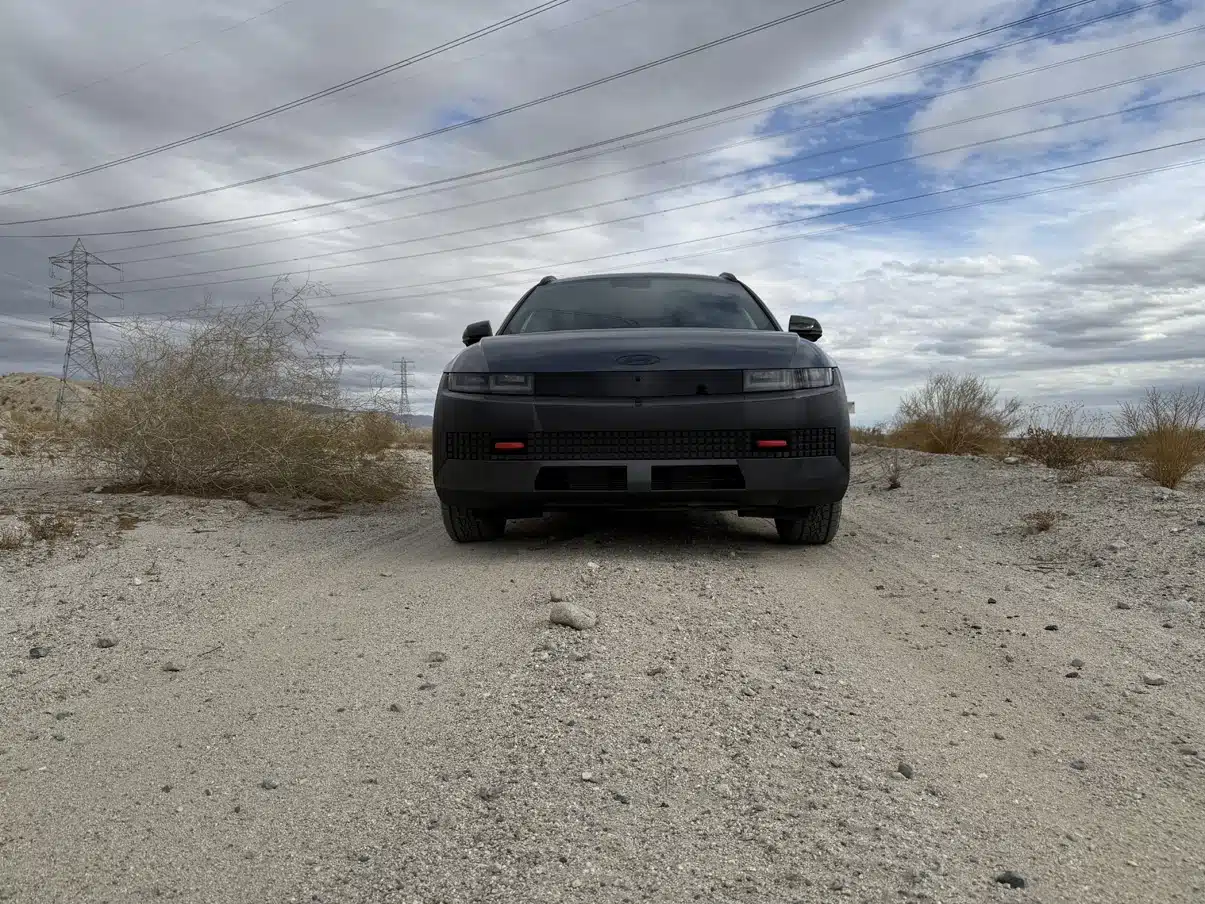
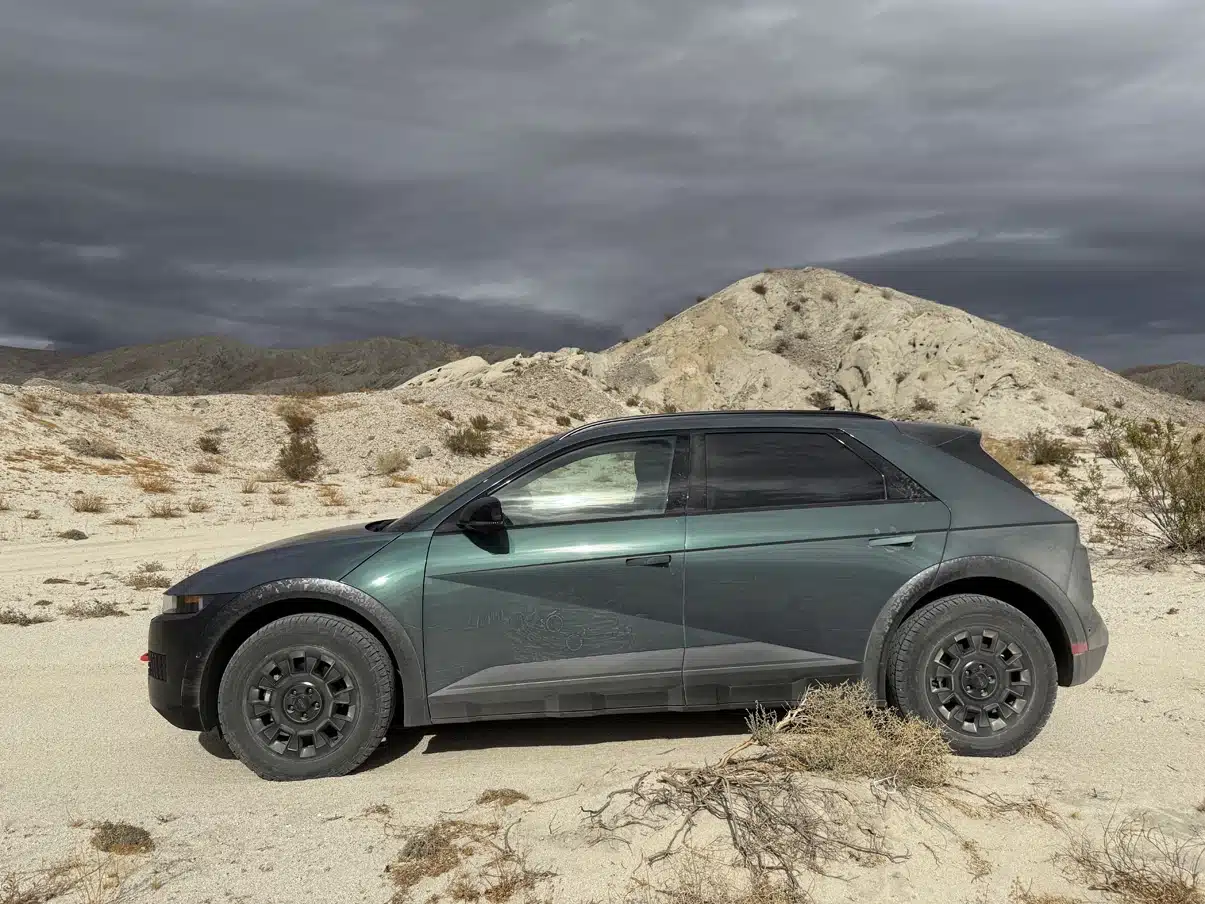
This trim gets a unique front and rear fascia as well as some more aggressive cladding to protect the vehicle from rocks. It is equipped with all-terrain tires and more robust 18-inch wheels, and it has a 23-millimeter suspension lift. This translates into an extra inch of ground clearance over the non-XRT trims. And with the redesign fascias, the XRT model has better approach and departure angles. The XRT trim also gets three terrain modes: Snow, Sand and Mud.
No, it doesn’t have any skid plates.
We did a few loops of a mild off-road course Hyundai designed for us. It included a rutted dirt trail with some small rocks, sandy bits and a sharp-ish incline. The Ioniq 5 XRT did well for what it is. I didn’t feel like I was going to get stuck in the sand, and it had enough clearance that we weren’t scraping on the rocks. Having driven the Hyundai Santa Cruz in the Rebelle Rally for two years, I would say this is similarly capable off road. You’re not going to be able to do anything extreme, and you aren’t going to fly down those dirt roads, but you will be able to capably pick your way through without damage to anything except the paint job. Maybe if you’re going to get the XRT trim and plan to go offroad, don’t opt for the matte finish.
2025 Hyundai Ioniq 5 on-road driving impressions
I’ve always enjoyed the ride and handling of the Ioniq 5, and that’s no different for 2025. Horsepower ratings don’t change for this mid-cycle refresh, but that’s fine by me since I’ve always found Ioniq 5 to be peppy enough with the instantaneous EV torque. Base horsepower is 168 on the rear-wheel-drive model with the standard-range battery. It goes up to 225 horsepower with the long-range battery. If you opt for an all-wheel drive model, you’re looking at 320 combined horsepower from the front and rear motors.
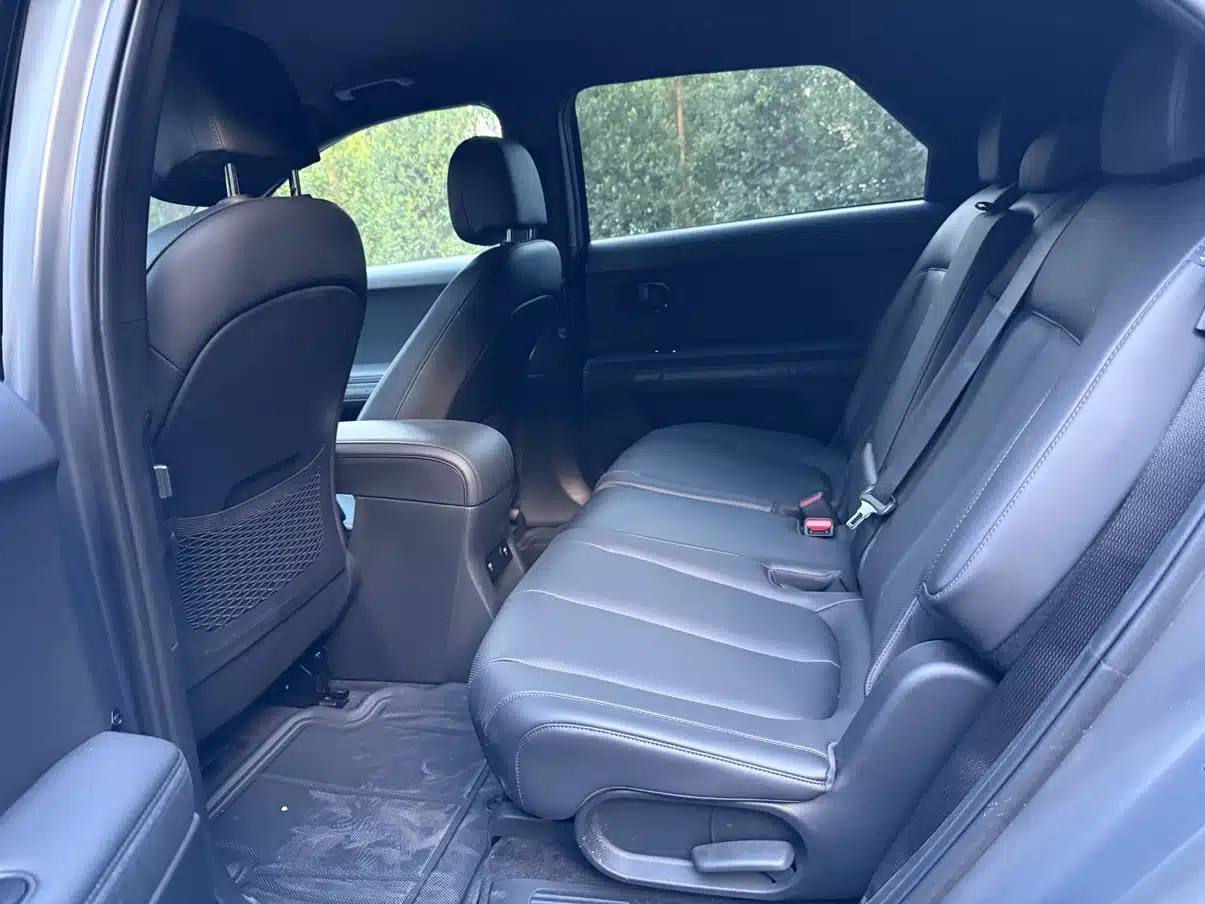
Even though the Ioniq 5 has a longer wheelbase than the Palisade (by 4 inches!), it doesn’t feel large. If anything, the longer wheelbase helps it feel more planted. As a petite driver, I had an excellent driving position, and really good visibility out of all the windows.
The 2025 Hyundai Ioniq 5 doesn’t have strict one-pedal driving, but it does have levels of regenerative braking, including the most aggressive i-Pedal option, which is close to one-pedal driving without bringing the vehicle to a complete stop. I personally prefer the most aggressive option, but I like that owners have the option to choose what they want.
On our drive we were coming down a mountain at one point, and using the i-Pedal option, I added about 4% to the battery range during about a 30-minute period.
Trims & pricing
With the addition of the XRT, the Ioniq 5 now has four trims:
SE ($43,975)
This base model comes standard with RWD, Hyundai’s SmartSense and navigation. Estimated range is 318 miles.
SEL ($48,025)
This trim adds premium exterior and interior features, an enhanced SmartSense and more convenience features.
XRT ($50,975)
This is the rugged off-road-ish trim with extra cladding, all-terrain tires and some more functional capabilities.
Limited ($55,675)
This is the all-in model with advanced technology, safety and luxury features.
All-wheel is available on all except the base model, and adds between $3,500 and $3,900 to the bottom line, depending on trim. XRT is only available with AWD.
Our take on the 2025 Hyundai Ioniq 5
Hyundai managed to take a really good vehicle and make it even better. Pretty much everything we didn’t like on the OG model has been fixed, and that’s saying something. We can always pick nits and hope someday shiny black lacquer will disappear from vehicle interiors, but we really don’t have much to complain about with the 2025 Hyundai Ioniq 5.