
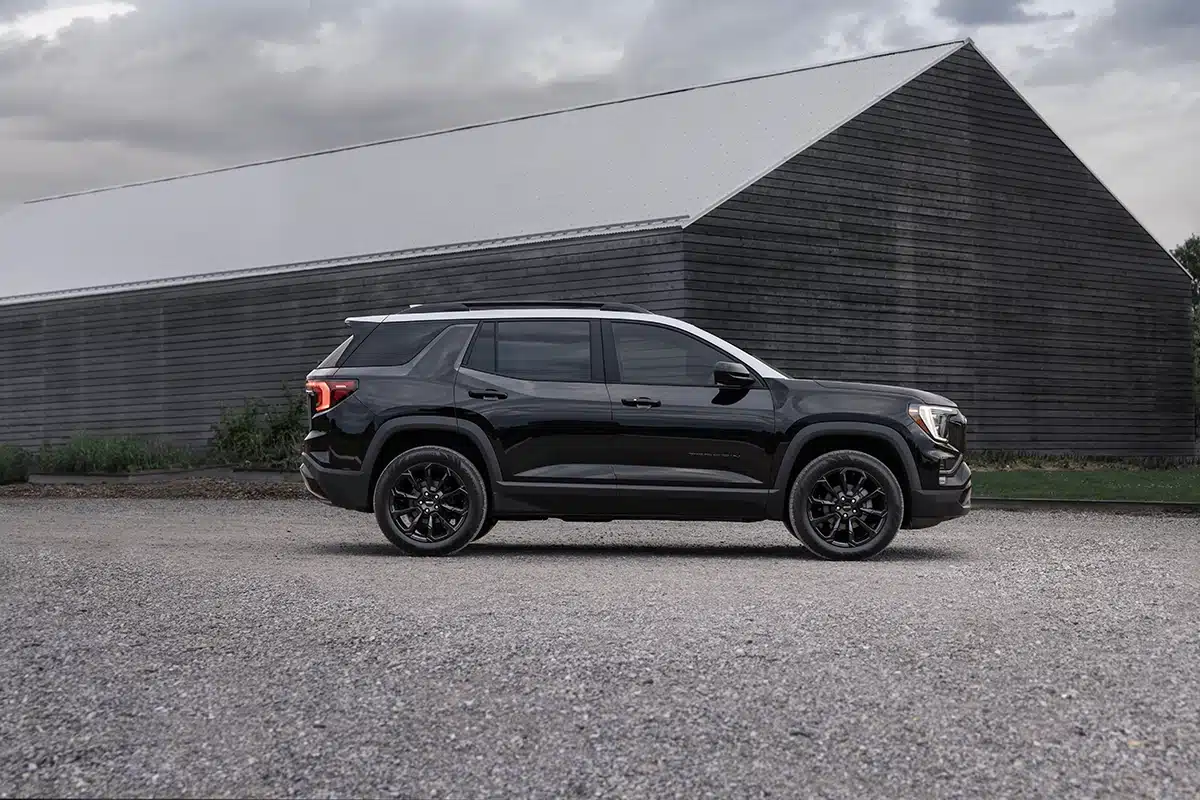
Choosing the right car tint is more than just a cosmetic decision; it’s an investment in your comfort, privacy, and the longevity of your vehicle’s interior. With so many options available, finding the perfect tint can be overwhelming. This guide will walk you through the key factors to consider when selecting the right car tint for your vehicle.
Understanding the benefits of car tinting
Before diving into the selection process, it’s essential to understand the benefits that car tinting offers. Car tint isn’t just about making your vehicle look sleek and stylish; it has several practical advantages:
- UV Protection: Car tints block harmful ultraviolet (UV) rays from the sun, which can protect your skin from damage and reduce the risk of skin cancer. Additionally, it prevents the interior of your car from fading and cracking over time.
- Heat Reduction: A good quality tint can reduce the heat inside your car by up to 60%, making your drive more comfortable and reducing the need for air conditioning, which can improve fuel efficiency.
- Glare Reduction: Tinted windows can significantly reduce glare from the sun and headlights, enhancing your visibility and driving safety.
- Privacy and Security: Tinting adds a layer of privacy by making it more difficult for outsiders to see inside your vehicle. It also helps deter theft by concealing valuable items from prying eyes.
Types of car tint films
Car tints come in various materials, each offering different levels of performance, durability, and cost. Here are the most common types of car tint films:
- Dyed Film: The most basic type of tint, dyed film is primarily used for appearance and reducing glare. It absorbs sunlight but doesn’t offer much heat rejection or UV protection. Dyed film is the most affordable option, but it may fade over time.
- Metalized Film: This type of tint contains tiny metallic particles that reflect heat and UV rays. It’s more effective than dyed film in reducing heat and glare, but the metallic nature can interfere with GPS, radio, and cell phone signals.
- Hybrid Film: Hybrid films combine dyed and metalized films, offering a balance between cost, performance, and signal interference. They provide good heat rejection and UV protection without the drawbacks of fully metalized films.
- Ceramic Film: The most advanced and high-performing tint, ceramic films contain non-metallic ceramic particles that block heat, UV rays, and glare without affecting electronic signals. Ceramic tints are durable, won’t fade, and provide excellent clarity. However, they are also the most expensive option.
- Carbon Film: Carbon films contain carbon particles that block infrared light, which is responsible for most of the heat inside a car. They offer a matte finish, good heat rejection, and won’t fade over time. Carbon films are more affordable than ceramic films but still provide excellent performance.
Consider your local climate
The climate where you live plays a significant role in determining the right tint for your vehicle. For instance, if you live in a hot and sunny area, you’ll want a tint that offers excellent heat rejection and UV protection, like ceramic or carbon film. On the other hand, if you live in a cooler climate, you might prioritize glare reduction and privacy over heat rejection, making dyed or hybrid films a suitable choice.
Check local tinting laws
Before selecting a tint, it’s crucial to check your state’s tinting laws. Tint laws vary by state and can dictate how dark or reflective your tint can be. Violating these laws can result in fines, so make sure your chosen tint complies with local regulations. Most states specify the maximum allowable Visible Light Transmission (VLT) percentage, which refers to how much light can pass through your windows. For example, a 35% VLT tint allows 35% of light to pass through, meaning it’s darker than a 50% VLT tint.
Consider the aesthetic appeal
While the practical benefits of tinting are crucial, the aesthetic appeal is also important. The tint you choose should complement the color and style of your vehicle. For example, a dark, sleek tint might enhance the look of a luxury sedan, while a lighter, more subtle tint could suit a family SUV. Remember, the darker the tint, the more privacy it provides, but also the more it might attract unwanted attention from law enforcement if it’s too dark.
Assess your budget
Your budget will likely influence your choice of tint. As mentioned earlier, dyed films are the most affordable but offer the least performance in terms of heat rejection and durability. On the other hand, ceramic and carbon films are more expensive but provide superior protection, durability, and clarity. It’s essential to weigh the initial cost against the long-term benefits. Investing in a higher-quality tint may save you money in the long run by reducing the need for replacements and protecting your vehicle’s interior.
Professional installation vs. DIY
Once you’ve selected the right tint, you’ll need to decide whether to install it yourself or hire a professional. While DIY kits are available and can save you money, professional installation ensures a flawless finish and comes with a warranty. Professional installers have the expertise and tools to apply the tint without bubbles, creases, or misalignment, which can be challenging to achieve on your own.
Caring for your car tint
After installation, proper care is essential to maintain your tint’s appearance and performance. Avoid rolling down your windows for a few days after installation to allow the tint to cure properly. Use a gentle cleaner and a soft cloth to clean the windows, and avoid using harsh chemicals or abrasive materials that could damage the tint. With proper care, a high-quality tint can last for many years.
Conclusion
Choosing the right car tint for your vehicle involves more than picking a shade that looks good. Consider the type of tint film, your local climate, legal restrictions, and your budget when making your decision. Whether you prioritize heat rejection, UV protection, or privacy, there’s a tint that suits your needs. Additionally, if you live in an area prone to vehicle accidents in Seattle or similar busy cities, investing in a quality tint that reduces glare can enhance your driving safety. Remember, while DIY installation might be tempting, professional installation ensures the best results and long-term satisfaction. By taking the time to select the right tint and care for it properly, you’ll enjoy the benefits of a cooler, more comfortable, and stylish ride for years to come.